Dexmedetomidine for Dogs: Side Effects and Safety
By Dr. Zubair Khalid, DVM, MS, PhD ·
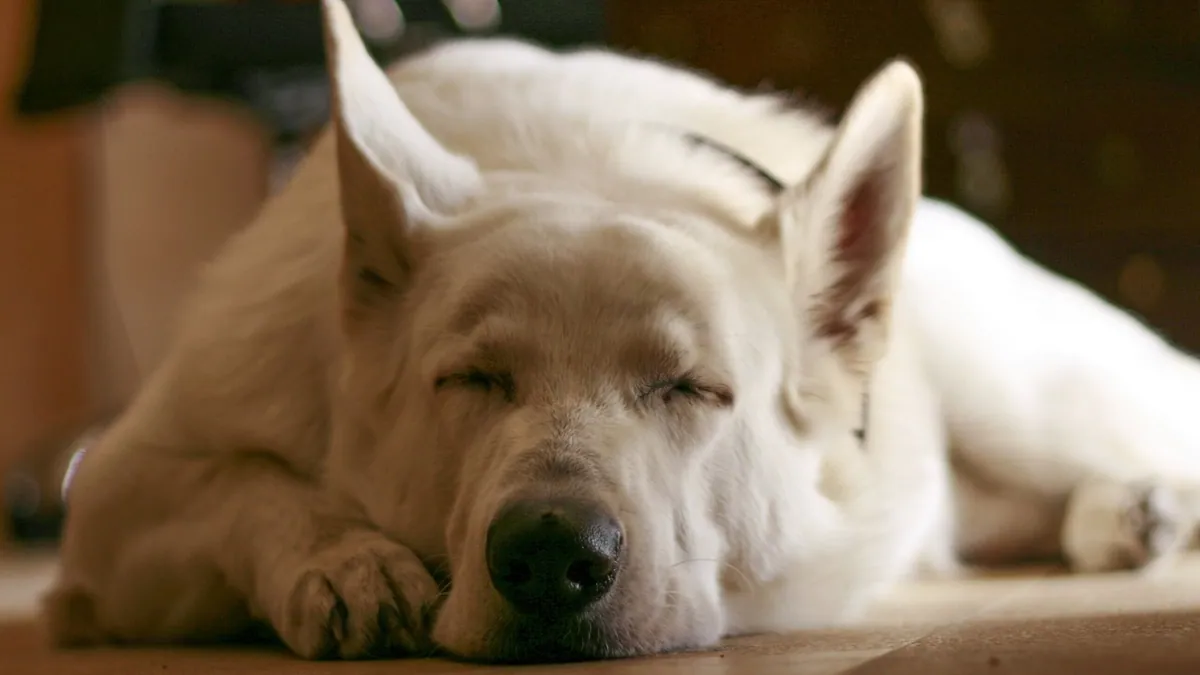
Dexmedetomidine for dogs side effects are usually predictable and manageable. The drug slows the heart, lowers blood pressure, and makes dogs sleepy, and veterinarians choose doses and monitor patients to keep those effects in a safe range. Most problems are mild and pass as the drug wears off, but some dogs face real risks.
This article is educational and is not a substitute for veterinary diagnosis or treatment.
Quick Answer
- Dexmedetomidine is a prescription sedative and pain reliever given by injection in veterinary clinics, not a take-home pill.
- The most common effects are sedation, a slower heart rate, and lower blood pressure, which are expected parts of how the drug works [1].
- Vomiting and nausea can happen around the time of sedation, and anti-nausea drugs given beforehand can reduce them [2].
- Dogs with heart disease, certain arrhythmias, or poor circulation may not be good candidates, and your veterinarian decides this case by case.
- Never give a pet medication prescribed for another animal, and never adjust a dose on your own.
What Dexmedetomidine Is and Why Veterinarians Use It
Dexmedetomidine is a sedative and analgesic (pain-relieving) drug used in dogs for procedures that require calm, cooperation, or light to moderate sedation. It belongs to a class called alpha-2 agonists, which act on specific receptors in the brain and body to produce sleepiness and pain control at the same time.
Veterinarians use it for many situations. It can calm an anxious or fearful dog before an exam, help with radiographs or minor procedures, and serve as part of a premedication protocol before general anesthesia. In one study of dogs undergoing cardiac CT imaging, a low-dose dexmedetomidine and butorphanol protocol produced good to excellent image quality in most cases, with no arrhythmias recorded and no deaths within 48 hours [3]. That study involved dogs with pericardial effusion, a serious condition, which shows how carefully these protocols are tailored to the individual patient.
Dexmedetomidine is also used to reduce fear and anxiety. A study of dogs given a low intramuscular dose found they could still walk without visible ataxia, meaning their coordination was largely preserved at that dose [4]. This matters because the goal is calm, not incapacitation.
How Dexmedetomidine Works in the Body
The drug binds to alpha-2 adrenergic receptors. When activated, these receptors reduce the release of norepinephrine, a chemical that keeps the body alert and the heart pumping fast. The result is sedation, muscle relaxation, and pain relief.
That same mechanism explains the cardiovascular effects. Slowing norepinephrine lowers heart rate and can lower blood pressure. In a study comparing sedation protocols, heart rate dropped significantly 30 minutes after dexmedetomidine alone, and systolic arterial pressure dropped significantly in a group that received acepromazine before dexmedetomidine [1]. These changes are expected, and veterinarians watch for them.
The drug also affects how dogs process what they see. In the low-dose study, dogs given dexmedetomidine made fewer and shorter fixations on images of aggressive dog faces compared with a placebo, and they gazed less at the ears of aggressive faces than neutral ones [4]. In plain terms, the drug dampens some attention and emotional processing, which is part of why it reduces fear and reactivity.
Dosing Basics: Who Decides and How It Is Given
Your veterinarian decides the dose. Dexmedetomidine is a controlled prescription drug given by injection, usually intramuscularly (into a muscle) or intravenously (into a vein). It is not something you give at home.
Doses vary widely depending on the procedure, the dog's health, and whether other drugs are combined. Published protocols include 2.5 μg/kg intramuscularly for a low-dose behavioral study [4], 2 μg/kg intramuscularly in a sedation comparison study [1], 5 μg/kg intramuscularly as an initial dose in a sedation study [5], and 0.5 to 1 μg/kg intravenously as premedication before general anesthesia in dogs with pericardial effusion [3]. Premedication doses of 5 to 15 μg/kg intramuscularly have also been reported when combined with hydromorphone [2].
Do not use these numbers to judge your own dog's dose. They come from specific research settings with specific dogs. Your veterinarian calculates the right dose from your dog's weight, age, health conditions, and the procedure planned.
There is no "missed dose" issue in the usual sense because this drug is given in a clinic under supervision. If your dog is sent home after a procedure, follow the discharge instructions exactly. If you are unsure whether a medication was given or how much, call the clinic before doing anything else.
Dexmedetomidine for Dogs Side Effects: What to Expect
The table below covers the effects owners ask about most. "Common" means it is an expected part of sedation. "Serious" means it needs veterinary attention.
| Side effect | How common or serious | What to do |
|---|---|---|
| Sedation and sleepiness | Common and expected | Let your dog rest in a quiet, safe space. Do not force activity. |
| Slow heart rate (bradycardia) | Common, usually mild to moderate | Your veterinarian monitors heart rate during sedation. Report a very slow pulse or weakness after discharge. |
| Low blood pressure | Common, usually mild | Veterinarians watch blood pressure and adjust fluids or drugs if needed. Call if your dog seems weak or wobbly after going home. |
| Vomiting and nausea | Can occur around sedation | Anti-nausea drugs given beforehand can reduce this [2]. Tell your veterinarian if your dog vomits repeatedly after discharge. |
| Reduced coordination | Possible at higher doses | Keep your dog on the floor or a low surface. Block stairs until fully alert. |
| Pale gums, cold limbs, collapse | Serious | Emergency. Call your veterinarian or an emergency clinic right away. |
| Very slow or irregular breathing | Serious | Emergency. Seek care immediately. |
Vomiting deserves extra attention because it is one of the most common owner concerns. A randomized trial of 87 healthy dogs found that giving maropitant or dimenhydrinate before hydromorphone and dexmedetomidine reduced nausea and vomiting compared with a placebo [2]. If your dog has vomited after sedation in the past, tell your veterinarian before the next procedure so they can plan ahead.
Bradycardia, or a slow heart rate, is the effect veterinarians watch most closely. In one study, heart rate fell significantly after dexmedetomidine alone, while dogs that also received acepromazine did not show the same drop at the measured time point [1]. This tells you that the cardiovascular response depends on the exact drug combination, which is why your veterinarian chooses the protocol, not a one-size-fits-all rule.
If your dog takes anxiety medication at home, some of the same principles apply. You can read more about watching for reactions in our guide to dog anxiety medication side effects. If your dog is on other long-term medications, such as antibiotics or heart drugs, similar monitoring habits help. See our articles on antibiotic side effects in dogs and Vetmedin side effects.
Dexmedetomidine Dog Sedation Risks: Who Is at Higher Risk
Some dogs carry more risk with this drug. Your veterinarian will weigh these factors before using it.
Dogs with heart disease. Because dexmedetomidine slows the heart and can lower blood pressure, dogs with certain heart conditions, arrhythmias, or poor cardiac function may not tolerate it well. In the cardiac CT study, heart rate during anesthesia ranged from 37 to 141 beats per minute, and mild hypotension occurred in two patients [3]. Those dogs were carefully selected and monitored, which is the point. A dog with an unstable heart condition may need a different protocol.
Dogs with low blood pressure or dehydration. The drug can lower blood pressure further. A study combining alfaxalone with dexmedetomidine measured heart rate, respiratory rate, oxygen saturation, and mean arterial pressure throughout sedation [6]. That level of monitoring is standard for higher-risk patients.
Dogs with liver or kidney disease. These organs clear drugs from the body. Your veterinarian may adjust the dose or choose another sedative.
Very old, very young, or very small dogs. Dose calculations are more sensitive in these patients, and responses can be stronger or last longer.
Dogs with a history of vomiting after sedation. Nausea and vomiting are known concerns with dexmedetomidine protocols, and pre-treatment with anti-nausea medication can help [2].
Dogs with airway or breathing problems. Sedatives can affect breathing, so dogs with brachycephalic (flat-faced) anatomy or respiratory disease need extra care.
Who Should Not Take It and What Interacts With It
Dexmedetomidine is not appropriate for every dog. Your veterinarian may avoid it or choose a different drug if your dog has certain heart rhythm problems, severe cardiovascular disease, or a known sensitivity to alpha-2 agonists.
Drug interactions matter. Acepromazine is sometimes combined with dexmedetomidine, and one study found that adding acepromazine did not improve sedation or reduce the propofol dose needed for induction, while blood pressure dropped significantly in the group that received acepromazine before dexmedetomidine [1]. This is a good example of why combining sedatives is a decision for your veterinarian, not a routine add-on.
Other sedatives, anesthetics, and pain medications can deepen the effects of dexmedetomidine. A study testing a second sedative injection after an initial dexmedetomidine dose looked at combinations including butorphanol, buprenorphine, tramadol, ketamine, and midazolam [5]. Each combination changes the sedation profile and the monitoring needs.
Always give your veterinarian a complete list of everything your dog takes, including prescriptions, over-the-counter products, and supplements. Do not skip this step. It directly affects safety.
Overdose and When to Call for Help
Overdose with dexmedetomidine is a clinic problem, not a home problem, because the drug is given by injection under supervision. Signs of too much drug include profound sedation, a very slow heart rate, low blood pressure, and slow breathing. Veterinarians can reverse the effects with an antidote called atipamezole, which is given after sedation assessments are complete in research protocols [5].
If your dog was sedated at a clinic and goes home, watch for these warning signs:
- Trouble waking up or staying awake far longer than expected
- A pulse that feels very slow or very weak
- Pale or white gums
- Cold paws or ears
- Labored, slow, or shallow breathing
- Repeated vomiting or inability to keep water down
- Collapse or inability to stand
If you see any of these, call your veterinarian right away. If your regular clinic is closed, go to an emergency veterinary hospital. For poison-related questions in the United States, you can call the ASPCA Animal Poison Control Center at (888) 426-4435 or the Pet Poison Helpline at (855) 764-7661. These services may charge a consultation fee.
Limitations and When to Contact a Veterinarian
This article gives general information. Your dog's individual case needs a veterinarian who can examine your dog, review the health history, and decide on the right drug and dose.
Call the same day if:
- Your dog vomits more than once after sedation
- Your dog seems more sedated than expected several hours after the procedure
- Your dog will not eat or drink by the evening
- You notice mild wobbliness that is not improving
Go to an emergency clinic now if:
- Your dog collapses or cannot stand
- Breathing looks slow, shallow, or labored
- Gums are pale, white, or blue
- The heart rate feels extremely slow or you cannot feel a pulse
- Your dog has a seizure or loses consciousness
Bring up at your next routine visit if:
- Your dog had a reaction to sedation before
- Your dog takes heart, blood pressure, or seizure medication
- You are planning a procedure and want to discuss sedation options
If your dog takes seizure medication, our guide to seizure medication side effects in dogs covers what to watch for with those drugs as well.
Frequently Asked Questions
How long does dexmedetomidine sedation last in dogs?
Sedation typically lasts under an hour at common doses, though it depends on the dose and other drugs used. In one study, a second sedative injection was given about 34 minutes after the initial dexmedetomidine dose, which gives a sense of the working timeline [5]. Your veterinarian can give you a realistic estimate for your dog's specific protocol.
Can dexmedetomidine be reversed?
Yes. Atipamezole is an antidote that reverses dexmedetomidine's effects, and it is used in veterinary protocols after sedation assessments are complete [5]. Reversal is a clinic decision, and your veterinarian will decide whether and when it is appropriate.
Is dexmedetomidine safe for dogs with heart problems?
It depends on the specific heart condition and how stable your dog is. Some dogs with serious cardiac disease have been safely managed with low-dose dexmedetomidine protocols under close monitoring [3]. Other dogs with arrhythmias or poor cardiac function may need a different sedative entirely. Only your veterinarian can make that call after examining your dog.
Does dexmedetomidine make dogs vomit?
It can. Nausea and vomiting are recognized concerns with dexmedetomidine sedation protocols, and giving an anti-nausea drug beforehand reduced vomiting in a study of healthy dogs [2]. If your dog has vomited after sedation before, tell your veterinarian so they can plan ahead.
Can I give dexmedetomidine to my dog at home?
No. Dexmedetomidine is given by injection in a veterinary setting, and it requires monitoring of heart rate, blood pressure, and breathing. There is no home version for owners to administer. If your dog needs sedation for grooming, travel, or fireworks, ask your veterinarian about safe options for your dog's health status.
Related Articles
- Dog Anxiety Medication Side Effects: What to Watch For
- What Are the Side Effects of Clavamox for Dogs?
- What Are the Side Effects of Antibiotics in Dogs?
- What Are the Side Effects of Seizure Medication in Dogs?
- What Are the Side Effects of Vetmedin for Dogs?
- What Are the Side Effects of Trazodone for Dogs?
- Dexmedetomidine for Dogs: Dose, Duration, and Safety
- Dexmedetomidine Reversal in Dogs: Antisedan and Recovery
- Sileo for Dogs: Side Effects and What to Expect
References
- Acepromazine does not enhance sedation or reduce propofol requirements when combined with dexmedetomidine in dogs. Topics in companion animal medicine, 2026.
- Effectiveness of dimenhydrinate and maropitant in preventing preoperative emesis and nausea in healthy dogs sedated with hydromorphone and dexmedetomidine: a randomized, blinded trial. Veterinary anaesthesia and analgesia, 2026.
- Anaesthetic Management Including Low-Dose Dexmedetomidine and Butorphanol in Dogs Undergoing ECG-Gated Cardiac Computed Tomography: A Retrospective Case Series. Veterinary sciences, 2026.
- A low dose of dexmedetomidine reduces behavioral activity and visual attention to aggressive faces in dogs. Veterinary journal (London, England : 1997), 2026.
- Effect of a second sedative drug injection following initial intramuscular dexmedetomidine in dogs: a randomised, crossover study. Veterinary anaesthesia and analgesia, 2026.
- Sedative and physiological effects of intramuscular alfaxalone 4% with butorphanol or dexmedetomidine in dogs - a randomized crossover study. Veterinary anaesthesia and analgesia, 2026.