Dexmedetomidine Side Effects in Cats: What to Expect
By Dr. Zubair Khalid, DVM, MS, PhD ·
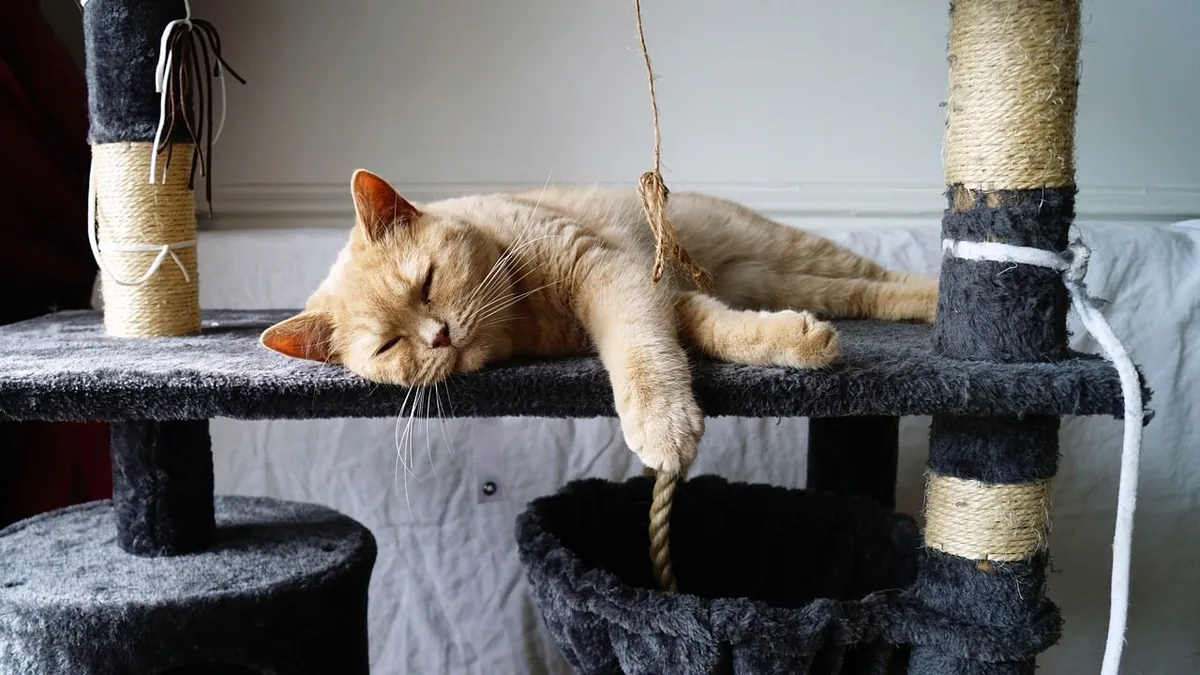
Dexmedetomidine for cats side effects are mostly predictable: deep sedation, a slower heart rate, lower blood pressure, and reduced skin perfusion. Most of these changes are expected and fade as the drug wears off or is reversed with atipamezole. A few signs, such as a heart rate that stays very low or a cat who will not wake up, need a veterinarian right away.
This article is educational and is not a substitute for veterinary diagnosis or treatment.
Quick Answer
- Dexmedetomidine is a prescription sedative given by a veterinarian, usually by injection, and it causes reliable sedation along with a slower heart rate and lower blood pressure [1][2].
- Skin perfusion (blood flow to the skin) drops even at low doses, which is one reason veterinarians choose it carefully [3].
- Atipamezole is the reversal drug. It is given at the end of the procedure to bring your cat out of sedation.
- Mild sleepiness, wobbliness, and a slightly cool body temperature are common after discharge and usually resolve within hours.
- Call your veterinarian the same day if your cat stays very drowsy, feels cold, vomits repeatedly, or will not eat or drink.
What Dexmedetomidine Is and Why Veterinarians Use It
Dexmedetomidine is an alpha-2 agonist, a class of sedative that works on receptors in the brain and throughout the body [4]. It is a prescription medication. You will not buy it at a pet store, and you should never give it to your cat at home.
Veterinarians use it for several jobs. It calms anxious or fractious cats so they can be examined, it provides sedation before anesthesia, and it can be combined with other drugs for procedures like neutering or spaying [5][2]. It also provides some pain relief and muscle relaxation, which makes it useful for short procedures and for premedication before surgery [1].
Because it is given by injection, dexmedetomidine is almost always administered in a clinic setting. Some cats receive it intranasally (drops in the nose) and others receive it intramuscularly (into a muscle) [1]. Both routes produce sedation, and the choice depends on your cat's temperament, the procedure, and your veterinarian's plan.
If your cat takes other medications, especially for seizures or allergies, your veterinarian will want to know. You can read more about how sedatives and other drugs interact in our guides to seizure medication side effects in cats and gabapentin side effects in cats.
How Dexmedetomidine Works in Cats
Dexmedetomidine binds to alpha-2 receptors. When it does, it quiets the release of certain brain chemicals. The result is sedation, relaxation, and a reduced response to pain [1][4].
The same receptors sit on blood vessels and in the heart. When dexmedetomidine activates them, blood vessels narrow and heart rate drops. In one study, cats given dexmedetomidine had significant reductions in pulse rate, and fractional shortening (a measure of how well the heart squeezes) also decreased [1]. Another study found a significant decrease in heart rate along with reduced skin perfusion, even at low doses [3].
This is why your veterinarian monitors heart rate, blood pressure, and temperature closely during sedation. A slower heart rate is expected. A heart rate that drops too low, or a blood pressure that falls too far, is not. The drug is short-acting, and its effects reverse when the dose is cleared or when atipamezole is given [4].
Dosing Basics for Cats
Your veterinarian decides the dose. It is calculated from your cat's weight, health status, and the procedure being performed. Doses used in clinical studies range from 5 micrograms per kilogram to 25 micrograms per kilogram, depending on the route and the goal [5][2]. Do not use those numbers to guess a dose for your cat. Your veterinarian sets it.
Dexmedetomidine is given by injection in the clinic. It is not a take-home medication. There is no missed dose to worry about at home because you will not be giving it yourself.
If your cat has been prescribed a different sedative for home use, such as gabapentin, follow your veterinarian's instructions exactly. Do not add or change medications without asking.
Common and Serious Side Effects of Dexmedetomidine for Cats
The table below covers the side effects owners ask about most. Keep in mind that many of these happen while your cat is still at the clinic, under monitoring.
| Side effect | How common or serious | What to do |
|---|---|---|
| Sleepiness and sedation | Expected and common [1] | Let your cat rest in a quiet, warm spot. |
| Slower heart rate | Expected, usually mild to moderate [1][3] | Your veterinarian monitors this. Call if your cat seems weak or collapses after discharge. |
| Lower blood pressure | Expected, usually transient [2] | Keep your cat calm and warm. Call if gums look pale or your cat will not stand. |
| Reduced skin perfusion (cool skin) | Common, even at low doses [3] | Keep your cat warm. Call if the skin stays cold or looks blue. |
| Vomiting or nausea | Can happen, especially with higher doses [2] | Call your veterinarian if vomiting is repeated or your cat cannot keep water down. |
| Wobbliness or poor balance | Common during recovery | Confine your cat to a safe, low area. Block stairs and furniture. |
| Slow breathing | Possible but usually mild [6] | Call immediately if breathing looks labored or very slow. |
| Slow recovery from sedation | Uncommon but possible [4] | Call your veterinarian the same day. |
Emesis (vomiting) is a known effect of dexmedetomidine in cats, and veterinarians sometimes add an antiemetic to reduce it [2]. If your cat vomits once after coming home and then settles, that is usually not an emergency. Repeated vomiting, retching, or a cat who cannot hold down water needs a call.
Skin perfusion is worth a closer look. A study using laser speckle contrast imaging found that dexmedetomidine decreased skin perfusion in cats at doses of 1, 3, and 5 micrograms per kilogram given intravenously [3]. That means even small doses can reduce blood flow to the skin. In most healthy cats this is temporary. In cats with poor circulation or other health problems, your veterinarian may choose a different sedative [3].
Who Should Not Receive Dexmedetomidine and What Interacts With It
Dexmedetomidine is not right for every cat. Your veterinarian will weigh the risks if your cat has:
- Heart disease or a known arrhythmia
- Low blood pressure or shock
- Liver or kidney disease
- Severe respiratory disease
- A history of poor recovery from sedation
Tell your veterinarian about every medication, supplement, and herbal product your cat takes. Drug interactions matter with sedatives. For example, giving gabapentin before dexmedetomidine can change sedation scores and how much propofol is needed for anesthesia [5]. That does not mean the combination is unsafe. It means your veterinarian needs the full picture to plan the dose.
If your cat takes medication for allergies or skin conditions, mention it too. Our article on cat allergy medication side effects explains why sedatives and antihistamines can add up.
Overdose and When to Call a Veterinarian or Poison Control
An overdose of dexmedetomidine causes deep sedation, a very slow heart rate, low blood pressure, and slow breathing. Because the drug is given in a clinic, an overdose is most likely to happen there, and the veterinary team will respond immediately. Atipamezole reverses the sedation and is given at the end of the evaluation in clinical settings [4].
If you suspect your cat got into a sedative at home, call your veterinarian or an animal poison control hotline right away. Do not wait for symptoms. Have your cat's weight, the product name, and the estimated amount ready.
Limitations and When to Contact a Veterinarian
This article covers general information. Your cat's individual case needs a veterinarian who can examine your cat, review the history, and decide on treatment.
Call your veterinarian the same day if:
- Your cat is still very drowsy several hours after discharge
- Your cat feels cold to the touch and will not warm up
- Your cat vomits more than once or refuses water
- Your cat will not eat by the next meal
- Your cat seems weak, wobbly, or unable to stand
Go to an emergency clinic now if:
- Your cat is unresponsive or you cannot wake them
- Breathing is very slow, labored, or noisy
- The gums are pale, white, or blue
- Your cat collapses or has a seizure
- You cannot feel a heartbeat or it feels extremely slow
For a routine visit, call your regular veterinarian if your cat seems "off" for more than a day, has a poor appetite, or is more tired than expected. Most cats bounce back within hours, but a slow recovery is worth checking [4].
Frequently Asked Questions
How long does dexmedetomidine last in cats?
The sedative effect usually fades within a few hours, and atipamezole speeds recovery when it is given [4]. Your cat may still seem sleepy or wobbly for the rest of the day. Full return to normal behavior varies by cat, dose, and other drugs used.
Is it normal for my cat's heart rate to drop after dexmedetomidine?
Yes, a slower heart rate is an expected effect of the drug [1][3]. Your veterinary team monitors it during sedation. After discharge, call your veterinarian if your cat seems weak, collapses, or has pale gums.
Can dexmedetomidine be reversed?
Yes. Atipamezole is the reversal agent, and it is given at the end of the procedure to bring your cat out of sedation [4]. Your veterinarian decides when and how much to give based on your cat's response.
Why did my cat vomit after dexmedetomidine?
Vomiting and nausea are known effects of dexmedetomidine in cats [2]. A single episode that resolves is usually not serious. Repeated vomiting, retching, or a cat who will not drink needs a call to your veterinarian.
Can my cat receive dexmedetomidine again in the future?
Often yes, but it depends on how your cat responded and on their overall health. Tell your veterinarian about any side effects you noticed, including slow recovery or vomiting. They can adjust the plan or choose a different sedative if needed [3][4].
Related Articles
- What Are the Side Effects of Seizure Medication in Cats?
- What Are the Side Effects of Apoquel for Cats?
- Cat Allergy Medication Side Effects: What to Watch For
- What Are the Side Effects of Gabapentin for Cats?
- Cat Urinary Tract Infection Side Effects
- Anesthetic Complications in Cats: Recognition and Salvage
- Dexmedetomidine for Cats: Dose, Injection, and HCM Risk
- Oral Dexmedetomidine for Cats: Uses and Safety
- Cat Sedation Side Effects: What's Normal and Not
References
- Sedative and echocardiographic effects of intranasal or intramuscular administration of dexmedetomidine in healthy cats. Journal of feline medicine and surgery, 2025.
- Evaluation of the antiemetic, sedative and analgesic effects of butorphanol and maropitant in combination with dexmedetomidine in cats undergoing ovariohysterectomy. The Veterinary record, 2025.
- Sedation with dexmedetomidine decreases skin perfusion in cats. American journal of veterinary research, 2023.
- The Effect of a Subsequent Dose of Dexmedetomidine or Other Sedatives following an Initial Dose of Dexmedetomidine on Sedation and Quality of Recovery in Cats: Part I. Veterinary sciences, 2024.
- Influence of prior administration of gabapentin and integrative practices on sedation scores, physiological parameters, and propofol requirement in cats sedated with dexmedetomidine. Topics in companion animal medicine, 2026.
- EXPRESS: EFFECTS OF INTRAMUSCULAR AND INTRANASAL ADMINISTRATION OF MEDETOMIDINE ON SEDATION AND SOME CARDIOPULMONARY VARIABLES IN HEALTHY CATS. Journal of feline medicine and surgery, 2026.