Is Lexapro Toxic to Cats? Escitalopram Poisoning
By Dr. Zubair Khalid, DVM, MS, PhD ·
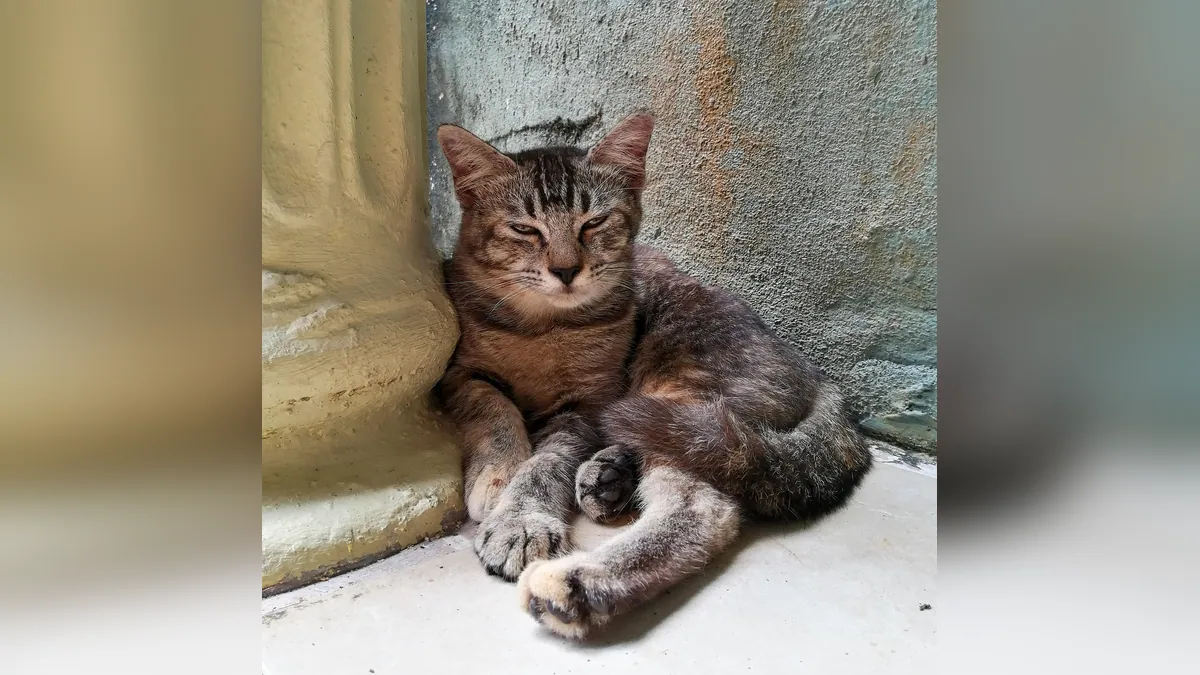
Is Lexapro toxic to cats? Yes. Lexapro (escitalopram) is a human antidepressant, and it can poison a cat even in small amounts. Cats are far more sensitive to this drug than people are, and a single dropped tablet can cause serious neurological signs.
This article is educational and is not a substitute for veterinary diagnosis or treatment.
Quick Answer
- Lexapro is toxic to cats, and there is no safe home dose you can give on your own.
- A cat that eats even part of a tablet can develop serotonin syndrome, which is a medical emergency.
- Call your veterinarian or a pet poison control hotline right away. Do not wait for symptoms to appear.
- Never try to make your cat vomit unless a veterinarian tells you to.
- Bring the pill bottle or packaging with you so the vet knows the drug and the strength.
What Is Lexapro and Why Do Veterinarians Sometimes Use It?
Lexapro is the brand name for escitalopram, a selective serotonin reuptake inhibitor (SSRI). It is used in people to treat depression and anxiety. The same class of drug is occasionally prescribed to pets for behavior problems, but it is not a common choice because of the risks involved [1].
Veterinarians sometimes use SSRIs for cats with anxiety, compulsive behaviors, or urine marking. When they do, they pick the drug and the dose carefully and monitor the cat. Lexapro is not something you should ever give your cat from your own supply.
If your cat eats a human antidepressant, that is a poisoning case, not a dosing question. For a broader look at what to do after any antidepressant ingestion, see My Cat Ate My Antidepressant: Is It an Emergency?.
How Lexapro Works in the Body
Serotonin is a chemical messenger in the brain and gut. SSRIs block the reuptake of serotonin, which means more of it stays active in the spaces between nerve cells. In people, this shift can improve mood over weeks.
In cats, the same drug can push serotonin signaling too far, especially after a large dose relative to body weight. When serotonin activity climbs too high, the result is serotonin syndrome. This is the main reason Lexapro poisoning is dangerous.
Escitalopram also affects other body systems. Research in animals shows it can change oxidative stress markers and the tryptophan pathway in the brain and blood [2]. That kind of molecular activity helps explain why the drug has wide effects beyond mood.
Dosing Basics for Cats
Who decides the dose?
Only a veterinarian decides whether your cat should take Lexapro and at what dose. The dose is calculated from your cat's weight, health status, and other medications. There is no standard over-the-counter dose, and you should not split a human pill for a cat.
How is it given?
If a veterinarian prescribes an SSRI for your cat, they will tell you the exact form and schedule. Some cats get a liquid, some get a small tablet. Follow the label exactly. Do not adjust the amount on your own.
What if you miss a dose?
Ask your veterinarian what to do about a missed dose before it happens. Do not double up to make up for a missed dose. Doubling can push serotonin levels too high.
What if your cat eats your pill by accident?
That is an overdose situation. Skip the dosing questions and go straight to the poisoning section below.
Common and Serious Side Effects
The table below covers what can happen when a cat takes an SSRI. The frequency data comes from a study of 33 cats with witnessed SSRI ingestions, including 3 cats that ate escitalopram [3].
| Side effect | How common or serious | What to do |
|---|---|---|
| Sedation or sleepiness | Most common sign in symptomatic cats (75% of 8 symptomatic cats) [3] | Call your vet or poison control. Keep the cat warm and quiet. |
| Vomiting or diarrhea | Common (50% of symptomatic cats had GI signs) [3] | Call your vet. Do not give human anti-nausea drugs. |
| Agitation, tremors, or twitching | Less common (13% of symptomatic cats had CNS stimulation) [3] | Treat as an emergency. Go to the vet now. |
| Fast or abnormal heart rate | Less common (13% of symptomatic cats had cardiovascular signs) [3] | Treat as an emergency. Go to the vet now. |
| High body temperature | Reported in symptomatic cats [3] | Treat as an emergency. Do not try to cool the cat with ice water at home. |
| Serotonin syndrome (cluster of the above) | Serious and potentially life threatening | Emergency care is needed. |
In the same study, 24% of cats (8 of 33) became symptomatic after eating an SSRI, while 76% (25 of 33) stayed asymptomatic [3]. That does not mean you can wait and see. A cat that looks fine an hour after eating a pill can still worsen.
If your cat is on another medication and you are worried about interactions, articles like What Are the Side Effects of Gabapentin for Cats? and What Are the Side Effects of Seizure Medication in Cats? explain how other drugs can add to sedation or neurological signs.
Who Should Not Take Lexapro and What Interacts With It
Cats with certain heart conditions, seizure disorders, or liver disease may not be good candidates for an SSRI. Your veterinarian will review your cat's history before prescribing anything.
Drug interactions matter a lot with SSRIs. Other serotonin-active drugs, including some pain medications and behavior drugs, can stack on top of Lexapro and raise the risk of serotonin syndrome. Monoamine oxidase inhibitors are a well-known dangerous combination in people, and the same caution applies in animals.
Never give your cat a human antidepressant because it helped you or a family member. Human medications are not designed to target the same problem areas in pets, and some are outright poisonous to cats [1]. Acetaminophen is a good example of a common human drug that causes severe damage in cats [1].
Overdose and When to Call a Veterinarian or Poison Control
Call for help immediately if your cat ate any amount of Lexapro. Do not wait for symptoms. Do not induce vomiting unless a veterinarian or poison control tells you to.
Have this information ready when you call:
- Your cat's weight and age
- The drug name and strength on the bottle
- How many pills may have been in the bottle before and after
- The time you think the ingestion happened
- Any symptoms you have already seen
Treatment for SSRI poisoning in cats is supportive. Veterinarians may use decontamination, intravenous fluids, medications to control tremors or agitation, and monitoring of heart rate and body temperature. In some poisoning cases, veterinarians use intravenous lipid emulsion therapy, and a study of 82 dogs and cats found that triglyceride levels rose about 10 times three hours after treatment, along with changes in respiratory rate and electrolytes [4]. That treatment is not right for every case, and your veterinarian will decide if it fits your cat.
If you are not sure whether the amount your cat ate is dangerous, call anyway. Poison control hotlines and emergency clinics handle these calls every day, and they would much rather talk you through a false alarm than treat a cat that waited too long.
Limitations and When to Contact a Veterinarian
Individual cases need a veterinarian. No article can tell you whether your specific cat is safe after eating a specific pill.
Call or go in the same day if your cat ate any Lexapro, even if the cat seems normal. Symptoms can start hours after ingestion.
Go to an emergency clinic now if your cat has tremors, twitching, agitation, vomiting, diarrhea, a racing heart, trouble breathing, or a body temperature that feels very warm.
Schedule a routine visit if your cat is already on a prescribed SSRI and you have questions about the dose, a missed dose, or new behavior changes. Bring the medication with you.
Frequently Asked Questions
Can a cat survive Lexapro poisoning?
Yes, many cats survive with prompt veterinary care. In one study of SSRI ingestions in cats, most cats that were brought in for treatment stayed asymptomatic, and symptomatic cats were managed with supportive care [3]. The outcome depends on how much was eaten, how fast you got help, and your cat's overall health.
How long do Lexapro poisoning symptoms take to show up in cats?
Symptoms often appear within a few hours of ingestion, but the exact timing varies by cat and by dose. Some cats show signs quickly, while others look normal at first and worsen later. Because of that, a normal-looking cat still needs veterinary evaluation after eating a pill.
Is one Lexapro pill enough to hurt a cat?
It can be. Cats are small, and escitalopram is a potent SSRI, so a single human tablet can deliver a large dose relative to a cat's body weight. Do not assume one pill is harmless. Call poison control or your veterinarian for guidance based on the pill strength and your cat's weight.
What should I do if my cat ate Lexapro and seems fine?
Call your veterinarian or a pet poison hotline right away and follow their instructions. Do not wait at home to see if symptoms develop. Bring the pill bottle with you if you are told to come in.
Can I give my cat my own Lexapro for anxiety?
No. Never give your cat a human antidepressant without a veterinarian's direction. Lexapro is occasionally prescribed to pets, but only a veterinarian can decide if it is safe and what dose to use [1]. Giving it on your own risks serotonin syndrome and other serious side effects.
Related Articles
- My Cat Ate My Antidepressant: Is It an Emergency?
- What Are the Side Effects of Apoquel for Cats?
- Therapeutic Monitoring of Antiepileptic Drugs in Dogs and Cats
- What Are the Side Effects of Seizure Medication in Cats?
- What Are the Side Effects of Gabapentin for Cats?
- Cat Allergy Medication Overdose: Signs and Emergency Steps
- Can You Give a Cat Zoloft? SSRI Safety and Risks
- Trazodone for Cats: Side Effects and Whether It Is Safe
- Alprazolam for Cats: Uses, Safety, and What It Does
References
- Are Medications Like Lexapro and. Pet Poison Helpline.
- The Effect of Chronic Mild Stress and Escitalopram on the Expression and Methylation Levels of Genes Involved in the Oxidative and Nitrosative Stresses as Well as Tryptophan Catabolites Pathway in the Blood and Brain Structures. International journal of molecular sciences, 2020.
- Selective serotonin reuptake inhibitor (SSRI) toxicosis in cats: 33 cases (2004-2010). Journal of veterinary emergency and critical care (San Antonio, Tex. : 2001), 2013.
- Clinical effects and adverse effects of intravenous lipid emulsion treatment in dogs and cats with suspected poisoning. PloS one, 2024.