Trazodone for Cats: Side Effects and Whether It Is Safe
By Dr. Zubair Khalid, DVM, MS, PhD ·
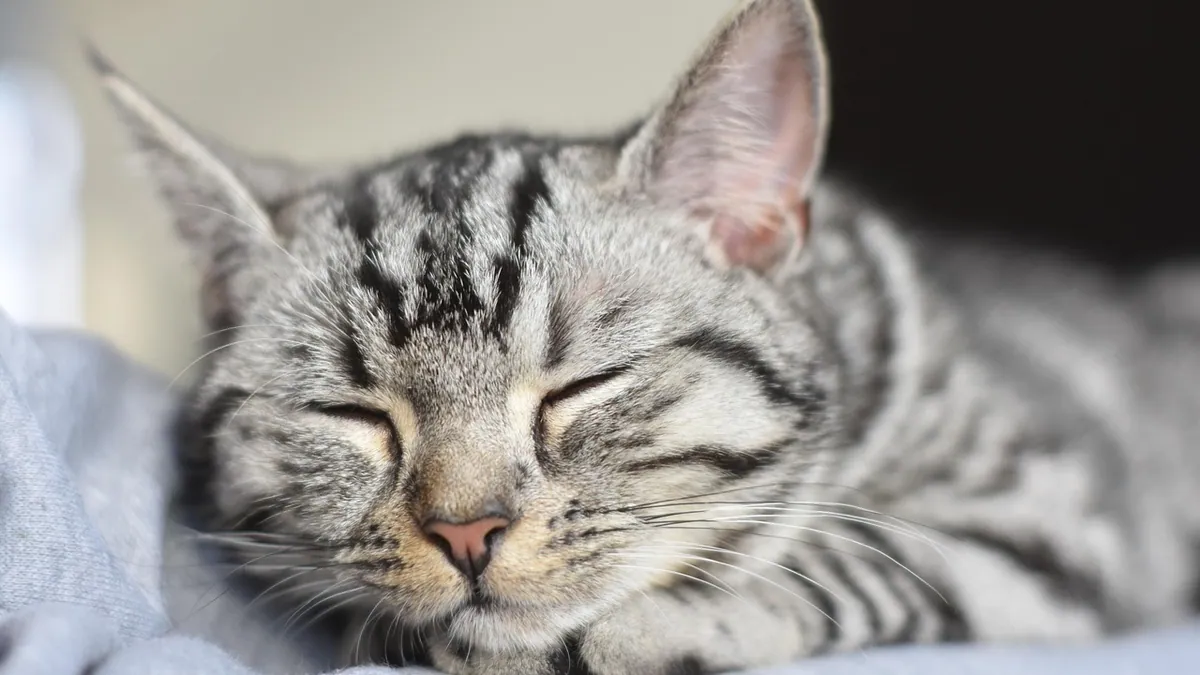
Trazodone for cats side effects are usually mild and predictable, with sleepiness and relaxed muscles topping the list. Serious problems like serotonin syndrome and overdose are uncommon but real, especially when trazodone is mixed with other medications. This article is educational and is not a substitute for veterinary diagnosis or treatment.
Quick Answer
- Trazodone is a prescription medication. Never give your cat trazodone left over from a person or another pet, and never adjust the dose on your own.
- The most expected effects are sedation, drowsiness, and a calmer cat during car rides or vet visits [1].
- Vomiting, drooling, and unsteadiness can happen. Call your vet if they are severe or do not pass.
- Tremors, agitation, rapid breathing, or a high body temperature are emergencies. These can signal serotonin syndrome.
- If you suspect an overdose, call your veterinarian or an animal poison control hotline right away. Do not wait for symptoms.
What Trazodone Is and Why Veterinarians Prescribe It
Trazodone is an oral medication that belongs to a class of drugs called serotonin receptor modulators [2]. In human medicine it is used mainly as an antidepressant. In cats, veterinarians use it off label as an anxiolytic and sedative, meaning it calms anxiety and produces drowsiness.
Veterinarians prescribe trazodone for cats in a few common situations:
- Pre-visit sedation, so a stressed cat can be examined, vaccinated, or have blood drawn with less fear [1]
- Travel and car rides for cats who panic in the carrier
- Situations that require handling, such as nail trims or grooming
- Short-term management of anxiety or stress while a behavior plan is built
A 2025 review of oral sedatives and anxiolytics in cats lists trazodone among the serotonin receptor modulators used to reduce fear and defensive behavior during capture and handling [2]. If your cat already takes another calming medication, it helps to understand how they compare. Our guide to gabapentin side effects in cats covers a drug that is often used alone or alongside trazodone.
How Trazodone Works in Cats
Trazodone changes the balance of serotonin, a chemical messenger in the brain that helps regulate mood, arousal, and sleep. By modulating serotonin receptors, the drug dampens the anxiety response and makes a cat less reactive to stressful triggers.
The sedation you see is a direct effect of that brain chemistry change. In a study of healthy adult cats, sedation scores rose significantly after oral trazodone compared with baseline, while muscle relaxation and pain relief scores did not change [3]. In other words, trazodone makes cats sleepy and calm, but it is not a pain reliever and it does not fully relax the muscles the way some anesthetics do.
Trazodone also has mild effects on the cardiovascular system. In the same study, a single 100 mg dose produced an average drop of about 22 mmHg in systolic blood pressure at one time point, but the reading stayed within the normal range [3]. Pulse rate did not change significantly across doses [3]. This matters because it tells us trazodone has a real but usually modest effect on circulation in healthy cats.
Dosing Basics: Who Decides and How It Is Given
Your veterinarian decides the dose. Trazodone dosing in cats is not standardized in the way some medications are, and the right amount depends on your cat's weight, health status, age, and the reason for use. Never split a human tablet and guess at the amount.
In research settings, doses have varied widely. One study used oral trazodone at 5 mg/kg [4]. Another used a mean dose of about 12.1 mg/kg [5]. A third evaluated 50 mg, 75 mg, and 100 mg doses in healthy cats [3]. These numbers come from controlled studies, not from a dosing chart for your pet. Your veterinarian will calculate what is appropriate for your cat.
Trazodone is given by mouth, usually as a tablet. It is often given one to two hours before a stressful event so it has time to take effect. Some cats take it with food to reduce stomach upset. Ask your vet whether food matters for your cat.
If you miss a dose, do not double up. Give the next dose at the scheduled time, or call your veterinarian for guidance if you are unsure. If you accidentally give too much, treat it as a possible overdose and call for advice immediately.
Trazodone for Cats Side Effects: What to Expect
Most side effects are mild and fade as the drug wears off. The table below separates the common from the serious.
| Side effect | How common or serious | What to do |
|---|---|---|
| Sleepiness and sedation | Expected and common [3][1] | Normal. Let your cat rest in a quiet, safe spot. |
| Calmer behavior during stress | Expected and common [1] | This is the goal of treatment. |
| Vomiting | Possible, usually mild | Withhold food for a short time and call your vet if it repeats. |
| Drooling or lip smacking | Possible, usually mild | Watch for other signs. Call your vet if it continues. |
| Unsteadiness or wobbling | Possible with higher doses | Keep your cat away from stairs and heights. Call your vet if it is marked. |
| Low blood pressure | Mild and usually within normal range [3] | Your vet may check blood pressure if your cat has heart disease. |
| Agitation or restlessness | Uncommon but concerning | Stop the medication and call your vet. |
| Tremors, twitching, rigid muscles | Emergency sign | Call your vet or poison control now. |
| Rapid breathing, high body temperature | Emergency sign | Go to a veterinary emergency clinic. |
Vomiting is one of the side effects owners ask about most. In a study of dogs given trazodone before surgery, dogs that received the drug had fewer vomiting episodes after premedication than the control group [6]. That finding is from dogs, not cats, so it does not prove trazodone prevents vomiting in cats. It does suggest the drug is not a strong cause of vomiting in every patient. If your cat vomits repeatedly, becomes lethargic in a way that worries you, or cannot keep water down, call your veterinarian.
Sedation is the effect you are paying for, but too much of it is a problem. A deeply sedated cat who cannot be roused, who breathes slowly, or who feels cold to the touch needs veterinary attention. Mild sleepiness that still lets your cat lift her head and respond to you is different from a cat who will not wake up.
Serious Side Effects: Serotonin Syndrome and Other Emergencies
Serotonin syndrome
Serotonin syndrome is a rare but serious reaction caused by too much serotonin activity in the body. It can happen when trazodone is given with other drugs that also raise serotonin, or when too much trazodone is given. Signs include agitation, tremors, muscle twitching, rigid limbs, rapid heart rate, rapid breathing, vomiting, diarrhea, and a high body temperature.
Serotonin syndrome is a medical emergency. If you see these signs, stop the medication and contact your veterinarian or an animal poison control hotline immediately. Do not wait to see if it passes.
Overdose
Trazodone overdose in cats can cause profound sedation, weakness, unsteadiness, vomiting, tremors, and dangerous changes in heart rate, blood pressure, and body temperature. The margin between a therapeutic dose and a toxic dose is not well established in veterinary research for cats, which is one more reason to never adjust the dose yourself.
If your cat ate trazodone tablets or received more than the prescribed amount, call your veterinarian right away. You can also call an animal poison control hotline. Have the bottle with you so you can tell them the strength of the tablets and how many your cat may have taken.
Other emergencies
Call for urgent help if your cat has trouble breathing, collapses, has a seizure, develops a very high body temperature, or becomes unresponsive. These signs are not typical side effects and need same-day or emergency care.
Who Should Not Take Trazodone and What Interacts With It
Trazodone is not right for every cat. Your veterinarian will weigh the risks if your cat has:
- Heart disease or low blood pressure, since trazodone can lower blood pressure [3]
- Liver or kidney disease, which can change how the drug is cleared
- A history of seizures
- Pregnancy or nursing, where safety is not well established
- An allergy to trazodone or similar drugs
Drug interactions matter a great deal with trazodone. The biggest concern is combining it with other medications that increase serotonin. This includes certain antidepressants, some pain medications, and other behavior drugs. The risk of serotonin syndrome rises when these are used together.
Trazodone is also commonly combined with gabapentin for sedation before vet visits. A 2024 study found that trazodone, gabapentin, and their combination all produced sedation in healthy cats, and the combination increased sedation scores [4]. A separate 2025 study found that trazodone combined with gabapentin increased sedation scores with only mild effects on heart and blood vessel measurements in healthy cats [5]. These combinations should only be used under veterinary direction, because the sedative effect can stack.
Always tell your veterinarian every medication, supplement, and topical product your cat receives. That includes flea and tick products, heartworm preventives, herbal remedies, and anything you give for allergies. If your cat takes medication for a skin or allergy problem, our article on cat allergy medication side effects explains what to watch for. If your cat takes antiseizure drugs, see seizure medication side effects in cats for interaction and monitoring tips.
Monitoring Your Cat at Home
You are the best monitor your cat has. Before the first dose, note your cat's normal behavior, appetite, and energy level. After giving trazodone, stay home for a few hours if you can.
Watch for:
- How deeply your cat sleeps and whether she wakes when you call her
- Whether she can walk without wobbling
- Breathing rate and effort
- Appetite and water intake
- Vomiting, drooling, or diarrhea
- Any change in personality, such as unusual agitation
Keep a simple log of the time you gave the dose and what you observed. This information helps your veterinarian adjust the plan. If the sedation is too deep or too light, that is useful feedback, not a failure.
Do not leave a sedated cat unsupervised on high furniture, near stairs, or outdoors. Sedated cats can fall or wander into danger.
Limitations and When to Contact a Veterinarian
Trazodone research in cats is still limited. Many dosing decisions rely on clinical experience and studies in healthy cats, so individual cats can respond differently. Your veterinarian is the only one who can judge what is safe for your cat.
Contact your veterinarian the same day if:
- Your cat vomits more than once or cannot keep water down
- Sedation seems deeper than expected, or your cat is hard to rouse
- Your cat is unsteady on her feet
- You see drooling, lip smacking, or unusual restlessness
- You missed a dose or gave it at the wrong time and are unsure what to do
Go to an emergency clinic or call a poison control hotline now if:
- Your cat has tremors, twitching, or rigid muscles
- Your cat is agitated, pacing, or panting heavily
- Breathing is fast, labored, or very slow
- Your cat collapses, has a seizure, or will not wake up
- You know or suspect an overdose
Schedule a routine visit if the medication is not working well enough, if you want to discuss a different dose, or if you need a refill. Never stop a behavior medication abruptly without talking to your vet first, since some drugs need to be tapered.
Frequently Asked Questions
Can cats have trazodone?
Yes, veterinarians prescribe trazodone for cats, but only under veterinary supervision. It is used off label, which means it is not specifically approved by the FDA for cats. Your veterinarian can legally prescribe it and will decide whether the benefits outweigh the risks for your cat.
How long does trazodone sedation last in cats?
The duration varies by cat, dose, and individual metabolism, and it is not precisely established in veterinary research. Sedation typically builds within the first couple of hours after an oral dose and gradually wears off. Your veterinarian can tell you what to expect for the dose your cat receives.
Can trazodone make my cat vomit?
Vomiting is possible but is not the most common side effect. Some cats vomit from the medication itself, and some vomit because of stress or an empty stomach. If vomiting repeats or your cat seems unwell, call your veterinarian.
What are the signs of serotonin syndrome in cats?
Signs include agitation, tremors, muscle twitching, rigid limbs, rapid breathing, rapid heart rate, vomiting, diarrhea, and a high body temperature. These signs can appear within hours of a dose, especially if trazodone was combined with another serotonin-raising drug. Treat them as an emergency and seek help right away.
What should I do if my cat takes too much trazodone?
Call your veterinarian or an animal poison control hotline immediately, even if your cat seems fine at first. Have the medication bottle nearby so you can report the tablet strength and the number of tablets involved. Do not try to make your cat vomit unless a veterinarian tells you to.
Related Articles
- What Are the Side Effects of Apoquel for Cats?
- What Are the Side Effects of Seizure Medication in Cats?
- Cat Allergy Medication Side Effects: What to Watch For
- What Are the Side Effects of Gabapentin for Cats?
- Trazodone for Dog Anxiety: How It Works and What to Expect
- Cat Prednisolone for Allergies: Side Effects and Safe Use
- Trazodone Dosage for Cats: What Owners Should Know
- How Long Does Trazodone Last in Cats? Daily Use Explained
- Trazodone for Cats: Travel Dosing and Milligrams Explained
References
- Do cats receiving pre-appointment trazodone experience less stress during veterinary visits?. Veterinary evidence, 2025.
- Oral use of anxiolytic, sedative, and anaesthetic medications in domestic cats (Felis catus): A scoping review. Veterinary journal (London, England : 1997), 2026.
- Effect of oral administration of trazodone on physiological and echocardiographic variables in cats. Journal of feline medicine and surgery, 2025.
- Evaluation of the sedative properties of oral trazodone, gabapentin or their combination in healthy cats. Journal of feline medicine and surgery, 2024.
- Trazodone-gabapentin association increases sedation scores with mild hemodynamic and echocardiographic impact in healthy cats. Topics in companion animal medicine, 2025.
- A Preliminary Study: Evaluation of Oral Trazodone as a Strategy to Reduce Anesthetic Requirements in Bitches Undergoing Ovariectomy. Animals : an open access journal from MDPI, 2025.