Alprazolam for Cats: Uses, Safety, and What It Does
By Dr. Zubair Khalid, DVM, MS, PhD ·
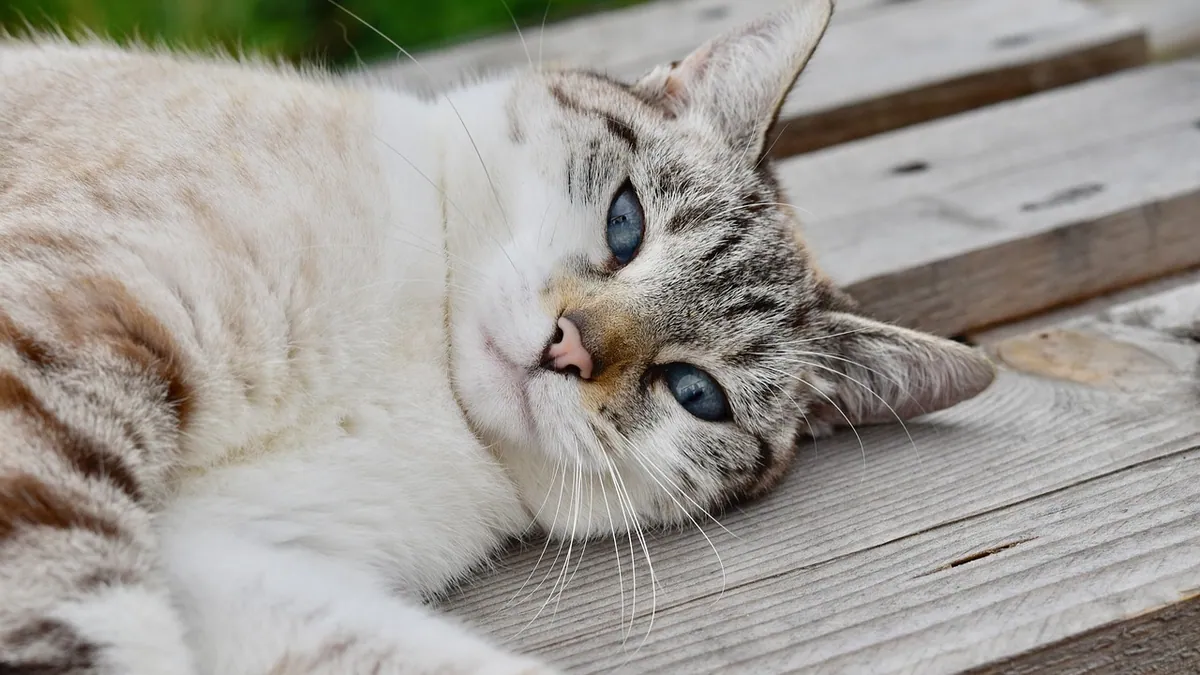
Alprazolam uses for cats center on short-term anxiety and stress relief, most often before veterinary visits, procedures, or hospitalization. It is a prescription benzodiazepine, which means it is not safe to give on your own and the dose must come from a veterinarian who knows your cat. This article is educational and is not a substitute for veterinary diagnosis or treatment.
Quick Answer
- Alprazolam is a benzodiazepine sedative and anti-anxiety drug used in cats, and it is available only by prescription [1].
- In cats, it has been studied at 0.125 mg per cat for short-term stress and sedation around surgery and hospitalization [2][3].
- It reduces stress and causes sedation, and it may increase appetite after surgery [2].
- It is not a pain reliever, and it does not replace proper veterinary care for a sick or blocked cat.
- Never give your cat alprazolam from your own medicine cabinet or adjust the dose yourself. Call your veterinarian or a poison control hotline if a cat swallows a human dose.
What Alprazolam Is and What Veterinarians Use It For
Alprazolam is a benzodiazepine, the same drug family as diazepam (Valium). In people it is sold under brand names like Xanax. In cats, veterinarians use it for short-term anxiety and stress, especially around events that frighten cats, such as car rides, clinic visits, and hospitalization [1][2].
Research in cats has focused on the period right before and right after surgery. In one randomized study, cats received either gabapentin, alprazolam, or a placebo twice daily for two days during short-term postoperative hospitalization. Both drugs reduced stress levels compared with placebo, and the cats given alprazolam ate significantly more food on the first day after surgery [2]. A separate study found that a single dose of alprazolam given before elective spay surgery produced sedation and lowered stress scores compared with no medication [3].
Veterinarians also use alprazolam as part of a broader anxiety plan. If your cat panics during thunderstorms, fireworks, travel, or vet visits, your veterinarian may discuss alprazolam along with other options. For a fuller look at behavior medications, see Cat Anxiety Medication: What You Need to Know.
Alprazolam for blocked cats
A blocked cat (a cat who cannot urinate because of a urethral obstruction) is a medical emergency. Alprazolam is not a treatment for a blockage, and it will not open the urinary tract. Sedatives may sometimes be used in a hospital setting to reduce stress while a veterinarian places a catheter and stabilizes the cat, but that decision belongs to the veterinarian on duty. If your cat is straining to urinate, crying, or producing little or no urine, go to a veterinarian right away.
Transdermal alprazolam in cats
Transdermal means the drug is absorbed through the skin, usually from a gel applied to the inner ear. This route is sometimes discussed for cats who are hard to pill. The research summarized here looked at oral alprazolam, not transdermal forms [2][3][4]. Absorption through cat skin can be unpredictable, so do not assume a transdermal product works the same way as a pill. If your veterinarian prescribes a transdermal medication, follow their instructions exactly and ask how they will judge whether it is working.
Alprazolam compared with diazepam for cats
Diazepam is another benzodiazepine used in cats. It has been used for anxiety, muscle relaxation, and appetite stimulation, and it is also given intravenously for seizures and some toxicities. Oral diazepam has been linked to rare but serious liver injury in cats, which is one reason veterinarians often choose other drugs. Benzodiazepines as a group appear in the veterinary literature on oral sedation and anxiety medications in cats [4]. Your veterinarian will pick the specific drug based on your cat's health, age, and the problem being treated.
How Alprazolam Works
Alprazolam boosts the effect of GABA, a natural chemical in the brain that calms nerve activity. The result is less anxiety, less fear-based behavior, and some sedation. In cats, this shows up as a calmer body posture, less hiding or hissing, and easier handling during stressful events [2][3].
The calming effect is not the same as pain relief. In the postoperative study, cats given gabapentin had lower pain scores, while cats given alprazolam did not show that pain benefit [2]. That is a useful distinction. If your cat is painful, alprazolam alone will not fix it.
Sedation from alprazolam in cats is real and measurable. In one study, alprazolam and gabapentin produced similar sedation levels 90 minutes after treatment, and both differed significantly from placebo [3]. Another study found that cats pretreated with either drug had higher sedation scores than cats given a placebo before anesthesia [5]. Expect a sleepy, relaxed cat, not a fully alert one.
Dosing Basics: Who Decides and How It Is Given
Your veterinarian decides the dose. Never use a dose from a friend, a website, or a human prescription. The exact amount depends on your cat's weight, age, health conditions, other medications, and the reason for treatment.
In the cat studies described here, the dose was 0.125 mg per cat, given by mouth, and in one study it was repeated twice daily for two days [2][3][5]. That number is a research dose, not a prescription for your cat. A veterinarian may choose a different amount based on your cat's situation.
Alprazolam is usually given by mouth as a tablet. Some cats take it in a small treat or pill pocket, and some need a pill gun or a compounding pharmacy that can make a flavored liquid. Ask your veterinarian about the best method for your cat.
If you miss a dose, do not double up. Give the next dose at the normal time, or call your veterinarian for guidance. If you are not sure whether your cat swallowed the pill, treat it as a missed dose and call your vet instead of giving a second one.
Do not stop a regularly scheduled anxiety medication suddenly without talking to your veterinarian first. Benzodiazepines can cause rebound anxiety or other withdrawal effects when stopped abruptly.
Common and Serious Side Effects
| Side effect | How common or serious | What to do |
|---|---|---|
| Sleepiness and sedation | Common and expected. In studies, alprazolam produced sedation similar to gabapentin and greater than placebo [3][5] | Keep your cat quiet and safe. Avoid stairs, high furniture, and open doors |
| Increased appetite | Seen in cats after surgery in one study [2] | Usually harmless. Tell your vet if your cat eats far more than usual |
| Unsteady walking, wobbling | Possible with sedation | Confine your cat to a safe, low area until the effect wears off |
| Vomiting or drooling | Possible, especially if a pill is bitter | Call your vet if it continues or your cat refuses food and water |
| Agitation or the opposite of calm | Uncommon but possible with benzodiazepines | Stop the medication and call your vet |
| Slow or noisy breathing, extreme weakness, collapse | Serious | Treat as an emergency. Call your vet or a poison control hotline right away |
Some cats become more relaxed and friendly on alprazolam. A few become restless or irritable instead. Every cat responds differently, so watch your cat closely the first time you give any new medication.
If your cat takes seizure medication as well, ask your veterinarian about how the drugs interact. For general information on that topic, see What Are the Side Effects of Seizure Medication in Cats?.
Who Should Not Take It and Drug Interactions
Alprazolam is not right for every cat. Tell your veterinarian about all medications, supplements, and topical products your cat receives, including flea and tick products.
Cats who may need extra caution or a different drug include:
- Cats with liver or kidney disease, because the body clears the drug more slowly.
- Cats with glaucoma, since benzodiazepines can affect eye pressure.
- Pregnant or nursing cats.
- Very young kittens, whose bodies handle drugs differently.
- Cats already sedated by another medication, because the effects can stack.
Drug interactions matter. Alprazolam can add to the sedation caused by opioids, other sedatives, antihistamines, and some anesthetics. In one study, cats pretreated with alprazolam or gabapentin needed less propofol for anesthesia, which shows how strongly these drugs can combine [5]. Never mix alprazolam with alcohol, human sleep aids, or any sedating drug unless your veterinarian directs it.
If your cat takes gabapentin, ask whether the combination is appropriate. Gabapentin is used often in cats for stress and pain, and it appears throughout the oral sedation literature [4][6]. For more on that drug, see Gabapentin for Cat Anxiety: How It Works and What to Expect and Gabapentin For Cats.
Overdose and When to Call for Help
An overdose of alprazolam can cause heavy sedation, wobbliness, vomiting, slow breathing, low blood pressure, and in severe cases collapse or coma. Cats are small, so a tablet meant for a person can be a large dose for a cat.
If you think your cat ate alprazolam, or any human medication, act right away. Do not wait for symptoms to appear. Call your veterinarian or one of these hotlines:
- ASPCA Animal Poison Control Center: (888) 426-4435
- Pet Poison Helpline: (855) 764-7661
Have the medication bottle with you so you can tell them the strength and how much may have been eaten. Do not try to make your cat vomit unless a veterinarian tells you to.
Limitations and When to Contact a Veterinarian
Alprazolam is a short-term tool for anxiety and stress, not a cure for a behavior problem or a medical illness. It also has limits. The research on oral alprazolam in cats is focused on short hospital stays and pre-surgery sedation, so there is less evidence for long-term daily use at home [2][3][4]. Palatability and practical dosing can also be a challenge with oral medications in cats [4].
Contact your veterinarian the same day if your cat:
- Seems overly sedated, wobbly, or hard to wake.
- Vomits, drools heavily, or stops eating and drinking.
- Becomes agitated, restless, or more anxious after a dose.
- Has a dose change or a missed dose you are unsure about.
Go to an emergency clinic now if your cat:
- Breathes slowly, noisily, or with effort.
- Collapses, cannot stand, or seems unresponsive.
- May have eaten several pills or a human-strength dose.
- Is straining to urinate or cannot urinate at all.
Schedule a routine visit if the anxiety or behavior problem is not improving, if you are running out of medication, or if you want to discuss other options. Individual cats respond differently, and your veterinarian needs to see your cat to make the right call.
Frequently Asked Questions
Is alprazolam safe for cats?
Alprazolam can be safe for cats when a veterinarian prescribes it at the right dose for the right reason. It is a controlled prescription drug, and giving it without veterinary guidance can cause serious sedation or other harm. Never use your own prescription or a dose meant for a person or another pet.
What does alprazolam do to a cat?
It reduces anxiety and fear and causes sedation. In studies of cats around surgery, it lowered stress scores and produced measurable sedation compared with placebo. It may also increase appetite in the days after surgery.
Can I give my cat my own Xanax?
No. Human tablets come in strengths far above what a cat would normally receive, and the wrong amount can cause dangerous sedation. Call your veterinarian or a poison control hotline right away if your cat ate one of your pills.
How long does alprazolam last in a cat?
The calming and sedative effects usually last several hours, but the exact duration varies with your cat's size, health, and other medications. Ask your veterinarian how long to expect the effects to last and when it is safe for your cat to be active again.
Can alprazolam be used for a cat who cannot urinate?
No. A cat who cannot urinate has a life-threatening emergency and needs immediate veterinary care, not a sedative at home. Alprazolam does not treat a urinary blockage, and delaying treatment can be fatal.
Related Articles
- Cat Anxiety Medication: What You Need to Know
- Gabapentin for Cat Anxiety: How It Works and What to Expect
- What Are the Side Effects of Seizure Medication in Cats?
- Gabapentin For Cats
- What Are the Side Effects of Apoquel for Cats?
- Can You Give Your Cat Benadryl? Dosage and Safety Guide
- Diazepam and Alprazolam Side Effects in Cats
- Diazepam for Cats: Dosage, Uses, and Safety
- Alprazolam Dose for Cats: Why Weight Charts Mislead
References
- Xanax and Cats. Pet Poison Helpline.
- Use of Gabapentin or Alprazolam in Cats during Postoperative, Short-Term Hospitalization. Animals : an open access journal from MDPI, 2024.
- Orally administered gabapentin and alprazolam induce comparable levels of anxiolysis and sedation in cats. Journal of the American Veterinary Medical Association, 2024.
- Oral use of anxiolytic, sedative, and anaesthetic medications in domestic cats (Felis catus): A scoping review. Veterinary journal (London, England : 1997), 2026.
- Gabapentin and alprazolam pretreatment enhance sedation and reduce propofol requirements but do not improve intravenous catheter placement in cats undergoing elective ovariohysterectomy. Journal of the American Veterinary Medical Association, 2025.
- Comparison of the Anxiolytic and Analgesic Effects of Gabapentin and Pregabalin in Cats: A Systematic Review. Animals : an open access journal from MDPI, 2025.