Kitten Sick After Flea Treatment: What to Do
By Dr. Zubair Khalid, DVM, MS, PhD ·
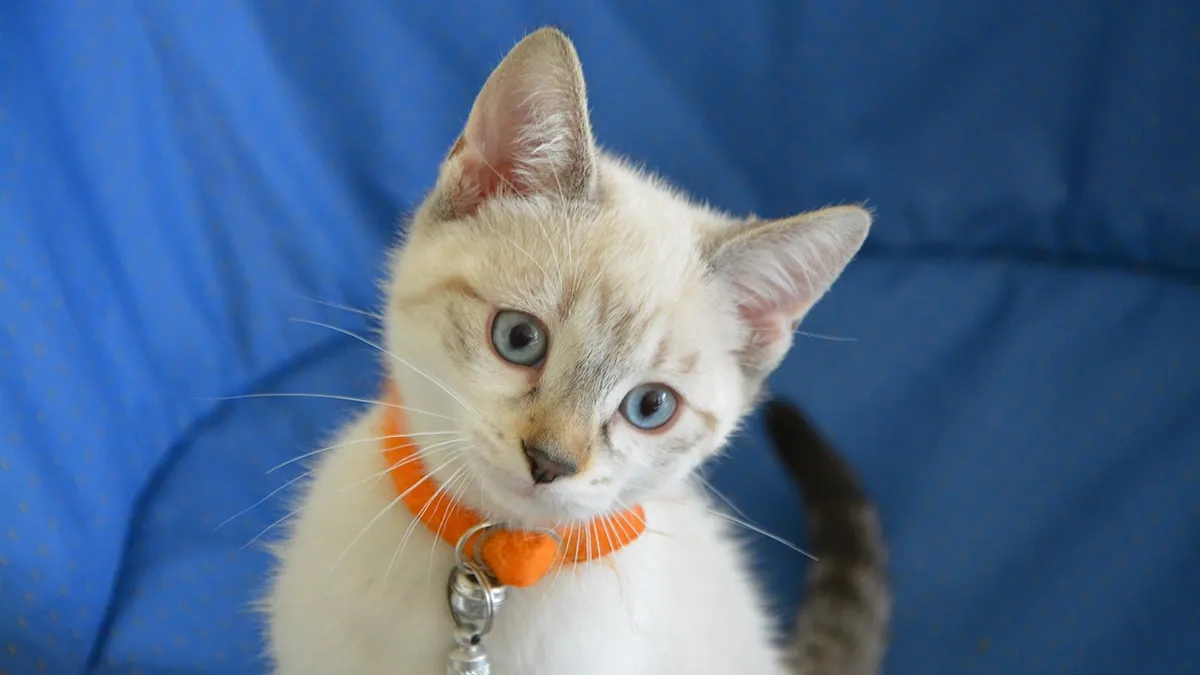
If your kitten seems sick after flea treatment, stop and call your veterinarian or a pet poison hotline right away. Kittens are far more sensitive to flea products than adult cats, and small body size makes even a small exposure serious. This article explains why a kitten sick after flea treatment needs fast attention, which ingredients cause problems, and what you can safely do at home while you wait for advice.
This article is educational and is not a substitute for veterinary diagnosis or treatment.
Quick Answer
- Call your veterinarian or a pet poison hotline immediately if your kitten is vomiting, drooling, twitching, or acting wobbly after a flea product. Do not wait to see if it passes.
- Most mild reactions (drooling, foaming at the mouth, vomiting) happen when a kitten licks wet flea medicine off its coat. The bitter taste and the ingredients both cause this [1][2].
- If the product is still wet on the skin, you can bathe your kitten in liquid dish soap, such as Dawn, to remove it [1][3].
- Never use a flea product labeled for dogs on a cat, and never use an adult cat dose on a kitten without your veterinarian's approval.
- Offer fresh water and a small amount of wet food or tuna to help mask the bad taste, but do not force your kitten to eat or drink [1][2].
What Flea Medicine Is and Why Veterinarians Use It
Flea products are medications that kill fleas or stop them from reproducing. They come as spot-on liquids you squeeze onto the skin between the shoulder blades, as shampoos, as sprays, and as oral tablets. Fleas are the most common external parasite on cats worldwide, and they cause skin problems and spread disease, so treating and preventing them matters [4].
Veterinarians use these products for two jobs. The first is to kill fleas that are already on your kitten. The second is to keep new fleas from taking hold. Some products also treat other parasites at the same time. For example, a topical formula combining fipronil, moxidectin, and praziquantel has been studied for controlling flea infestation in cats [5]. Fipronil combined with (S)-methoprene has also been studied for reducing the spread of flea-borne bacteria among cats [6].
Flea control is not only about your kitten's comfort. Fleas can carry pathogens that affect both animals and people, which is one reason veterinarians take flea prevention seriously [4]. You can read more about choosing products in Cat Flea Treatment.
How Flea Products Work
Topical flea and tick medications have two main parts: the active ingredients that kill parasites, and a carrier that helps the product stick to your cat's skin [1][2]. The carrier is why the liquid stays where you put it instead of running off.
Different active ingredients work in different ways. Some attack the flea's nervous system. Others stop flea eggs and larvae from developing. Because fleas have developed resistance to some common ingredients over time, no single product works perfectly for every flea population [7]. That is one reason your veterinarian may rotate products or recommend a combination.
For your kitten, the important point is this: the medicine is designed to sit on the skin, not inside the mouth. When a kitten grooms and swallows the product before it dries, the medicine goes into the body through the gut instead of staying on the surface. That is when many reactions start [1][2].
Dosing Basics for Kittens
Who decides the dose
Your veterinarian decides the dose. They calculate it from your kitten's weight, age, and health, and they pick a product approved for kittens. Do not guess a dose, split an adult product, or borrow a product from another pet. Kittens are not small adult cats. Their liver and nervous system are still developing, and their body weight changes quickly.
How it is given
Spot-on products go on the skin at the back of the neck, in a spot your kitten cannot easily lick. Part the fur so the liquid reaches the skin, not just the hair. Keep your kitten away from other pets until the product dries, because a housemate can lick it off and get sick too [2].
Missed doses
If you miss a dose, do not double up. Call your veterinarian and ask how to get back on schedule. Giving two doses close together raises the chance of a reaction, especially in a kitten.
Common and Serious Side Effects
| Side effect | How common or serious | What to do |
|---|---|---|
| Drooling, foaming at the mouth | Common after licking wet product, usually mild | Offer fresh water and wet food or tuna to mask the taste [1][2] |
| Vomiting | Common after ingestion, can be mild or serious | Call your veterinarian, especially if it repeats [1][3] |
| Agitation, hyperactivity | Common after ingestion, usually short-lived | Keep your kitten calm and away from other pets, call your vet if it continues [1][2] |
| Excessive salivation | Common, tied to the bitter taste | Rinse the mouth gently with water, offer food [1][3] |
| Tremors, wobbling, twitching | Less common but serious | Emergency care now |
| Trouble breathing, collapse, seizures | Rare but life-threatening | Emergency care now |
The mild signs on this list usually trace back to the bitter taste of the product or to a small amount swallowed during grooming [1][3]. The serious signs point to the active ingredient reaching the nervous system in a harmful amount. You cannot tell the difference from the outside, so when in doubt, call.
Which Ingredients Are Dangerous for Kittens
Permethrin and other pyrethroids
Permethrin is the ingredient that causes the most severe reactions in cats. It is common in dog flea products, and cats are far more sensitive to it than dogs. Never apply a dog product to a cat or kitten. If a product label lists permethrin, do not use it on any cat.
Fipronil
Fipronil is widely used in cat flea products and appears in many studied formulas [6][5]. It is generally safe when used at the correct dose for the correct age and weight. Problems come from using too much, using a dog-strength product, or letting a kitten swallow it before it dries [1][2].
Other ingredients
Fleas have shown resistance to several common ingredients, including fipronil, imidacloprid, flumethrin, and propoxur, in some populations [7]. Resistance is a reason products sometimes fail, not a reason they become toxic. Toxicity still comes down to the wrong product, the wrong dose, or ingestion.
If you are unsure what is safe to use around a kitten, see Home Flea Treatment Safe For Kittens and Cat Flea Treatment Safety.
Who Should Not Take These Products
Flea products are not right for every kitten. Your veterinarian may delay treatment or choose a different product if your kitten is:
- Younger than the minimum age on the label
- Underweight or failing to gain weight
- Sick with vomiting, diarrhea, or a fever
- Taking other medications
- Known to have reacted badly to a flea product before
Tell your veterinarian about every product your kitten receives, including supplements and anything you bought without a prescription. Drug interactions with flea products are not well established in veterinary research for every combination, so your veterinarian will weigh your kitten's full medication list before choosing a product.
Overdose and When to Call for Help
An overdose can happen in several ways. You might apply too much, use a dog product, apply a second dose too soon, or your kitten might groom off a full dose from itself or a housemate [2].
Call for help right away if you suspect an overdose, even if your kitten looks fine. Signs can take hours to appear.
Contact one of these:
- Your veterinarian or the nearest emergency veterinary hospital
- ASPCA Animal Poison Control Center: (888) 426-4435
- Pet Poison Helpline: (855) 764-7661
Have the product packaging with you when you call. The hotline staff will ask for the product name, the active ingredients, how much was applied, and your kitten's weight.
While you wait, you can bathe your kitten in liquid dish soap, such as Dawn, to remove product still on the skin [1][3]. Use lukewarm water, keep your kitten warm, and dry it gently. Do not induce vomiting unless a veterinarian tells you to.
Limitations and When to Contact a Veterinarian
This article cannot tell you whether your specific kitten is in danger. Individual cases need a veterinarian who can examine your kitten, weigh it, and decide on treatment.
Call or go in the same day if your kitten:
- Vomits more than once
- Drools heavily or foams at the mouth for more than a short time
- Seems agitated, restless, or unusually sleepy
- Refuses to eat or drink
- Has diarrhea
Go to an emergency clinic now if your kitten:
- Trembles, twitches, or has a seizure
- Walks wobbly or cannot stand
- Breathes fast, hard, or with an open mouth
- Collapses or seems unresponsive
- Has pale or blue gums
Schedule a routine visit if:
- Your kitten had a mild reaction that resolved, and you want a safer product for next time
- You are not sure which flea products are safe for your kitten's age and weight
- Fleas keep coming back despite treatment
Timing matters. Mild taste-related signs often settle within hours, but nervous system signs can worsen quickly. When you are unsure which category your kitten falls into, treat it as an emergency.
Frequently Asked Questions
How long do flea treatment reactions last in kittens?
Mild reactions tied to the bitter taste, such as drooling and foaming, often fade within a few hours once the product is removed and the mouth is rinsed. Reactions that involve the nervous system can last longer and may worsen without treatment. If signs are still present after a few hours, or if they are getting worse, call your veterinarian.
Can I give my kitten a bath after flea treatment?
Yes, if you are worried about the product, you can bathe your kitten in liquid dish soap, such as Dawn, to strip it off the skin [1][3]. Use lukewarm water and keep your kitten warm afterward. Bathing removes product from the coat, but it does not undo medicine already absorbed, so still call your veterinarian if your kitten seems sick.
Is it normal for a kitten to drool after flea medicine?
Drooling is a common reaction when a kitten licks wet flea product off its coat [1][3]. The bitter taste triggers it, and it often comes with foaming at the mouth. Offer fresh water and a small amount of wet food or tuna to help mask the taste, and call your veterinarian if it does not settle.
What should I do if my kitten licked flea treatment off another pet?
Call your veterinarian or a pet poison hotline right away. Kittens can absorb a meaningful amount of medication by grooming a treated housemate before the product dries [2]. Keep the treated pet separated until the product is fully dry, and have the product name and ingredients ready when you call.
Can I use dog flea medicine on my kitten?
No. Dog flea products, especially those containing permethrin, can cause severe and sometimes fatal reactions in cats and kittens. Only use a product your veterinarian has approved for your kitten's species, age, and weight. If a dog product was applied by mistake, treat it as an emergency and call for help immediately.
Related Articles
- Home Flea Treatment Safe For Kittens
- Cat Flea Treatment
- Cat Flea Treatment Safety
- Good Cat Flea Treatment
- Flea Treatment For Cats
- Is It Normal For Dogs To Itch After Flea Treatment
- Cat Licked Flea Medicine: What to Do Right Now
- Cat Lethargic After Flea Treatment or Vet Visit
- Cat Jumpy After Flea Treatment: Is It Normal?
References
- Why Is My Cat Vomiting After Flea. Pet Poison Helpline.
- My Cat Had a Bad Reaction to Flea. Pet Poison Helpline.
- Flea Medicine Side Effects on Cats. Pet Poison Helpline.
- Knowledge and practices of dog and cat owners in Mainland Portugal regarding fleas, flea-borne pathogens, and their management. Parasites & vectors, 2025.
- Efficacy of a topical formulation combining fipronil, moxidectin, and praziquantel (Banni3) in controlling flea infestation in cats. Frontiers in veterinary science, 2025.
- Fipronil and (S)-methoprene can lessen the risk of transmission of Bartonella clarridgeiae among cats with exposure to Ctenocephalides felis. American journal of veterinary research, 2024.
- Investigation of knockdown resistance mutations in Ctenocephalides felis samples from the cat populations of Istanbul Province. Polish journal of veterinary sciences, 2025.