How to Give Buprenorphine to a Cat: Step-by-Step
By Dr. Zubair Khalid, DVM, MS, PhD ·
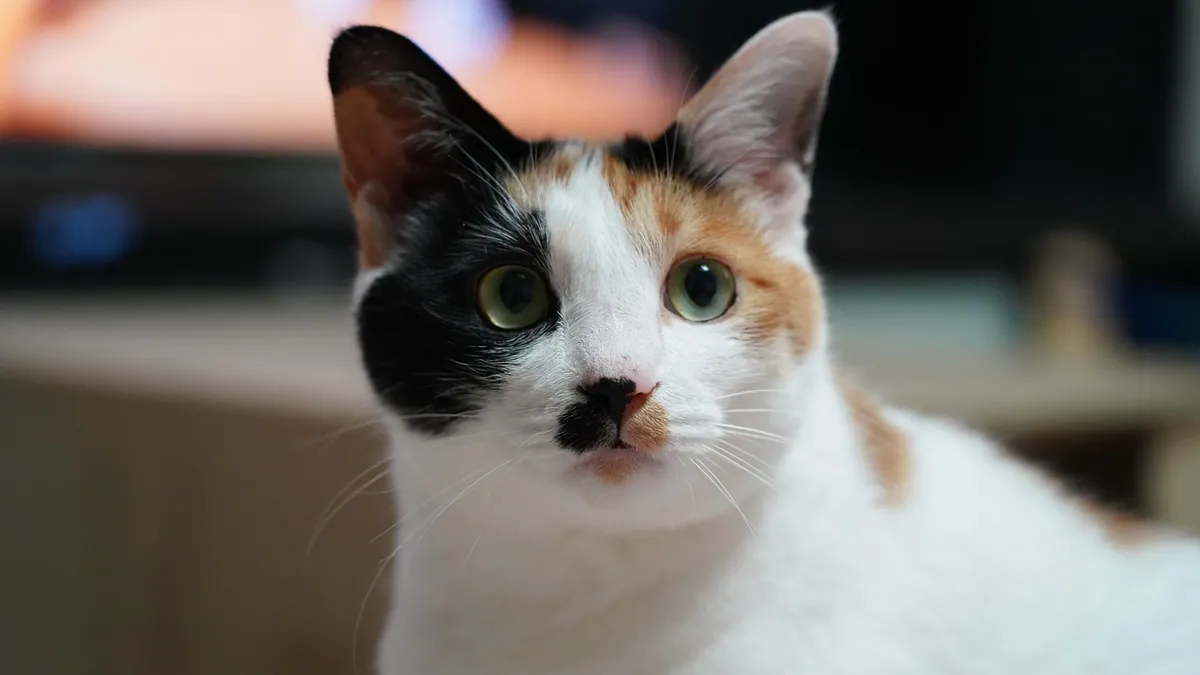
Buprenorphine for cats is usually given by mouth into the cheek pouch, where it absorbs through the gum and cheek lining instead of being swallowed. You place the liquid between the cheek and the gum, let your cat swallow naturally, and avoid squirting it straight down the throat. This article is educational and is not a substitute for veterinary diagnosis or treatment.
Quick Answer
- Buprenorphine is a prescription opioid pain reliever for cats, and it is most often given as a liquid into the cheek pouch (oral transmucosal route).
- Do not squirt the medicine down the back of the throat. It needs to sit against the gum and cheek lining to absorb well.
- Give the dose your veterinarian calculated for your cat's weight and condition. Never adjust the amount on your own.
- Wash your hands after handling the medicine, and keep it out of reach of children and other pets.
- If you are unsure you got the full dose in, do not give a second dose. Call your veterinarian for guidance.
What Buprenorphine Is and What Veterinarians Use It For
Buprenorphine is an opioid analgesic, which means it relieves pain. Veterinarians prescribe it for cats after surgery, after dental work, and for other painful conditions. It is also used as part of an anesthetic protocol around procedures such as spaying [1].
One practical advantage is that it can be absorbed through the lining of the mouth, so many cats can receive it without a pill or an injection at home. A long-acting transdermal topical solution form of buprenorphine has also been approved for use in cats to provide up to 4 days of postoperative analgesia [2]. That form is applied to the skin, not the mouth, and your veterinarian will tell you which form your cat has been prescribed.
Buprenorphine is a controlled substance in the United States. That means your veterinarian follows specific rules for prescribing it, and you should store it securely.
How Buprenorphine Works in Cats
Buprenorphine attaches to opioid receptors in the brain and spinal cord and changes how pain signals are perceived. It is classified as a partial opioid agonist, which helps explain its typical safety profile in cats.
The oral transmucosal route matters because of how the drug is handled by the body. Medicine absorbed through the cheek lining goes into the bloodstream directly. Medicine that is swallowed first passes through the liver, where much of it can be broken down before it reaches the rest of the body. That is why the technique, placing the liquid against the cheek lining and not down the throat, affects how well the dose works.
Pain control after surgery is not identical for every drug. A review of four randomized controlled trials in female cats undergoing routine spay surgery found that using methadone in the anesthetic protocol may provide better analgesia than buprenorphine [1]. That does not mean buprenorphine is a poor choice. It means pain management is individual, and your veterinarian picks the plan that fits your cat's procedure and health.
How to Give Buprenorphine to Cats: Step-by-Step
This is the part most owners search for, so here is the practical sequence.
Step 1: Read the label and confirm the dose
Check the concentration on the bottle and the amount your veterinarian wrote on the label. Concentrations vary, so the same volume can mean different amounts of drug. If anything on the label is unclear, call the clinic before you give the first dose.
Step 2: Gather what you need
Have the syringe or dropper your veterinarian provided, a treat your cat likes, and a towel within reach. Work in a quiet room with the door closed. If your cat gets squirmy, a gentle towel wrap can keep everyone safe.
Step 3: Position your cat
Hold your cat facing away from you or tucked against your body with the head slightly up. You do not need to pry the mouth open. A calm, steady hold works better than a tight grip.
Step 4: Place the liquid in the cheek pouch
Slide the tip of the syringe into the space between the cheek and the back teeth, aiming toward the cheek wall. Slowly push the plunger so the liquid pools in that pocket. Do not aim at the throat. If your cat shakes its head or drools a little, that is common and usually not a problem.
Step 5: Let your cat swallow and offer a reward
Keep your cat's head level or slightly up for a few seconds so the medicine has contact time with the tissue. Then offer a treat or a small amount of food if your veterinarian says food is allowed. A calm finish makes the next dose easier.
Step 6: Clean up and store the medicine
Wipe the syringe tip if your veterinarian told you to reuse it, and cap the bottle. Wash your hands. Store buprenorphine as directed on the label, away from heat and out of reach of children and other animals.
If your cat fights oral medicine no matter what you try, ask your veterinarian for a demonstration. If you are having difficulty, your vet can also demonstrate other techniques and offer specific guidance [3]. For cats that hate the taste or the handling, some of the same low-stress principles used for pills can help. See How to Give Your Cat a Pill: Stress-Free Techniques That Work and How to Give Your Cat Medication in a Pill Pocket: Tips That Work.
Dosing Basics for Buprenorphine in Cats
Your veterinarian decides the dose. It is calculated from your cat's weight, the reason for treatment, the form of the drug, and your cat's overall health. Do not use a dose from a previous prescription, a friend's cat, or an internet chart.
For the injectable form, one study used 0.02 mg/kg given subcutaneously in feral cats undergoing spay surgery [4]. That number describes a research setting, not a home dosing instruction. Your cat's dose may be different.
What to do about a missed dose
If you miss a dose, give it when you remember, unless it is almost time for the next one. In that case, skip the missed dose and go back to your regular schedule. Do not double up. If you are unsure, call your veterinarian.
What to do if you are not sure the dose went in
If your cat spat out the medicine, drooled most of it out, or you are not certain how much was absorbed, do not repeat the dose on your own. Call your veterinarian and describe what happened. They can tell you whether to wait or whether an adjustment is needed.
Common and Serious Side Effects
| Side effect | How common or serious | What to do |
|---|---|---|
| Sleepiness or sedation | Common, usually mild | Let your cat rest in a quiet, safe spot. Mention it at the next check-in if it lasts longer than expected. |
| Reduced appetite | Common in the first day or two | Offer small, tempting meals. Call your vet if your cat will not eat for more than 24 hours. |
| Vomiting or drooling | Can happen, especially if the medicine is swallowed | Note how often it happens and call your veterinarian if it repeats. |
| Slow breathing | Serious | Stop giving the medicine and call your veterinarian or an emergency clinic right away. |
| Extreme drowsiness, trouble waking, wobbliness | Serious | Treat as an emergency. Call your veterinarian or an emergency clinic immediately. |
| Agitation, unusual vocalizing, or restlessness | Uncommon but possible | Call your veterinarian the same day for advice. |
| Constipation | Possible with longer use | Tell your veterinarian if you notice it. Do not give human laxatives without asking. |
Sedation is expected to some degree with opioids. In one study of guinea pigs given a transdermal buprenorphine product labeled for cats, sedation scores were slightly elevated [5]. Species differ, so use that as general context, not as a prediction for your cat.
Who Should Not Take It and Drug Interactions
Tell your veterinarian about every medication, supplement, and herbal product your cat receives. That includes flea and tick products, joint supplements, and anything left over from a previous prescription.
Cats with certain health conditions may not be good candidates for buprenorphine. Your veterinarian will weigh the risks and benefits based on your cat's liver, kidney, heart, and respiratory health, plus its age and weight.
Do not combine buprenorphine with other sedating drugs, alcohol-based products, or human pain medicines unless your veterinarian specifically directs it. Never give your cat a human opioid or a medication prescribed for another pet.
If your cat is scheduled for a procedure, tell the clinic about all medications beforehand. Bring the bottles or a written list. A pre-visit plan helps your veterinarian choose the safest combination. For tips on making that visit easier, see How to Prepare Your Cat for a Vet Visit to Get a Prescription.
Overdose and When to Call for Help
Signs of an opioid overdose in a cat include heavy sedation, trouble waking, slow or shallow breathing, pinpoint pupils, wobbliness, and vomiting. If you see any of these, treat it as an emergency.
Call your veterinarian or the nearest emergency veterinary hospital right away. You can also contact a pet poison helpline. The ASPCA Animal Poison Control Center is available at (888) 426-4435, and the Pet Poison Helpline is available at (855) 764-7661. Fees may apply for these services.
Bring the medication bottle with you so the veterinary team knows exactly what your cat received and when. Do not try to make your cat vomit unless a veterinarian tells you to.
Limitations and When to Contact a Veterinarian
This article covers general principles. Your cat's individual case needs a veterinarian who knows its history, weight, and current medications.
Call your veterinarian the same day if your cat vomits repeatedly, refuses food for more than 24 hours, seems more sedated than expected, or you are unsure whether a dose was given.
Go to an emergency clinic now if your cat has slow or shallow breathing, cannot be woken, has a seizure, collapses, or has trouble standing.
Schedule a routine visit if pain seems poorly controlled, if you are running low on medicine before the next refill is due, or if giving the medicine has become a struggle for you or your cat. Your veterinarian can adjust the plan, change the form of the drug, or show you a technique that works better [3].
Frequently Asked Questions
Can I give buprenorphine with food?
Usually not at the same moment. The oral transmucosal form needs contact with the cheek lining, and food or water right away can wash it away. Ask your veterinarian how long to wait before offering food or a treat.
What if my cat swallows the medicine instead of absorbing it in the cheek?
It still may provide some effect, but absorption through the mouth lining is the goal. If your cat swallows it often, tell your veterinarian. They may adjust the technique or consider a different form.
Is buprenorphine safe to give long term?
It depends on your cat's condition and how it responds. Some cats need pain control for days, others for longer. Your veterinarian will set a plan and monitor your cat along the way.
Can I touch buprenorphine with my bare hands?
Brief contact is common when giving oral liquid, but wash your hands right after. Avoid touching your eyes or mouth before washing. Keep the bottle away from children.
What should I do if I accidentally give too much?
Call your veterinarian or an emergency clinic immediately, even if your cat seems fine. Bring the bottle and note the time and amount given. Do not wait for symptoms to appear.
Related Articles
- How to Give Your Cat a Pill: Stress-Free Techniques That Work
- How to Perform CPR on a Cat: Step-by-Step Guide
- How to Prepare Your Cat for a Vet Visit to Get a Prescription
- How to Give Your Cat Medication in a Pill Pocket: Tips That Work
- How to Introduce a New Dog to Your Cat: Step-by-Step Guide
- How to Give Your Cat Subcutaneous Fluid Injections at Home
- Buprenorphine for Cats: Uses, Dosing, and Safety
- How Long Does Buprenorphine Last in Cats?
- Buprenorphine Side Effects in Cats: What to Expect
References
- Methadone or buprenorphine: which is the better analgesic for feline ovariohysterectomy?. Veterinary evidence, 2024.
- Pharmacokinetics of a Transdermal Buprenorphine Topical Solution in the Cynomolgus Macaque (Macaca fascicularis). Journal of the American Association for Laboratory Animal Science : JAALAS, 2025.
- Giving Medicine to a Cat - Cat Owners. Merck Veterinary Manual.
- Evaluation of buprenorphine as optimisation of postoperative analgesia in feral cats undergoing ovariohysterectomy under field conditions. The Journal of small animal practice, 2026.
- Pharmacokinetics and Paw Withdraw Pressure in Guinea Pigs (Cavia porcellus) Treated with Transdermal Buprenorphine. Journal of the American Association for Laboratory Animal Science : JAALAS, 2026.