Buprenorphine for Cats: Uses, Dosing, and Safety
By Dr. Zubair Khalid, DVM, MS, PhD ·
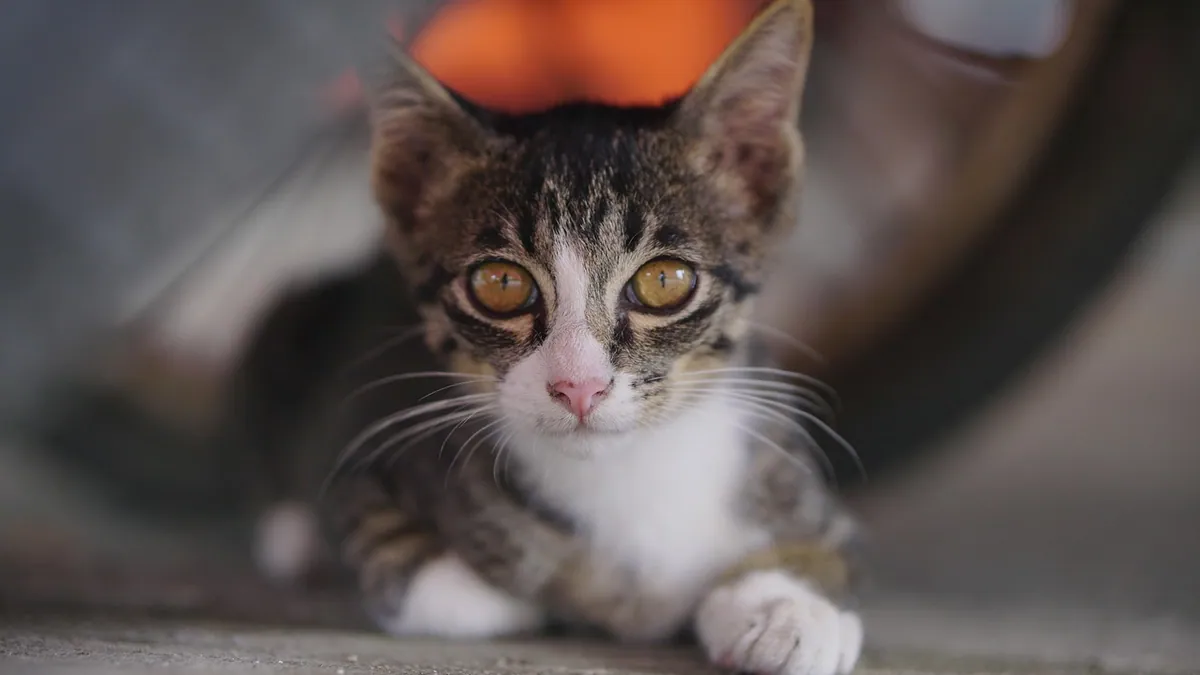
Buprenorphine is a prescription opioid pain reliever used in cats, most often after surgery or for ongoing pain from injury, dental disease, or arthritis. It is a controlled medication, so a veterinarian must examine your cat and calculate the dose before you can use cat medicine buprenorphine at home. This article is educational and is not a substitute for veterinary diagnosis or treatment.
Quick Answer
- Buprenorphine is a partial opioid pain reliever, and in cats it is commonly given as a liquid squirted into the cheek pouch or as an injection in the clinic.
- A veterinarian decides the dose based on your cat's weight, health, and the type of pain being treated. Never guess or reuse an old dose.
- The most common side effects are sleepiness, wobbliness, and dilated pupils. These usually ease as the drug wears off.
- Constipation, reduced appetite, and reduced urination can happen, especially with long-acting skin products.
- Call your veterinarian or a pet poison control hotline right away if your cat seems to have trouble breathing, cannot be woken, or received too much.
What Buprenorphine Is and What Veterinarians Use It For
Buprenorphine belongs to the opioid family of pain medications. It works on the same receptors in the brain and spinal cord that respond to stronger opioids, but it produces a partial effect. That partial effect is one reason it is popular in cats. It can relieve meaningful pain while carrying a lower risk of severe respiratory depression than full-strength opioids.
Veterinarians use buprenorphine for several situations:
- Postoperative pain. It is widely used after spays, neuters, dental extractions, and other surgeries. In a study of feral cats undergoing spay surgery, a single subcutaneous dose of 0.02 mg/kg given at the end of surgery was evaluated for its ability to keep pain scores below intervention thresholds [1].
- Injury and trauma pain. Fractures, bite wounds, and soft tissue injuries often cause pain that buprenorphine can help control.
- Chronic pain. Some cats with arthritis or cancer-related pain receive buprenorphine as part of a longer-term plan, though other medications are often used first for long-term joint pain.
- Pre-procedure sedation. It is sometimes combined with sedatives before exams or minor procedures.
Buprenorphine is a controlled substance in the United States. That means your veterinarian must have a valid relationship with your cat and follow federal and state rules for prescribing it. You cannot buy it over the counter, and you should never give your cat buprenorphine that was prescribed for another pet or a human.
How Buprenorphine Works in Cats
Buprenorphine attaches to mu-opioid receptors in the nervous system. When it binds, it blocks pain signals from reaching the brain and changes how your cat perceives discomfort. Because it is a partial agonist, it activates those receptors less strongly than morphine or methadone.
This partial activity has practical benefits. Cats tend to tolerate buprenorphine well, and it is less likely to cause the profound sedation and breathing suppression seen with some stronger opioids. It also has a ceiling effect, meaning that above a certain dose, giving more does not necessarily produce more pain relief but can increase side effects.
Buprenorphine also affects other body systems. It can slow the movement of the digestive tract, which is why constipation is a known concern. It can reduce urine output in some animals, and it can cause pupils to dilate. These effects are dose-related and usually temporary.
One study in cats looked at how buprenorphine changes the amount of isoflurane anesthesia needed during surgery. The researchers found a significant effect of buprenorphine on the minimum alveolar concentration of isoflurane, which means it adds to the overall level of sedation and pain control during anesthesia [2]. This is one reason veterinarians coordinate buprenorphine carefully with other drugs.
Dosing Basics for Cat Medicine Buprenorphine
Who decides the dose
Only a veterinarian should decide the dose of buprenorphine for your cat. The dose depends on your cat's weight, age, kidney and liver function, other medications, and the reason for treatment. A dose that is right for a 12-pound cat with a broken leg may be wrong for a 6-pound cat with kidney disease.
Never adjust the dose on your own. Never give a second dose because you think the first one did not work. Call your veterinarian instead.
How it is given
Buprenorphine comes in several forms for cats:
- Oral liquid. This is the most common at-home form. You squirt the measured liquid into the side of the mouth, between the cheek and gums. Cats absorb it well through the lining of the mouth. Try not to let your cat swallow it right away, and do not mix it into a full bowl of food unless your veterinarian tells you to.
- Injection. Given under the skin or into a muscle in the clinic. This form is used for surgery and hospital care.
- Long-acting skin product. A topical formulation approved for cats provides up to 4 days of postoperative pain relief after a single application [3]. It is applied to the skin, usually at the back of the neck, and must not be touched or licked by people or other pets for a period after application.
What to do about a missed dose
If you miss a dose, do not double up. Give the next dose at the regularly scheduled time if your veterinarian has told you to give it on a schedule. If you are unsure whether to give the missed dose or skip it, call your veterinarian or the clinic that prescribed it. For a one-time postoperative dose, a missed dose may not matter much, but for ongoing pain control it can leave your cat uncomfortable.
Buprenorphine for cats in food
Some owners ask about hiding buprenorphine in food. This is usually not the best approach. The oral liquid is designed to be absorbed through the mouth lining, and swallowing it with food can reduce how much gets into the bloodstream. If your cat will not take the liquid directly, ask your veterinarian about the best alternative. Do not crush, heat, or mix the medication into a full meal without veterinary guidance.
Side Effects to Watch For
| Side effect | How common or serious | What to do |
|---|---|---|
| Sleepiness and sedation | Common, usually mild | Let your cat rest in a quiet, safe place. Call your vet if your cat cannot be woken. |
| Wobbliness or unsteady walking | Common, usually mild | Keep your cat away from stairs and high surfaces until it passes. |
| Dilated pupils | Common, usually mild | This often resolves as the drug wears off. Mention it if it lasts more than a day. |
| Reduced appetite | Common with longer use | Offer small, tasty meals. Call your vet if your cat refuses food for more than 24 hours. |
| Constipation | Common, especially with repeated doses | Ask your vet about stool softeners or diet changes. Call if your cat strains or has not passed stool for 2 days. |
| Reduced urination | Possible, especially with long-acting skin products | Watch the litter box. Call your vet if your cat strains to urinate or produces little urine. |
| Slow breathing | Uncommon but serious | Stop giving the medication and call an emergency clinic right away. |
| Severe agitation or vocalization | Uncommon | Call your veterinarian for advice. |
| Allergic reaction (hives, swelling, trouble breathing) | Rare but serious | Seek emergency veterinary care immediately. |
Some of these effects are more likely with certain forms. In a study of a long-acting topical buprenorphine product, fecal and urinary output were reduced for an average of about 3.5 days after dosing, and food consumption was also affected [4]. That does not mean every cat will have these problems, but it is a reason to monitor the litter box and food bowl closely after a long-acting dose.
If your cat is also taking other medications, ask your veterinarian about interactions. For example, gabapentin is sometimes used for stress or pain, and combining it with buprenorphine can increase sedation. You can read more about that in Gabapentin for Cats: Pre-Vet Visit Stress Dosing and Joint Pain Support. If your cat is on steroids for another condition, review Prednisolone for Cats: Feline Safe Steroid Dose and Autoimmune and tell your veterinarian about every medication and supplement your cat receives.
Buprenorphine for Cats With Kidney Disease
Cats with kidney disease need extra care with any medication. Buprenorphine is sometimes chosen for these cats because it is processed partly by the liver, but that does not make it risk-free. Reduced urination is a possible side effect, and a cat with kidney disease may already have trouble concentrating urine.
If your cat has kidney disease, your veterinarian will likely start with a lower dose, monitor hydration and urine output, and may avoid long-acting forms. Do not use a dose that was prescribed for a cat with healthy kidneys. Tell your veterinarian about any change in drinking, urination, appetite, or energy while your cat is on buprenorphine.
Buprenorphine for Cats With a UTI
A urinary tract infection is painful, and buprenorphine may be part of a comfort plan while antibiotics or other treatments take effect. It does not treat the infection itself. It only reduces pain.
There is a catch. Buprenorphine can reduce urine output and cause constipation, and a cat with a UTI may already be straining to urinate. If your cat is blocked or partially blocked, buprenorphine alone will not fix the problem. A cat that strains to urinate, cries in the litter box, or produces no urine needs emergency care, not just pain medication. If your cat has a UTI and is on buprenorphine, watch the litter box closely and call your veterinarian if urination becomes more difficult.
Buprenorphine for Cats With Constipation
Constipation is one of the more common reasons owners call about buprenorphine. Opioids slow the gut, and buprenorphine is no exception. In the topical product study, reduced fecal output lasted about 3.5 days after a single dose [4].
If your cat is prone to constipation, tell your veterinarian before starting buprenorphine. They may recommend a stool softener, a high-fiber diet, or extra water intake. If your cat has not passed stool for 2 days, strains without producing stool, or seems painful in the abdomen, call your veterinarian. Do not give human laxatives without veterinary advice.
Who Should Not Take Buprenorphine and Drug Interactions
Buprenorphine is not right for every cat. Your veterinarian may avoid it or use it with caution if your cat:
- Has a known allergy to buprenorphine or similar opioids
- Has severe liver disease
- Has severe kidney disease with poor urine output
- Has a head injury or increased pressure in the brain
- Is very young, very old, or very small
- Is pregnant or nursing, unless the benefit clearly outweighs the risk
- Has a bowel obstruction or severe constipation
Drug interactions matter too. Buprenorphine can add to the sedative effects of other medications, including:
- Other opioids such as methadone or butorphanol
- Sedatives such as acepromazine or dexmedetomidine
- Anesthetics such as isoflurane
- Gabapentin or pregabalin
- Antihistamines such as diphenhydramine
- Certain antidepressants and anti-nausea drugs
A study comparing methadone and buprenorphine for spay surgery found that methadone may provide better pain control in some cats, though results varied across studies [5]. This does not mean buprenorphine is a bad choice. It means your veterinarian weighs the options for your cat's specific procedure and health status.
Tell your veterinarian about every medication, supplement, and herbal product your cat takes. That includes anything you might give for allergies or stress. If you have given your cat diphenhydramine, review Can You Give Your Cat Benadryl? Dosage and Safety Guide and mention it at your next visit.
Overdose and When to Call a Veterinarian or Poison Control
Signs of buprenorphine overdose in cats include extreme sleepiness, inability to stand, slow or shallow breathing, pinpoint or very dilated pupils, vomiting, and unresponsiveness. If you see any of these, treat it as an emergency.
Call your veterinarian or an emergency clinic immediately. You can also contact a pet poison control hotline. Have your cat's weight, the strength of the medication, and the amount given ready to share. Do not wait to see if your cat improves on its own.
If your cat received too much buprenorphine, do not try to make it vomit unless a veterinarian tells you to. Do not give stimulants, food, or other medications to counteract it. Keep your cat warm, quiet, and safe until you reach help.
Limitations and When to Contact a Veterinarian
This article gives general information. Your cat's individual case needs a veterinarian who can examine your cat, review its history, and decide on the right treatment.
Call your veterinarian the same day if your cat:
- Refuses to eat for more than 24 hours
- Has not passed stool for 2 days
- Strains to urinate or produces very little urine
- Seems more painful than before the medication started
- Has vomiting, diarrhea, or a change in behavior that worries you
Go to an emergency clinic now if your cat:
- Has trouble breathing or breathes very slowly
- Cannot be woken or does not respond to touch
- Collapses or cannot stand
- Has a seizure
- Has swelling of the face, hives, or difficulty swallowing
- Has received too much buprenorphine
Schedule a routine visit if your cat needs a refill, if the pain is not well controlled, or if you have questions about how to give the medication. Never share buprenorphine with another pet, and never use leftover medication without talking to your veterinarian first.
Frequently Asked Questions
Can I give my cat buprenorphine without a prescription?
No. Buprenorphine is a controlled substance in the United States, and it requires a prescription from a veterinarian who has examined your cat. Giving your cat medication prescribed for another pet or a person is dangerous and illegal.
How long does buprenorphine last in cats?
The duration depends on the form. A single injection or oral dose may last several hours, while a long-acting topical product can provide pain relief for up to 4 days [3]. Your veterinarian will tell you how often to give the medication based on the form and your cat's needs.
Is buprenorphine safe for kittens?
Buprenorphine can be used in kittens in some situations, but the dose must be calculated carefully by a veterinarian. Young animals may be more sensitive to sedation and breathing effects. Do not use a dose intended for an adult cat.
Can buprenorphine make my cat constipated?
Yes, constipation is a known side effect because opioids slow the digestive tract. Reduced fecal output has been reported for several days after a long-acting dose [4]. If your cat has not passed stool for 2 days or seems uncomfortable, call your veterinarian.
What should I do if my cat vomits after buprenorphine?
Call your veterinarian for advice. Do not give another dose to replace the one your cat vomited unless your veterinarian tells you to. Vomiting can be a sign of overdose or another problem, especially if it happens with sleepiness or trouble breathing.
Related Articles
- Can I Give My Cat Melatonin? Safety, Dosage, and When to Avoid It
- Gabapentin for Cats: Pre-Vet Visit Stress Dosing and Joint Pain Support
- Prednisolone for Cats: Feline Safe Steroid Dose and Autoimmune
- Can You Give Your Cat Benadryl? Dosage and Safety Guide
- Cat Prednisolone for Allergies: Side Effects and Safe Use
- Prescription Medicine For Cats
- Buprenorphine Side Effects in Cats: What to Expect
- How Long Does Buprenorphine Last in Cats?
- Tramadol Dosage for Cats: Timing and Safety
References
- Evaluation of buprenorphine as optimisation of postoperative analgesia in feral cats undergoing ovariohysterectomy under field conditions. The Journal of small animal practice, 2026.
- Effect of buprenorphine delivered by target-controlled infusion on the minimum alveolar concentration of isoflurane in cats. Veterinary anaesthesia and analgesia, 2025.
- Pharmacokinetics of a Transdermal Buprenorphine Topical Solution in the Cynomolgus Macaque (Macaca fascicularis). Journal of the American Association for Laboratory Animal Science : JAALAS, 2025.
- Pharmacokinetic Evaluation of Topical Long-Acting Buprenorphine in New Zealand White Rabbits (Oryctolagus cuniculus). Journal of the American Association for Laboratory Animal Science : JAALAS, 2025.
- Methadone or buprenorphine: which is the better analgesic for feline ovariohysterectomy?. Veterinary evidence, 2024.