Buprenorphine Side Effects in Cats: What to Expect
By Dr. Zubair Khalid, DVM, MS, PhD ·
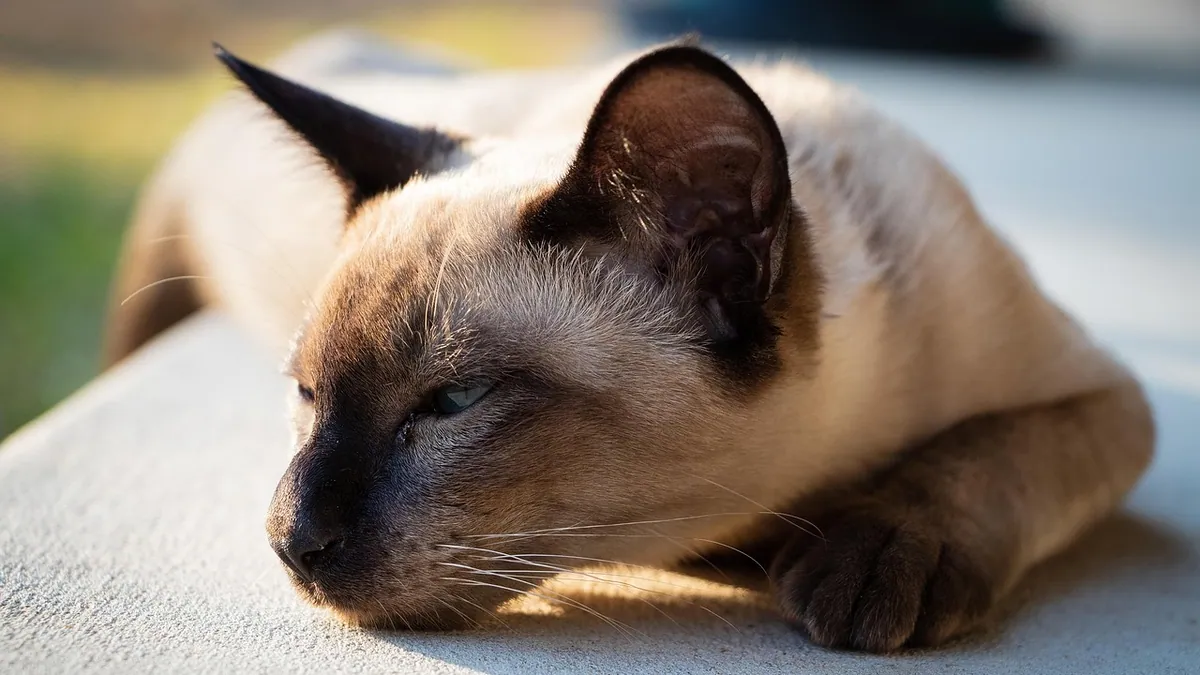
Buprenorphine for cats side effects are usually mild and short lived. Most cats become sleepy, calm, or a little unsteady for several hours after a dose. Some cats go the other way and act restless, vocal, or agitated, which surprises many owners.
This article is educational and is not a substitute for veterinary diagnosis or treatment.
Quick Answer
- Sedation and sleepiness are the most expected effects. Your cat may nap more, walk with a wobble, or seem "drunk" for a few hours.
- Restlessness can happen too. Some cats pace, meow more, or seem unable to settle. This is a known response to opioids in cats.
- Vomiting, drooling, and small pupils are common and often pass. Repeated vomiting or a cat who will not eat needs a call to your vet.
- Trouble breathing, collapse, a very slow heart rate, or a body temperature that feels cold are emergencies. Go to a vet right away.
- Never give a second dose or a human opioid to "top up" the effect. Call your veterinarian first.
What Buprenorphine Is and Why Vets Use It
Buprenorphine is an opioid pain medication. Veterinarians in the United States use it to control moderate pain in cats, often after surgery or after an injury. It is also used for cats with chronic painful conditions such as arthritis or dental disease.
It comes in several forms. A liquid that is squirted into the cheek pouch is the most common for home use. There are also injectable forms given in the clinic and a long-acting skin product applied by a veterinarian. Your cat's pain plan may combine buprenorphine with other drugs, such as a nonsteroidal anti-inflammatory drug like meloxicam [1].
Buprenorphine is a controlled substance in the United States. That means your veterinarian must examine your cat and write a prescription, and refills are limited by law.
If your cat takes other pain or behavior medications, it helps to know what those can do too. Our guide to gabapentin side effects in cats covers a drug often paired with buprenorphine.
How Buprenorphine Works in Cats
Buprenorphine attaches to opioid receptors in the brain and spinal cord. It changes how your cat perceives pain. It does not fully numb a cat or put her to sleep the way an anesthetic does.
Buprenorphine is called a partial agonist. It turns the pain signal down without turning it all the way off. That is one reason it has a wide safety margin in cats compared with some other opioids.
Cats process buprenorphine slowly. A single dose can ease pain for six to twelve hours in many cats, though this varies. A long-acting injectable or skin product can last much longer. In one study of a transdermal product labeled for cats, plasma levels stayed above the target threshold for up to 120 hours in guinea pigs, with a half-life of about 47 hours [2]. Cats and guinea pigs are different species, so your veterinarian will set expectations for your cat based on the product used.
Dosing Basics for Cat Owners
Your veterinarian decides the dose. It is based on your cat's weight, age, health conditions, other medications, and the type and severity of pain. Do not use a dose from the internet or from a friend's cat.
Most at-home doses are given by mouth into the cheek pouch, between the gum and the cheek. Do not squirt it into the back of the throat, because swallowing it makes it work less well. Wash your hands after giving it.
If you miss a dose, do not double up. Call your veterinarian's office and ask what to do. If your cat vomits soon after a dose, do not repeat it without asking.
Store the medication as directed, usually at room temperature and away from light. Keep it locked up and away from children and other pets. If a person accidentally takes a pet opioid, call a poison control center right away.
Buprenorphine for Cats Side Effects: What to Watch For
Most side effects are mild and fade as the drug wears off. The table below separates the common from the serious.
| Side effect | How common or serious | What to do |
|---|---|---|
| Sleepiness, sedation, calm behavior | Common and expected. Sedation scores rose slightly in a study of a related pain-control product in cats [3]. | Let your cat rest in a quiet, warm spot. Offer water. |
| Wobbly walking, poor balance | Common in the first few hours | Block stairs, keep your cat on the floor, and avoid high furniture. |
| Restlessness, pacing, loud meowing | Uncommon but real. Some cats become agitated instead of sleepy. | Keep the room calm and dim. Call your vet if it lasts more than a few hours or your cat seems distressed. |
| Vomiting or nausea | Common, usually mild | Withhold food for an hour, then offer a small amount. Call your vet if vomiting repeats. |
| Drooling or lip smacking | Common, often from the taste | Wipe the mouth. Do not rinse the mouth with water. |
| Small pupils | Common | No action needed. This is expected with opioids. |
| Reduced appetite | Possible. Opioid use has been linked to decreased appetite and weight loss in some animals [4]. | Offer favorite wet food. Call your vet if your cat skips two meals. |
| Slow, shallow breathing | Serious | Go to a veterinarian now. |
| Collapse or extreme weakness | Serious | Emergency visit. |
| Cold body, pale gums, very slow heart rate | Serious | Emergency visit. |
| Hives, facial swelling, trouble breathing | Serious allergic reaction | Emergency visit. |
Does Buprenorphine Cause Restlessness in Cats?
Yes, it can. Restlessness is one of the more surprising side effects of buprenorphine in cats. A cat who was quiet before the dose may start pacing, crying, or pawing at the air.
This happens because opioids can cause a state called dysphoria. The cat feels odd or unsettled instead of relaxed. It is not the same as pain, and it is not a sign that the drug is failing.
What helps: dim lights, a quiet room, soft bedding, and minimal handling. Do not chase your cat around the house. If the restlessness is severe, lasts more than a few hours, or your cat seems to be in distress, call your veterinarian. They may adjust the dose or switch to a different pain plan.
Sedation and Sleepiness
Sedation is the most common effect owners notice. Your cat may sleep deeply, be hard to wake, or seem uninterested in food and toys. In a study of healthy cats given a different sedating product, sedation scores rose at 2, 4, and 8 hours after dosing and returned toward baseline later [3]. Buprenorphine can follow a similar pattern.
Mild sedation is fine. Deep sedation that makes your cat hard to rouse is not. If you cannot wake your cat by calling her name or touching her gently, treat it as an emergency.
Appetite and Weight Changes
Opioids can dull appetite. In one study, extended-release buprenorphine was linked to decreased appetite and weight loss in guinea pigs, and a drug used to boost appetite in dogs and cats was tested to see if it helped [4]. Cats are not guinea pigs, but the pattern is worth knowing.
If your cat refuses food for more than 24 hours, call your veterinarian. Cats who stop eating can develop liver problems quickly.
Other Effects to Expect
Constipation is possible with repeated opioid use. Keep water available and ask your vet about diet changes if your cat has not pooped in two days.
Some cats get dilated pupils instead of small ones. Some get a slightly elevated heart rate. These are usually mild and pass.
If your cat also takes medication for allergies, skin, or ears, review those effects too. Our article on cat allergy medication side effects explains what to watch for when drugs are combined.
Who Should Not Take Buprenorphine
Buprenorphine is not right for every cat. Tell your veterinarian about all health problems before your cat starts this drug.
Cats with severe liver disease, severe kidney disease, or a head injury may need a different plan. Cats who have had a bad reaction to an opioid before should not get it again without a careful discussion.
Age matters. Very young kittens and very old cats are more sensitive to sedation and breathing effects. Your veterinarian will weigh the risks and benefits.
Drug Interactions to Mention
Bring a full list of everything your cat takes, including supplements and over-the-counter products. Key interactions include:
- Other opioids or sedatives, which can stack up and cause heavy sedation or breathing problems
- Anesthetics, which can deepen sedation
- Drugs that affect serotonin, which can rarely cause serotonin syndrome
- Some antifungals and antibiotics, which can change how the drug is cleared
If your cat takes seizure medication, ask your veterinarian how the two drugs interact. Our guide to seizure medication side effects in cats can help you spot problems early.
Never mix buprenorphine with human pain products that contain acetaminophen or other ingredients. Those can be deadly to cats.
Overdose and When to Call for Help
An overdose can cause extreme sedation, slow breathing, a very slow heart rate, low body temperature, and collapse. It can happen if a cat gets an extra dose, chews through a container, or is given a human product.
If you think your cat has had too much, call your veterinarian or an animal poison control hotline right away. Have the product name, the strength, and your best guess at the amount ready. Do not wait for symptoms to start.
Signs that need an emergency visit now:
- Breathing that is slow, shallow, or labored
- Gums that are pale, blue, or gray
- A body that feels cold to the touch
- Collapse, seizure, or a cat who cannot be woken
- Repeated vomiting with no letup
Signs that need a same-day call:
- Restlessness that will not settle
- Vomiting more than twice
- Refusing food for a full day
- No bowel movement for two days
- Any behavior that worries you
Limitations and When to Contact a Veterinarian
Every cat responds differently to buprenorphine. The dose, the form of the drug, your cat's age, and other health conditions all change what you will see at home. No article can replace an exam and a plan made for your cat.
Call your veterinarian the same day if your cat is restless, vomiting, or not eating. Go to an emergency clinic now if your cat has trouble breathing, collapses, feels cold, or cannot be woken. For routine questions about timing, refills, or missed doses, call your regular clinic during business hours.
If your cat has a urinary problem and is on pain medication, watch for straining or blood in the urine. Our article on cat urinary tract infection side effects explains the signs that need prompt care.
Frequently Asked Questions
How long do buprenorphine side effects last in cats?
Most mild effects fade within a few hours as the drug wears off. Sedation often peaks in the first two to four hours and eases after that. Long-acting forms can keep a cat sleepy or quiet for a day or more.
Is it normal for my cat to act restless after buprenorphine?
It can be normal, but it should not last long or cause distress. Some cats feel unsettled or dysphoric instead of sleepy. If your cat paces, cries, or cannot settle for more than a few hours, call your veterinarian.
Can I give my cat food or water after a dose?
Yes, unless your veterinarian says otherwise. Offer a small amount of water and a little food. If your cat vomits, wait an hour and try again. Call your vet if vomiting repeats or your cat refuses food for a full day.
What should I do if I miss a dose?
Do not give a double dose. Call your veterinarian's office and ask how to get back on schedule. They may tell you to skip the missed dose and give the next one at the usual time.
Can buprenorphine be used long term in cats?
Sometimes, yes. Veterinarians may use it for ongoing pain such as arthritis, often at a lower dose or on a set schedule. Long-term use needs regular checkups, blood work, and a plan to manage constipation and appetite. Ask your vet what monitoring your cat needs.
Related Articles
- What Are the Side Effects of Gabapentin for Cats?
- What Are the Side Effects of Apoquel for Cats?
- Cat Urinary Tract Infection Side Effects
- Cat Allergy Medication Side Effects: What to Watch For
- What Are the Side Effects of Seizure Medication in Cats?
- Cat Prednisolone for Allergies: Side Effects and Safe Use
- Buprenorphine for Cats: Uses, Dosing, and Safety
- How Long Does Buprenorphine Last in Cats?
- Dexmedetomidine Side Effects in Cats: What to Expect
References
- Evaluation of buprenorphine as optimisation of postoperative analgesia in feral cats undergoing ovariohysterectomy under field conditions. The Journal of small animal practice, 2026.
- Pharmacokinetics and Paw Withdraw Pressure in Guinea Pigs (Cavia porcellus) Treated with Transdermal Buprenorphine. Journal of the American Association for Laboratory Animal Science : JAALAS, 2026.
- Evaluation of Cannabidiol Oil's Effects on Sedation, Behavioral Responses to Handling, and Nociceptive Thresholds in Healthy Cats. Animals : an open access journal from MDPI, 2025.
- The Effect of Capromorelin and Extended-Release Buprenorphine on Body Weight in Guinea Pigs (Cavia porcellus). Journal of the American Association for Laboratory Animal Science : JAALAS, 2026.