How to Give a Dog Buprenorphine: Injection and Oral Tips
By Dr. Zubair Khalid, DVM, MS, PhD ·
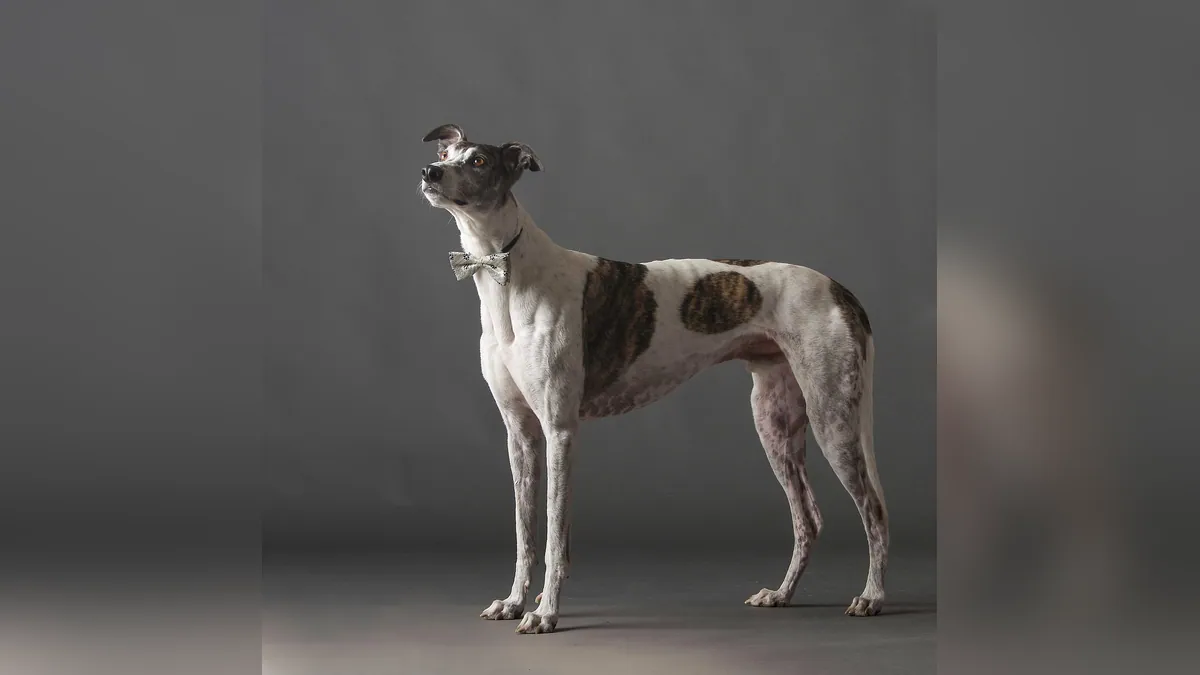
Buprenorphine for dogs is usually given one of two ways: a tablet placed against the inside of the cheek, or an injection under the skin or into a muscle. The cheek route is the most common at home, and the technique matters because the drug is absorbed through the gum lining, not the stomach. This article is educational and is not a substitute for veterinary diagnosis or treatment.
Quick Answer
- Give the cheek tablet by tucking it between the gum and the lip, not by dropping it in the food bowl. Swallowing it whole wastes most of the dose.
- Hold your dog's mouth closed for a short count so the tablet dissolves against the cheek instead of being licked away.
- Never adjust the dose yourself. Your veterinarian calculates it from your dog's weight, health, and the reason for the prescription.
- Buprenorphine is a controlled drug. Store it locked away, count the tablets, and never share it with another pet or person.
- If your dog spits the tablet out, do not give a second full dose. Call your veterinarian for instructions.
What Buprenorphine Is and What Veterinarians Use It For
Buprenorphine is an opioid pain medication. In dogs, it is most often used for short-term pain relief, such as after surgery or during a painful episode. It belongs to a group of drugs that act on the same receptors as morphine, but its behavior at those receptors is different from full opioids [1].
Your veterinarian may send your dog home with buprenorphine after a spay, neuter, dental extraction, or soft tissue surgery. It can also be part of a pain plan for a dog with an injury or a chronic painful condition. In one study of dogs having routine soft tissue surgery, injectable buprenorphine was compared with another opioid plan, and both approaches were used to manage perioperative pain [2].
Buprenorphine is a controlled substance in the United States. That means your veterinarian follows specific rules for prescribing and dispensing it, and you should follow specific rules for storing and handling it at home.
How Buprenorphine Works in Dogs
Buprenorphine binds to opioid receptors in the brain and spinal cord and changes how pain signals are perceived. It is often described as a partial agonist, which means it activates those receptors but not to the fullest possible extent. This is part of why it tends to have a ceiling on some effects and a different side effect profile than full opioids [1].
The cheek route takes advantage of the thin lining inside the mouth. Drug absorbed there goes into the bloodstream without passing through the liver first, which is why the tablet is placed against the gum instead of being swallowed. This route has been studied in other species. In ferrets, oral transmucosal buprenorphine produced measurable drug levels and short-term pain relief when compared with an injection into muscle [3]. Dogs are not ferrets, so those numbers do not transfer, but the principle of cheek absorption is the same.
An extended-release injectable form also exists. In healthy beagles given a single subcutaneous injection of an extended-release buprenorphine product, therapeutic plasma levels lasted roughly 60 to 90 hours, depending on the threshold used [4]. That is a long-acting option your veterinarian may choose for certain cases. It is not the same as the short-acting injection or the cheek tablet.
Dosing Basics: Who Decides, How It Is Given, and Missed Doses
Who decides the dose
Your veterinarian does. The dose depends on your dog's weight, age, health conditions, other medications, and the type of pain being treated. Do not use a dose from a previous prescription, a friend's dog, or an internet chart. If the label is unclear, call the clinic before you give anything.
Giving the cheek tablet
This is the step most owners get wrong. The tablet is meant to sit against the inside of the cheek and dissolve. Here is a practical sequence:
- Wash your hands and have the tablet ready before you touch your dog.
- Gently lift the upper lip on one side to create a pocket between the gum and the cheek.
- Place the tablet in that pocket, as far back along the gum line as you can comfortably reach.
- Close the mouth and hold it closed gently for the time your veterinarian recommends, usually a short count.
- Keep your dog calm and discourage licking, chewing, or drinking for a few minutes so the drug has time to absorb.
If your dog hates having hands in the mouth, a pilling gun can deliver a pill near the back of the throat and keeps your fingers out of the way [5]. That tool is designed for swallowing pills, so ask your veterinarian whether it suits a cheek tablet. For dogs that fight pills, these guides can help: How to Safely Give Your Dog a Pill: Tips and Tricks and How to Give Your Dog a Pill When They Bite or Snap.
Some dogs do better with a treat routine. Offer several small, plain pieces of food first, then slip the medicated piece in, and vary the order so your dog eats quickly without inspecting each bite [5]. Keep in mind that food rewards work best for pills meant to be swallowed. A cheek tablet still needs to sit against the gum.
Giving the injection
Most owners give buprenorphine injections only if the clinic has trained them and sent home the correct syringes and sharps container. Injections may go under the skin or into a muscle, depending on the product and your veterinarian's instructions. Never reuse a needle, never recap a used needle with your fingers, and never guess at the volume in the syringe. If you are new to injections, read How to Give Your Dog a Shot at Home: Insulin and Other Injections before your first attempt.
Missed dose
If you miss a dose, do not double up. Give the next dose at the next scheduled time unless your veterinarian says otherwise, and mention the missed dose at your next call or visit. If your dog is showing signs of pain because a dose was skipped, call the clinic instead of adding extra medicine on your own.
Spit out or vomited
If your dog spits out a cheek tablet, do not give another full dose right away. Some of the drug may already have absorbed through the gum. Call your veterinarian and describe what happened, including how long the tablet was in the mouth. If your dog vomits after swallowing a tablet, the same rule applies: call before redosing. These tips may help with repeat attempts: How to Give Your Dog a Pill When They Spit It Out.
Side Effects: What to Watch For
Opioids commonly cause sedation and mild stomach upset. Extended-release buprenorphine has been linked to reduced appetite and weight loss in some laboratory animals, which is one reason appetite is worth watching during treatment [6].
| Side effect | How common or serious | What to do |
|---|---|---|
| Sleepiness or calm behavior | Common and usually mild | Let your dog rest. Call if your dog is hard to wake |
| Nausea, drooling, lip licking | Common and usually mild | Offer small amounts of water. Call if it continues |
| Vomiting or diarrhea | Less common | Call your veterinarian if it lasts more than a day or your dog seems unwell |
| Reduced appetite | Possible with longer-acting forms | Track food intake. Call if your dog skips more than one meal |
| Slow, shallow breathing | Serious | Stop giving the drug and seek emergency care now |
| Extreme sedation, wobbling, collapse | Serious | Seek emergency care now |
| Pinpoint pupils, agitation, or the opposite of sedation | Serious | Seek emergency care now |
Call your veterinarian if you are unsure whether a behavior is a normal side effect or a problem. It is always reasonable to ask.
Who Should Not Take It and Drug Interactions
Buprenorphine is not right for every dog. Tell your veterinarian about every medication, supplement, and topical product your dog receives, including over-the-counter items. Never give human medicines to a pet without your veterinarian's approval [7].
Your veterinarian will weigh the risks if your dog has liver or kidney disease, a head injury, breathing problems, or a history of seizures. Very young, very old, pregnant, or nursing dogs need extra care, and the decision belongs to your veterinarian.
Interactions matter. Other sedatives, anesthetics, antihistamines, anti-anxiety drugs, and other pain medications can add to the sedation and breathing effects of buprenorphine. In one surgical study, dogs received buprenorphine alongside acepromazine, ketamine, midazolam, isoflurane, and an NSAID as part of a standard anesthetic protocol [2]. That combination was managed by veterinary professionals, not by owners at home. Do not mix medications on your own.
Overdose and When to Call for Help
Signs of overdose include extreme sleepiness, trouble waking, slow or shallow breathing, wobbling, vomiting, and a body that feels too relaxed. If you see these signs, treat it as an emergency. Call your veterinarian or an emergency clinic right away, and call poison control if your veterinarian is not reachable.
- ASPCA Animal Poison Control Center: (888) 426-4435
- Pet Poison Helpline: (855) 764-7661
Bring the medication packaging with you. Tell the staff how much your dog may have taken, when it happened, and your dog's weight. Do not wait for symptoms to get worse before you call.
Limitations and When to Contact a Veterinarian
This article covers general technique, not your dog's specific case. Your veterinarian sets the dose, the route, and the schedule for your dog, and individual cases need a veterinarian's judgment.
Call the same day if your dog spits out a dose, vomits after a dose, misses a dose, seems more painful than before, or has mild stomach upset that is not settling. Call the same day if you are unsure whether a tablet actually absorbed.
Go to an emergency clinic now if your dog is hard to wake, breathing slowly or shallowly, collapsing, having trouble standing, or showing any sign that worries you. Do not drive to a regular appointment if your dog is unstable.
Schedule a routine visit or call if your dog's appetite stays low, if the pain seems poorly controlled between doses, or if you need a refill. Controlled drugs often require specific refill rules, so plan ahead instead of waiting until the last tablet.
Frequently Asked Questions
Can I give buprenorphine with food?
No, not for the cheek tablet. It is designed to absorb through the gum lining, so hiding it in food sends it down the throat where absorption is poor. If your dog needs a different form or route, ask your veterinarian.
What if my dog swallows the cheek tablet?
Call your veterinarian and describe what happened. Some drug may still have absorbed through the mouth, so a repeat dose is not automatic. Your veterinarian will decide whether to redose and when.
How long does buprenorphine last in dogs?
It depends on the product. A short-acting injection and a cheek tablet do not last as long as an extended-release injection. In one study, an extended-release form kept therapeutic levels for about 60 to 90 hours in healthy beagles [4]. Your veterinarian will tell you what to expect for your dog's specific product.
Can I give my dog buprenorphine left over from another pet?
No. Buprenorphine is a controlled drug prescribed for a specific pet and situation. Giving it to another animal can cause serious harm, and sharing controlled drugs is not legal. Call your veterinarian for a proper evaluation instead.
Is buprenorphine safe for long-term use in dogs?
It is used mostly for short-term pain, and long-term use is a decision your veterinarian makes case by case. Buprenorphine has been discussed as a promising option for longer-term pain management in people with cancer [1], but that does not mean the same plan fits every dog. Ask your veterinarian about monitoring if treatment continues beyond a few days.
Related Articles
- How to Safely Give Your Dog a Pill: Tips and Tricks
- How to Give Your Dog Anxiety Medication: Pills, Liquids, and Tips
- How to Give Your Dog a Pill When They Bite or Snap
- How to Give Your Dog a Pill When They Spit It Out
- How to Give Your Dog a Shot at Home: Insulin and Other Injections
- How to Give Your Dog Insulin Injections Without Stress: A Step-by-Step Guide
- Buprenorphine for Dogs: Dosage and Dosing Basics
- Buprenorphine Side Effects in Dogs: Panting, Sedation, More
- Buprenorphine for Dogs With Pancreatitis: Pain Control Explained
References
- Buprenorphine: an old dog with new tricks. Current opinion in supportive and palliative care, 2025.
- Methadone-fluconazole formulations provide superior clinical efficacy compared to buprenorphine injection in dogs undergoing soft tissue surgery. American journal of veterinary research, 2025.
- Oral transmucosal buprenorphine provides short-term potential analgesia to domestic ferrets (Mustela putorius furo) when compared to intramuscular buprenorphine. American journal of veterinary research, 2026.
- Pharmacokinetics of a Single Subcutaneous Extended-Release Buprenorphine (Ethiqa XR) in Healthy Beagles. Journal of veterinary pharmacology and therapeutics, 2026.
- How to medicate your dog. Cornell University College of Veterinary Medicine.
- The Effect of Capromorelin and Extended-Release Buprenorphine on Body Weight in Guinea Pigs (Cavia porcellus). Journal of the American Association for Laboratory Animal Science : JAALAS, 2026.
- How Drugs Are Given to Animals - Special Pet Topics. Merck Veterinary Manual.