Dog Whining and Breathing Oddly After Sedation
By Dr. Zubair Khalid, DVM, MS, PhD ·
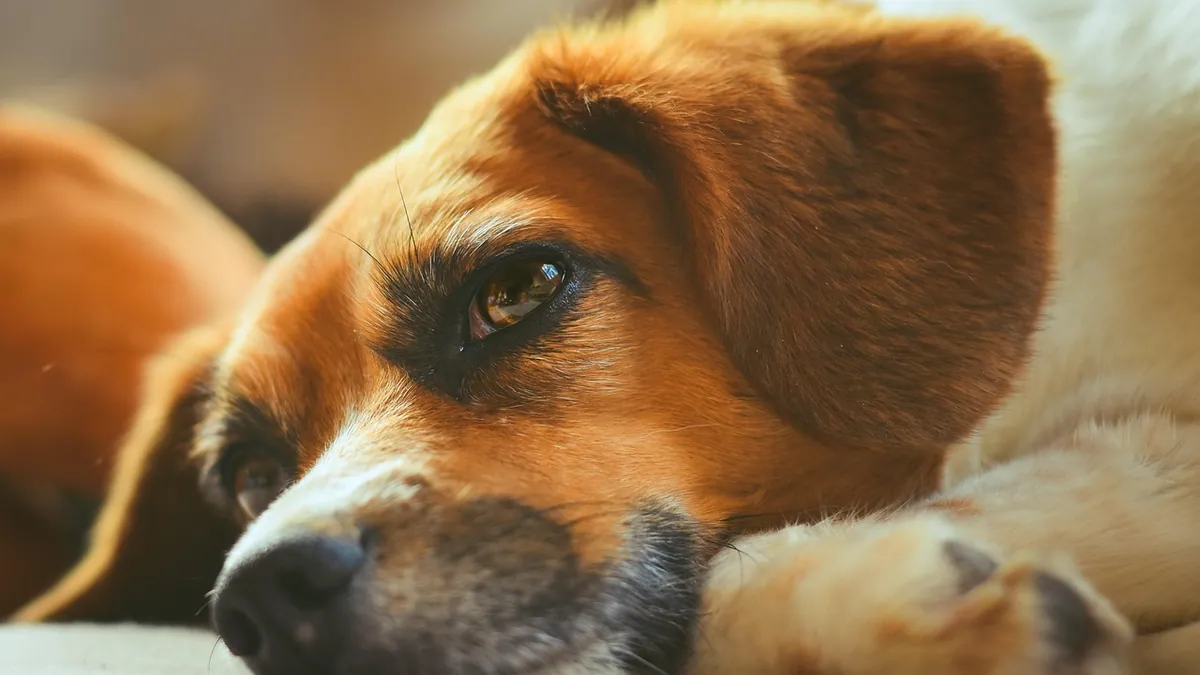
Dog whining after sedation is common and usually means your dog is confused, disoriented, or coming out of the drug fog, not that something went wrong. Breathing changes can also be normal in the first hours, but noisy, labored, or fast breathing needs a veterinarian right away. This article is educational and is not a substitute for veterinary diagnosis or treatment.
Quick Answer
- Whining, restlessness, and unsteady movement are expected during recovery from sedation and anesthesia, and they usually fade as the drug wears off.
- Sedatives and anesthetics can slow breathing or change its rhythm, and some dogs develop low oxygen levels after surgery [1].
- Labored breathing, blue or pale gums, a distended belly, or a breathing rate that keeps climbing are emergencies. Go to a veterinary hospital now.
- Keep your dog warm, quiet, and confined in a small safe space, and do not let them jump on furniture or stairs while still wobbly.
- Call your veterinarian if whining is severe, lasts more than a day, or comes with vomiting, a racing heart, or a fever.
What Sedation Means for Your Dog
Sedation is a drug-induced state of calm and drowsiness. Your dog is relaxed, often sleepy, and less aware of what is happening around them. General anesthesia goes further and produces full unconsciousness for surgery. Many procedures use a combination: a sedative to relax your dog, an injectable drug to induce sleep, and an inhaled gas to keep them asleep.
Veterinarians use sedation for many reasons. It makes anxious dogs easier to examine, keeps them still for X-rays and dental work, and reduces stress during minor procedures. It also allows painful or frightening handling to happen safely for both the pet and the staff.
The drugs used vary widely. Common sedatives include acepromazine, dexmedetomidine, and medetomidine, often paired with an opioid pain reliever like methadone or butorphanol [2][3]. Dissociative anesthetics such as ketamine are sometimes combined with alpha 2 agonists like dexmedetomidine [4]. Each drug has its own profile, and your veterinarian picks based on your dog's age, weight, health, and the procedure.
How These Drugs Work
Most veterinary sedatives work by dialing down activity in the central nervous system. Alpha 2 adrenergic agonists like dexmedetomidine and medetomidine reduce arousal and anxiety, and they also affect how dogs process what they see. In one study, dogs given a low dose of dexmedetomidine looked less at aggressive dog faces and made fewer and shorter fixations on them [5]. That dampening of attention helps explain the glassy, distant look many owners notice during recovery.
Acepromazine is a different class of sedative. It produces measurable sedation when given by mouth across the gums, and it also lowers heart rate and blood pressure [6]. That drop in blood pressure is one reason your dog may seem weak or unsteady when they first stand up.
Opioids add pain relief but also depress breathing. So do inhalant anesthetics, propofol, alfaxalone, and alpha 2 agonists [1]. When several of these are combined, breathing can become slow or shallow, and some dogs develop low blood oxygen after surgery [1]. This is why monitoring matters so much during and after anesthesia.
Dosing Basics
Your veterinarian decides the dose, the drug, and the route. Doses are calculated from your dog's weight, age, health status, and the procedure being done. Never give your dog a leftover sedative from a previous visit or a medication prescribed for another pet.
Sedatives can be given by injection into a muscle or under the skin, or by mouth. Where the injection goes can change how well it works. In one study, medetomidine and methadone injected into the quadriceps muscle or under the skin at a specific acupuncture point produced higher sedation scores than the same drugs injected into the lumbar back muscles [2]. That is a technical detail your veterinarian manages, but it shows why the same drug can behave differently from one patient to the next.
Some protocols use a second dose or a second drug if the first one is not enough. A study in Beagles found that a follow-up injection was typically given about 34 minutes after the first dexmedetomidine dose [3]. Your veterinarian will decide if and when a top-up is needed.
There is no "missed dose" to manage at home. Sedation for a procedure is given in the clinic under supervision. If your dog is sent home on an oral sedative or pain medication, follow the label exactly. If you miss a dose, call your veterinarian for instructions instead of doubling up.
Common and Serious Side Effects
Whining after sedation has a name in veterinary medicine: dysphoria. It is a state of confusion, restlessness, and distress that some dogs show as they emerge from anesthesia. It is not the same as pain, though pain can also cause whining. Dogs whine for many reasons, including anxiety and appeasement, and whining can seem involuntary when a dog is stressed [7].
| Side effect | How common or serious | What to do |
|---|---|---|
| Whining, crying, restlessness | Very common and usually mild | Keep the room quiet and dim. Sit with your dog and speak softly. |
| Unsteady walking, wobbling | Common and usually mild | Block stairs and furniture. Use a sling or towel under the belly for support. |
| Slow breathing during recovery | Common and usually mild | Count breaths per minute while your dog rests. Call your vet if it drops below the rate they gave you. |
| Fast or noisy breathing | Can be serious | Call your veterinarian now, especially if gums look pale or blue. |
| Vomiting or nausea | Fairly common | Offer small amounts of water. Call your vet if it continues. |
| Low body temperature | Common after anesthesia | Keep your dog warm with blankets. Do not use heating pads that can burn. |
| Seizures | Rare but serious | Go to an emergency hospital immediately. |
| Labored breathing with a bloated belly | Rare and life threatening | Emergency. This can signal fluid in the lungs [4]. |
One serious concern is fluid buildup in the lungs. A case report described two dogs that developed sudden nosebleeds, trouble breathing, and diffuse lung infiltrates right after receiving an alpha 2 agonist combined with a dissociative anesthetic. One of those dogs was euthanized after seizures [4]. The authors suggested that the combination can cause a brief spike in blood pressure that damages lung tissue, and that young dogs or dogs premedicated with atropine may be at higher risk [4]. This is uncommon, but it is exactly why breathing changes after sedation deserve attention.
Dog Whining After Sedation: What Is Normal and What Is Not
Normal post-anesthesia whining tends to follow a pattern. It starts as your dog begins to wake up, peaks in the first few hours, and fades as the drugs clear. Your dog may whine, pace, pant, or stare at nothing. They may not recognize you at first. This phase can look alarming, but it usually passes.
If your dog is restless after anesthesia and the whining will not stop, check the basics first. Is the room too bright or too noisy? Is your dog too cold or too warm? Do they need to urinate? Have they been given pain medication on schedule? Discomfort and a full bladder are two very common triggers.
Whining that lasts more than a day, gets worse instead of better, or comes with vomiting, a racing heart, or a fever is not normal recovery. Call your veterinarian. For more on what different whining patterns can mean, see Why Is My Dog Pacing and Whining? and Dog Pacing and Whining at Night: Is It Anxiety or a Medical Emergency?.
Some owners ask about whining after a seizure, which is a different situation. A dog whining after a seizure may be in a post-ictal state, which is a period of confusion and disorientation that can last minutes to hours. Sedation given to stop a seizure can add to that confusion. If your dog has had a seizure and is now whining and breathing oddly, treat it as an emergency and call your veterinarian or an emergency hospital.
Dog Breathing After Sedation: What to Watch
Breathing is the single most important thing to monitor at home. Count your dog's breaths while they are resting and not panting. A normal resting rate for most dogs is roughly 15 to 30 breaths per minute, though your veterinarian may give you a specific target for your dog.
Watch for these patterns:
- Slow, shallow breathing that seems to be getting slower
- Fast breathing that does not settle after a few minutes of rest
- Noisy breathing, wheezing, or a whistling sound
- Breathing with the elbows out and the neck stretched forward
- A bluish or gray tint to the gums or tongue
- A belly that looks swollen or feels tight
Postoperative breathing problems are more common than many owners realize. A review of veterinary data found that while anesthetic-related death is uncommon, a significant percentage of dogs develop low blood oxygen after surgery, and complications like upper airway obstruction are especially likely in flat-faced breeds [1]. If your dog is a bulldog, pug, Boston terrier, or similar breed, watch breathing extra closely.
Coughing or gagging after surgery can have several causes, including a breathing tube that irritated the throat. If your dog is coughing and gagging after surgery, mention it to your veterinarian, especially if it comes with any change in breathing effort.
Who Should Not Receive These Drugs
Sedation is not one-size-fits-all. Your veterinarian will adjust or avoid certain drugs if your dog has:
- Heart disease, an arrhythmia, or low blood pressure
- Liver or kidney disease
- A history of seizures
- Brachycephalic (flat-faced) anatomy that makes breathing harder
- Very young or very old age
- Pregnancy or nursing
Drug interactions matter too. Sedatives are often combined on purpose, and that is safe when a veterinarian plans it. Problems arise when drugs are mixed without that plan. Tell your veterinarian about every medication, supplement, and herbal product your dog takes, including anything you bought over the counter. Do not add a human sedative, antihistamine, or pain reliever at home without asking first.
Overdose and When to Call for Help
An overdose of a sedative can cause profound sleepiness, a very slow heart rate, slow or stopped breathing, low body temperature, and collapse. If you think your dog received too much of a sedative, or if you gave a medication by mistake, call for help right away.
Call your veterinarian or an emergency veterinary hospital immediately. You can also contact the ASPCA Animal Poison Control Center at (888) 426-4435 or the Pet Poison Helpline at (855) 764-7661. Keep the medication bottle with you so you can tell them the drug name, strength, and how much your dog may have taken.
Do not try to make your dog vomit unless a veterinarian tells you to. Do not give coffee, stimulants, or any home remedy to wake your dog up.
Limitations and When to Contact a Veterinarian
Every dog responds to sedation differently, and no article can tell you what is happening with your specific pet. Your veterinarian knows your dog's history, the drugs used, and what normal recovery should look like for them.
Call your veterinarian the same day if:
- Whining is constant and your dog cannot settle at all
- Breathing is faster than normal at rest and does not slow down
- Your dog vomits more than once or refuses all food and water
- Your dog cannot stand or seems weak on one side
- The incision looks red, swollen, or is leaking
Go to an emergency hospital now if:
- Breathing is labored, noisy, or your dog is working hard to breathe
- Gums or tongue look blue, gray, or very pale
- Your dog collapses, has a seizure, or cannot be woken
- The belly looks swollen and tight
- Breathing stops or becomes very slow
Frequently Asked Questions
How long does whining after sedation usually last?
Most dogs settle within a few hours as the drugs wear off, though some remain groggy and whiny for up to a day. If whining is still intense after 24 hours, or if it is getting worse instead of better, call your veterinarian. Prolonged distress can point to pain, nausea, or a drug reaction that needs treatment.
Is it normal for my dog to breathe fast after anesthesia?
Mildly fast breathing during recovery is common and often settles with rest and warmth. Breathing that stays fast while your dog is calm, or that comes with effort, noise, or pale gums, is not normal. Call your veterinarian or go to an emergency clinic if the effort of breathing increases.
Can sedation make my dog act like they do not know me?
Yes, this is common and usually temporary. Sedatives and anesthetics dull awareness, and some dogs look right through their owners during recovery. Stay calm, keep the environment quiet, and give your dog time. If the confusion does not improve within a day, contact your veterinarian.
What if my dog is whining and pacing nonstop at home?
Try a dark, quiet room, a soft bed, and gentle reassurance first. Check that pain medication has been given on schedule and that your dog has had a chance to urinate. If pacing and whining continue for hours or your dog seems distressed instead of just groggy, call your veterinarian.
Should I be worried about a single episode of odd breathing?
A brief odd breath or a sigh is usually nothing to worry about. What matters is the pattern. If odd breathing repeats, lasts more than a minute, or comes with color changes in the gums, treat it as an emergency. When in doubt, call your veterinarian and describe exactly what you saw.
Related Articles
- Dog Whining at Night: Anxiety, Pain, or Something Else?
- Dog Pacing and Whining at Night: Is It Anxiety or a Medical Emergency?
- Why Is My Dog Pacing and Whining?
- Why Is My Dog Coughing And Gagging After Surgery
- Dog Separation Anxiety Whining
- Dog Scratching Ears And Whining
- Dog Sedation Side Effects: What to Expect
- Dog Anesthesia After Effects: Normal Recovery vs Warning Signs
- Dog Restless After Surgery or Anesthesia: What's Normal?
References
- Need for Pharmacologic Targets and Therapeutics for Postoperative Respiratory Depression and Pulmonary Complications in Veterinary Medicine. Journal of pain research, 2026.
- Randomised, blinded clinical trial comparing dogs' sedation scores following methadone-medetomidine injection at Governing Vessel 20, the epaxial lumbar muscles or the quadriceps muscles. The Veterinary record, 2026.
- Effect of a second sedative drug injection following initial intramuscular dexmedetomidine in dogs: a randomised, crossover study. Veterinary anaesthesia and analgesia, 2026.
- Dyspnea Induced by Alpha 2-Adrenergic Agonists and Dissociative Anesthetics Combination in Dogs and Cats. Animals : an open access journal from MDPI, 2026.
- A low dose of dexmedetomidine reduces behavioral activity and visual attention to aggressive faces in dogs. Veterinary journal (London, England : 1997), 2026.
- Oral transmucosal administration of acepromazine to healthy dogs leads to increased sedation scores in a hospital setting. The Journal of small animal practice, 2026.
- Whining. ASPCA Animal Poison Control Center.