Dog Sedation Medications: Types, Uses, and Safety
By Dr. Zubair Khalid, DVM, MS, PhD ·
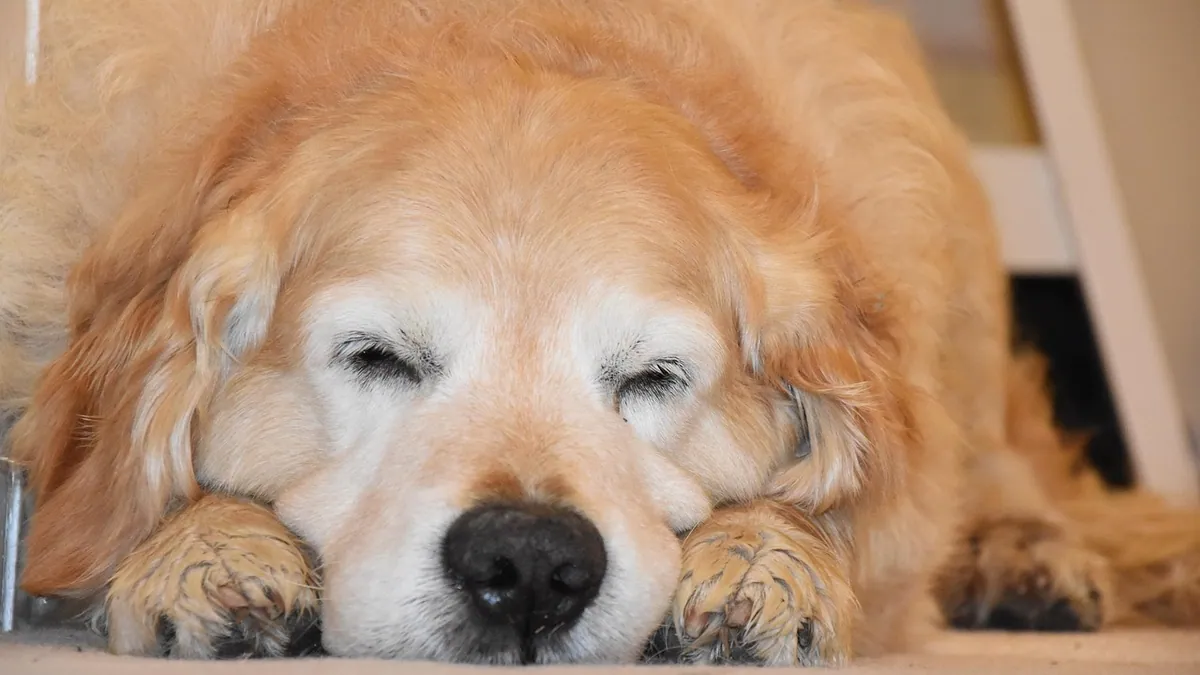
Dog sedation medication is any drug a veterinarian gives to calm your dog, reduce anxiety, or prepare them for anesthesia. These medicines are prescription-only, and the choice of drug depends on your dog's health, age, weight, and the procedure planned. Never give your dog a human sleep aid or leftover medication from another pet.
This article is educational and is not a substitute for veterinary diagnosis or treatment.
Quick Answer
- Dog sedation meds are prescription drugs. A veterinarian decides the type and dose based on your dog's weight, health history, and the procedure.
- Common sedatives include acepromazine, dexmedetomidine, medetomidine, and tasipimidine. Anesthesia drugs include tiletamine-zolazepam and propofol.
- Human sleep aids like Ambien and Lunesta can cause hyperactivity, aggression, or severe sedation in dogs and should never be given [1].
- Sedation depth is measured with scoring scales so the veterinary team can adjust the dose during the visit [2].
- Call your veterinarian or a pet poison control line right away if your dog gets into sedation pills or shows trouble breathing, collapse, or extreme drowsiness.
What Is Dog Sedation Medication and What Is It Used For?
Dog sedation medicine is a broad category. It covers mild tranquilizers that take the edge off anxiety, moderate sedatives that make your dog drowsy and easier to handle, and injectable drugs that produce deep sedation or full anesthesia.
Veterinarians use these drugs for several reasons:
- Anxiety and stress relief. Some dogs panic at the clinic, during thunderstorms, or on car rides. A sedative can lower that stress so the visit can happen safely [3].
- Chemical restraint for procedures. Radiographs, blood draws, wound care, and nail trims may need a dog to hold still. Sedation makes that possible without force [2].
- Pre-anesthetic medication. A sedative given before surgery calms your dog and reduces the amount of anesthetic needed to induce sleep [4].
- Anesthetic induction and maintenance. Drugs like tiletamine-zolazepam and propofol produce unconsciousness for surgery or short procedures [5][6].
- Diagnostic imaging. Orthopedic radiographs often require a specific level of sedation so the dog stays still and the images are usable [2].
If your dog takes anxiety medication at home and may need sedation for a procedure, tell your veterinarian about every drug and supplement your dog receives. Mixing classes of drugs can change how each one works. For more on that topic, see Dog Anxiety Medication and Other Drugs: Dangerous Interactions.
How Do Dog Sedation Meds Work?
Different dog sedation pills and injectables work on different parts of the nervous system.
Acepromazine is a tranquilizer. It blocks dopamine receptors in the brain, which reduces excitement and produces calmness. A recent study found that giving acepromazine through the oral transmucosal route (absorbed through the mouth lining) raised sedation scores in healthy dogs within an hour [7]. Acepromazine also lowers heart rate and blood pressure, so veterinarians use it carefully in dogs with certain heart conditions [7].
Dexmedetomidine and medetomidine are alpha-2 agonists. They act on receptors in the brain and spinal cord to produce sedation, muscle relaxation, and pain relief. These drugs are often combined with an opioid like methadone for pre-anesthetic sedation [8][4]. A newer product pairs medetomidine with vatinoxan, a drug that reduces the slow heart rate and blood vessel narrowing that medetomidine can cause [4].
Tasipimidine is an oral alpha-2 agonist used before surgery. In a clinical study, dogs that received tasipimidine 45 minutes before admission showed significantly less anxiety and better handling quality than dogs that received a placebo [3].
Tiletamine-zolazepam is a combination anesthetic. Tiletamine blocks NMDA receptors, and zolazepam boosts GABA activity. Together they produce rapid anesthesia for short procedures or as an induction drug in dogs [5].
Propofol is an injectable anesthetic used to induce general anesthesia. Its dose can be reduced when a sedative like dexmedetomidine is given first [6].
The right drug and the right depth of sedation matter. Veterinary teams use sedation scales to judge whether a dog is calm enough for a procedure without restraint. One study established threshold scores that predicted whether orthopedic radiographs could be completed safely [2].
Dosing Basics for Dog Sedation Meds
Who decides the dose?
Your veterinarian does. There is no safe at-home dose chart for dog sedation medication. The dose depends on your dog's weight, body condition, age, organ function, other medications, and the level of sedation needed. Even among published studies, doses vary by protocol and are adjusted to effect [5][6].
How is it given?
Routes include:
- By mouth (oral). Pills or liquid given before a visit. Tasipimidine is one example of an oral premedication given about 45 minutes before admission [3].
- Oral transmucosal. The drug is absorbed through the gums and mouth lining. Acepromazine given this way increased sedation scores in a hospital setting [7].
- Intramuscular (IM). Injected into a muscle. Where the injection goes can affect sedation quality. One study found that injecting medetomidine and methadone into the quadriceps or at a specific acupuncture point on the head produced higher sedation scores than injecting into the lumbar back muscles [8].
- Intravenous (IV). Given directly into a vein for rapid effect, often for anesthetic induction. IV doses are titrated to clinical effect [5].
What if a dose is missed?
If your dog is prescribed an oral sedative at home and you miss a dose, do not double up. Call your veterinarian for instructions. If the missed dose was part of a pre-surgical plan, tell the clinic before you arrive so the team can adjust the protocol.
Side Effects of Dog Sedation Medicine
| Side effect | How common or serious | What to do |
|---|---|---|
| Sleepiness, wobbliness, droopy eyes | Common and expected during sedation | Keep your dog warm, quiet, and away from stairs until fully awake |
| Lower heart rate | Common with alpha-2 agonists like dexmedetomidine and medetomidine [6][4] | The veterinary team monitors this during the visit |
| Lower blood pressure | Can occur with acepromazine and with medetomidine-vatinoxan combinations [7][4] | Monitored by the clinic. Report collapse or weakness after you get home |
| Slow or noisy breathing | Serious | Call your veterinarian right away if your dog is breathing slowly or with effort |
| Vomiting or nausea | Possible during recovery | Keep your dog calm. Call the clinic if vomiting repeats |
| Excitement or aggression instead of calmness | Can happen if a dog receives a human sleep aid [1] | Never give human sleep aids. If your dog ingested one, call poison control now |
| Prolonged sedation that does not wear off | Serious | Contact your veterinarian the same day |
Recovery quality varies. Tiletamine-zolazepam, for example, has different recovery profiles between species because dogs and cats metabolize it at different rates [5]. Your dog's age, body fat, liver function, and other drugs all affect how long sedation lasts.
If your dog is on anxiety medication at home, review the side effect profile of those drugs too. See Dog Anxiety Medication Side Effects: What to Watch For.
Who Should Not Take Dog Sedation Medication?
Sedation is not one-size-fits-all. Certain dogs need different drugs or extra monitoring.
- Dogs with heart disease. Acepromazine lowers heart rate and blood pressure [7]. Alpha-2 agonists like dexmedetomidine also reduce heart rate [6]. Your veterinarian will choose a protocol based on your dog's cardiac status.
- Dogs with liver or kidney disease. Drug metabolism and clearance can be affected. Tiletamine-zolazepam is contraindicated in cats with cardiorespiratory, hepatic, or renal disease, and similar caution applies when selecting drugs for dogs with organ disease [5].
- Dogs with low blood pressure. Medetomidine-vatinoxan has been shown to cause more hypotension during general anesthesia compared to medetomidine alone [4].
- Dogs taking other sedatives, opioids, or anxiety drugs. Drug interactions can deepen sedation or affect breathing and heart rate. Always disclose every medication and supplement.
- Dogs that have reacted badly to sedation before. Tell your veterinarian about any past reaction, even if it seemed mild.
Never give your dog a human sleep aid. Ambien and Lunesta are made for people, and in dogs they can cause the opposite of sleep, including hyperactivity, aggression, severe sedation, and loss of balance [1]. If you are unsure whether a human medication is safe for your dog, read What Human Medications Are Safe for Dogs? A Vet's Guide to Over-the-Counter Options.
Overdose and When to Call for Help
An overdose of dog sedation medication can be life-threatening. Signs include extreme drowsiness that you cannot wake your dog from, slow or shallow breathing, a very slow heart rate, collapse, vomiting while unconscious, or a body temperature that feels cold.
If you think your dog ate sedation pills, anxiety medication, or a human sleep aid, act fast. Call your veterinarian or a pet poison control hotline immediately. Have the bottle or packaging ready so you can tell them the drug name, strength, and how much your dog may have swallowed.
Do not wait for symptoms to appear. Some sedatives take 30 to 60 minutes or longer to reach peak effect, and your dog may look normal at first [3][7].
If your dog is unconscious, struggling to breathe, or having a seizure, go to the nearest emergency veterinary hospital now.
Limitations and When to Contact a Veterinarian
This article covers general information only. Every dog responds differently to sedation, and only your veterinarian can evaluate your dog's specific risks.
Call your veterinarian the same day if:
- Your dog is more drowsy than expected and hard to rouse hours after the procedure
- Your dog vomits more than once after sedation
- Your dog seems weak, wobbly, or unsteady longer than the clinic told you to expect
- Your dog will not eat or drink several hours after coming home
Go to an emergency clinic now if:
- Your dog is breathing slowly, shallowly, or with visible effort
- Your dog collapses or cannot stand
- Your dog has a seizure
- Your dog's gums are pale, blue, or white
- Your dog will not wake up
Schedule a routine visit if:
- You want to discuss sedation options for an upcoming procedure
- Your dog has a history of bad reactions to sedation
- Your dog takes anxiety medication and you want to review interactions before a sedated visit
Frequently Asked Questions
Can I give my dog human sleep aids?
No. Human sleep aids like Ambien and Lunesta can cause hyperactivity, aggression, severe sedation, and loss of balance in dogs [1]. Giving them without veterinary guidance is dangerous and can lead to an emergency. If your dog has trouble sleeping, talk to your veterinarian about safe options.
Are dog sedation pills the same as dog anesthesia drugs?
No. Sedation pills make your dog calm and drowsy but still responsive. Anesthesia drugs like tiletamine-zolazepam and propofol produce unconsciousness for surgery [5][6]. Some drugs can do both depending on the dose and route, which is why a veterinarian must set the protocol.
How long does sedation last in dogs?
It depends on the drug, the dose, your dog's size, and how well your dog's liver and kidneys clear the medication. Some oral premedications are given about 45 minutes before a procedure and peak around that time [3]. Injectable drugs used for anesthesia may wear off faster but require monitoring during recovery. Your veterinarian will give you a time range based on the specific protocol.
Is it safe to sedate an older dog?
Often yes, but older dogs need a tailored plan. Age-related changes in the heart, liver, and kidneys affect how a dog handles sedation. Your veterinarian may recommend blood work before the visit and choose drugs with a gentler cardiovascular profile. The goal is always the lowest effective dose with the safest drug for your dog's health status.
What should I tell my veterinarian before my dog is sedated?
Tell them every medication, supplement, and herbal product your dog takes, any past reaction to sedation, and any health conditions like heart murmurs or kidney disease. Also mention if your dog has eaten recently. This information helps your veterinarian pick the safest drug and dose for your dog.
Related Articles
- What Human Medications Are Safe for Dogs? A Vet's Guide to Over-the-Counter Options
- Dog Anxiety Medication and Other Drugs: Dangerous Interactions
- Dog Apoquel: How It Works, Side Effects, and Safety
- Dog Anxiety Medication Side Effects: What to Watch For
- Dog Vomiting: What Medicine Can You Give? Safe Options and What to Avoid
- Can I Give My Dog Human Anxiety Medication? Safety and Risks
- Dog Sedation Side Effects: What to Expect
- Dog Sedation vs Anesthesia: What's the Difference?
- Sedating a Dog for a Flight: Safe Options and Risks
References
- Is Giving a Dog Sleeping Pills Safe. Pet Poison Helpline.
- Establishment of a sedation threshold score for orthopedic radiographs in dogs and evaluation of inter-rater reliability and accuracy of video-based assessment. The Canadian veterinary journal = La revue veterinaire canadienne, 2026.
- Preoperative Oral Tasipimidine in Dogs Undergoing Elective Ovariectomy: Anxiolysis, Handling Quality and Cardiovascular Effects. Veterinary sciences, 2026.
- Medetomidine-vatinoxan-methadone and acepromazine-methadone: comparison of sedative and cardiovascular properties as a preanaesthetic medication in healthy dogs. Acta veterinaria Scandinavica, 2025.
- A narrative review of the clinical applications of tiletamine-zolazepam in canine and feline anesthesia. Frontiers in veterinary science, 2026.
- Acepromazine does not enhance sedation or reduce propofol requirements when combined with dexmedetomidine in dogs. Topics in companion animal medicine, 2026.
- Oral transmucosal administration of acepromazine to healthy dogs leads to increased sedation scores in a hospital setting. The Journal of small animal practice, 2026.
- Randomised, blinded clinical trial comparing dogs' sedation scores following methadone-medetomidine injection at Governing Vessel 20, the epaxial lumbar muscles or the quadriceps muscles. The Veterinary record, 2026.