Cat Breathing Treatments: Medicines and Home Care
By Dr. Zubair Khalid, DVM, MS, PhD ·
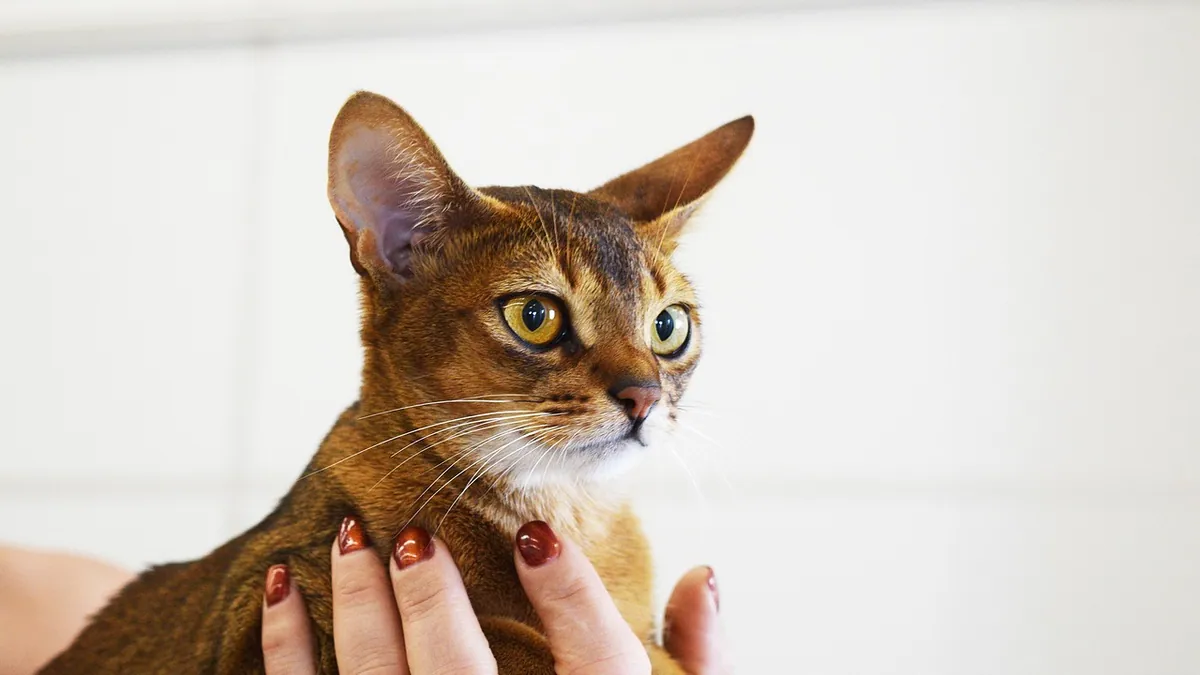
Cat breathing treatment depends on the cause. Some cats need an inhaler for asthma, others need oral steroids, antibiotics, or emergency oxygen. Your veterinarian will diagnose the problem first, then choose the medicine and dose that fit your cat.
This article is educational and is not a substitute for veterinary diagnosis or treatment.
Quick Answer
- Breathing problems in cats have many causes. In one study of 258 severely dyspneic cats, respiratory causes accounted for 33% of cases, cardiac causes 25%, and both traumatic and neoplastic causes 21% each [1].
- Inhaled glucocorticoids are a common treatment for feline asthma and other lower airway disease [2].
- Oxygen therapy is a first-line support for cats with low blood oxygen. High-flow nasal cannula oxygen helped seven cats that failed oxygen cage or flow-by therapy, with improvement in respiratory rate, effort, and oxygen saturation within one hour [3].
- Never give a cat human breathing medicine or leftover pet medicine without veterinary direction. The dose depends on your cat's weight, condition, and other health problems.
- Labored breathing, open-mouth breathing, or blue gums are emergencies. Go to a vet now.
What Cat Breathing Medicine Is and What Veterinarians Use It For
Cats develop breathing problems for many reasons. Respiratory diseases are common in cats, and signs like coughing and labored breathing are usually caused by problems in the respiratory tract, though they can also come from other organ systems [4].
Your veterinarian will sort out which category your cat falls into. Common causes include:
- Lower airway disease (asthma and chronic bronchitis). Feline lower airway disease is a spectrum of inflammatory conditions, and asthma is commonly treated with inhaled glucocorticoids [2].
- Heart disease. Cardiac causes made up 25% of severe dyspnea cases in one emergency study [1].
- Pleural effusion, which is fluid around the lungs. It was present in 39% of the cats in that same study, with cardiac, respiratory, neoplastic, and traumatic origins [1].
- Infections, including viral and bacterial pneumonia.
- Cancer and trauma, which each accounted for 21% of cases in the emergency study [1].
- Laryngeal paralysis, an uncommon but potentially life-threatening upper airway obstruction [5].
Because the causes are so different, the treatments are different too. A cat with asthma may get an inhaler. A cat with pleural effusion may need the fluid drained. A cat with laryngeal paralysis may need surgery. In one report, eight cats with laryngeal paralysis had severe dyspnea and inspiratory stridor and did not respond to medical stabilization, so they needed emergency surgery [5].
The main categories of cat breathing medicine
Inhaled medicines. These are delivered through a spacer and mask. Inhaled glucocorticoids are the standard anti-inflammatory treatment for feline asthma and related lower airway disease [2]. Some cats also get inhaled bronchodilators.
Oral medicines. Steroids like prednisolone are common for inflammatory airway disease. Bronchodilators, antibiotics, and other drugs may be added depending on the cause. Long-term corticosteroid use has adverse effects, which is why vets look for ways to reduce or replace it when possible [6].
Injectable medicines. These are used when a cat cannot take pills or when a fast effect is needed.
Oxygen therapy. Oxygen is a treatment, not a cure, but it buys time. Cats who fail oxygen cage or flow-by therapy may be switched to high-flow nasal cannula oxygen, which improved respiratory parameters in seven cats within an hour [3].
Supportive and advanced care. In severe cases, cats may need mechanical ventilation. One cat with calicivirus pneumonia and acute respiratory distress syndrome received intratracheal porcine surfactant, and lung compliance improved after the dose [7]. This is intensive care, not home care.
How Cat Breathing Medicine Works
Each drug class works differently.
Inhaled glucocorticoids reduce inflammation in the airways. They are delivered directly to the lungs, which limits how much of the drug spreads through the whole body. This matters because cats on long-term oral steroids can have side effects, and reducing that exposure is a goal of treatment [6].
Bronchodilators relax the smooth muscle around the airways so air moves more easily. They treat the symptom, not the underlying inflammation, so they are usually paired with an anti-inflammatory drug.
Oral steroids work throughout the body to calm inflammation. They are useful when inhaled treatment is not enough or when a cat will not tolerate a mask.
Antibiotics only help if bacteria are involved. They do nothing for asthma or viral infections.
Oxygen raises the amount of oxygen in the blood. When blood oxygen is too low, the body tries to compensate by breathing deeper and faster, squeezing more red blood cells out of the spleen, and raising heart rate and blood flow [4]. If the brain is starved of oxygen, breathing can slow further, and heart, kidney, liver, and intestinal function can decline [4]. That is why oxygen support matters in a crisis.
Diuretics and heart medicines are used when the problem is cardiac instead of respiratory. Since cardiac causes are a large share of dyspnea cases [1], a vet may treat the heart even when the obvious sign is trouble breathing.
Dosing Basics for Cat Breathing Medicine
Who decides the dose
Your veterinarian does. The dose depends on your cat's weight, the diagnosis, other health conditions, and what other medicines your cat takes. Never adjust a dose on your own and never give a drug prescribed for another pet or a person.
How it is given
Inhalers. You attach the inhaler to a spacer chamber and a face mask. You place the mask over your cat's nose and mouth and press the canister. Most cats tolerate this better than owners expect, especially with treats and a calm routine. Ask your vet to show you the technique in person.
Pills. Some cats take pills in food or a pill pocket. Others need a pill popper or a gentle hand technique. If your cat fights pills, ask about liquid or transdermal options.
Liquids. Use the dosing syringe that comes with the medicine, not a kitchen spoon.
Oxygen at home. Some owners are sent home with an oxygen setup. Follow the flow rate and timing your vet gives you exactly.
Missed doses
If you miss a dose, give it when you remember unless it is almost time for the next one. Do not double up. If you are unsure, call your vet's office. For a cat in respiratory distress, a missed dose is not the main concern. Get help.
A note on timing
Give breathing medicines on a steady schedule. Cats with asthma do better when treatment is consistent, because the goal is to keep airway inflammation controlled instead of chasing flare-ups.
If your cat is coughing instead of wheezing, our guide to Cat Coughing Treatment At Home covers what you can do between vet visits.
Side Effects of Cat Breathing Medicine
| Side effect | How common or serious | What to do |
|---|---|---|
| Increased thirst, appetite, and urination | Common with oral steroids, usually not dangerous | Mention it at the next visit. Watch for diabetes signs |
| Vomiting or stomach upset | Common, usually mild | Give with food if your vet approves. Call if it continues |
| Restlessness or pacing | Common with bronchodilators, usually mild | Note the timing and tell your vet |
| Fast heart rate | Possible with bronchodilators, can be serious in heart disease | Call your vet the same day |
| Mask or handling stress | Common with inhalers | Practice calmly, use treats, ask your vet for a demo |
| Trouble breathing that gets worse | Serious | Emergency visit now |
| Blue or gray gums, collapse, open-mouth breathing | Life-threatening | Emergency visit now |
If vomiting is the main problem, see What to Do If Your Cat's Medication Is Causing Vomiting: Home Care and When to Call the Vet.
Some cats get anxious about the mask or the vet visits. If that sounds like your cat, Cat Anxiety Medication: What You Need to Know explains the options.
Who Should Not Take These Medicines and What Interacts With Them
This section is general. Your vet will apply it to your cat.
Cats with heart disease need extra care with bronchodilators, which can raise heart rate. Cardiac disease is a common cause of breathing trouble in cats [1], so the heart status matters before treatment starts.
Cats with diabetes may see blood sugar rise on oral steroids. Your vet may adjust monitoring or choose a different drug.
Cats with kidney disease need dose adjustments for many drugs. Bloodwork before starting treatment helps.
Cats with active infections may need treatment for the infection first. Steroids can worsen some infections.
Cats on multiple medicines can have interactions. Tell your vet everything your cat takes, including supplements and flea products.
Cats who cannot be handled may do better with a different delivery method. That is a practical limit, not a medical one, and it is worth discussing.
Overdose and When to Call for Help
If you think your cat got too much medicine, call your veterinarian or a pet poison control hotline right away. Have the bottle with you so you can read the drug name, strength, and how much was in it.
Signs that suggest a problem include vomiting, drooling, wobbling, fast or irregular heartbeat, extreme sleepiness, agitation, or trouble breathing.
If your cat is struggling to breathe, do not wait for a phone call back. Go to the nearest emergency clinic. Cats with severe dyspnea often cannot tolerate a lot of testing on arrival, which is why emergency vets focus on stabilizing breathing first [1].
Limitations and When to Contact a Veterinarian
Home care has limits. Oxygen, injectable drugs, and mechanical ventilation are hospital treatments. A cat who needs them cannot be managed at home.
Call your veterinarian the same day if:
- Your cat's breathing is faster or harder than usual but still comfortable at rest.
- Your cat coughs more often or coughs up fluid.
- Your cat refuses food or seems weak.
- You see a new side effect from a medicine.
- You miss several doses.
Go to an emergency clinic now if:
- Your cat breathes with an open mouth.
- Your cat's gums are blue, gray, or pale.
- Your cat stretches the neck out, elbows out, and struggles for each breath.
- Your cat collapses or cannot stand.
- Your cat makes a loud raspy noise on every breath. This can signal upper airway obstruction like laryngeal paralysis, which can be life-threatening and may need emergency surgery [5].
Schedule a routine visit if:
- Your cat's breathing is stable but the cough has changed.
- You want to review the treatment plan or try to lower the steroid dose.
- Your cat needs a refill and has not been seen in a while.
Every cat is different, and only a veterinarian who examines your cat can decide what is safe for your cat.
Frequently Asked Questions
Can I use a human inhaler on my cat?
Only if your veterinarian prescribes it and tells you the exact dose. Human inhalers come in strengths made for people, and cats are much smaller. Your vet may prescribe an inhaled glucocorticoid, which is a standard treatment for feline asthma [2], but the drug and dose must come from your vet.
How do I give my cat an inhaler without a fight?
Use a spacer and mask, keep sessions short, and pair them with treats and a calm routine. Most cats accept the mask once they learn it leads to food. Ask your vet to watch you do it once so they can correct your technique.
Is my cat's breathing medicine safe long term?
It depends on the drug. Inhaled steroids have fewer whole-body effects than oral steroids, which is one reason they are preferred for asthma. Oral steroids work well but can cause side effects over time, and vets look for ways to reduce that exposure [6]. Regular checkups and bloodwork help catch problems early.
What if my cat's breathing gets worse after treatment starts?
Call your vet right away or go to an emergency clinic. Worsening breathing can mean the diagnosis is wrong, the dose is too low, or a new problem has started. Do not wait to see if it improves on its own.
Can breathing problems in cats be cured?
Some can be managed well, and some resolve with treatment. Asthma is usually controlled, not cured. Infections may clear with the right antibiotic. Laryngeal paralysis often needs surgery, and in one report all eight cats showed immediate improvement after a partial arytenoidectomy [5]. Your cat's outlook depends on the cause.
If your cat also has dental disease, treating it can remove one more source of chronic inflammation. See Home Dental Care for Cats: Brushing Alternatives and Dental Treats. And if your cat has a runny nose, sneezing, and eye discharge along with breathing changes, Cat Upper Respiratory Infection Treatment walks through what vets typically do.
Related Articles
- Cat Coughing Treatment At Home
- Cat Anxiety Medication: What You Need to Know
- What to Do If Your Cat's Medication Is Causing Vomiting: Home Care and When to Call the Vet
- Home Dental Care for Cats: Brushing Alternatives and Dental Treats
- Cat Upper Respiratory Infection Treatment
- Dental Care for Dogs and Cats: Home Brushing, Professional Cleaning, and Prevention
- How to Treat Cat Asthma: Inhalers, Meds, and Attacks
- Cat Respiratory Infection: Home Care and When to Call the Vet
- Labored Breathing in Cats: Causes, Treatment, and When to Worry
- Bacterial Respiratory Infections in Cats: Etiology, Clinical Signs, and Treatment
- Feline Upper Respiratory Infections: Causes, Transmission, and Treatment
References
- Emergency Dyspnea in 258 Cats: Insights from the French RAPID CAT Study. Veterinary sciences, 2025.
- Numerical modelling of airflow and aerosol particle delivery in cats with bronchial and non-bronchial disease. Journal of biomechanics, 2026.
- High-flow nasal cannula oxygen therapy in seven cats with respiratory failure. Journal of feline medicine and surgery, 2024.
- Introduction to Lung and Airway Disorders of Cats - Cat Owners. Merck Veterinary Manual.
- Transoral Endoscopic-Assisted Partial Arytenoidectomy as a Treatment for Laryngeal Paralysis in Eight Cats. Animals : an open access journal from MDPI, 2026.
- Intramuscular administration of mesenchymal stromal cells in a cat with asthma: case report. Journal of veterinary internal medicine, 2026.
- Administration of porcine surfactant in the treatment of a fatal case of acute respiratory distress syndrome in a cat with calicivirus pneumonia. JFMS open reports, 2026.