What Can I Give My Cat for Travel Sickness and Anxiety?
By Dr. Zubair Khalid, DVM, MS, PhD ·
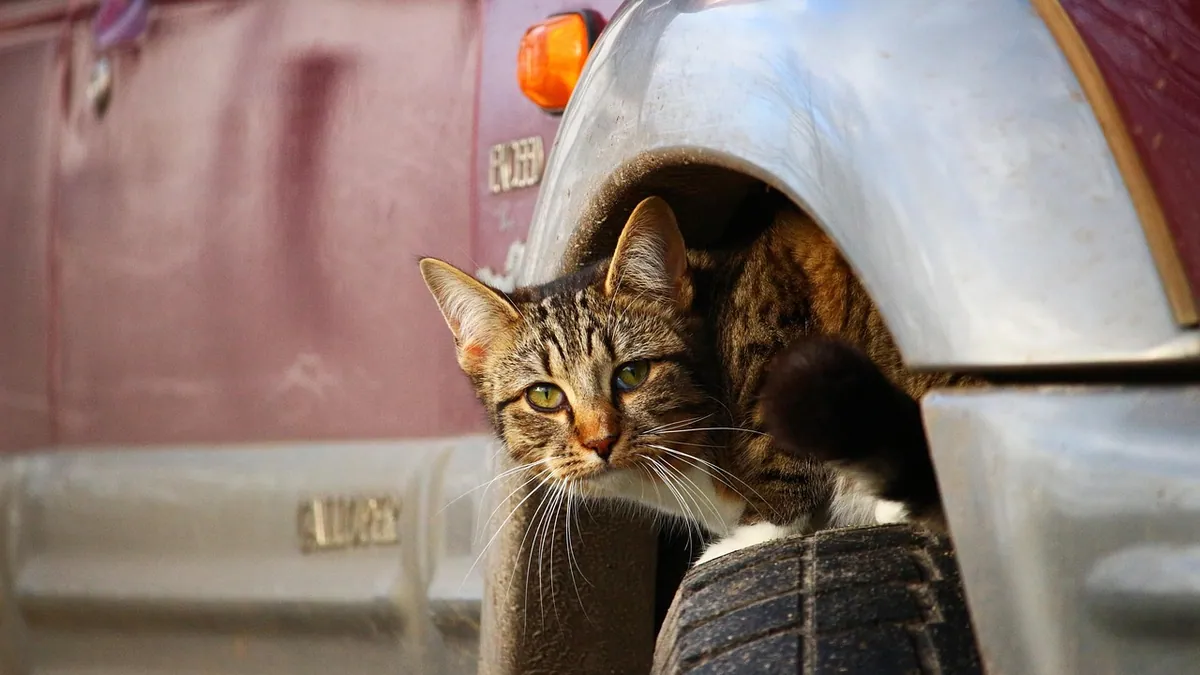
What can I give my cat for travel sickness? The safest answer is a medication your veterinarian prescribes, because several drugs that work in dogs and people do not work well in cats [1]. For mild cases, you can also reduce stress with preparation and non-drug calming methods before you ever reach for a pill. This article is educational and is not a substitute for veterinary diagnosis or treatment.
Quick Answer
- Never give human motion sickness drugs, antihistamines, or anti-nausea pills to your cat without veterinary guidance. Some medications that treat motion sickness in dogs and people are not effective in cats, and your veterinarian can prescribe the right one [1].
- Maropitant is the anti-nausea drug with the strongest evidence in cats. In a pooled analysis of controlled studies, it reduced vomiting risk by about 80 percent compared with no treatment [2].
- Gabapentin and trazodone are oral medications that veterinarians sometimes use to reduce fear and stress in cats, though research on how well they work is still limited [3].
- Motion sickness in cats comes mainly from the inner ear, and fear of the car can make signs worse, even when the vehicle is not moving [1].
- Start with a carrier your cat already trusts, a short practice drive, and a calm, quiet setup. Many cats improve with conditioning alone [1].
What Veterinarians Give Cats for Travel Sickness and Anxiety
Anti-nausea medications
Maropitant is the anti-nausea medication most studied in cats. A systematic review and meta-analysis of controlled feline studies found that maropitant significantly reduced the risk of vomiting compared with control, with emesis occurring in 11 of 141 treated cats versus 70 of 152 untreated cats [2]. That is a meaningful difference for a cat who drools and vomits every time the car moves.
Other anti-nausea drugs your veterinarian may consider include ondansetron and metoclopramide. These were included in the same review of receptor-targeted antiemetic strategies in cats [2]. Which one fits your cat depends on the trigger, the timing of the trip, and your cat's other health conditions.
Anxiety and sedation medications
Gabapentin and trazodone are two oral medications that appear in feline research on reducing fear and stress during handling and travel [3]. A scoping review of 37 studies found that many of these agents showed potential for reducing fear-based behaviors or producing sedation when given by mouth, though palatability and other practical issues varied [3].
Benzodiazepines and other sedatives also appear in that research, but they carry more risk and are usually reserved for specific situations [3]. Your veterinarian decides whether your cat needs a mild calming effect or deeper sedation.
What about cannabidiol (CBD)?
CBD has become popular for pet anxiety, but the evidence in cats is thin. A review of cannabidiol in small animal practice found that evidence for anti-anxiety effects is more consistent in chronic stress than in acute fear responses, and clinical data in cats are limited [4]. Mild side effects such as stomach upset and sedation have been reported in both dogs and cats [4]. If you want to try CBD, talk to your veterinarian first, because dosing and product quality are not standardized.
How These Medications Work
Motion sickness starts in the inner ear, which has direct connections to the brainstem [1]. When the signals from the inner ear, the eyes, and the body do not match, the brain triggers nausea, drooling, and vomiting. Fear of the car adds a second layer, and in cats, that fear can cause signs even in a parked vehicle [1].
Maropitant blocks a receptor in the brain that triggers the vomiting reflex, which is why it works well for motion-related nausea. Ondansetron and metoclopramide act on different receptors in the same pathway [2].
Gabapentin and trazodone work on the nervous system to lower arousal and fear [3]. They do not treat nausea directly. If your cat gets sick because she is terrified, calming her can reduce the drooling and vomiting that fear causes. If she gets sick because her inner ear is sensitive to motion, she may need an anti-nausea drug too.
Researchers are also studying orexin-A, a brain chemical that reduced motion-induced nausea and vomiting in rat and cat models [5]. This is not a treatment you can get today, but it shows that motion sickness research in cats is active.
Dosing Basics for Cats
Who decides the dose
Your veterinarian does. Cats metabolize drugs differently from dogs and people, and some motion sickness medications that work in dogs are not effective in cats [1]. Your vet will calculate the dose from your cat's weight, age, health history, and other medications. Never split a human pill or guess a dose based on your cat's size.
How the medication is given
Most of these medications are given by mouth, usually as a tablet, capsule, or liquid. The scoping review on oral anxiolytic and sedative medications in cats noted that palatability can be a problem, meaning some cats refuse the medication or spit it out [3]. Ask your veterinarian whether the drug can be hidden in a small amount of food, or whether a flavored liquid or transdermal option exists.
Timing matters. Some medications need to be given one to two hours before travel so they are working when the car starts moving. Ask your vet exactly when to give each dose.
What to do about a missed dose
If you forget a dose and you are still hours from leaving, call your veterinarian's office for guidance. Do not double the next dose to catch up. If you are already in the car and realize you missed it, do not pull over and give a pill in a moving or unfamiliar setting, because stress can make vomiting worse. Note the missed dose and mention it at your next visit.
Side Effects: What to Watch For
| Side effect | How common or serious | What to do |
|---|---|---|
| Sleepiness or sedation | Common with calming drugs. Usually mild and expected [3] | Let your cat rest in a quiet place. Do not give a second dose |
| Drooling, vomiting, diarrhea | Common with motion sickness itself, and possible with some medications [1][4] | Withhold food for a short time if your vet agrees. Call if it continues |
| Stomach upset from CBD | Reported in both dogs and cats, usually mild [4] | Stop the product and call your veterinarian |
| Loss of balance or wobbliness | Less common, more likely with higher doses of sedatives [3] | Keep your cat confined and call your vet the same day |
| Trouble breathing, collapse, severe weakness | Rare but serious | Treat as an emergency and go to a veterinary hospital now |
Sedation was the most commonly reported adverse effect in a survey of veterinarians who used certain injectable drugs to induce vomiting in cats, which shows how sensitive cats can be to drugs that affect the nervous system [6]. Oral travel medications are different from those injectables, but the lesson holds. Watch your cat closely after any new medication.
Who Should Not Take These Medications
Cats with liver or kidney disease, heart conditions, or a history of seizures may not be good candidates for certain anti-nausea or sedative drugs. Young kittens, pregnant or nursing cats, and cats recovering from surgery need extra caution. Tell your veterinarian about every medication, supplement, and CBD product your cat takes, because interactions can change how a drug works or increase side effects [4].
Do not combine a prescribed sedative with alcohol-based products, human sleep aids, or other sedatives unless your veterinarian specifically approves it. If your cat is already on a behavior medication, your vet needs to know before adding anything for travel.
Overdose and When to Call for Help
If your cat gets into a bottle of medication or you gave too much by mistake, call for help right away. Contact your veterinarian or an animal poison control hotline. The ASPCA Animal Poison Control Center is available at (888) 426-4435, and the Pet Poison Helpline is available at (855) 764-7661. Keep the medication bottle with you so you can tell them exactly what was taken and how much.
Signs of overdose can include extreme sleepiness, wobbliness, vomiting, a slow heart rate, or trouble breathing. Do not wait to see if your cat "sleeps it off." Call first, then follow their instructions.
Preparation Tips That Reduce Stress Without Sedation
You can lower your cat's travel anxiety before you ever open a pill bottle. Here is what helps.
- Get the carrier out days ahead. Leave it open in a room your cat likes, with a soft towel inside. Let her explore it on her own.
- Practice short drives. Start with the car parked and the engine off. Then a two-minute drive around the block. Build up slowly. Motion sickness can sometimes be overcome by conditioning the animal to travel [1].
- Cover the carrier. A light towel over the top can block visual motion and create a calmer, den-like space.
- Skip the big meal. A full stomach can make nausea worse. Ask your vet how long to withhold food before travel.
- Keep the car cool and quiet. Loud music and warm air increase stress and nausea.
- Bring familiar smells. A blanket or toy from home can help your cat feel safer.
- Plan breaks. Stop every couple of hours to check on your cat, but do not let her out of the carrier in an unfamiliar place.
For more on safe car setups and what to pack, see Cat Travel Safety and Traveling With Dogs and Cats: Health Checklist. If your cat's anxiety happens at home too, not just in the car, Cat Anxiety: Natural Remedies That Actually Work covers options that do not involve medication.
Limitations and When to Contact a Veterinarian
No article can tell you the right drug or dose for your cat. Individual cases need a veterinarian who can examine your cat, review her history, and prescribe accordingly.
Call your veterinarian the same day if your cat vomits more than once after a dose, seems unusually wobbly, refuses food for more than 12 hours, or has diarrhea that does not stop. These signs may be mild side effects, but they can also mean the dose is too high or the drug is not a good fit.
Go to an emergency clinic now if your cat has trouble breathing, collapses, has a seizure, or cannot stand. These are rare but serious reactions.
Schedule a routine visit before your trip if your cat has never traveled well. Your veterinarian can check for underlying problems, discuss conditioning, and prescribe medication with time to spare. If your cat is sneezing or showing other signs of illness before travel, see Cat Sneezing: When to Worry and How to Help before you hit the road. If vomiting is happening at home and not just in the car, Cat Vomiting: When to Worry and How to Help can help you sort out what is urgent.
Frequently Asked Questions
Can I give my cat Dramamine for car sickness?
No, not without asking your veterinarian first. Some medications that treat motion sickness in dogs and people are not effective in cats, and your veterinarian can prescribe an appropriate medication instead [1]. Human drugs also come in doses that are far too high for a cat.
Is Benadryl safe for cat travel anxiety?
Do not give diphenhydramine (Benadryl) to your cat for travel without veterinary guidance. It is not one of the medications studied for feline travel anxiety in published veterinary research, and cats can react differently to antihistamines than dogs do. Ask your veterinarian what is safe for your cat.
How long before a car ride should I give my cat calming medication?
It depends on the drug. Some medications need one to two hours to take effect, while others work faster or slower. Your veterinarian will tell you the exact timing based on what is prescribed and how long your trip will be.
Will calming medication make my cat sleep the whole trip?
Not necessarily. The goal is usually to reduce fear and nausea, not to knock your cat out. Sedation is a common side effect of many calming drugs [3], but the depth varies by drug and dose. Tell your veterinarian if you want your cat awake but relaxed.
Can I use CBD oil instead of a prescription for travel?
CBD is not a reliable substitute for a prescribed anti-nausea or anti-anxiety medication. Evidence for CBD's calming effects is stronger in chronic stress than in sudden fear, and data in cats are limited [4]. Talk to your veterinarian before using any CBD product, especially if your cat takes other medications.
Related Articles
- Cat Travel Safety
- Cat Sneezing: When to Worry and How to Help
- Traveling With Dogs and Cats: Health Checklist
- Cat Anxiety: Natural Remedies That Actually Work
- Cat Vomiting: When to Worry and How to Help
- How to Choose the Best Cat Carrier: Safe and Stress-Free Travel Tips
- Cat Car Sickness: What You Can Give Before Travel
- Cat Travel Sickness Medicine: Safe Options for Car Trips
- Cat Motion Sickness: Causes, Signs, and How to Help
References
- Motion Sickness in Cats - Cat Owners. Merck Veterinary Manual.
- Receptor-Targeted Antiemetic Strategies in Cats: A Systematic Review and Intervention-Specific Meta-Analysis. Veterinary medicine and science, 2026.
- Oral use of anxiolytic, sedative, and anaesthetic medications in domestic cats (Felis catus): A scoping review. Veterinary journal (London, England : 1997), 2026.
- Cannabidiol in small animal practice: current evidence, clinical applications and practical recommendations for dogs and cats. The Journal of small animal practice, 2026.
- Orexin-A and motion sickness: a systematic review of animal model studies. Frontiers in pharmacology, 2025.
- Inducing emesis in Australian dogs and cats: agents, adverse effects and antiemetic administration. Australian veterinary journal, 2025.