Acepromazine vs Trazodone for Dogs: Which Sedative?
By Dr. Zubair Khalid, DVM, MS, PhD ·
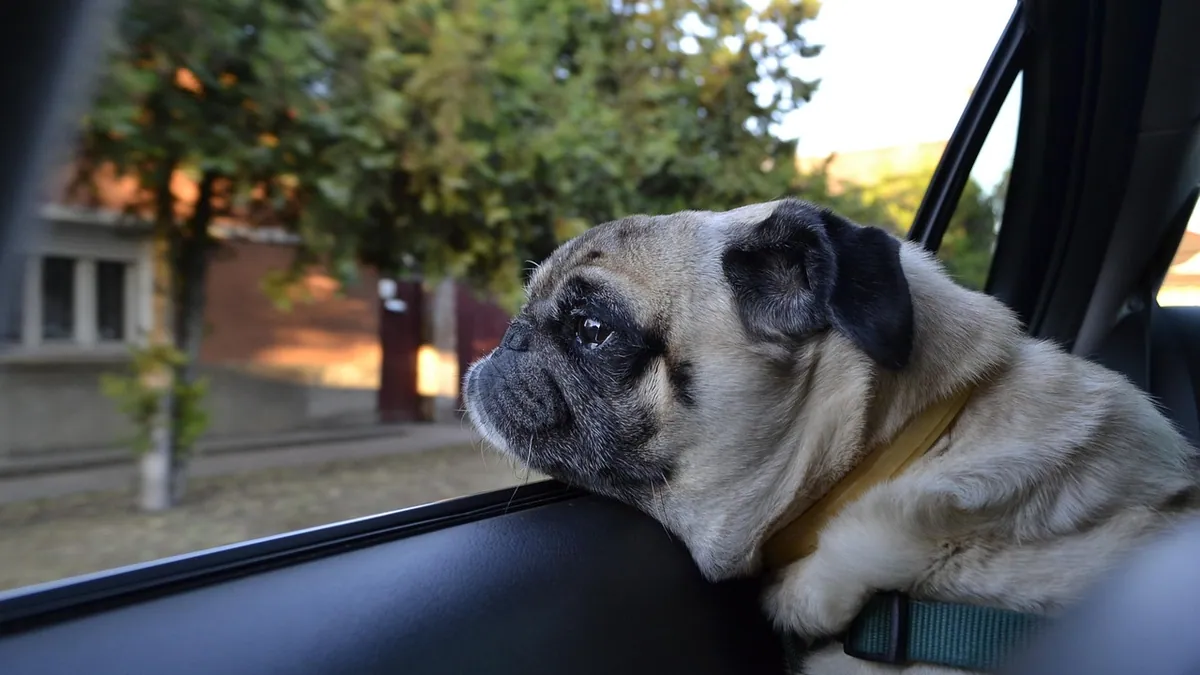
Acepromazine and trazodone are both prescription sedatives for dogs, but they work in completely different ways. Acepromazine is a fast-acting tranquilizer often used before vet procedures, while trazodone is an anti-anxiety medication that takes longer to kick in and lasts longer. When owners ask about acepromazine for dogs vs trazodone, the honest answer is that the right choice depends on the situation, the dog, and your veterinarian's exam findings.
This article is educational and is not a substitute for veterinary diagnosis or treatment.
Quick Answer
- Acepromazine is a phenothiazine tranquilizer that calms dogs by blocking dopamine receptors, and it also dilates blood vessels, which can lower blood pressure [1].
- Trazodone is a serotonin antagonist and reuptake inhibitor used off-label in dogs for situational fear and anxiety, including travel and noise fear [2].
- Acepromazine tends to produce sedation and ataxia (wobbliness), and some dogs show paradoxical excitement or aggression instead of calm [1].
- Combining acepromazine with trazodone is sometimes done, but only when a veterinarian designs the plan, because both drugs affect blood pressure, heart rate, and behavior.
- Never give either drug from an old prescription or a human bottle without talking to your vet first.
What Each Drug Is and What Veterinarians Use It For
Acepromazine
Acepromazine is a phenothiazine tranquilizer and sedative. It works by inhibiting central dopaminergic receptors, and it also has muscarinic action and blocks norepinephrine and adrenergic receptors [1]. Because it affects alpha-1 receptors in vascular smooth muscle, it can cause vasodilation, meaning blood vessels widen and blood pressure can drop [1].
Veterinarians use acepromazine as a behavior-modifying agent in animals with anxiety, and it is also used in horses with laminitis [1]. In dogs, it is commonly part of pre-anesthetic protocols. One study evaluated premedication with acepromazine, methadone, and dexmedetomidine or acepromazine and methadone in dogs undergoing sevoflurane anesthesia, which shows how often acepromazine appears in surgical planning [3]. For a deeper look at how it is used before procedures, see Acepromazine Sedation Dogs: Pre-Anesthetic Dose and Contraindications.
Trazodone
Trazodone is a serotonin antagonist and reuptake inhibitor, often shortened to SARI [4]. It is not approved for use in dogs, but it is commonly prescribed off-label for situational fear and anxiety, and it has shown efficacy in easing stress during veterinary visits and noise fear [2]. A road travel study found that a single dose reduced behavioral and physiological indicators of travel-induced anxiety in dogs [2].
Trazodone also affects sleep architecture. A study using electroencephalographic analysis in healthy dogs compared treated subjects with a control group and characterized brain activity across wakefulness, drowsiness, non-REM, and REM sleep states [4]. That is one reason veterinarians ask about your dog's normal sleep and energy level before prescribing it. For more on what to expect, read Trazodone for Dog Anxiety: How It Works and What to Expect.
How Acepromazine and Trazodone Work Differently
Acepromazine is a tranquilizer. It dulls the brain's response to stimulation and relaxes the body. It does not treat anxiety in the way a psychiatric medication does. A dog on acepromazine may look sleepy and unsteady, yet still feel fearful underneath. That mismatch is why some dogs do worse, not better, on it.
Trazodone works on serotonin signaling. Serotonin helps regulate mood, arousal, and sleep, so trazodone tends to reduce the emotional intensity of a stressful event. It is often chosen for dogs who panic during thunderstorms, car rides, or vet visits.
The practical difference shows up in timing and duration. Acepromazine acts relatively quickly, which is why it fits pre-procedure sedation. Trazodone is usually given ahead of a known stressor so it has time to build up in the system. Your veterinarian will tell you exactly when to give each one based on your dog and the event.
Dosing Basics: Who Decides, How It Is Given, and Missed Doses
Your veterinarian decides the dose. Never use a dose from a friend, a website, or an old bottle. The dose depends on your dog's weight, age, health conditions, other medications, and the goal (a vet visit, a car ride, or fireworks).
Acepromazine can be given by injection or by mouth. A study of oral transmucosal administration in healthy dogs found that sedation scores were significantly higher after treatment compared to baseline and significantly higher than a control group at the same time point, and heart rate and non-invasive blood pressure decreased after treatment [5]. That study used a specific research protocol, so it does not give you a dose to use at home. Your vet calculates it.
Trazodone is given by mouth. In the travel study, the trazodone group received 10 mg/kg, with a range of 9.4 to 12.8 mg/kg [2]. That is a research dose, not a prescription for your dog. Your veterinarian will set your dog's dose and may start lower to check tolerance. For weight-based details your vet may reference, see Trazodone Dog Anxiety Dose: Behavioral Sedation and Surgery Calm.
If you miss a dose, do not double up. Call your veterinarian's office and ask what to do. If you are not sure whether your dog swallowed the pill, treat it as a possible double dose and call for guidance.
Common and Serious Side Effects
| Side effect | How common or serious | What to do |
|---|---|---|
| Sedation and ataxia (wobbliness) with acepromazine | Common, expected effect [1] | Keep your dog away from stairs and furniture, and supervise until it wears off |
| Involuntary muscle movements, twitching, or dystonia with acepromazine | Reported, can be distressing [1] | Call your veterinarian the same day |
| Disinhibition or paradoxical excitation (excitement, anxiety, or aggression) with acepromazine | Reported in dogs [1] | Do not give another dose, and call your vet before the next event |
| Low blood pressure or fainting with acepromazine | Possible because of vasodilation [1] | Treat as an emergency if your dog collapses or cannot stand |
| Drowsiness and sleep changes with trazodone | Expected, since trazodone alters sleep cycles [4] | Mention it at your next visit if it lasts more than a day |
| Reduced anxiety during travel with trazodone | The intended effect in the travel study [2] | No action needed if your dog is calm and safe |
| Vomiting, diarrhea, or appetite loss with either drug | Possible with many oral sedatives | Call your vet if it continues past 24 hours |
Acepromazine's effects on heart rate and blood pressure are real. In one study, heart rate and non-invasive blood pressure decreased after oral transmucosal acepromazine [5]. Another study found that combining acepromazine with dexmedetomidine did not enhance sedation or reduce propofol requirements, and blood pressure dropped in one of the acepromazine groups [6]. These findings are why your vet checks your dog's heart and blood pressure before prescribing.
Trazodone's side effects are usually milder, but every dog is different. Watch for excessive sleepiness, unsteadiness, or changes in behavior. For a full list, see What Are the Side Effects of Trazodone for Dogs?.
Who Should Not Take These Drugs and What Interacts With Them
Acepromazine is generally avoided in dogs with certain heart conditions, low blood pressure, liver disease, or a history of seizures, because it can lower blood pressure and cause involuntary muscle movements [1]. Dogs who have shown aggression or extreme excitement on acepromazine before should not get it again without a new plan [1].
Trazodone is used with caution in dogs with liver or kidney disease, heart disease, or a history of seizures. It should not be combined with other serotonin-affecting drugs without veterinary supervision, because too much serotonin activity can cause a serious reaction.
Drug interactions matter for both. Acepromazine adds to the effects of other sedatives and anesthetics, which is why it is dosed carefully in surgical protocols [3]. Trazodone can interact with other behavior medications, certain pain medications, and some antibiotics. Always give your veterinarian a complete list of everything your dog takes, including supplements and over-the-counter products.
Acepromazine for Dogs With Trazodone: Why Combining Them Needs a Veterinarian
Some veterinarians do prescribe acepromazine and trazodone together. The idea is to pair trazodone's anxiety relief with acepromazine's physical sedation. This can help a dog who needs to be calm for a procedure or a long trip.
The combination is not a do-it-yourself plan. Both drugs can lower blood pressure, affect heart rate, and change behavior. Acepromazine alone can cause paradoxical excitement or aggression in some dogs [1], and adding another sedative can make that harder to predict. Only a veterinarian who has examined your dog, reviewed blood work if needed, and knows your dog's history should decide whether the pair is safe and at what doses.
If your dog is already on one of these drugs and you think the other would help, call your veterinarian. Do not add it yourself.
Overdose and When to Call for Help
Signs of overdose with either drug include extreme drowsiness that you cannot wake your dog from, collapse, slow or shallow breathing, a very slow heart rate, vomiting, or seizures. Acepromazine overdose can cause severe low blood pressure because of vasodilation [1]. Trazodone overdose can cause serotonin-related signs such as agitation, tremors, or a rapid heart rate.
If you suspect an overdose, call your veterinarian or an emergency clinic right away. You can also call the ASPCA Animal Poison Control Center at (888) 426-4435 or the Pet Poison Helpline at (855) 764-7661. Keep the pill bottle with you so you can tell them the drug, the strength, and how many pills may be missing.
Do not wait for symptoms to get worse. Early treatment is safer and often less expensive.
Limitations and When to Contact a Veterinarian
This article cannot tell you which drug is right for your dog. That decision needs a veterinarian who can examine your dog, check heart rate and blood pressure, review medications, and consider the specific event you are preparing for.
Call your veterinarian the same day if your dog shows involuntary muscle twitching, unusual aggression or excitement after acepromazine, vomiting that will not stop, or sleepiness that seems deeper than expected [1].
Go to an emergency clinic now if your dog collapses, cannot stand, breathes slowly or with effort, has a seizure, or will not wake up.
Schedule a routine visit if you are planning ahead for fireworks, travel, or a vet appointment. Your veterinarian can prescribe the right drug, set the dose, and tell you exactly when to give it.
Frequently Asked Questions
Which one works faster, acepromazine or trazodone?
Acepromazine generally works faster, which is why it is often used for pre-procedure sedation. Trazodone is usually given further ahead of a known stressor so it has time to take effect. Your veterinarian will give you a specific timing plan.
Can I give my dog acepromazine and trazodone together?
Only if your veterinarian prescribes both together. Combining them can affect blood pressure, heart rate, and behavior in ways that need professional monitoring. Never add a second sedative on your own.
Is trazodone safer than acepromazine?
Neither is universally safer. Acepromazine can cause low blood pressure, wobbliness, and paradoxical excitement in some dogs [1]. Trazodone changes sleep cycles and serotonin signaling [4]. The safer choice depends on your dog's health and the situation.
What if my dog gets more anxious instead of calmer?
Some dogs show disinhibition or paradoxical excitation on acepromazine, meaning they become more excited, anxious, or aggressive instead of calm [1]. Stop giving the drug and call your veterinarian. A different medication or a different class of drug may work better.
How long do the effects last?
Duration varies by drug, dose, and your dog. Acepromazine's half-life in horses is 2.5 hours, and species differences mean you should not apply that number directly to dogs [1]. Trazodone's effects depend on the dose and your dog's metabolism. Ask your veterinarian what to expect for your dog's specific prescription.
Related Articles
- Trazodone Dog Anxiety Dose: Behavioral Sedation and Surgery Calm
- Acepromazine Sedation Dogs: Pre-Anesthetic Dose and Contraindications
- What Are the Side Effects of Trazodone for Dogs?
- Trazodone Dosage for Dogs: Calming Post-Surgery Rest Dose by Weight
- Trazodone for Dog Anxiety: How It Works and What to Expect
- Dog Reverse Sneezing On Trazodone
- Dog Sedation Medications: Types, Uses, and Safety
- Weaning Your Dog Off Trazodone: What to Expect
- Dog Sedation vs Anesthesia: What's the Difference?
References
- Tranquilizers, Sedatives, and Analgesics for Treatment of Animals - Pharmacology. Merck Veterinary Manual.
- Acute trazodone administration reduces behavioral and physiological indicators of travel-induced anxiety in dogs in a road travel model. Frontiers in veterinary science, 2026.
- Sedative and cardiovascular effects of premedication with acepromazine, methadone and dexmedetomidine in sevoflurane-anaesthetized dogs. Veterinary anaesthesia and analgesia, 2025.
- Study of changes in brain dynamics during sleep cycles in dogs under effect of trazodone. PloS one, 2025.
- Oral transmucosal administration of acepromazine to healthy dogs leads to increased sedation scores in a hospital setting. The Journal of small animal practice, 2026.
- Acepromazine does not enhance sedation or reduce propofol requirements when combined with dexmedetomidine in dogs. Topics in companion animal medicine, 2026.