Gabapentin and Trazodone Overdose in Dogs: What to Do
By Dr. Zubair Khalid, DVM, MS, PhD ·
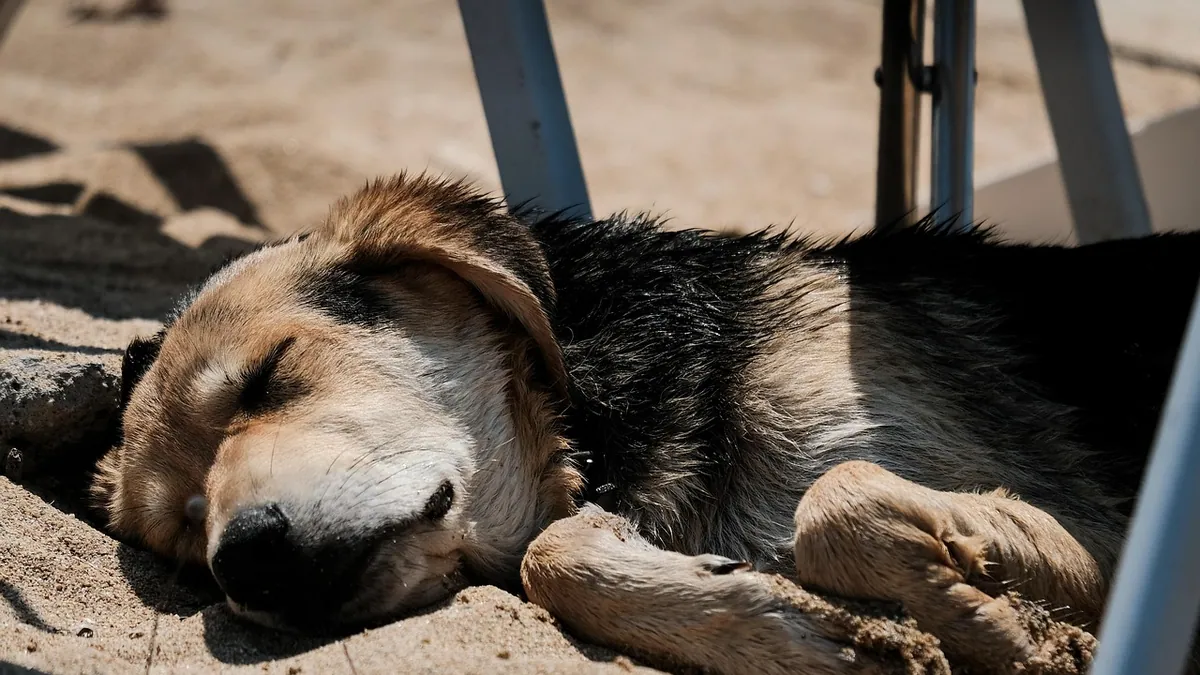
If your dog took too much trazodone, gabapentin, or both, the sedation can last anywhere from several hours to more than a day, and serious signs need emergency care right away. How long a dog overdose on trazodone lasts depends on the amount swallowed, your dog's size and health, and whether other medicines were involved. Do not wait for signs to worsen before you call for help.
This article is educational and is not a substitute for veterinary diagnosis or treatment.
Quick Answer
- Call for help immediately if your dog is hard to wake, wobbling badly, vomiting, breathing slowly, or having tremors. These are emergency signs.
- Call the ASPCA Animal Poison Control Center at (888) 426-4435 or the Pet Poison Helpline at (855) 764-7661. Both charge a consultation fee.
- Bring the pill bottle with you. The exact strength and number of pills swallowed changes the treatment plan.
- Do not try to make your dog vomit unless a veterinarian or poison control tells you to.
- Sedation from these drugs can outlast the "peak" effect, so your dog may need monitoring for many hours even after looking a little better.
What Gabapentin and Trazodone Are and Why Vets Prescribe Them
Gabapentin and trazodone are human prescription medicines that veterinarians commonly use off-label in dogs. Neither drug is approved for use in dogs, but both are widely prescribed for situational fear and anxiety, and both have shown benefit for stress during veterinary visits and noise fear [1].
Trazodone is a serotonin antagonist and reuptake inhibitor. It is used to ease anxiety, panic, and sleep problems. Gabapentin was first developed for seizures and nerve pain, and it also has a calming effect that makes it useful before stressful events.
Vets often combine the two for dogs who need stronger sedation, such as before a vet visit, a nail trim, or travel. A combination of gabapentin and trazodone lowers the amount of isoflurane gas needed to keep a dog asleep during anesthesia, which shows how strongly the pair can depress the nervous system [2].
If you want more background on either drug on its own, see Gabapentin For Dogs.
How These Medicines Work in the Body
Gabapentin calms overactive nerve signals. It binds to certain calcium channels on nerve cells and reduces the release of excitatory chemicals. The result is less pain signaling and a quieter, drowsier brain.
Trazodone changes serotonin balance in the brain. That shift reduces anxiety and promotes sleep. In dogs, trazodone changes brain activity across sleep stages, which is part of why it makes dogs drowsy [3].
When you give both drugs together, the effects stack. The combination reduced a-wave and b-wave amplitudes on a specialized eye test in healthy dogs, meaning the drugs changed nerve signaling in the retina as well as the brain [4]. That is a lab finding, not something you would see at home, but it shows the combination reaches many parts of the nervous system.
Trazodone also affects the heart. In one study, dogs given trazodone had higher average and minimum heart rates than dogs given a placebo [5]. A case report described a geriatric dog that developed a new heart murmur and echocardiographic changes about an hour after a trazodone dose, and those changes resolved by the next day [6]. These effects are usually mild at normal doses, but they matter when a dog takes too much.
Dosing Basics: Who Decides and How It Is Given
Your veterinarian sets the dose. There is no single correct dose for every dog. The vet calculates it from your dog's weight, age, health conditions, other medicines, and the reason for the drug.
Doses used in research do not translate into home instructions. For example, studies have used gabapentin at about 20 to 30 mg/kg and trazodone at about 5 to 20 mg/kg for specific purposes [4][2][1]. Those numbers describe research settings, not a prescription for your dog. Never adjust a dose on your own.
Give the medicine exactly as labeled. Most formulations are tablets or capsules given by mouth, with or without food depending on your vet's instructions. If your dog spits out a pill or you are not sure it went down, call your vet before giving another dose.
If you miss a dose, do not double up. Call your veterinarian or your pharmacy for guidance. Doubling a dose of either drug can push your dog into the overdose range.
Common and Serious Side Effects
| Side effect | How common or serious | What to do |
|---|---|---|
| Sleepiness, drowsiness, unsteady walking | Common at normal doses, mild | Let your dog rest in a safe, quiet spot. Call your vet if it seems excessive. |
| Vomiting or drooling | Possible, usually mild | Withhold food briefly and call your vet if it repeats. |
| Agitation or the opposite of calm | Uncommon, can signal a dosing problem | Call your vet the same day. |
| Slow or shallow breathing | Serious | Emergency. Go to a veterinary ER now. |
| Hard to wake, unresponsive | Serious | Emergency. Go now. |
| Tremors, twitching, or seizures | Serious | Emergency. Go now. |
| Very slow heart rate or collapse | Serious | Emergency. Go now. |
| Changes in heart rhythm or a new murmur | Reported after trazodone in a geriatric dog [6] | Have your vet check your dog, especially if your dog is older or has heart disease. |
For a closer look at each drug alone, see What Are the Side Effects of Gabapentin for Dogs? and What Are the Side Effects of Trazodone for Dogs?.
Who Should Not Take These Medicines
Tell your veterinarian about every medicine, supplement, and condition before your dog starts either drug. Dogs with heart disease, liver disease, kidney disease, or a history of seizures need extra caution. The geriatric dog in the case report had mild kidney values and developed heart changes after trazodone [6].
Drug interactions matter. Trazodone affects serotonin, so combining it with other serotonin-active drugs raises the risk of serotonin syndrome. Gabapentin adds sedation on top of opioids, anesthetics, and other sedatives. The combination of gabapentin and trazodone already deepens anesthesia in healthy dogs [2], so a sick or frail dog may be affected even more.
Pregnant, nursing, or very young dogs should only take these drugs if your veterinarian decides the benefit outweighs the risk. Never share your dog's medicine with another pet or take it yourself.
Overdose: Signs, Timeline, and When to Call
Signs of an overdose
Signs usually start within one to three hours of swallowing the pills, but they can come on faster if your dog ate a large amount. Watch for:
- Deep sedation that does not wear off
- Trouble standing or walking
- Vomiting, drooling, or gagging
- Slow, shallow, or noisy breathing
- Tremors, twitching, or seizures
- Pale gums, a very slow or very fast heartbeat, or collapse
- Confusion, whining, or unusual agitation
How long can a dog overdose on trazodone or gabapentin and trazodone last?
This is the question most owners ask, and the honest answer is that it varies. The length of an overdose depends on the dose swallowed, your dog's weight, kidney and liver function, and whether both drugs were taken together.
Sedation from a single normal dose can last most of a day. After an overdose, heavy sedation often lasts 12 to 24 hours, and some dogs stay wobbly or sleepy for a day or two. The combination of gabapentin and trazodone tends to hit harder and last longer than either drug alone because the sedative effects stack [4][2]. If your dog also took an opioid, another sedative, or an antidepressant, the timeline stretches further.
There is no single number that applies to every dog. Your veterinarian or poison control can give you a better estimate once they know the dose and your dog's weight.
What to do right now
- Stay calm and keep your dog warm, quiet, and safe. Do not leave a wobbly dog on stairs or furniture.
- Call the ASPCA Animal Poison Control Center at (888) 426-4435 or the Pet Poison Helpline at (855) 764-7661. Have the pill bottle in hand.
- Call your veterinarian or the nearest 24-hour veterinary ER. Tell them what was taken, how much, and when.
- Do not induce vomiting unless a professional tells you to. Vomiting a sedated dog can cause choking.
- Do not give food, coffee, or any home remedy to "wake up" your dog.
If your dog is unresponsive, struggling to breathe, or having a seizure, skip the phone calls and drive to the ER. Call the ER from the car so they can prepare.
For a step-by-step walkthrough of any medication overdose, see What to Do If Your Dog Overdoses on Medication: Emergency Steps. If the overdose involved anxiety medicine specifically, Dog Anxiety Medication Overdose: Signs and Emergency Steps covers that situation.
What treatment at the clinic looks like
Your vet may induce vomiting if your dog just swallowed the pills and is still alert. They may give activated charcoal to bind what is left in the stomach. From there, treatment is supportive: IV fluids, oxygen if breathing is weak, warming, and monitoring of heart rate, breathing, and blood pressure. Some dogs need to stay overnight.
Limitations and When to Contact a Veterinarian
No article can tell you how your dog will respond to an overdose. Your dog's weight, age, health, and the exact pills swallowed all change the picture. Individual cases need a veterinarian.
Call your veterinarian the same day if your dog seems more sleepy than expected, vomits once, or is a little unsteady but still responsive.
Go to an emergency clinic now if your dog is hard to wake, breathing slowly, having tremors or seizures, has pale gums, or cannot stand.
Schedule a routine visit if your dog had a mild reaction that has passed, so your vet can review the dose and decide whether to change the plan.
Frequently Asked Questions
Can I make my dog vomit at home after an overdose?
No, not unless a veterinarian or poison control tells you to. A sedated dog can choke on vomit or breathe it into the lungs. Vomiting is sometimes appropriate, but only under professional direction and only soon after the pills were swallowed.
Will my dog just sleep it off?
Sometimes, but you cannot know in advance. Heavy sedation can hide breathing problems and heart changes. A dog that is too deeply asleep to wake may need oxygen, fluids, or other support at a clinic.
Can trazodone or gabapentin cause long-term damage?
Serious lasting harm is uncommon when a dog gets prompt care. Most dogs recover fully with supportive treatment. Heart changes linked to trazodone in one older dog resolved within about a day [6], but every dog is different, and your vet may want a recheck.
Should I stop giving these medicines after an overdose?
Do not restart or stop any prescription on your own. Call your veterinarian first. They may lower the dose, switch drugs, or add monitoring. Stopping suddenly can also cause problems, depending on why the drug was prescribed.
Are these drugs safe to combine in dogs?
Vets combine them often, and the pair is used for sedation before procedures [2]. The combination is stronger than either drug alone, so the dose has to be set carefully by your veterinarian. Never combine them without a prescription that says to.
Related Articles
- Gabapentin For Dogs
- What Are the Side Effects of Gabapentin for Dogs?
- What Are the Side Effects of Trazodone for Dogs?
- What to Do If Your Dog Overdoses on Medication: Emergency Steps
- Dog Anxiety Medication Overdose: Signs and Emergency Steps
- Trazodone Dosage for Dogs: Calming Post-Surgery Rest Dose by Weight
- Dog Ate Antidepressants? Toxicity Signs and Emergency Steps
- Phenobarbital for Dogs: Side Effects and Overdose Signs
- Vetmedin Overdose in Dogs: Signs and What to Do
References
- Acute trazodone administration reduces behavioral and physiological indicators of travel-induced anxiety in dogs in a road travel model. Frontiers in veterinary science, 2026.
- Effect of oral premedication with gabapentin and trazodone combination on the MAC of isoflurane in dogs. American journal of veterinary research, 2025.
- Study of changes in brain dynamics during sleep cycles in dogs under effect of trazodone. PloS one, 2025.
- Effects of gabapentin and trazodone on electroretinographic responses in clinically normal dogs. American journal of veterinary research, 2022.
- Effect of trazodone on heart rate, heart rate variability, and QT-intervals in dogs. Journal of veterinary cardiology : the official journal of the European Society of Veterinary Cardiology, 2025.
- Transient echocardiographic and cardiovascular changes temporally associated with trazodone administration in a geriatric dog. Veterinary anaesthesia and analgesia, 2026.