How Long Does Trazodone Last in Cats? Daily Use Explained
By Dr. Zubair Khalid, DVM, MS, PhD ·
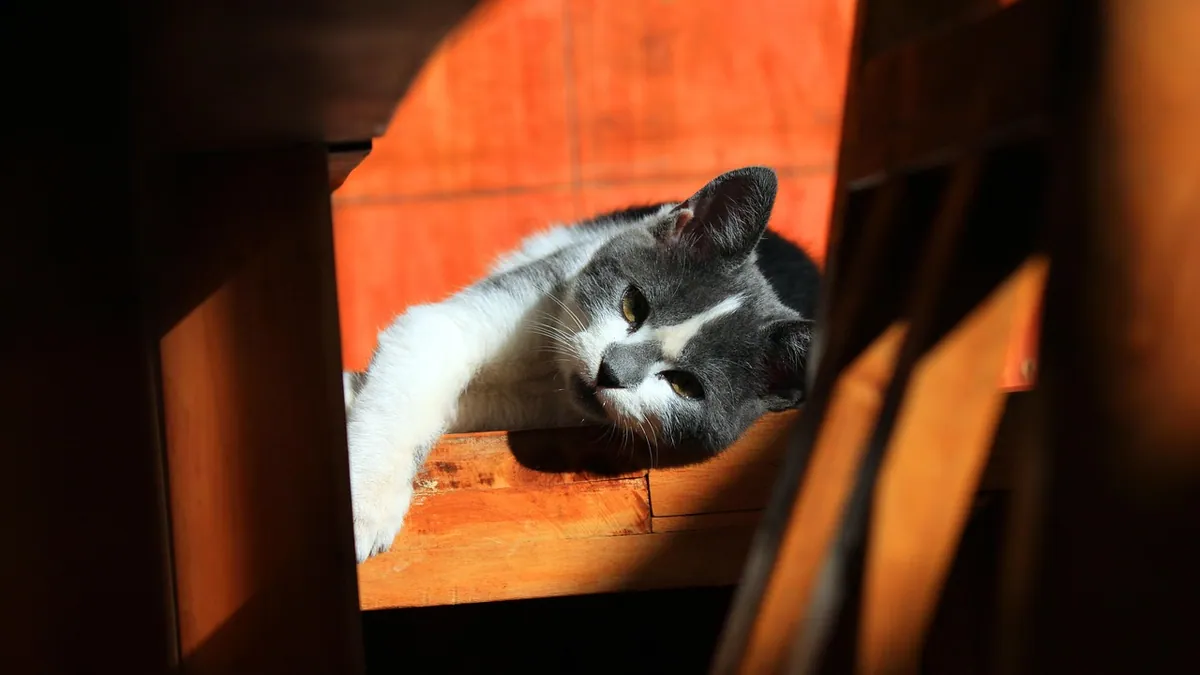
Trazodone for cats how long does it last depends on the dose, the cat, and the reason it was prescribed. Most owners see calming effects within 1 to 2 hours, with sedation lasting roughly 8 to 12 hours after a single oral dose. It can be given daily for ongoing anxiety or as a one-time dose before a vet visit, but only under veterinary direction.
This article is educational and is not a substitute for veterinary diagnosis or treatment.
Quick Answer
- Trazodone is an oral prescription medication used to reduce anxiety and produce mild sedation in cats, often before veterinary visits or for ongoing behavioral concerns.
- Sedation typically begins within 1 to 2 hours and can last most of the day after a single dose, though individual cats vary.
- A 2024 study found measurable sedation in healthy cats 1 hour after a 5 mg/kg oral dose [1].
- Trazodone can be used daily or situationally, but the schedule should be set by your veterinarian based on your cat's needs.
- Never adjust the dose or stop daily use without talking to your veterinarian first.
What Trazodone Is and What Veterinarians Use It For
Trazodone is a prescription medication that belongs to a class of drugs called serotonin antagonist and reuptake inhibitors. In veterinary medicine, it is used most often to reduce fear and anxiety in cats. It is not approved by the FDA for use in cats, so veterinarians prescribe it off-label. That is common and legal, and it means your vet has weighed the risks and benefits for your cat specifically.
Veterinarians reach for trazodone in two main situations. The first is situational use, such as before a veterinary appointment, a car ride, or a stressful event like moving to a new home. A 2025 review of two studies found that cats given trazodone before a veterinary visit had significantly lower behavioral anxiety scores than cats given a placebo [2]. In one of those studies, 9 out of 10 cats showed anxiety-related signs on placebo, compared with 3 out of 10 on trazodone [2].
The second situation is daily use for cats with ongoing anxiety, compulsive behaviors, or chronic stress that does not respond to environmental changes alone. Daily trazodone is usually part of a broader plan that includes behavior modification and sometimes other medications.
Trazodone is also sometimes combined with gabapentin for stronger sedation before procedures. A 2024 study in healthy cats found that trazodone alone, gabapentin alone, and the combination all produced sedation, and the combination produced the highest sedation scores [1]. A 2025 study found that trazodone combined with gabapentin increased sedation scores with only mild effects on heart function and blood pressure in healthy cats [3].
How Trazodone Works in Cats
Trazodone works by blocking certain serotonin receptors and preventing serotonin from being reabsorbed in the brain. Serotonin is a chemical messenger involved in mood, arousal, and anxiety. By changing how serotonin signals, trazodone reduces the intensity of the fear response.
The result is not full anesthesia. Cats on trazodone are usually calm, relaxed, and easier to handle, but they can still be roused. A 2025 study of healthy cats given oral trazodone at 50 mg, 75 mg, or 100 mg found that sedation scores rose significantly compared with baseline, while muscle relaxation and pain relief scores did not change [4]. In other words, trazodone calms the brain without numbing the body.
That same study found a significant average drop in systolic blood pressure of 22 mmHg at 150 minutes after a 100 mg dose, but blood pressure stayed within the normal range [4]. Pulse rate did not change significantly across doses [4]. These findings suggest that trazodone has mild cardiovascular effects in healthy cats at the doses studied.
Trazodone for Cats: How Long Does It Last?
This is the question most owners ask, and the honest answer is that it varies. Here is what the research and clinical experience suggest.
Onset
Trazodone starts working within about 1 to 2 hours after your cat swallows it. A 2024 study measured sedation scores 1 hour after a 5 mg/kg oral dose and found significant sedation at that point [1]. A 2025 study that tracked cats every 30 minutes found sedation scores rising from 30 minutes onward [4]. If you are giving trazodone before a vet visit, most veterinarians recommend giving it 1.5 to 2 hours ahead of the appointment so it has time to take effect.
Peak Effect
The strongest effects usually appear 1 to 2 hours after dosing. In the 2025 dose-ranging study, sedation scores increased steadily through the monitoring period, and the blood pressure change was measured at 150 minutes [4]. In the 2025 combination study, sedation was assessed at 120 minutes after dosing [3]. For practical purposes, plan on your cat being most relaxed about 2 hours after the dose.
Duration
A single dose of trazodone typically keeps a cat calm for 8 to 12 hours, though some cats are affected longer and some shorter. The half-life of trazodone in cats is not well established in the veterinary literature, which is one reason dosing is individualized. Your veterinarian will consider your cat's weight, liver function, age, and other medications when deciding how often to dose.
If your cat seems groggy the next morning after an evening dose, that is not unusual. If your cat seems sedated for more than 24 hours after a single dose, call your veterinarian.
What Affects Duration
Several things change how long trazodone lasts in a given cat:
- Dose. Higher doses tend to produce stronger and longer sedation [4].
- Body weight and body condition. Dosing is based on weight, so a small cat gets a smaller total dose.
- Liver function. The liver clears trazodone, so cats with liver disease may clear it more slowly.
- Other medications. Gabapentin, for example, adds to sedation when combined with trazodone [1][3].
- Individual sensitivity. Some cats are simply more sensitive to the drug than others.
Dosing Basics for Cats
Your veterinarian decides the dose. Never use a dose meant for a dog, another cat, or a human. Trazodone tablets come in several strengths, and your vet will calculate the right amount based on your cat's weight and health status. A 2024 study used 5 mg/kg orally in healthy cats [1], and a 2025 study used 50 mg, 75 mg, or 100 mg total doses in healthy adult cats [4]. These are research doses, not prescribing instructions for your cat.
How to Give It
Trazodone is given by mouth, usually as a tablet. You can hide it in a small amount of wet food, a pill pocket, or a treat, as long as your cat eats the whole thing. Do not crush or split the tablet unless your veterinarian says it is okay. Some formulations are extended release and should not be broken.
If your cat refuses the pill, ask your veterinarian about a compounded liquid or a transdermal gel. Never force a pill down a cat's throat without guidance, because it can cause choking or injury.
Daily Versus Situational Use
Situational use means giving trazodone only when you know your cat will face a stressor, such as a vet visit or a move. Daily use means giving it on a regular schedule to manage ongoing anxiety. Both are valid, and the choice depends on your cat's problem.
If your cat is on daily trazodone, give it at the same time each day. It may take a few days to a few weeks to see the full benefit for chronic anxiety. Do not stop suddenly without talking to your vet, because some cats experience rebound anxiety.
Missed Dose
If you miss a dose, give it as soon as you remember, unless it is almost time for the next dose. In that case, skip the missed dose and go back to your regular schedule. Do not double up. If you are unsure, call your veterinarian.
Side Effects: What to Watch For
Most cats tolerate trazodone well, but side effects can happen. The table below covers the most common and the most serious.
| Side effect | How common or serious | What to do |
|---|---|---|
| Sleepiness or sedation | Common, expected | This is the intended effect. Let your cat rest in a quiet, safe place. |
| Unsteady walking | Common at higher doses | Keep your cat indoors and away from stairs. Call your vet if it is severe. |
| Drooling or nausea | Uncommon, mild | Offer water. Call your vet if it continues or your cat vomits repeatedly. |
| Low blood pressure | Uncommon, usually mild | A 2025 study found a 22 mmHg average drop at 150 minutes after a 100 mg dose, still within normal range [4]. Call your vet if your cat seems weak or collapses. |
| Increased heart rate or arrhythmia | Rare | Call your vet if you notice a racing or irregular heartbeat. |
| Agitation or paradoxical excitement | Uncommon | Some cats become restless instead of calm. Stop the medication and call your vet. |
| Serotonin syndrome | Rare but serious | Signs include tremors, high body temperature, rapid heart rate, and confusion. This is an emergency. |
A 2023 study in dogs found no significant effect of trazodone on primary hemostasis or corrected QT interval at standard doses [5]. That study was in dogs, not cats, so it does not prove the same for cats, but it is reassuring context for how the drug behaves in veterinary patients.
If your cat stops eating while on trazodone, that is a reason to call your veterinarian. Prolonged not eating can lead to serious liver problems in cats. For more on that, see Cat Not Eating: How Long Is Too Long?.
Who Should Not Take Trazodone and Drug Interactions
Trazodone is not right for every cat. Your veterinarian will avoid it or use it with caution in cats with certain heart conditions, liver disease, kidney disease, or a history of seizures. Cats who are pregnant or nursing should not take it unless the benefit clearly outweighs the risk.
Drug interactions matter. Tell your veterinarian about everything your cat takes, including:
- Other anxiety medications, such as gabapentin or fluoxetine
- Monoamine oxidase inhibitors (MAOIs)
- Tramadol or other pain medications
- Certain antibiotics and antifungals
- Supplements, including St. John's wort
Combining trazodone with gabapentin increases sedation [1][3], which is sometimes intentional and sometimes too much. Your vet will adjust doses accordingly.
If your cat is on daily trazodone and you are also managing a chronic condition like kidney disease, ask your vet how the two plans fit together. For background on that, see How Long Can An Older Cat Live With Kidney Disease.
Overdose and When to Call for Help
If your cat eats more trazodone than prescribed, call for help right away. Signs of overdose include extreme sedation, unsteady walking, vomiting, tremors, rapid heartbeat, and collapse. Do not wait to see if your cat "sleeps it off."
Call your veterinarian or an animal poison control hotline immediately. Have the pill bottle with you so you can tell them the strength and how many tablets may have been eaten. Do not induce vomiting unless a veterinarian tells you to.
If your cat is unconscious, having trouble breathing, or having seizures, go to the nearest emergency veterinary hospital now.
Limitations and When to Contact a Veterinarian
This article gives general information. Your cat is an individual, and only your veterinarian can assess your cat's specific situation.
Call your veterinarian the same day if your cat:
- Seems more sedated than expected or is hard to wake
- Refuses food or water for more than 24 hours
- Vomits repeatedly
- Develops a racing or irregular heartbeat
- Shows agitation instead of calm
Go to an emergency clinic now if your cat:
- Collapses or cannot stand
- Has a seizure
- Has trouble breathing
- Has a body temperature that feels very high
- Is unresponsive
Schedule a routine visit if you have questions about dosing, timing, or whether trazodone is still the right choice for your cat. If your cat is not urinating normally, that is also worth a call. See How Long Can A Cat Safely Go Without Urinating and How Many Days Can A Cat Go Without Peeing for more on that.
If you are introducing a new cat to your household and anxiety is part of the picture, see Cat Hissing at New Kitten: How Long Will It Last?.
Frequently Asked Questions
Can I give my cat trazodone every day?
Yes, trazodone can be given daily for ongoing anxiety when your veterinarian prescribes it that way. Daily use is usually part of a larger behavior plan that includes changes to your cat's environment. Do not start or stop daily dosing on your own.
How fast does trazodone work in cats?
Trazodone usually starts working within 1 to 2 hours after your cat swallows it. A 2024 study found significant sedation 1 hour after a 5 mg/kg oral dose in healthy cats [1]. If you are dosing before a vet visit, give it about 2 hours ahead.
Is trazodone safe for long term use in cats?
Trazodone is often used long term in cats, but the safety data for chronic use is limited. Your veterinarian will monitor your cat's behavior, appetite, and overall health during treatment. Report any new symptoms right away.
What happens if I miss a dose of trazodone?
Give the missed dose as soon as you remember, unless it is almost time for the next one. If it is close to the next dose, skip it and continue your normal schedule. Never give two doses at once.
Can trazodone make my cat worse?
In some cats, trazodone can cause agitation or restlessness instead of calm. This is uncommon but possible. If your cat seems more anxious or upset after a dose, stop giving the medication and call your veterinarian.
Related Articles
- Cat Not Eating: How Long Is Too Long?
- Cat Hissing at New Kitten: How Long Will It Last?
- How Long Can A Cat Safely Go Without Urinating
- How Many Days Can A Cat Go Without Peeing
- How Long Can An Older Cat Live With Kidney Disease
- Cat Not Pooping: How Long Is Too Long?
- Trazodone Dosage for Cats: What Owners Should Know
- Trazodone for Cats: Side Effects and Whether It Is Safe
- Trazodone for Cats: Travel Dosing and Milligrams Explained
References
- Evaluation of the sedative properties of oral trazodone, gabapentin or their combination in healthy cats. Journal of feline medicine and surgery, 2024.
- Do cats receiving pre-appointment trazodone experience less stress during veterinary visits?. Veterinary evidence, 2025.
- Trazodone-gabapentin association increases sedation scores with mild hemodynamic and echocardiographic impact in healthy cats. Topics in companion animal medicine, 2025.
- Effect of oral administration of trazodone on physiological and echocardiographic variables in cats. Journal of feline medicine and surgery, 2025.
- Adverse effects of trazodone in dogs on primary hemostasis and electrocardiogram: A single-blinded placebo-controlled crossover study. Journal of veterinary internal medicine, 2023.