What Do Kittens Need? Daily Care Checklist
By Dr. Zubair Khalid, DVM, MS, PhD ·
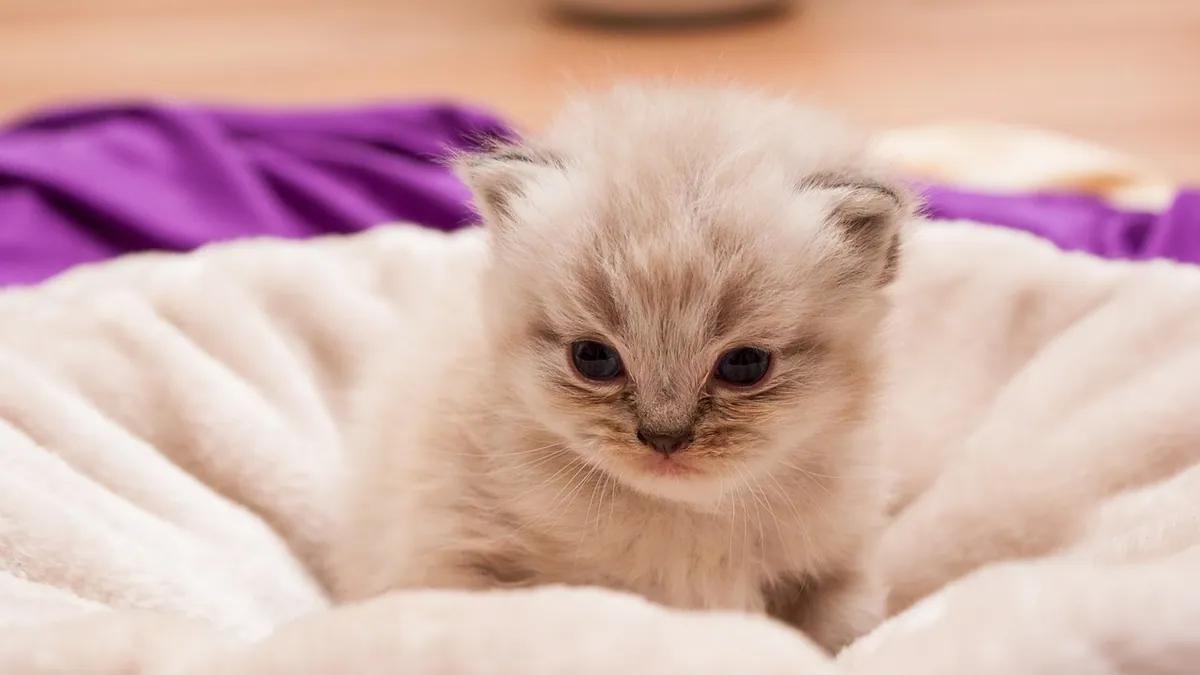
What do kittens need? In the first weeks, a kitten needs warmth, a safe quiet space, kitten-specific food or milk replacer, help staying clean, gentle handling, and a veterinary schedule that starts early and repeats often. Everything else is optional. This article is educational and is not a substitute for veterinary diagnosis or treatment.
Quick Answer
- Warmth first. A newborn kitten cannot regulate its own body temperature and depends on you or its mother for heat.
- Feed kitten milk replacer or kitten food, never cow's milk, and follow a feeding schedule matched to age.
- Set up one small, quiet room with bedding, hiding spots, food, water, a low-sided litter box, and toys [1].
- Expect vet visits every 3 to 4 weeks until about 6 months of age for vaccines and parasite treatment [2].
- Keep the kitten away from unvaccinated cats until the full vaccine series is complete [2].
What Do Kittens Need Day by Day?
Days 0 to 7: The Newborn Period
A kitten's first days are about survival basics. Newborns need steady warmth, frequent feeding, and help with elimination. Colostrum, the first milk produced during the first 24 hours of lactation, supports the kitten's immune system and is a major factor in neonatal health [3].
If the mother cat is present and healthy, she handles most of this. If you are hand-raising an orphan, you become the mother. That means feeding every few hours, keeping the kitten warm, and stimulating urination and defecation after each feeding.
Bottle feeding a newborn takes careful attention to technique, timing, and the kitten's physiology. Commercial kitten milk replacers are made to copy the mother cat's milk, so use those instead of homemade formulas [3].
Weeks 1 to 4: Feeding and Growth
Kittens grow fast. They stay on milk replacer or nurse from the mother through these weeks. Around 3 to 4 weeks, many kittens start showing interest in soft food. You can offer a shallow dish of kitten food moistened with milk replacer.
Watch for steady weight gain. A kitten that stops gaining, feels cold, or refuses to eat needs veterinary attention right away.
Weeks 4 to 8: Weaning and Independence
Weaning usually happens in this window. Kittens can generally leave their mother and littermates once they are weaned, beginning at 6 to 7 weeks old [2]. If you are adopting, this is often when the kitten comes home.
At this stage the kitten needs kitten food, fresh water, a litter box it can climb into, and daily play. It also needs its first veterinary visit. Kittens need to see the vet every 3 to 4 weeks until they are about 6 months old for shots and parasite treatment [2].
Weeks 8 to 16: Socialization and Vaccines
This is the prime socialization window. Handle the kitten gently, introduce new people and safe sounds, and offer toys. Keep experiences positive and short.
Vaccines start in this period. Because maternal immunity declines slowly, kittens should be vaccinated on a regular schedule beginning at 2 to 3 months old. This helps make sure the kitten gets an effective dose of vaccine soon after maternal protection is gone [2].
Until the full series is done, keep the kitten away from unvaccinated cats [2]. That protects it from disease.
Kitten Care Schedule by Age
| Age | Feeding | Warmth | Hygiene | Vet Care |
|---|---|---|---|---|
| 0 to 2 weeks | Milk replacer every few hours | Constant heat source | Stimulate after each feeding | First exam if orphaned or unwell |
| 2 to 4 weeks | Milk replacer, start soft food | Warm bed, no drafts | Introduce shallow litter box | Vet visit if not already scheduled |
| 4 to 8 weeks | Weaning onto kitten food | Normal room warmth | Litter box training | First vaccine visit, deworming |
| 8 to 16 weeks | Kitten food, free access | Normal room warmth | Scoop litter twice daily | Vaccines every 3 to 4 weeks [2] |
| 4 to 6 months | Kitten food | Normal room warmth | Full litter box clean monthly [1] | Continue visits until about 6 months [2] |
What Do Kittens Need From the Vet?
Veterinary care is not optional. It is one of the core needs.
The First Visit
Bring your kitten to the vet soon after adoption, ideally within a few days. The vet will check weight, hydration, eyes, ears, mouth, and abdomen. They will look for parasites and signs of infection.
If you adopted a cat with known health problems, it needs to be seen by a veterinarian as soon as possible. Treatment costs may be high, but cats with medical problems often recover and flourish with adequate care and a loving home [4].
The Vaccine Series
Kittens need to visit the vet every 3 to 4 weeks until they are about 6 months old to receive shots and parasite treatment [2]. This is a firm schedule, not a suggestion.
Vaccines begin at 2 to 3 months old because maternal immunity blocks them from working earlier [2]. Your vet will set the exact timing.
Parasite Control
Deworming and flea prevention usually start at the first visits. Your veterinarian calculates the dose from the kitten's weight and health. Never guess at a dose or use a dog product on a cat.
Spay or Neuter
Most vets recommend spaying or neutering around 4 to 6 months. Ask your vet when they prefer to schedule it.
For a fuller picture of what preventive visits include, see Preventive Care For Kittens.
What Do Kittens Need in Their Diet?
Kittens have different nutritional needs than adult cats. They need more calories, more protein, and more fat to support rapid growth.
Milk Replacer for Orphans
Use a commercial kitten milk replacer. It is formulated to replicate the mother cat's milk [3]. Cow's milk and homemade formulas can cause diarrhea and do not meet a kitten's needs.
Kitten Food
Once weaning starts, offer canned or dry food labeled for kittens. Feed small amounts often. Kittens have small stomachs and burn energy quickly.
For more detail on choosing a food, see Kitten Food.
Water
Fresh water should be available at all times once the kitten is eating solid food. Wash the bowl daily.
What to Avoid
Do not feed cow's milk, dog food, table scraps, or adult cat food as the main diet. Do not leave food out so long that it spoils.
What Do Kittens Need for Hygiene?
Litter Box Setup
Most cats do best with large, uncovered litter boxes. For kittens, be sure the box has lower sides for easy access. Most cats prefer about one to two inches of unscented litter in the box [1].
Place the box in a quiet area. Scoop twice a day and do a full clean at least once a month. Use mild dish soap or a pet-friendly enzymatic cleaner, and avoid bleach and other harsh chemicals [1].
Grooming
Kittens learn grooming from their mother. Orphans need you to wipe them gently with a warm damp cloth. Short-haired kittens usually need little brushing. Long-haired kittens need daily brushing to prevent mats.
Bathing
Most kittens do not need baths. If a kitten is soiled, spot clean with a warm damp cloth and dry it thoroughly. A chilled kitten is at risk.
What Do Kittens Need for Socialization?
Socialization shapes how your cat behaves for life. Kittens need gentle, frequent, positive contact with people.
Handling
Pick the kitten up with both hands supporting the chest and hindquarters. Keep sessions short. Put the kitten down when it squirms.
Play
Offer toys that mimic prey, such as small balls, wand toys, and soft mice. Avoid hands as toys. That teaches biting.
A Safe Space
Cats can be easily overwhelmed by new spaces. When you bring a kitten home, set it up in a small quiet room with the door closed. Give it comfy bedding, hiding spots, toys, food, water, a scratcher, and a litter box [1].
Interact on the kitten's terms. Sit a few feet away and let it approach you for petting or attention. When the kitten moves around the space confidently, you can slowly introduce it to the rest of your home. Some cats settle in within a few hours, but most need a few days or more [1].
If you will board your cat later, review the Boarding and Daycare Health Checklist for Dogs and Cats.
Signs That Something Is Wrong
Call your veterinarian if you see any of these:
- Refusing to eat for more than a few hours in a young kitten
- Weight loss or no weight gain
- Diarrhea or vomiting
- A kitten that feels cold to the touch
- Labored breathing or noisy breathing
- Discharge from the eyes or nose
- A swollen or painful abdomen
- Pale gums or gums that stay white when pressed
- Crying that does not stop after feeding and warming
- Trouble urinating or defecating
Newborn kittens can decline quickly. When in doubt, call. Do not wait to see if it improves overnight.
Common Mistakes New Kitten Owners Make
Feeding Cow's Milk
This is one of the most common errors. Cow's milk does not match a kitten's needs and often causes digestive upset. Use kitten milk replacer [3].
Skipping the Quiet Room
Letting a new kitten roam the whole house on day one causes stress. Start with one small room and expand slowly [1].
Delaying the First Vet Visit
Kittens need a vet visit soon after adoption and then every 3 to 4 weeks until about 6 months old [2]. Waiting until the kitten looks sick means losing time.
Letting the Kitten Around Unvaccinated Cats
Keep kittens away from unvaccinated cats until they have received the full series of vaccinations [2]. This protects them from disease.
Using Dog Products
Never use dog flea or deworming products on a kitten. Some are toxic to cats. Ask your vet for a kitten-safe product.
Overlooking the Litter Box
A dirty box leads to accidents. Scoop twice a day and do a full clean at least once a month [1].
Rough Play With Hands
Hands are not toys. Use wand toys and balls instead. This prevents biting habits later.
Supplies and Setup That Matter for Health
You do not need much, but what you buy matters.
The Basics
- A small quiet room with a closed door [1]
- Comfy bedding and a hiding spot [1]
- Food and water bowls
- Kitten food or kitten milk replacer [3]
- A low-sided litter box with unscented litter [1]
- A scratcher [1]
- Safe toys [1]
Optional but Helpful
- A kitchen scale for tracking weight
- A soft carrier for vet visits
- A pet-safe enzymatic cleaner [1]
- A heating pad on low, wrapped in a towel, for orphans
What to Skip
- Cow's milk
- Dog food or dog flea products
- Bleach and harsh chemicals around the litter box [1]
- Tight collars on very young kittens
If you are caring for a pregnant cat or planning for a litter, see Pregnant Cat Care: Nutrition, Gestation, and Kitten Delivery.
Limitations and When to Contact a Veterinarian
This article gives general guidance. Every kitten is an individual, and individual cases need a veterinarian who can examine the kitten in person.
Call your veterinarian the same day if your kitten:
- Refuses to eat or stops nursing
- Has diarrhea, vomiting, or a swollen abdomen
- Feels cold or is limp
- Has discharge from the eyes or nose
- Is not gaining weight
Go to an emergency clinic now if your kitten:
- Is struggling to breathe
- Is unresponsive or cannot be woken
- Has pale or white gums
- Has a seizure
- Has been hit by a car or suffered trauma
Schedule a routine visit if your kitten:
- Has not had its first exam
- Is due for a vaccine or deworming
- Needs a spay or neuter discussion
- Has any new lump, limp, or behavior change
For older cats, the same principle applies with a different schedule. See Senior Cat Checkup: What Should Be Included?.
Frequently Asked Questions
Can a kitten survive without its mother?
Yes, with intensive human care. An orphaned kitten needs warmth, kitten milk replacer, help with elimination, and frequent veterinary checkups. The first 24 hours of colostrum are ideal, but a hand-raised kitten can still thrive with the right feeding and monitoring [3].
When can a kitten leave its mother?
Kittens can generally be taken from their mother and littermates once they are weaned, beginning at 6 to 7 weeks old [2]. Leaving earlier than that increases stress and health risks.
How often should a kitten see the vet?
Kittens need to visit the vet every 3 to 4 weeks until they are about 6 months old for shots and parasite treatment [2]. Your vet will set the exact schedule based on the kitten's age and health.
What should I feed a kitten that will not nurse?
Use a commercial kitten milk replacer and feed by bottle with careful technique and timing [3]. Do not use cow's milk or homemade formula. If the kitten will not eat, call your vet right away.
Do kittens need a litter box before they are weaned?
Yes, once they start moving around, offer a shallow box with low sides and a small amount of unscented litter [1]. Most kittens catch on quickly, and a clean box prevents accidents.
Related Articles
- Preventive Care For Kittens
- Senior Cat Checkup: What Should Be Included?
- Pregnant Cat Care: Nutrition, Gestation, and Kitten Delivery
- Boarding and Daycare Health Checklist for Dogs and Cats
- Kitten Food
- Complete Cat Care Guide: Health, Behavior, and Nutrition Tips
- 6-Week-Old Kitten Care: Needs, Milestones, and Feeding
- 8-Week-Old Kitten Care: Feeding, Vaccines, and Play
- Motherless Kitten Care: Feeding and Warmth Basics
References
- Tips for a New Cat. ASPCA Animal Poison Control Center.
- Kitten Care - Cat Owners. Merck Veterinary Manual.
- Feline Neonatal Care. The Veterinary clinics of North America. Small animal practice, 2025.
- Choosing and Caring for Your New Cat. Cornell University College of Veterinary Medicine.