Do Dogs Walk on Their Toes? Dog Feet and Toe Anatomy
By Dr. Zubair Khalid, DVM, MS, PhD ·
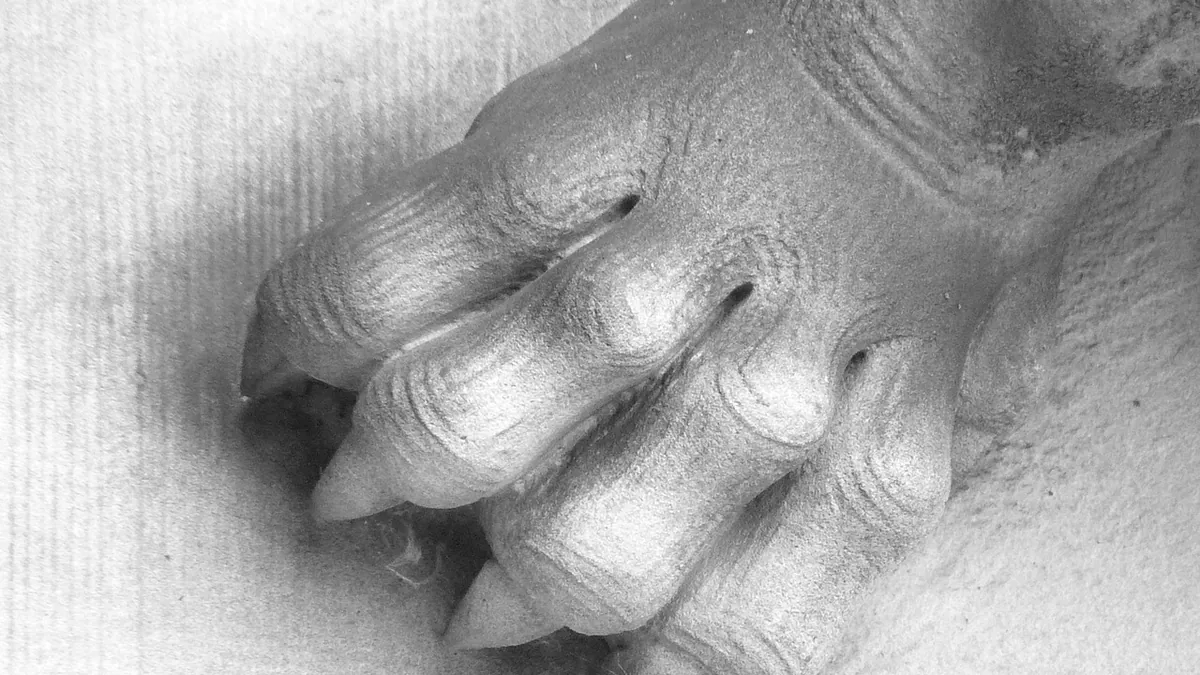
Yes, dogs walk on their toes. Dogs are digitigrade animals, which means they stand and move with their weight supported on their toes and the pads of their feet, while the heel and ankle stay raised off the ground. This toe-forward posture is a normal part of how dogs run, turn, and stop, and it explains a lot about why their feet look the way they do. This article is educational and is not a substitute for veterinary diagnosis or treatment.
Quick Answer
- Dogs are digitigrade, so they walk on their toes with the heel lifted, and this is normal anatomy, not a sign of a problem.
- Most dogs have five toes on each front foot (four weight-bearing toes plus a dewclaw) and four toes on each hind foot, though hind dewclaws are common in some breeds.
- Extra toes (polydactyly) can be a normal breed trait or an inherited quirk, but a new, swollen, or injured extra digit needs a vet check.
- Toe and nail problems are a common cause of limping, so check the paws first when your dog suddenly favors a leg.
- Keep nails trimmed and inspect the pads and dewclaws regularly, since long nails and torn dewclaws are frequent, preventable issues.
Do Dogs Walk on Their Toes? How Dog Feet Work
Dogs are built to move on their toes. The "ankle" you might picture on a dog is actually higher up the leg than most owners realize, and the part that touches the ground is the toes and the main foot pad. This toe-walking design gives dogs a longer effective stride and better push-off.
Veterinarians study this movement with gait analysis, which measures how the body segments move and how much force each limb produces during a step. Kinetic analysis looks at the forces during movement, while kinematic analysis focuses on the motion of body segments without considering those forces [1]. These tools help clinicians tell a normal gait from an abnormal one.
Breed matters too. In a study of working dogs, larger shepherds trotted with greater velocities, longer stride lengths, and higher ground reaction forces than smaller spaniels, though many of these differences scaled with body size once speed was accounted for [2]. In other words, a Great Dane and a Cocker Spaniel both walk on their toes, but the mechanics differ with size and build.
If your dog is limping after activity, that is a separate question from normal toe anatomy. You can read more about that in Dog Limping After a Walk: When to Rest and When to See the Vet.
How Many Toes Does a Dog Have?
Most dogs have 18 toes total. That breaks down as five toes on each front foot and four toes on each hind foot.
The front foot has four toes that bear weight and touch the ground, plus a dewclaw higher up on the inner side of the leg. The hind foot usually has four weight-bearing toes and no dewclaw, though some dogs do have hind dewclaws.
The dewclaw is the toe that sits higher on the leg and does not normally touch the ground when your dog walks. On the front leg it is attached by bone and can contact the ground during tight turns or when a dog grips something. On the hind leg, a dewclaw is often attached only by soft tissue.
So when owners ask "are dogs feet or toes," the answer is both. The foot is the whole structure, and the toes are the digits your dog actually stands on.
Why Does My Puppy Have Extra Toes? Polydactyly Explained
Extra toes are called polydactyly. This means a dog has more digits than the usual count.
Polydactyly can be a normal, breed-related trait. Some breeds are known for having extra toes or prominent dewclaws as part of their standard appearance. In these dogs, the extra digit is expected and usually harmless.
In other cases, an extra toe appears without a breed reason. It may be a small digit attached by soft tissue, or a fully formed toe with bone and a nail. Some extra toes are cosmetic and cause no trouble. Others can catch on things, grow an ingrown nail, or develop a torn or infected nail bed.
If your puppy has an extra toe, the most useful first step is to have your veterinarian look at it during a routine visit. They can tell you whether it is attached by bone, whether it has a nail, and whether it is likely to cause problems as your puppy grows.
Step-by-Step: Checking Your Dog's Feet at Home
A short paw check every few weeks catches most toe problems early. Here is a simple routine.
- Look at each foot from the top and the bottom. Check all the toes, including the dewclaws.
- Spread the toes gently. Look for redness, swelling, cuts, or discharge between the toes.
- Press lightly on each nail. A normal nail does not move much and does not cause pain.
- Check nail length. If nails click on hard floors when your dog walks, they are likely too long.
- Inspect the pads. Look for cuts, foreign objects, or cracked, dry pads.
- Watch your dog walk and trot. Note any head bob, shortened stride, or reluctance to put a foot down.
- Repeat on all four feet. Problems often hide on the foot your dog is not favoring.
If your dog pulls a foot away, whines, or licks at one spot constantly, that is a signal to look closer. Excessive licking of the feet can point to allergies, pain, or irritation, which is covered in Dog Licking Feet Obsessively.
Dewclaw and Extra Toe Comparison Table
| Feature | Front dewclaw | Hind dewclaw | Extra toe (polydactyly) |
|---|---|---|---|
| Usual presence | Present on most dogs | Absent on most dogs | Not typical |
| Attachment | Often attached by bone | Often attached by soft tissue | Varies, may be bone or soft tissue only |
| Touches ground | Sometimes during turns | Rarely | Depends on position |
| Common problem | Torn nail, catching on objects | Catching, tearing | Ingrown nail, catching, infection |
| Typical action | Trim the nail, monitor | Monitor, discuss removal with your vet | Have your vet evaluate |
Signs That Something Is Wrong With Your Dog's Toes
Toe and nail problems are a frequent reason dogs limp. Watch for these signs.
- Sudden limping or holding a paw up
- Swelling, redness, or heat in a toe
- A nail that is cracked, split, or torn
- Bleeding from a nail or nail bed
- Licking or chewing at one foot repeatedly
- A bad smell between the toes
- An extra toe that has become red, swollen, or painful
- Reluctance to walk, run, or climb stairs
A torn dewclaw is a classic example. The nail catches on carpet, a fence, or brush, and the dog pulls back. That can leave the nail hanging and painful. Do not try to rip it off yourself. Cover the foot with a clean bandage and call your veterinarian.
Limping that comes and goes, or that shifts between legs, can also point to a neurologic problem instead of a simple toe injury. Conditions like degenerative myelopathy and disc herniation can change how a dog uses the back legs. You can read more in Why Is My Dog dragging hind legs? Degenerative Myelopathy and Disc Herniation.
Common Mistakes Owners Make With Dog Toes
Assuming all extra toes are harmless. Many are, but an extra digit with a nail can grow an ingrown nail or catch and tear. Have it checked.
Skipping the dewclaws when trimming nails. Dewclaws grow too, and a dewclaw that curls into the skin is painful and can get infected.
Cutting a torn nail off at home. This can cause bleeding and pain and may leave part of the nail behind. Let your vet handle it.
Ignoring a mild limp. A small limp that lasts more than a day or two deserves a call. Early treatment is often simpler.
Confusing a toe problem with a whole-leg problem. If your dog is dragging a limb or knuckling over, that is not a toe issue. That needs a veterinary exam.
Letting nails grow long. Long nails change how your dog's toes contact the ground and can contribute to discomfort and slipping.
Supplies and Setup That Help
You do not need much to keep your dog's feet healthy.
- Nail clippers or a grinder sized for your dog's nails
- Styptic powder for minor nail bleeding
- A small flashlight to see between the toes and under dewclaws
- Pet-safe wound rinse for minor cuts
- Self-adherent bandage wrap for a temporary paw cover
- A towel to dry feet after wet or muddy walks
Keep the nails trimmed so they do not click on the floor. Check the dewclaws every time you trim, since they are easy to forget and grow quickly. If your dog has an extra toe, note its location and check it at each grooming session.
For dogs who need help staying calm during walks and paw handling, basic training makes a difference. See Dog Training Tips For Walking.
When Gait Changes Need a Closer Look
A change in how your dog walks is often the first clue that something is wrong. Veterinarians can now use wearable sensors and deep learning to help tell orthopedic problems from neurologic ones, with reported accuracy of 0.96 for classifying healthy, orthopedic, and neurologic gaits in one study [3]. This kind of technology is still developing, but it shows how much information a gait can carry.
Dogs who lose a limb adapt in remarkable ways. A study of canine amputees found that at higher speeds, three-legged dogs use a three-beat gallop-like gait, and at low speeds they may use an uncoupled walking pattern where the timing of the front and back legs separates [4]. This tells us that dogs can compensate well, but it also means a limp can be easy to miss in a dog who has learned to work around it.
If you notice a lasting change in your dog's stride, have it evaluated. Gait analysis in veterinary practice is used to assess and quantify gait disorders, which helps with lameness diagnosis and monitoring treatment [1].
Limitations and When to Contact a Veterinarian
No article can tell you what is happening in your individual dog's foot. A veterinarian needs to examine the toes, take a history, and sometimes take X-rays to know whether a digit is broken, infected, or attached by bone.
Contact your veterinarian the same day if:
- Your dog is limping and will not put weight on the leg
- A nail is torn, bleeding, or hanging loose
- A toe is swollen, hot, or red
- Your dog is licking or chewing one foot constantly
- An extra toe or dewclaw looks infected or has a bad smell
Go to an emergency clinic now if:
- Bleeding from a nail will not stop after a few minutes of pressure
- A toe is bent at an odd angle or clearly deformed
- Your dog is in severe pain, crying, or cannot stand
- There is a deep cut or a foreign object stuck in the paw
Schedule a routine visit if:
- Your puppy has an extra toe you want evaluated
- Your dog's nails are overgrown or curling into the skin
- Your dog has a mild, intermittent limp
- You notice a dewclaw that catches on things often
For any of these, your veterinarian will decide on the right treatment and calculate any medication dose based on your dog's weight and health.
Frequently Asked Questions
Do dogs walk on their toes or their whole foot?
Dogs walk on their toes. They are digitigrade, meaning the toes and main foot pad carry the weight while the heel stays raised off the ground. This is normal and helps with speed and turning.
Is it normal for a dog to have five toes on the back foot?
It can be normal in some dogs. Most dogs have four toes on each hind foot, but a hind dewclaw is a common variation, especially in certain breeds. If the extra toe has a nail or catches on things, have your vet look at it.
Should I remove my dog's extra toe?
Not always. Many extra toes cause no problems and can be left alone. Removal is usually considered when the toe catches, tears, grows an ingrown nail, or becomes infected. Your veterinarian can help you weigh the risks and benefits.
Can an extra toe cause limping?
Yes, it can. An extra toe with a nail can catch on objects, grow an ingrown nail, or become infected, and any of these can cause limping. If your dog is limping and you find an extra or swollen digit, have it checked.
How often should I check my dog's toes and nails?
Aim for a quick check every two to four weeks, and trim nails as needed. Dogs whose nails click on hard floors usually need a trim. Regular checks catch torn dewclaws, ingrown nails, and small cuts before they become bigger problems.
Related Articles
- Why Does My Dog Lick My Feet and Legs? Common Reasons
- Dog Limping After a Walk: When to Rest and When to See the Vet
- Dog Training Tips For Walking
- Dog Licking Feet Obsessively
- Why Is My Dog dragging hind legs? Degenerative Myelopathy and Disc Herniation
- Dog Keeps Licking My Feet
- Bump Between Your Dog's Toes: Causes and When to Worry
- Dog Limping That Gets Better With Walking
- How to Tell If Your Dog Pulled a Muscle: Signs and Next Steps
- Metacarpal Joint Anatomy: Bones, Ligaments, and Movement
References
- Kinematic gait analysis in dogs: Is modern gait analysis finding its way into veterinary practice?. Tierarztliche Praxis. Ausgabe K, Kleintiere/Heimtiere, 2025.
- The biomechanics of working dog locomotion I: Steady-state trotting. The Journal of experimental biology, 2025.
- Canine gait analysis using inertial sensors and deep learning for orthopedic and neurological disorders. Scientific reports, 2026.
- Locomotion on three legs: the tripedal gaits of canine amputees. Proceedings. Biological sciences, 2026.