How to Clean Dog Pee From Rugs and Carpets
By Dr. Zubair Khalid, DVM, MS, PhD ·
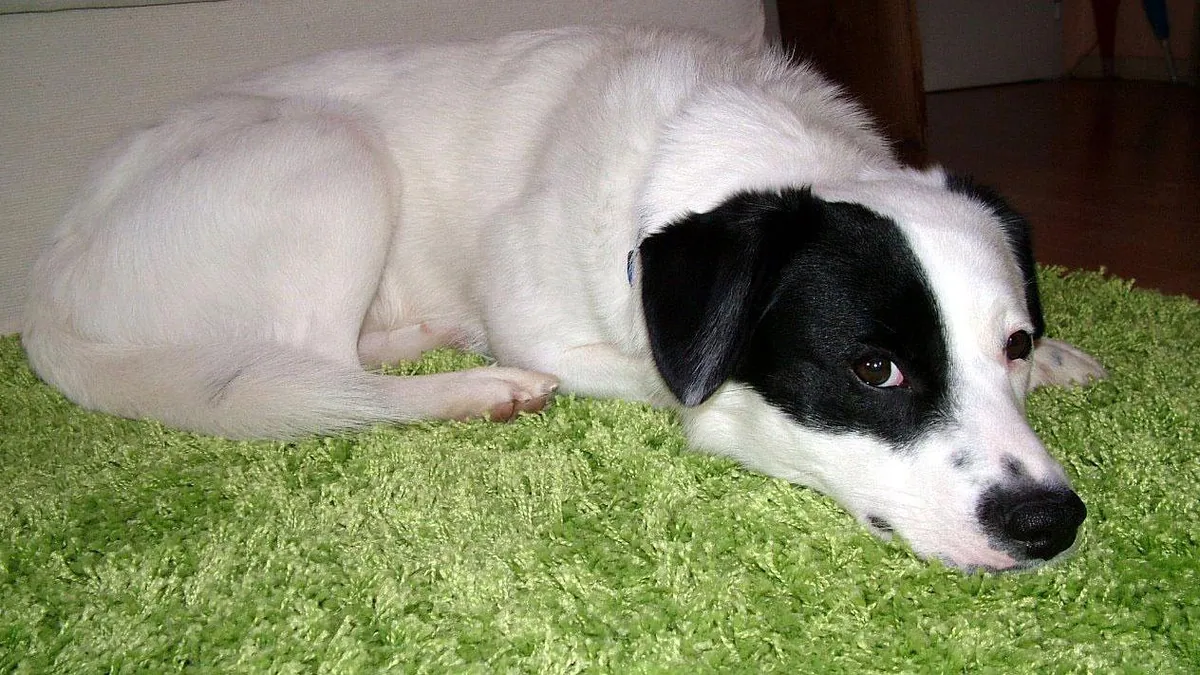
Dog pee on a rug needs fast action: blot the liquid, lift the solids, then clean with a method matched to the rug's fibers. The longer urine sits, the deeper it soaks into backing and padding, and the harder the dog pee rug problem becomes to fix. This article is educational and is not a substitute for veterinary diagnosis or treatment.
Quick Answer
- Blot fresh urine with plain white towels right away, then rinse the area with cool water and blot again.
- Match your cleaner to the material: wool and jute need gentle, low-moisture methods, while synthetic rugs tolerate more water.
- Skip steam cleaners and harsh alkaline cleaners on wool and jute, since heat and high pH can set stains and damage fibers.
- Clean, then neutralize odor. Dogs often return to spots that still smell like urine.
- If your dog is peeing indoors more often, suddenly, or with diarrhea, treat the behavior as a possible health clue and call your vet.
Step-by-Step: How to Clean Dog Pee From a Rug
Step 1: Act Within Minutes
Blot, do not rub. Rubbing pushes urine into the fibers and spreads the stain. Press white paper towels or white cloths onto the spot and hold for 10 to 15 seconds, then replace with dry towels and repeat until no more moisture transfers.
If there are solids, such as with diarrhea, lift them with a plastic bag or spoon before blotting. Do not scrub diarrhea into the pile.
Step 2: Rinse With Cool Water
Pour or spray a small amount of cool water onto the spot, then blot again. Repeat two or three times. Cool water dilutes the urine so less residue stays behind. Hot water can set proteins in the stain.
Step 3: Choose a Cleaner for Your Rug Type
Different fibers tolerate different cleaners. Wool is a protein fiber, so alkaline cleaners and heat can damage it. Jute is a plant fiber that soaks up water and can shrink, buckle, or grow mold if it stays wet. Synthetic rugs (polyester, polypropylene, nylon) are the most forgiving.
A practical rule from cleaning research in animal care settings: mechanical action plus a mild detergent, followed by rinsing, removes a large share of surface contamination, and disinfection works best after cleaning, not instead of it [1]. The same order applies to rugs: clean first, then address odor and germs.
Step 4: Apply the Cleaner Correctly
For synthetic rugs, apply a diluted pet-safe enzymatic cleaner or a mild dish detergent solution, let it sit for the time on the label, then blot and rinse.
For wool rugs, use a wool-safe cleaner with a neutral pH. Test in a hidden corner first. Apply with a cloth, not a soaking pour. Blot, then rinse with a barely damp cloth.
For jute rugs, use the least water possible. Mix a small amount of mild detergent with water, dampen a cloth, and dab the spot. Do not soak the rug. Blot dry immediately and repeat with a clean damp cloth to remove residue.
Step 5: Dry Fast and Thoroughly
Lay towels over the spot and stand on them to pull moisture up from the backing. Then aim a fan at the area or open windows. Jute and wool can take many hours to dry, and trapped moisture causes odor and mildew.
If the rug has a pad, check whether urine reached it. A soaked pad often needs to be replaced, because it holds odor and keeps recontaminating the rug.
Step 6: Neutralize Odor
After the rug is clean and mostly dry, apply an enzymatic pet odor product made for urine. These products break down uric acid crystals, which are a major reason dogs keep returning to the same spot. Let it air dry fully. Do not cover the spot with furniture until it is completely dry.
Cleaning Chart by Rug Material
| Rug material | Water tolerance | Cleaner to use | Cleaner to avoid | Drying time |
|---|---|---|---|---|
| Synthetic (polyester, polypropylene, nylon) | High | Enzymatic pet cleaner or mild detergent solution | Bleach on colored rugs | 4 to 12 hours with airflow |
| Wool | Moderate | Wool-safe neutral pH cleaner | Alkaline cleaners, hot water, steam | 12 to 24 hours |
| Jute | Low | Tiny amount of mild detergent on a damp cloth | Soaking, steam, harsh chemicals | 24 hours or more |
| Cotton | Moderate | Mild detergent, then rinse | Hot water | 12 to 24 hours |
| Viscose or rayon | Low | Professional cleaning preferred | Most home wet cleaning | Varies, often 24 hours or more |
Dog Pee on a Jute Rug: What to Do Differently
Jute is one of the hardest rug materials to clean because the fibers absorb water and the weave holds liquid. If you are dealing with dog pee on a jute rug, treat it as a low-moisture job.
Blot immediately with dry towels. Mix a drop of mild detergent in a cup of cool water. Dip a cloth, wring it out until it is barely damp, and dab the spot. Follow with a second barely damp cloth with plain water to remove soap residue. Press dry towels on top and weigh them down with a book for 15 minutes.
Then dry the rug fast. Put a fan directly on it and, if possible, lift the rug off the floor so air moves underneath. Do not walk on the wet area.
For a dog pee stain on a jute rug that has already dried, the stain may be set. You can repeat the damp-cloth method, but avoid aggressive scrubbing, which frays jute fibers. If the stain or smell remains after two gentle attempts, a professional rug cleaner is the safer choice than more home treatment.
Dog Pee on a Wool Rug: What to Do Differently
Wool responds well to quick, gentle cleaning but poorly to heat and strong chemicals. Blot fresh urine, then rinse with cool water and blot again.
Use a cleaner labeled safe for wool, or a very dilute mild detergent. Apply with a cloth, work from the outside of the stain toward the center to avoid spreading it, and blot. Rinse with a clean damp cloth. Do not rub, because agitation can felt the wool fibers and create a permanent fuzzy patch.
Dry the rug flat with airflow. Avoid direct sun and radiators, which can fade dye and distort the weave. If the wool rug has a canvas or cotton backing, check that backing too, since urine often wicks through.
Dog Diarrhea on a Jute Rug: A Different Problem
Diarrhea is messier than urine because it contains solid material, fat, and sometimes mucus. On jute, the goal is to remove solids without pushing liquid into the weave.
Use a plastic bag or gloved hand to lift solids. Do not wipe sideways, which smears material into the fibers. Sprinkle a small amount of dry cornstarch or baking soda on the remaining residue, wait a few minutes, then vacuum it up. Follow with the barely damp cloth method described above.
Diarrhea also carries bacteria, so clean your hands and any tools afterward. Cleaning with detergent and rinsing reduces bacterial load on surfaces in animal care settings, and disinfection adds further reduction when done after cleaning [1]. For a rug, a pet-safe disinfectant labeled for the fabric is reasonable after cleaning, but rinse residue so your dog does not lick it.
If diarrhea is frequent, bloody, or paired with vomiting or lethargy, that is a medical issue, not a cleaning issue. Call your vet.
Odor Removal That Actually Works
Urine odor comes from several compounds, including uric acid, which is not fully removed by regular soap. That is why enzymatic cleaners matter. They use enzymes to break down the odor compounds so the smell fades instead of being masked.
Apply enough product to reach the depth the urine reached, not just the surface. On thin rugs, that may mean treating both sides. On thick rugs with pads, treat the pad or replace it.
Let the product dry completely. Odor can reappear while the rug is still damp. If the smell returns after full drying, repeat once. If it still returns, the urine likely reached the floor or pad underneath, and the rug may need professional cleaning or replacement.
Supplies That Matter for Health and Results
- White towels or microfiber cloths. White lets you see how much urine you are lifting, and microfiber picks up fine residue. Microfiber towel sequences are used in canine decontamination protocols to remove gross contamination first, then residual contamination [2].
- A mild, neutral detergent. Strong fragrances and harsh chemicals can irritate your dog's skin, nose, and mouth if your dog lies on the rug.
- An enzymatic pet urine cleaner. This is the odor workhorse.
- A fan or dehumidifier. Fast drying prevents mildew, especially in jute and wool.
- Gloves and a plastic bag. Urine and diarrhea are body fluids, so protect your hands.
- A pet-safe disinfectant for the floor under the rug. If urine soaked through, the subfloor needs cleaning too.
Wash your hands after handling soiled rugs and towels. Keep cleaning products out of your dog's reach, and do not let your dog back onto a treated rug until it is fully dry.
A Cleaning and Prevention Schedule
| Timing | Action |
|---|---|
| Within 5 minutes of an accident | Blot urine, lift solids, rinse with cool water |
| Within 30 minutes | Apply the right cleaner for the rug material |
| Within 1 hour | Blot dry, start airflow |
| Same day | Apply enzymatic odor treatment once the rug is mostly dry |
| Next day | Check for lingering odor, treat again if needed |
| Weekly | Inspect rugs for old spots, especially under furniture |
| Ongoing | Keep potty breaks consistent and clean accidents promptly |
Prevention is partly management. If your dog keeps peeing on carpet, look at potty schedule, water access, and any changes in the home. A dog potty urinal or a consistent outdoor routine can reduce accidents. If your dog is peeing on furniture, treat the furniture and the rug underneath, since urine often runs through. You can read more about Dog Peeing On Furniture and Prevent Dogs From Peeing On Furniture for setup ideas.
If your dog is scooting or licking after accidents, that can point to irritation or anal gland issues, and the area may need different cleaning. See Dog Scooting On Carpet How To Clean for that situation.
Signs Something Is Wrong With Your Dog
Cleaning is only half the story. Indoor urination can be normal (a puppy still learning, a senior dog with less bladder control) or a sign of disease.
Watch for these patterns:
- Peeing small amounts very often, or straining to urinate
- Accidents in a dog that was previously reliable
- Blood in urine, or urine that smells unusually strong
- Drinking much more water than usual
- Diarrhea that lasts more than a day, or comes with vomiting
- Licking the genital area constantly
- Accidents only when you are away, which can suggest separation-related distress
Urine concentration varies with what your dog eats and drinks, and diet composition affects urine chemistry [3][4]. That means changes in urine smell or volume can reflect diet, hydration, or illness. Your vet can sort out which.
Common Mistakes to Avoid
- Using hot water or a steam cleaner on urine. Heat can set stains and damage wool and jute.
- Soaking a jute rug. Excess water causes shrinkage, buckling, and mildew.
- Using an alkaline cleaner on wool. Wool is sensitive to high pH.
- Rubbing the stain. Rubbing spreads it and roughens fibers.
- Skipping the rinse. Soap residue attracts dirt and can irritate your dog's skin.
- Masking odor with air freshener. The uric acid stays, and your dog still smells it.
- Cleaning the rug but not the pad or floor. Odor returns from below.
- Punishing your dog for accidents found later. Dogs do not connect punishment to an accident that already happened, and it can increase anxiety and accidents.
Limitations and When to Contact a Veterinarian
No home cleaning method fixes a medical cause of indoor urination. If your dog has accidents plus any of the signs above, contact your vet.
Call the same day for: straining to urinate, frequent small urinations, blood in urine, vomiting with diarrhea, or a sudden change in drinking and peeing.
Seek emergency care now for: a dog that cannot urinate at all, a swollen or painful abdomen, collapse, seizures, or diarrhea with heavy bleeding.
Schedule a routine visit for: gradual increases in accidents, new incontinence in a senior dog, or behavior changes like hiding or pacing before accidents.
If you suspect your dog ate something toxic, contact a poison control service right away. Individual cases need a veterinarian, because the right plan depends on your dog's age, sex, health history, diet, and test results.
Frequently Asked Questions
Can I use vinegar on dog pee in a rug?
Vinegar can help with mild odor on sturdy synthetic rugs, but it is acidic and may affect dye or fiber on wool and jute. Test a hidden spot first, and use an enzymatic cleaner for the urine odor itself.
Does baking soda remove dog urine smell from carpet?
Baking soda absorbs some moisture and odor from the surface, but it does not break down uric acid deep in the fibers. It works best as a pre-step before an enzymatic cleaner, not as the only treatment.
How long does dog pee smell last in a rug?
It can last for months if urine reached the pad or floor and was never neutralized. If the smell returns after two proper cleanings, the urine likely soaked through, and the pad or rug may need replacement.
Can old dog pee stains on a jute rug be removed?
Sometimes, with gentle repeated treatments using a barely damp cloth and mild detergent. Set stains and odor may need professional cleaning, and harsh scrubbing can damage jute permanently.
Should I throw away a rug my dog keeps peeing on?
Not always. If the rug is clean, dry, and odor-free, the accidents are usually about training, schedule, or health. If urine has soaked the pad and floor and odor keeps returning, replacement may be the practical choice.
Related Articles
- Dog Scooting On Carpet How To Clean
- Dog Potty Urinal
- Dog Peeing On Furniture
- Dog Keeps Peeing On Carpet
- Prevent Dogs From Peeing On Furniture
- Dog Peeing In House
- How to Get Cat Pee Out of Carpet: A Vet-Reviewed Method
- Cat Pee on Wood Floors: Stains, Smell, and Fixes
- Why Dog Pee Kills Grass and How to Fix It
References
- A comparison of two cleaning methods applied in a small animal hospital. BMC veterinary research, 2025.
- An evaluation of a canine dry wipe decontamination kit. Frontiers in veterinary science, 2026.
- Comparison of the total and individual purine content of commercial maintenance dog foods and therapeutic dog foods that may be prescribed to prevent urate urolithiasis. BMC veterinary research, 2025.
- A newly derived formula outperforms published formulae for estimating urine osmolality in healthy dogs receiving intravenous fluids. American journal of veterinary research, 2026.