Dog Pee Grass Patch: Repair and Prevention Tips
By Dr. Zubair Khalid, DVM, MS, PhD ·
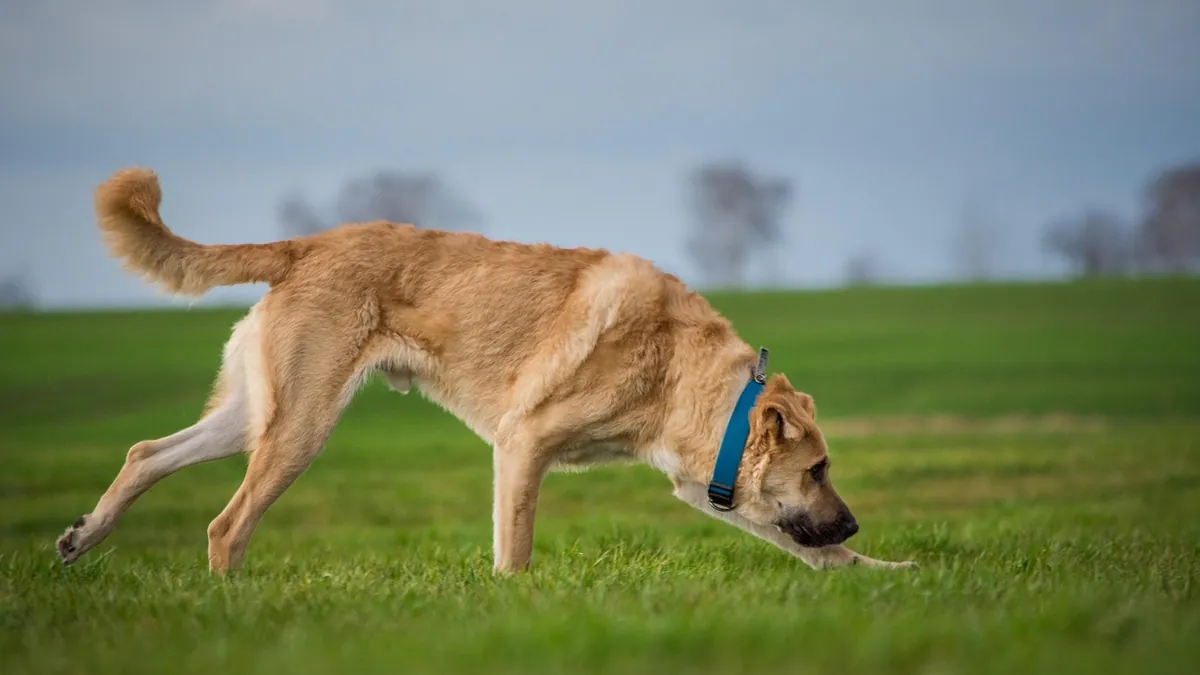
A dog pee grass patch happens because urine carries a heavy load of nitrogen, and concentrated spots burn turf faster than the soil can dilute it. Repair means flushing the spot, removing dead thatch, and reseeding or patching with a tougher grass. Prevention means diluting urine, rotating potty spots, and picking a grass that tolerates dog traffic.
This article is educational and is not a substitute for veterinary diagnosis or treatment.
Quick Answer
- Water the spot heavily within a few hours of each pee to dilute nitrogen before it burns roots.
- Rake out dead brown grass, loosen the top inch of soil, and reseed or lay a patch of the same species.
- Tall fescue and perennial ryegrass hold up better to dog urine than fine-bladed grasses like Kentucky bluegrass in many yards.
- Train your dog to use one or two designated potty zones so the rest of the lawn stays green.
- If your dog suddenly pees much more often or in new places indoors, that is a medical question, not a lawn question.
Why Dog Urine Burns Grass
Urine is mostly water, but it also contains urea, sodium, potassium, and other dissolved waste. When a dog empties a full bladder in one small area, the nitrogen dose in that spot is far higher than the soil and roots can absorb. The result is the classic pattern: a brown or yellow dead center surrounded by a ring of dark green fast growth where nitrogen was diluted enough to act like fertilizer.
Female dogs often cause more visible damage because they squat and release a full bladder in one place. Male dogs that mark repeatedly in small amounts may create many smaller spots instead of one large patch.
Urine concentration varies with how much water a dog drinks, how much they pant, and their overall health. Urine osmolality (how concentrated the urine is) can be estimated from urine sodium, potassium, glucose, and urea nitrogen, and formulas for this are still being refined in veterinary research [1]. The practical point for your lawn is simple: the more concentrated the urine, the more damage one pee can do.
How to Repair a Dog Pee Grass Patch
Step 1: Confirm the damage is from urine
Look for the brown center with a dark green ring. If the whole patch is uniformly brown with no green ring, or if it spreads in irregular shapes, consider grubs, drought, fungus, or fertilizer spill. Urine damage usually appears within one to three days of a pee.
Step 2: Flush the spot right away
As soon as you see a fresh pee, pour one to two gallons of water over the spot. This dilutes the nitrogen and pushes it below the root zone. Flushing works best within a few hours. Once the grass is fully brown and crispy, flushing will not bring it back, but it will help protect the soil for reseeding.
Step 3: Remove the dead material
Rake the brown grass firmly to pull up dead blades and thatch. If the soil underneath is compacted, push a garden fork in a few inches and wiggle it to open the soil. Loosen the top inch with a hand cultivator.
Step 4: Amend and reseed
Spread a thin layer of compost or topsoil over the bare spot. Seed with the same grass species as the rest of your lawn if possible, or use a patch product that matches. Keep the seed damp for the first two weeks with light, frequent watering.
Step 5: Consider a repair spray or patch product
A dog pee grass repair spray is not a single standardized product. Some contain gypsum or other soil amendments marketed to neutralize salts. Others are simply liquid fertilizer plus a wetting agent. There is no strong veterinary or horticultural evidence that any spray reverses burned grass once the tissue is dead. Use sprays as a soil conditioner at best, and rely on flushing, reseeding, and watering for real repair.
Step 6: Give it time
New seed needs consistent moisture and about two to four weeks to establish, depending on species and weather. Keep your dog off the reseeded area with a temporary fence or a small wire cloche.
Choosing Dog Pee Resistant Grass
No grass is fully immune to urine. Some species recover faster and show less burn.
| Grass type | Urine tolerance | Notes |
|---|---|---|
| Tall fescue | Good | Deep roots, stays green in heat, common in transition zones |
| Perennial ryegrass | Moderate to good | Fast to establish, good for overseeding |
| Bermudagrass | Moderate | Warm-season, goes dormant in winter |
| Kentucky bluegrass | Lower | Fine blades, shows burn quickly |
| Artificial turf | Variable | No urine burn, but gets hot |
If you are weighing real grass against a dog pee mat grass or artificial turf option, temperature matters. In one study of dogs on different play surfaces, artificial turf consistently reached a higher temperature than natural grass, about 25.2 °C versus 19.4 °C [2]. That difference can matter on hot days, especially for dogs with dark coats or flat faces.
Artificial turf also needs rinsing. Urine and bacteria sit on the surface and in the infill unless you hose it down regularly. A dog pee mat grass product that drains well and can be rinsed is easier to manage than a solid mat that traps liquid.
Daily Routine to Prevent New Patches
Water after every pee
This is the single most effective habit. Keep a watering can or a hose with a quick shutoff near the door. One to two gallons per spot is a reasonable target for most lawns.
Rotate potty zones
Pick two or three spots in the yard and rotate them. This spreads the nitrogen load and gives each area time to recover. You can train this with a leash and a consistent command.
Encourage drinking
A well-hydrated dog produces more dilute urine. Fresh water available all day helps. If your dog is a picky drinker, add water to their food or use a pet fountain.
Feed a complete diet
There is no proven dietary fix that stops urine burn. Some owners try supplements marketed for lawn protection. Evidence for these is limited, and any change in diet should be discussed with your veterinarian.
Overseed in fall
Fall overseeding thickens the lawn and fills thin spots before winter. A denser lawn tolerates urine better than a sparse one.
Signs Something Is Wrong With Your Dog
Lawn damage is usually a lawn problem. Sometimes it is a dog problem.
Watch for these changes:
- Peeing much more often than usual, or in larger volumes
- Accidents indoors in a previously reliable dog
- Straining, dribbling, or licking at the vulva or prepuce
- Blood in the urine or a strong unusual odor
- Drinking far more water than normal
- Weight loss, vomiting, or lethargy along with urinary changes
Increased urination and thirst can point to diabetes, kidney disease, urinary tract infection, or other conditions. These need a veterinary exam and urine testing, not a lawn fix. If your dog is also having accidents indoors, see our guide on Dog Keeps Peeing On Carpet for steps to take while you sort out the cause.
Common Mistakes Owners Make
Waiting too long to flush
Nitrogen damage happens fast. Watering the next day helps less than watering within a few hours.
Using too much fertilizer on the green ring
That dark green ring already has plenty of nitrogen. Adding more fertilizer can burn the surrounding grass.
Reseeding without fixing the soil
If the soil is compacted or the pH is off, new seed will struggle. Loosen the soil and add compost before seeding.
Blaming the dog for a medical issue
A sudden change in urination habits is a health signal. Punishing the dog for accidents caused by a bladder infection is unfair and delays treatment.
Relying on a spray alone
Repair sprays may help soil condition, but they do not revive dead grass. Flushing, reseeding, and watering do the real work.
Letting the dog pee in the same spot every day
Even the toughest grass will fail under daily concentrated urine in one small area. Rotation is essential.
Supplies and Setup That Matter for Health
Water access
Keep a clean water bowl outside if your dog spends time in the yard. Hydration dilutes urine and supports overall health.
Rinsing station for artificial turf
If you use artificial turf or a dog pee mat grass product, plan to rinse it at least weekly and more often in hot weather. Standing urine is a bacterial and odor problem.
Safe waste disposal
Dog feces carry bacteria including E. coli, Salmonella, and sometimes Campylobacter [3]. Do not add dog waste to a food garden compost unless it has been properly composted to sanitization standards, which takes many months in home systems [3]. Bag and trash dog waste, or use a dedicated pet waste composter away from edible plants.
Herbicide caution
If you treat your lawn for weeds, keep your dog off treated areas until the product label says it is safe. Herbicide residues can dislodge from grass blades and transfer to paws and fur. In one study, dislodgeable 2,4-D residues varied by grass species and were higher in the morning than in the afternoon on some days after application [4]. Read the label and follow re-entry times exactly.
Indoor backup plan
If your dog cannot get outside quickly, or if you are working on training, an indoor potty setup with a washable mat or a fresh patch of sod can reduce lawn damage and indoor accidents. For broader training help, see Dog Potty Training Tips.
Limitations and When to Contact a Veterinarian
Individual cases need a veterinarian. Lawn advice cannot tell you whether your dog's urination change is behavioral or medical.
Contact your veterinarian the same day if your dog:
- Is straining to urinate or producing only small drops
- Has blood in the urine
- Is peeing in the house after being reliably trained
- Is drinking and urinating far more than usual
- Has a swollen, painful abdomen
Go to an emergency clinic now if your dog:
- Cannot urinate at all despite trying
- Is crying out while trying to pee
- Is vomiting, weak, or collapsed
- Has a distended belly and is unproductive at the litter or yard spot
Schedule a routine visit if your dog:
- Has gradually increased water intake over weeks
- Has new accidents that do not improve with training
- Has recurrent urinary issues
Your veterinarian will decide what testing is needed. Urine concentration and other values are interpreted alongside your dog's exam, bloodwork, and history. Formulas for estimating urine concentration from other urine measurements exist and are still being compared in veterinary research [1], but they are not a substitute for a full evaluation.
Frequently Asked Questions
Will dog pee grass ever grow back on its own?
Sometimes, if only the blades are burned and the roots survived. If the center is brown and crispy and pulls out easily, the roots are dead and you will need to reseed or patch. Flushing the spot early gives you the best chance of natural recovery.
What is the best dog pee grass treatment for an existing brown spot?
Water heavily to flush salts, rake out dead material, loosen the soil, and reseed with a tough species like tall fescue. Repair sprays may help soil condition but do not revive dead grass. Consistent moisture for the first two weeks is what actually grows new grass.
Does artificial turf or a dog pee mat grass stop the problem?
It stops urine burn because there is no living grass to kill. It creates new tasks instead: rinsing, deodorizing, and managing surface heat. Artificial turf can run hotter than natural grass on sunny days, so provide shade and water access.
Can I train my dog to pee in one spot?
Yes, most dogs can learn a designated potty area with repetition, a leash, and a consistent command. Take your dog to the same spot, reward immediately after they go, and keep sessions short. Rotate between two or three spots so the soil can recover.
Do lawn fertilizers or supplements protect grass from dog urine?
No product reliably neutralizes urine damage once it happens. A healthy, well-watered, thick lawn tolerates urine better than a thin one. If you use lawn chemicals, follow label re-entry times to protect your dog from residue exposure.
Should I worry if my dog's pee suddenly kills grass faster than before?
More concentrated urine can mean your dog is drinking less, which can be a health signal. If the change comes with increased thirst, accidents, or straining, call your veterinarian. If your dog is otherwise normal, offer more water and flush spots promptly.
Is it safe to compost dog waste and use it on my lawn?
Dog feces can carry E. coli, Salmonella, and sometimes Campylobacter [3]. Home composting can reduce pathogens, but it takes many months and specific conditions to reach sanitization standards [3]. For most owners, bagging and trashing dog waste is the safer choice, especially near vegetable gardens.
Related Articles
- Dog Peeing Deterrent
- Prevent Dogs From Peeing On Furniture
- Dog Urine Deterrent
- Dog Keeps Peeing On Carpet
- Dog Potty Training Tips
- Flea Prevention For Dogs
- Why Dog Pee Kills Grass and How to Fix It
- Why Dog Urine Burns Grass and How to Prevent It
- How to Clean Dog Pee From Rugs and Carpets
References
- A newly derived formula outperforms published formulae for estimating urine osmolality in healthy dogs receiving intravenous fluids. American journal of veterinary research, 2026.
- Evaluating Dog Preference Between Artificial and Natural Turf Grasses. Animals : an open access journal from MDPI, 2026.
- Sanitisation of dog faeces through home composting. Waste management (New York, N.Y.), 2026.
- Comparing Dislodgeable 2,4-D Residues across Athletic Field Turfgrass Species and Time. PloS one, 2016.