How to Tell If Your Budgie, Parakeet, or Parrot Is Sick
By Dr. Zubair Khalid, DVM, MS, PhD ·
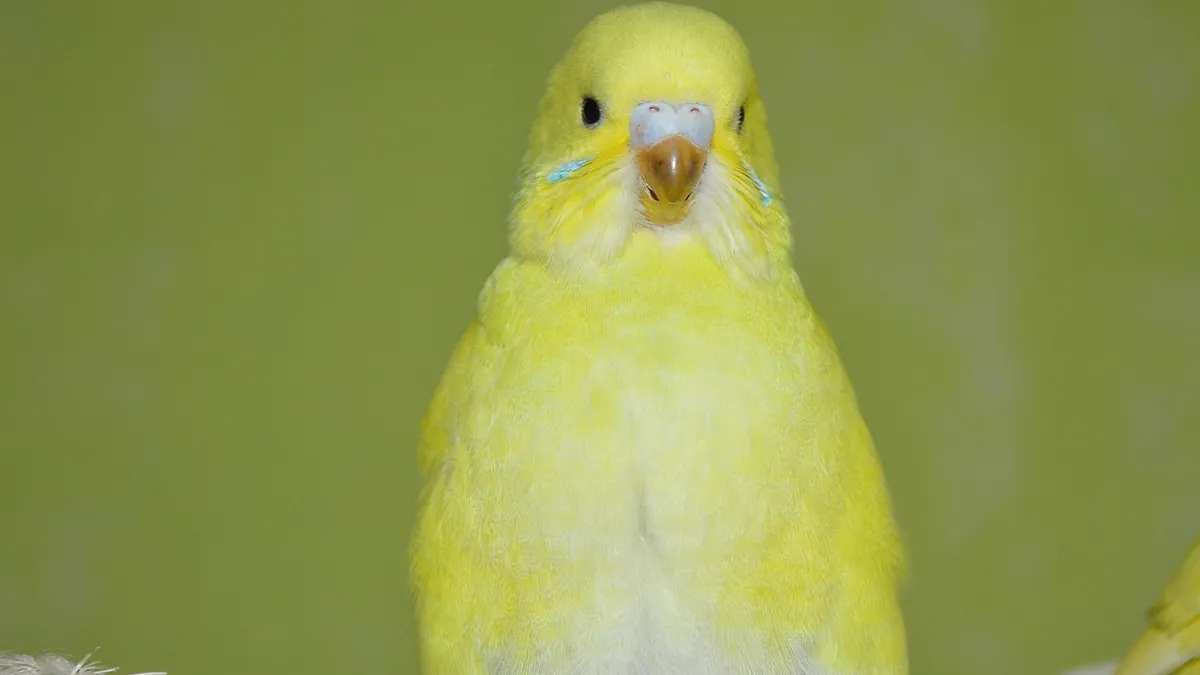
Birds hide illness until they are truly struggling, so the earliest signs are often subtle changes in eating, breathing, droppings, and activity. If you know how to tell if my budgie is sick, you can act days earlier, when treatment works best. The same early clues apply to cockatiels, parakeets, and larger parrots.
This article is educational and is not a substitute for veterinary diagnosis or treatment.
Quick Answer
- A healthy bird eats, drinks, vocalizes, and moves normally every day. Any drop in food intake, a quiet bird, or sitting fluffed on the cage floor is a warning sign.
- Watch the droppings. Color, consistency, and frequency change early in many illnesses.
- Breathing should be silent and effortless. Tail bobbing, open-mouth breathing, or clicking sounds need same-day veterinary care.
- Weigh your bird weekly on a gram scale. Weight loss is one of the most reliable early signs of disease.
- Call an avian veterinarian the same day you notice a change. Do not wait to see if it passes.
What a Sick Bird Actually Looks Like
Normal behavior in a healthy budgie, parakeet, or parrot
A healthy bird is busy. It preens, chatters, plays with toys, and comes to the front of the cage when you approach. It sleeps on one or both feet, often with the head tucked, and wakes easily. Feathers sit smooth against the body. The bird holds its head up and its body level.
Droppings in a healthy bird have three parts: a coiled or tubular solid portion, a white chalky cap (urates), and a small amount of clear urine. Color varies with diet, but the shape stays consistent.
Breathing is quiet. You should not see the tail move up and down with each breath, and you should not hear any sound from the nostrils.
Early signs owners often miss
Sick birds do not usually look dramatic at first. They look slightly off.
- Feathers puffed up for long periods, even when the room is warm
- Sitting on the cage floor instead of a perch
- Sleeping more, or sleeping with both feet flat and the head not tucked
- Eating less, or dropping food and walking away
- Quieter than usual, or no longer greeting you
- One eye partly closed, or eyes that look dull
- Droppings that are watery, discolored, or fewer in number
- Tail bobbing with each breath
- Sitting at the food dish without eating
Any one of these can be the first clue. Two or more together is a stronger signal.
Why birds hide illness
Birds are prey animals. In the wild, a bird that looks weak gets picked off. So a sick bird spends its energy acting normal for as long as it can. By the time you see obvious signs, the disease may be advanced. This is why small changes matter so much, and why a same-day vet visit is often the right call.
Common Causes of Illness in Pet Birds
Many conditions look similar in the early stages. A veterinarian sorts them out with an exam and testing.
| Cause | Typical clues | How urgent |
|---|---|---|
| Avian gastric yeast (Macrorhabdus ornithogaster) | Weight loss, undigested seed in droppings, vomiting, fluffed posture. Signs are often vague and general [1] | See a vet within a day or two |
| Parrot bornavirus (linked to proventricular dilatation disease) | Digestive signs such as undigested food in droppings, plus neurological signs like balance problems or head tremors [2][3] | Same-day visit |
| Chlamydiosis (Chlamydia psittaci) | Lethargy, weight loss, diarrhea, yellow-green droppings, eye or nose discharge, breathing trouble. It can spread to people [4] | Same-day visit, and tell your doctor if you feel ill |
| Toxin exposure | Sudden weakness, vomiting, tremors, breathing trouble after contact with a poison, fumes, or a toxic plant [5] | Emergency now |
| Respiratory infection | Tail bobbing, sneezing, nasal discharge, clicking or wheezing sounds | Same-day visit |
| Egg binding, injury, or tumors | Sudden collapse, straining, a swollen belly, favoring one leg | Emergency now |
Avian gastric yeast is common enough that it shows up regularly in testing of psittacine birds with digestive signs [1]. Parrot bornavirus circulates widely in captive parrots, and in one surveillance program most infected birds did not survive, which is why early recognition matters [3]. Chlamydiosis is highly contagious among birds and can pass to humans, so it is a public health concern as well as a pet health one [4].
Some toxic exposures are hard to confirm with lab tests in small birds, so your history and the signs you saw are often the most useful information you can give the vet [5].
Red Flags That Mean Emergency
Go to an avian veterinarian now, or call an emergency clinic that treats birds, if you see any of these.
- Open-mouth breathing, gasping, or a tail that bobs hard with every breath
- Sitting on the cage floor, unable to perch
- Collapse, seizures, or a bird that cannot stand
- Blood in the droppings, or droppings that are black and tarry
- Repeated vomiting, or food stuck to the beak and face
- Straining to pass a dropping for more than a few minutes
- A swollen or distended belly
- Sudden inability to use one wing or leg
- Known or suspected contact with a toxin, fumes, or a hot surface
Small birds decline fast. A budgie that was eating at breakfast can be critical by evening. When in doubt, treat it as an emergency. For more on breathing emergencies, see Budgie Respiratory Infection: Signs, Causes, and Urgent Care.
What You Can Safely Do at Home While You Wait
Home care does not replace a vet visit. It keeps your bird stable until you get there.
Warmth and quiet
Move the bird to a quiet, dim room away from other pets and household traffic. Provide gentle warmth. A common approach is to set up a hospital cage with a low heat source on one side so the bird can move away if it gets too warm. Never leave a heat source unattended, and never let the cage get hot enough to make the bird pant.
Food and water within reach
Place food and water on the cage floor if the bird is not perching well. Offer the foods your bird normally eats. Do not switch to a new diet during an illness, and do not force-feed. If your bird is not eating at all, that is a reason to call the vet now, not to wait.
Weigh your bird
A kitchen gram scale gives you a number the vet can use. Weigh at the same time of day, ideally before the first meal. Write down the weight and the date. A steady drop over several days is meaningful even if the bird looks fine.
Keep a simple log
Note what you saw and when. Dropping changes, breathing changes, food intake, and activity level all help the veterinarian. Take a photo of abnormal droppings with your phone.
What not to do
Do not give human medications, antibiotics, or supplements. Do not use mite sprays, flea products, or essential oil diffusers near the cage. Do not add vitamins to the water unless your vet tells you to. Birds are sensitive to many compounds that are safe for mammals [5]. A veterinarian calculates any drug dose from your bird's weight and health status.
What the Veterinarian Will Check and Test
The physical exam
The vet will weigh your bird and check its body condition, looking and feeling along the keel bone. They will listen to the heart and lungs, look inside the mouth, check the eyes and nostrils, and feel the abdomen. They will examine the droppings under a microscope.
Common tests
- Fecal wet mount and stain, which can show yeast, bacteria, and parasites [1]
- PCR testing for specific organisms such as Macrorhabdus ornithogaster, parrot bornavirus, or Chlamydia psittaci [1][2][4]
- Blood work, including a complete blood count and chemistry panel
- Gram stain of the throat or droppings
- Imaging such as radiographs or ultrasound when the vet suspects a mass, egg, or organ problem
Some tests take days to return. Your vet may start supportive care while you wait for results. That is normal and often necessary in small birds.
Treatment
Treatment depends on the diagnosis. It may include fluids, warmth, oxygen, anti-nausea medication, antibiotics, antifungals, or antiparasitics. Some conditions, including avian gastric yeast, can be difficult to diagnose and treat [1]. Follow the instructions exactly, finish the full course, and keep the follow-up appointment.
How to Tell If My Budgie Is Sick: A Daily Check
You can catch most problems with a two-minute routine.
- Look at the bird. Are the feathers smooth? Is the posture upright? Are the eyes bright and open?
- Listen. Any sneezing, clicking, or wheezing?
- Check the food and water dishes. Has the level dropped since yesterday?
- Check the droppings. Normal color and shape? Enough of them?
- Watch the tail for a few breaths. Is it still?
- Weigh once a week and write it down.
Do this at the same time each day. You will learn your bird's normal, and abnormal will stand out fast. For a broader checklist that applies to all pet birds, see Signs of Illness in Pet Birds and When to See an Avian Vet.
Prevention and Monitoring
Housing and air quality
Keep the cage away from the kitchen. Nonstick cookware fumes, aerosol sprays, scented candles, and smoke can harm birds quickly [5]. Avoid drafts and keep the temperature stable.
Diet
Feed a balanced diet with a quality pellet base plus fresh vegetables. Seed-only diets contribute to obesity and nutritional problems. Change fresh food daily so it does not spoil.
Quarantine new birds
Keep any new bird in a separate room for at least 30 days before introducing it to your flock. Many infectious diseases spread before signs appear. Parrot bornavirus has been found in birds with no clinical signs at all, including cage mates of sick birds [2].
Hygiene
Wash your hands after handling birds or cleaning cages. Chlamydiosis can spread from birds to people, so hand washing protects you too [4]. Clean food and water dishes daily and disinfect the cage weekly.
Routine veterinary care
Schedule a wellness exam when you get a new bird, then yearly. Bring your weight log and any notes. A baseline exam and blood work make it much easier to spot changes later.
Know your species
Budgies, cockatiels, and parrots share many signs, but some conditions are more common in certain species. If you keep a larger parrot, see Common Parrot Diseases: Symptoms, Diagnosis, and Treatment. If you are new to budgie care, Budgie (Parakeet) Care Guide for Beginners covers the basics of housing, diet, and daily monitoring.
Limitations and When to Contact a Veterinarian
This article gives general guidance. Your bird is an individual, and only a veterinarian who examines it can diagnose and treat it.
Call an avian veterinarian the same day if you notice any of these:
- Eating or drinking less for more than 24 hours
- Fluffed feathers, sitting low, or sleeping more than usual
- Any change in droppings that lasts more than a day
- Sneezing, nasal discharge, or a change in voice
- Weight loss on your weekly check
Go to an emergency clinic now if you see:
- Open-mouth breathing, gasping, or strong tail bobbing
- Collapse, seizures, or inability to stand
- Vomiting that repeats
- Straining to pass a dropping
- Bleeding, a swollen belly, or sudden paralysis
- Suspected toxin, fume, or burn exposure [5]
Book a routine visit for a new bird, a yearly exam, or any concern that is not urgent. If your bird is stable but something feels off, a phone call to the clinic can help you decide.
Frequently Asked Questions
How long can a sick budgie hide illness?
Birds can mask signs for days to weeks, depending on the condition. By the time obvious signs appear, the disease is often advanced. This is why daily observation and weekly weights matter more than waiting for a dramatic symptom.
My budgie looks sick but is still eating. Should I wait?
No. A bird that is still eating can be seriously ill. Appetite is often the last thing to go. Call your avian vet and describe what you are seeing, then follow their advice on timing.
Can I catch an illness from my parrot?
Yes, in some cases. Chlamydia psittaci can spread from birds to humans and causes a bacterial infection called psittacosis [4]. Wash your hands after handling birds and cleaning cages, and tell your doctor about your bird contact if you develop flu-like symptoms.
Are watery droppings always a sign of illness?
No. A single watery dropping can follow a bath, a stressful event, or eating a lot of fruit. What matters is the pattern. Watery droppings that continue, change color, or come with other signs such as fluffed feathers or low activity need a vet visit.
What should I bring to the vet appointment?
Bring your weight log, notes on when signs started, and photos of abnormal droppings. If you can, bring a fresh dropping sample in a clean plastic bag or container. Also bring the food package and a list of any toys, plants, or household products your bird may have contacted [5].
Related Articles
- Budgie Respiratory Infection: Signs, Causes, and Urgent Care
- Signs of Illness in Pet Birds and When to See an Avian Vet
- Budgie (Parakeet) Care Guide for Beginners
- Common Parrot Diseases: Symptoms, Diagnosis, and Treatment
- African Grey Parrot Care: Respiratory Infection Symptoms & Antibiotic Protocol
- Bourke's Parakeet Care Guide
- Sick Bird Symptoms: Warning Signs in Parrots and Cockatiels
- Sick Bird Droppings: What Budgie and Parrot Poop Means
- My Budgie Is Sick: What to Do Right Now
References
- Avian gastric yeast (macrorhabdosis) in cockatiel, budgerigar and grey parrot: a focus on the clinical signs, molecular detection and phylogenetic evaluation. Veterinary research forum : an international quarterly journal, 2023.
- Molecular detection and characterization of Parrot Bornavirus 4 (PaBV-4) in captive psittacine birds in India. Scientific reports, 2026.
- Surveillance of Parrot Bornavirus in Taiwan Captive Psittaciformes. Viruses, 2024.
- Outbreak of Chlamydia psittaci Infection in a Commercial Psittacine Breeding Aviary in Argentina. Animals : an open access journal from MDPI, 2024.
- Avian toxicoses: a review. Frontiers in veterinary science, 2025.