Can Parakeets Eat Mint? Fresh Herbs and Safety
By Dr. Zubair Khalid, DVM, MS, PhD ·
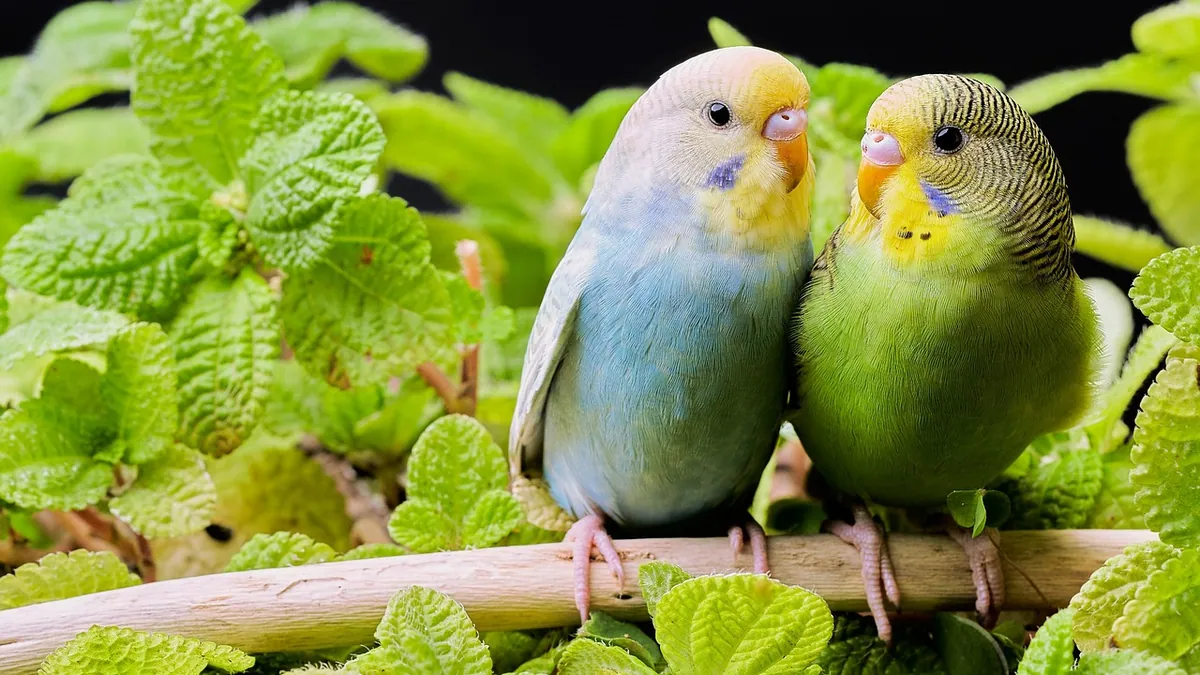
Yes, parakeets can eat mint. Fresh mint leaves are not toxic to parakeets, budgies, cockatiels, or most other parrots, and a small leaf now and then is a safe treat. The danger comes from concentrated mint products, especially essential oils, candies, and syrups, which are not safe for birds.
This article is educational and is not a substitute for veterinary diagnosis or treatment.
Quick Answer
- Fresh mint leaves are safe for parakeets, budgies, cockatiels, and most parrot species in small amounts.
- Mint is a treat, not a meal. It should stay a tiny part of a balanced diet built on pellets, fresh vegetables, and species-appropriate seed.
- Never offer mint essential oil, mint extract, mint candy, gum, or syrup. These are concentrated or contain additives that can harm birds.
- Wash leaves well and offer one small leaf or a few torn pieces at a time.
- If your bird eats a large amount of fresh mint, watch for vomiting, diarrhea, or lethargy and call your veterinarian if signs appear.
Can Parakeets Eat Mint? The Safe or Unsafe Verdict
Fresh mint is safe for parakeets. The leaves of common kitchen mints (spearmint, peppermint, and similar varieties) are not known to be toxic to psittacine birds. Wild parrots regularly eat leaves, flowers, bark, and other plant parts as part of a varied diet, and they are built to handle small amounts of plant chemicals that would bother other animals [1].
That said, safe does not mean unlimited. Mint contains aromatic oils that give it that strong smell and taste. A parakeet's digestive tract is small, and a large serving of any new herb can cause loose droppings or an upset stomach. Think of mint as a garnish, not a food group.
The verdict breaks down by form:
| Form | Safe? | Notes |
|---|---|---|
| Fresh mint leaves | Yes, in small amounts | Wash well, offer 1 small leaf or a few torn pieces |
| Dried mint (plain, no additives) | Yes, in small amounts | Check the label for sugar, salt, or preservatives |
| Mint tea (cooled, plain) | Usually yes, in tiny amounts | No caffeine, no sweeteners, no flavor blends |
| Mint essential oil | No | Highly concentrated, can cause serious illness |
| Mint extract (baking) | No | Often alcohol-based and concentrated |
| Mint candy, gum, syrup | No | Contains sugar, xylitol, or other additives |
If you keep other birds, the same basic answer applies. Do parrots eat mint in the wild? Some do eat a wide range of plant material, but mint is not a major natural food for most species, so there is no reason to make it a staple [1]. Can parrots eat fresh mint? Yes, the same small-amount rule applies to larger parrots. Can Quaker parrots eat mint? Yes, fresh leaves are fine in small amounts. Can budgies eat mint? Yes, and a single torn leaf is plenty for a bird that size. Can cockatiels eat mint? Yes, fresh mint is safe for cockatiels too.
What Mint Offers Nutritionally
Mint is mostly water and fiber. It contains small amounts of vitamin A, vitamin C, and minerals, but the amounts are too small to matter much in a parakeet's diet. You should not use mint as a vitamin source.
Vitamin A is a nutrient worth thinking about, but more is not better. In one controlled study, adult cockatiels fed very high levels of vitamin A developed toxicity, including pancreatitis and changes in the duodenum, while lower levels did not [2]. That is a good reason to rely on a balanced diet and not to chase nutrients with herbs or supplements.
The real benefit of mint is behavioral. Parrots are intelligent, curious birds that need things to explore. Offering a new leaf gives your bird something to shred, sniff, and taste. Feeding enrichment that lets birds work for food and use natural behaviors supports welfare in captive birds [3]. A mint leaf can be part of that enrichment, especially if you clip it to the cage bars or hide it in a foraging cup.
If you want a broader list of safe and unsafe foods, see What Pet Birds Can and Cannot Eat: A Safe Diet Guide.
Risks of Feeding Mint to Parrots
Digestive Upset
The most common problem is simple stomach upset. Too much mint at once can lead to loose droppings, vomiting, or a bird that sits fluffed and quiet. Any digestive sign that lasts more than a day deserves a call to your veterinarian.
Choking and Crop Issues
A whole large leaf can be awkward for a small bird to swallow. Tear leaves into small pieces for budgies and other small species. Birds with a history of crop or proventriculus problems need extra care. Proventricular dilatation syndrome causes weight loss, vomiting, and a thin-walled, ingesta-filled proventriculus, and birds with this condition should not be given new foods without veterinary guidance [4].
Essential Oils and Concentrated Products
This is the biggest danger. Mint essential oil is far more concentrated than a leaf. A single drop can contain the aromatic compounds of many plants. Birds are small, and their bodies are not set up to process that load. Never put essential oil in water, on food, on perches, or in a diffuser near your bird's cage.
Additives in Human Mint Products
Read labels before you share anything. Xylitol is a sweetener that is toxic to pets. Sugar, salt, garlic, onion powder, and artificial flavors are all common in mint candies, gums, sauces, and teas. None of these belong in a bird's bowl.
A Note on Plant Defenses
Plants make chemicals to defend themselves, and parrots have evolved ways to cope with some of them [1]. That does not mean every plant chemical is harmless to a captive bird. It means wild parrots eat a wide variety of plants and often in modest amounts. Your pet's body is not identical to a wild bird's, and its diet is much narrower.
How to Offer Mint Safely
Which Parts to Use
Use the leaves. Stems are fine if they are tender, but remove any woody pieces. Flowers from a mint plant are generally safe too, but only if you know the plant was not sprayed.
Preparation
- Buy organic mint or grow your own when you can.
- Rinse leaves under running water and pat dry.
- Tear or chop leaves into pieces your bird can manage.
- Start with one small piece and see how your bird responds.
- Remove leftovers after a few hours so they do not spoil.
How Much
For a budgie or parakeet, one small leaf or half a leaf is a full serving. For a cockatiel, one leaf is plenty. For a larger parrot, two or three leaves is a reasonable treat. Offer mint two or three times a week at most. It should never replace pellets, vegetables, or your bird's regular food.
What to Avoid
- Mint essential oils, in any form
- Mint extracts and flavorings
- Mint candies, gum, syrups, and desserts
- Mint teas with caffeine, sugar, honey, or other herbs
- Mint from a yard that may have been treated with pesticides or fertilizer
- Mint that has been sitting in the fridge past its prime
If you are new to parakeet care, the Budgie (Parakeet) Care Guide for Beginners covers housing, diet, and daily needs.
What to Do If Your Bird Ate Too Much Mint
Fresh Mint Overload
If your bird ate a large amount of fresh leaves, stay calm. Remove the rest of the mint. Offer fresh water and normal food. Watch for vomiting, diarrhea, fluffed feathers, or unusual quietness. Call your veterinarian if any of these signs appear or last more than a few hours.
Essential Oil or Concentrated Product Exposure
This is an emergency. If your bird got into essential oil, extract, candy, or gum, call your veterinarian or an animal poison control hotline right away. Do not wait for symptoms. Bring the product container with you or have the label ready so the veterinarian knows what was ingested. Treatment depends on the product, the amount, and your bird's size, and the veterinarian will calculate any dose based on your bird's weight and health.
Signs That Need Same-Day Care
- Repeated vomiting or vomiting that will not stop
- Blood in the droppings or around the vent
- Trouble breathing, open-mouth breathing, or tail bobbing
- Sitting at the bottom of the cage
- Not eating or drinking for more than a few hours
- Swelling or a visible lump near the crop
Safer Alternatives to Mint
If your bird likes mint, it will likely enjoy other bird-safe herbs and greens. Good options include basil, cilantro, parsley, dill, and oregano in small amounts. Leafy greens like romaine, kale, and spinach are better everyday choices because they add bulk and some vitamins without a strong aromatic oil load.
Vegetables such as carrot, bell pepper, broccoli, and squash are staples in a balanced parrot diet. Fruit can be a treat, but keep it small because of sugar. For a full picture of what belongs in the bowl, see What Pet Birds Can and Cannot Eat: A Safe Diet Guide.
If you also have dogs at home, some of the same food safety questions come up. These articles cover fruit safety for dogs: Can Dogs Eat Nectarines? Pit Cyanide and Skin Safety and Can Dogs Eat Apricots? Flesh Safety vs Pit Hazards.
Limitations and When to Contact a Veterinarian
Every bird is an individual. A food that is fine for one parakeet may cause problems for another, especially a bird with liver, kidney, or digestive disease. Your veterinarian can give advice based on your bird's species, weight, and health history.
Call your veterinarian the same day if your bird shows vomiting, diarrhea, fluffed feathers, or a drop in appetite after eating mint. Go to an emergency clinic right away if your bird has trouble breathing, cannot stand, has seizures, or got into essential oil or a sweetened mint product. Schedule a routine visit if you want help building a balanced diet or if your bird has had repeated digestive issues.
Frequently Asked Questions
Can parakeets eat mint every day?
No, mint should be an occasional treat, not a daily food. A small piece two or three times a week is plenty. Daily mint could crowd out more nutritious foods and may upset a small bird's stomach.
Is dried mint as safe as fresh mint for parrots?
Plain dried mint is generally safe in small amounts, but check the label first. Many dried herb blends contain added salt, sugar, or preservatives. Fresh leaves are easier to inspect and usually a better choice.
Can I give my parrot mint tea?
Plain, cooled mint tea with no caffeine and no sweeteners is usually fine in tiny amounts. Avoid blends with other herbs, honey, or flavorings. Never leave tea sitting in the water bowl where bacteria can grow.
What happens if my bird eats a mint candy?
Treat it as an emergency and call your veterinarian or a poison control hotline right away. Candy may contain xylitol, chocolate, or other ingredients that are dangerous to birds. Do not wait for symptoms to appear.
Are mint plants safe to keep in the same room as my bird?
The plant itself is not toxic, but your bird should not be allowed to chew it freely. Pesticides, fertilizer, and overeating are all risks. Keep the plant out of reach and offer only washed leaves as a controlled treat.
Related Articles
- What Pet Birds Can and Cannot Eat: A Safe Diet Guide
- Budgie (Parakeet) Care Guide for Beginners
- Can Parrots Eat Mint Leaves? Safe Herbs for Birds
- Can Parakeets Eat Onions? Toxicity Risk for Birds
- Can Parrots Eat Basil and Rosemary Leaves?
References
- Parrots eat nutritious foods despite toxins. PloS one, 2012.
- Adult cockatiels (Nymphicus hollandicus) at maintenance are more sensitive to diets containing excess vitamin A than to vitamin A-deficient diets. The Journal of nutrition, 2003.
- Functionally Relevant Feeding Enrichment: An Examination of Nectar Feeding Devices With Two Species of Parrot. Veterinary medicine and science, 2026.
- Proventricular dilatation syndrome in large psittacine birds. Avian diseases, 1984.