Can Parrots Eat Basil and Rosemary Leaves?
By Dr. Zubair Khalid, DVM, MS, PhD ·
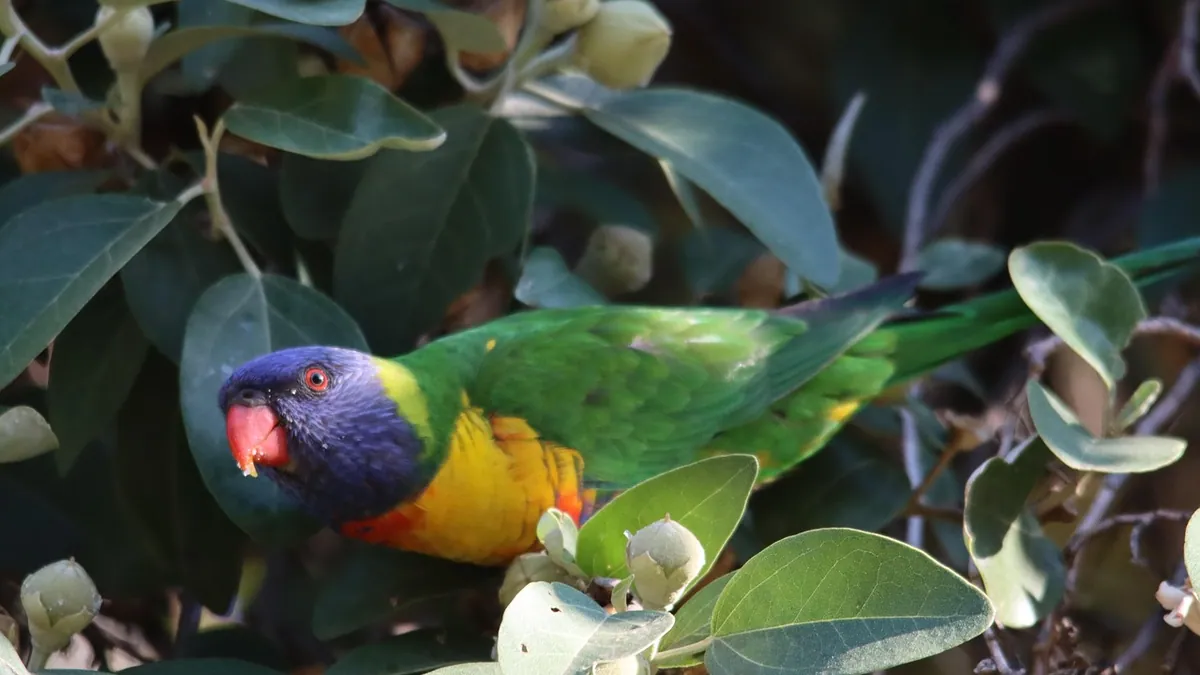
Yes, parrots can eat basil leaves. Fresh basil is safe for parrots, parakeets, and budgies when it is plain and offered in small amounts. Rosemary leaves are also safe, but both herbs should be treated as a garnish, not a meal.
This article is educational and is not a substitute for veterinary diagnosis or treatment.
Quick Answer
- Basil leaves are safe for parrots, parakeets, and budgies. Offer one or two small leaves at a time.
- Rosemary leaves are safe in tiny amounts. The needle-like texture makes them easy to overfeed or choke on.
- Use only fresh or dried plain herbs. Skip pesto, herb blends, oils, salts, and anything with garlic or onion.
- Wash all herbs well and cut them into small pieces for small birds.
- Herbs are a garnish. They do not replace pellets, vegetables, or a balanced diet.
Can Parrots Eat Basil Leaves? The Short Answer
Yes. Basil is a safe herb for parrots. It is not toxic to psittacine birds, and many parrots enjoy the smell and taste. The same goes for parakeets and budgies. A budgie can eat basil leaves, and a parakeet can eat basil leaves, as long as the herb is fresh, clean, and plain.
The bigger question is how much. Herbs are not a food group for birds. They are a flavoring, a foraging item, or a small treat. A parrot's main diet should be built around a quality pellet, fresh vegetables, and a measured amount of fruit and seeds. If you want a full plan, see Parrot Nutrition: Building a Balanced Diet for Pet Parrots.
Wild parrots eat a wide range of plant material. One study of Burrowing Parrots used DNA from fecal samples to identify a large variety of plant items in their diet across the year [1]. That tells us parrots are built to sample many plants, including leaves and herbs. It does not mean every plant is safe, and it does not mean a pet parrot should live on herbs.
Can Parrots Eat Rosemary Leaves?
Yes, rosemary leaves are safe for parrots in small amounts. Rosemary is not on the common toxic plant lists for birds. It has a strong resinous aroma, and some birds ignore it completely. Others like to shred it.
The problem with rosemary is the shape. The leaves are narrow, stiff, and needle-like. For a budgie or parakeet, a whole rosemary leaf can be hard to chew and could be swallowed in a way that causes trouble. Cut rosemary into tiny pieces, or offer just one small leaf and watch how your bird handles it.
Do not offer rosemary essential oil, rosemary-infused oil, or rosemary sprigs from a seasoning blend. Oils are not part of a parrot's normal diet, and concentrated plant oils can cause digestive upset.
Nutrition: What Basil and Rosemary Actually Offer
Basil and rosemary are low-calorie, aromatic plants. They contain small amounts of vitamins and plant compounds. Basil is often described as a source of vitamin K and antioxidants. Rosemary contains plant compounds that act as antioxidants in the body.
That sounds good, and it is, but the amounts matter. A parrot eating one basil leaf is getting a tiny dose of these compounds. The leaf is mostly water and fiber. It will not correct a poor diet, and it will not treat any disease.
There is real research interest in how diet and antioxidants affect captive parrots. A study on budgerigars kept in typical pet cages found that markers of oxidative damage were not correlated with each other or with plasma levels of dietary antioxidants [2]. In plain terms, a single nutrient or herb does not tell the whole story of a bird's health. Housing, exercise, body condition, and the overall diet all matter.
The gut microbiome is another piece of the picture. A study of 31 companion parrots across 14 species found that their gut bacteria were dominated by Firmicutes and Proteobacteria, with Lactobacillus found in most samples [3]. Fiber-containing plant foods, including herbs and vegetables, feed that gut community. Herbs can be a small part of a fiber-rich diet, but they are not a probiotic and they are not a treatment.
Risks and What to Avoid
Choking and Texture
Small birds have small throats. A stiff rosemary needle or a large basil stem can be a choking hazard. Cut herbs into pieces smaller than your bird's beak opening. Never leave long stems in the cage.
Digestive Upset
Too much of any new food can cause loose droppings or an upset stomach. Introduce basil or rosemary one at a time. Offer a small piece, then wait a day and check the droppings. If droppings change, stop the herb and let your bird return to normal.
Toxic Additives
This is where most real danger lives. Plain basil is safe. Basil in pesto is not. Pesto contains oil, salt, garlic, and often cheese. Garlic and onion can damage red blood cells in birds and should never be fed. Salt can cause serious problems in small birds.
Check every product label for:
- Xylitol, a sweetener that is highly toxic to pets
- Garlic and onion powder
- Added salt
- Added sugar or syrups
- Essential oils
- Preservatives and artificial colors
Dried herb blends from the spice rack often contain salt, garlic powder, or onion powder. Use only single-ingredient dried basil or dried rosemary, or better yet, use fresh.
Pesticides and Contamination
Wash fresh herbs under running water and pat them dry. If you grow your own, do not use pesticides or systemic insecticides on plants your bird will eat. If you buy herbs, choose plain culinary herbs, not ornamental plants from a florist.
A Note on Body Condition
Parrots in captivity often get too much food and too little exercise. A study of captive budgerigars noted that the birds did not have enough space to engage in extensive free flight [2]. Herbs are low in calories, so they are a better treat than a piece of bread or a seed stick. They still do not fix an obesity problem. If your bird is overweight, ask your veterinarian for a diet plan.
How to Offer Basil and Rosemary Safely
Which Parts to Use
Use the leaves. Basil leaves are soft and easy to tear. Rosemary leaves are tough, so chop them finely. You can also offer a small piece of the tender stem of basil, but avoid woody stems.
How Much to Offer
For a medium or large parrot, one or two basil leaves or a small pinch of chopped rosemary is plenty. For a budgie or parakeet, a piece about the size of a grain of rice is enough. Herbs should make up a very small part of the daily food.
Preparation Methods
- Raw and fresh: best choice
- Washed and dried: always
- Chopped small: for small birds
- Woven into a foraging toy: good enrichment
- Sprinkled on chop: a nice flavor boost
Avoid cooked herb dishes, herb butter, herb oils, and anything from a restaurant.
Form | Safe? | Notes
| Form | Safe? | Notes |
|---|---|---|
| Fresh basil leaf | Yes | Wash well, offer 1 to 2 leaves |
| Fresh rosemary leaf | Yes, small amounts | Chop finely, watch for choking |
| Dried plain basil | Yes | Use a small pinch, check for additives |
| Dried plain rosemary | Yes, small amounts | Strong flavor, many birds refuse it |
| Pesto | No | Contains oil, salt, garlic, cheese |
| Herb oil or infused oil | No | Concentrated, can cause digestive upset |
| Seasoning blend | No | Often has salt, garlic, onion |
| Rosemary essential oil | No | Not a food, can be toxic |
| Herbs with xylitol | No | Xylitol is highly toxic to pets |
If you also keep dogs, herb questions come up there too. The same label-checking habits apply to Can Dogs Eat Strawberry Leaves And Stems and Can Dogs Eat Strawberry Stems And Leaves.
What to Do If Your Bird Ate Too Much or the Wrong Form
If your bird ate a large amount of plain basil or rosemary, most likely nothing serious will happen. Watch for loose droppings, vomiting, fluffed feathers, or a drop in activity. Remove the herb and offer fresh water. Call your veterinarian if signs last more than a day.
If your bird ate pesto, an herb blend, or anything containing garlic, onion, salt, or xylitol, treat it as an emergency. Call your veterinarian or a pet poison control hotline right away. Do not wait for symptoms. Small birds can decline quickly.
If your bird is choking, gaping, or pawing at its mouth, seek emergency care now.
Safer Alternatives and Variety
Herbs are a nice change of pace, but they are not the backbone of a parrot diet. Safe daily foods include:
- Dark leafy greens such as kale, collards, and romaine
- Orange and red vegetables such as carrot, bell pepper, and squash
- A small amount of fruit such as apple, berries, and melon
- A quality formulated pellet
- A measured portion of seeds or nuts for species that need them
Other bird-safe herbs you can try in small amounts include parsley, cilantro, mint, dill, and oregano. Offer one new herb at a time so you can tell what agrees with your bird.
Parrots have powerful jaws built for cracking and crushing plant material. A study across 27 parrot species looked at bite force and jaw muscle anatomy and found that simple models based on mammal mechanics may not fit the complex parrot skull [4]. The practical point for owners is simple. Your bird can destroy a woody stem or a hard seed husk, but that does not mean every plant part is safe to swallow. Texture and size still matter.
Limitations and When to Contact a Veterinarian
No article can tell you what is safe for your individual bird. Your bird's species, size, age, health history, and current diet all change the answer. A veterinarian who examines your bird can give you advice that fits your situation.
Contact your veterinarian the same day if your bird:
- Ate garlic, onion, xylitol, or a seasoned herb product
- Has repeated vomiting or regurgitation
- Has bloody or black droppings
- Is fluffed, quiet, or sitting on the cage floor
- Is breathing with its tail bobbing or its beak open
Go to an emergency clinic now if your bird:
- Is choking or cannot swallow
- Is gasping or making clicking sounds
- Collapsed or cannot perch
- Has a seizure
Schedule a routine visit if your bird:
- Has had loose droppings for more than a day
- Refuses food for more than a few hours
- Has changed weight or body condition
- Needs a full diet review
Frequently Asked Questions
Can parakeets eat basil leaves?
Yes, parakeets can eat basil leaves. Offer a piece about the size of a grain of rice, washed and plain. Basil is a treat, so keep it to a small part of the weekly diet.
Can budgies eat basil leaves?
Yes, budgies can eat basil leaves. Budgies are small, so cut the leaf into tiny pieces to lower any choking risk. Watch the droppings after the first offering and stop if anything changes.
Is rosemary safer dried or fresh?
Both forms are safe if they are plain. Fresh rosemary is easier to inspect and has no added ingredients. Dried rosemary is more concentrated in flavor, so use only a tiny pinch and check the label for salt or garlic.
Can I leave herbs in the cage all day?
No, remove fresh herbs after a few hours. Wet plant material can spoil, grow bacteria, and attract pests. Offer herbs during a supervised period and take out what is left.
Do herbs count as vegetables in my bird's diet?
No, herbs do not replace vegetables. They are a garnish and an enrichment item. Build the diet around pellets, a variety of vegetables, and a measured amount of fruit and seeds.
Related Articles
- Parrot Nutrition: Building a Balanced Diet for Pet Parrots
- Parrot Feather Plucking
- Can Parrots Eat Mint Leaves? Safe Herbs for Birds
- Can Parrots Eat Mustard Greens and Other Leafy Greens?
- Can Parrots Eat Raw Vegetables? Carrots, Celery and More
References
- Using next-generation sequencing to unravel the diet composition of Burrowing Parrots over the annual cycle. Die Naturwissenschaften, 2026.
- Oxidative stress, activity behaviour and body mass in captive parrots. Conservation physiology, 2015.
- Characterization and Comparative Analysis of Gut Microbiomes in Fourteen Parrot Species. Veterinary sciences, 2026.
- Bite force estimates and morphological correlations of jaw muscles in parrots. Anatomical record (Hoboken, N.J. : 2007), 2026.