What Pet Birds Can and Cannot Eat: A Safe Diet Guide
By Dr. Zubair Khalid, DVM, MS, PhD ·
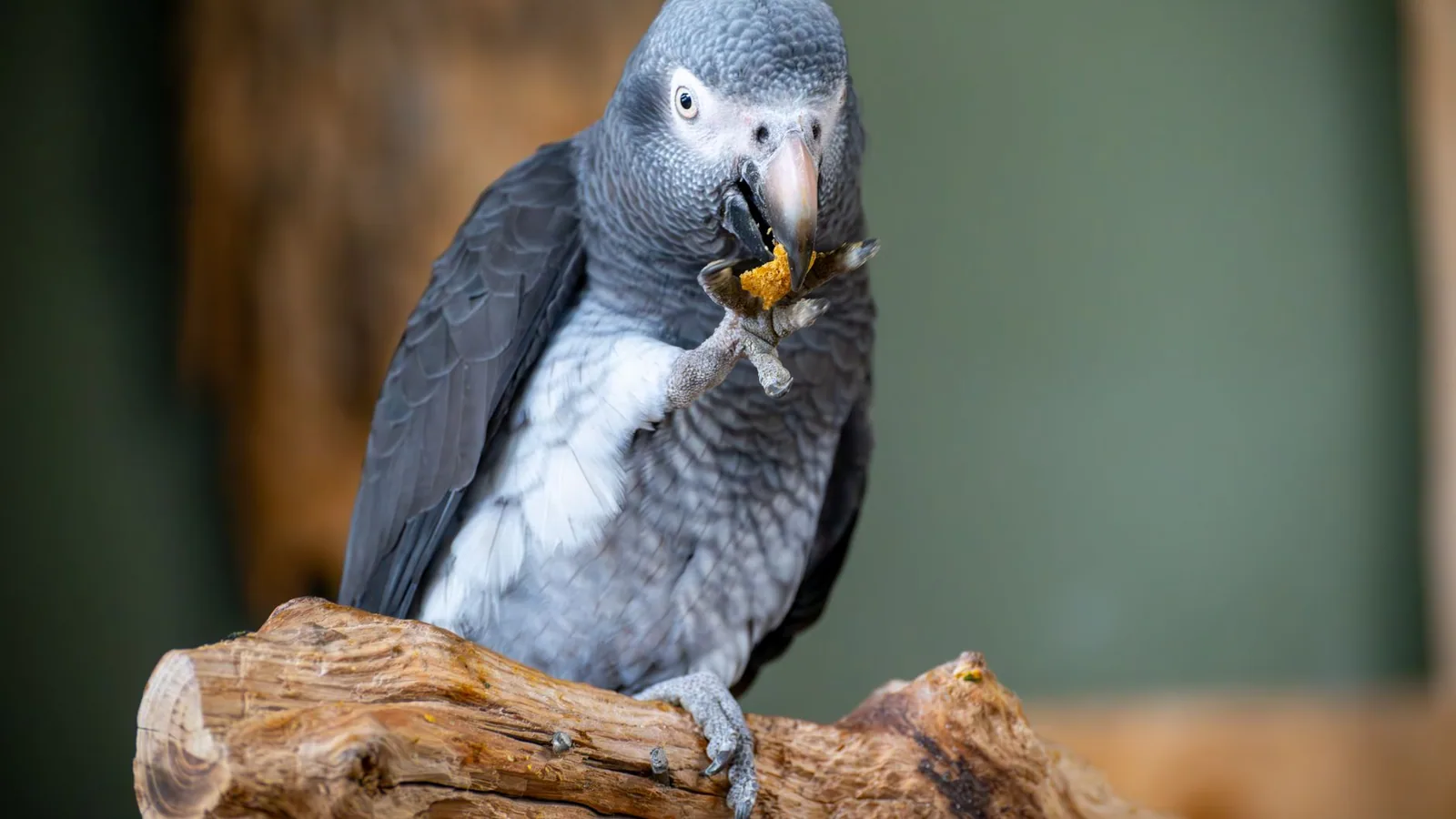
Providing a nutritionally balanced and safe diet is the single most important factor in promoting longevity and preventing disease in companion birds. Unlike dogs and cats, avian species have unique metabolic demands, including a high resting metabolic rate, an absolute requirement for dietary vitamin A, and a reliance on calcium for eggshell formation and neuromuscular function. Feeding a seed-only diet is the leading cause of preventable illness in psittacines, contributing to obesity, hepatic lipidosis, and hypovitaminosis A. This guide synthesises current veterinary science, including recent publications in the Journal of Avian Medicine and Surgery and BMC Veterinary Research, to help owners understand pet bird nutrition.
Quick Q&A
Question: Are pellets better than seeds for my parrot, and how do I switch my bird to a pelleted diet?
Answer: Yes, a high-quality formulated pellet should form the foundation (60-80%) of a companion parrot's diet, as it provides balanced vitamins and minerals that seeds lack. The Association of Avian Veterinarians (AAV) strongly recommends gradual weaning by mixing increasing amounts of moistened pellets with the bird's current seed mix over several weeks. Avoid sudden cold-turkey changes, which can cause refusal, weight loss, and hepatic lipidosis. Always monitor daily food intake during the transition.
The Pellets vs Seeds Debate: A Veterinary Perspective
The foundational controversy in companion bird nutrition is the relative value of seeds versus formulated pellets. While seeds are natural foods for wild birds, they are nutritionally incomplete for captive psittacines. Most commercial seed mixes are high in fat (especially omega-6 fatty acids) and low in calcium, vitamin A, and iodine.
The Case for Pellets
Formulated pellets are designed to be nutritionally complete. They provide stable levels of vitamins A, D3, E, and B-complex, as well as chelated minerals. A recent study established reference intervals for plasma vitamins and minerals in healthy grey parrots (Psittacus erithacus) and found that feed supplementation (pellet use) significantly increased plasma vitamin D and iodine concentrations compared to seed-fed birds. This is critical because vitamin D3 is necessary for calcium absorption and bone health; birds fed seed-only diets are at high risk for nutritional secondary hyperparathyroidism.
The Merck Veterinary Manual states that pellets should constitute approximately 60-80% of the daily caloric intake for most psittacines. The AAV similarly recommends that a formulated diet be the staple, complemented by fresh vegetables, fruits, and limited grains.
The Risks of Seed-Based Diets
A seed-only diet is associated with multiple disease processes:
- Hypovitaminosis A: Leading to squamous metaplasia of the respiratory and reproductive epithelium, making birds more susceptible to infections, including Chlamydia psittaci (psittacosis).
- Obesity and Hepatic Lipidosis: High-fat seeds (sunflower, safflower, peanuts) contribute to fatty liver disease, a common postmortem finding.
- Calcium Deficiency: Seeds are severely calcium-deficient, predisposing egg-binding in hens and pathologic fractures.
Practical Transition Protocol
Transitioning a seed-addicted bird to pellets requires patience. The Cornell College of Veterinary Medicine recommends a gradual mixing method: start with a 75:25 seed-to-pellet ratio for one week, then 50:50, then 25:75, and finally 100% pellets. Moistening pellets with a small amount of warm water can make them more palatable. Weigh the bird daily during the transition; any weight loss exceeding 5% warrants slowing the process and consulting a veterinarian.
Safe Produce: Vegetables, Fruits, and Greens
Fresh produce should comprise 15-20% of the diet. Not all produce is created equal; some items are nutrient-dense and highly beneficial, while others can be toxic.
Dark Leafy Greens and Orange Vegetables
Vitamin A precursors (beta-carotene) are abundant in these foods.
- Safe and recommended: Kale, collard greens, Swiss chard, dandelion greens, beet greens, mustard greens.
- Orange vegetables: Carrots (shredded), sweet potato (cooked), butternut squash, pumpkin.
- Other vegetables: Broccoli, bell peppers (high in vitamin C), zucchini, green beans, asparagus.
Fruits: Healthy Treats in Moderation
Fruits are high in natural sugars and should be limited to 5-10% of the diet to avoid obesity and glycemic spikes.
- Berries: Blueberries, strawberries, raspberries (high in antioxidants).
- Melons: Cantaloupe, honeydew (good source of vitamin A).
- Other safe choices: Apple (without seeds), pear, mango, papaya, banana.
Sprouted Seeds and Legumes
Sprouting seeds increases their bioavailability of vitamins and amino acids. Soaking seeds (millet, sunflower, mung beans) for 12-24 hours and rinsing thoroughly produces a live food rich in enzymes and chlorophyll. Ensure strict hygiene to prevent bacterial overgrowth, as contaminated sprouts can harbour Salmonella and E. coli.
Toxic Foods: What Pet Birds Must Never Eat
Several common human foods are highly toxic to birds, often causing rapid death. Veterinarians at VCA Animal Hospitals stress that even small amounts can be fatal.
Avocado (Persin Toxicity)
Avocado contains persin, a fungicidal toxin that causes myocardial necrosis and respiratory distress in birds. Symptoms include lethargy, dyspnoea, and sudden collapse. The toxic dose is extremely low; even a few bites of avocado flesh or skin can be lethal. All forms (fresh, guacamole, dried) are dangerous.
Chocolate and Caffeine
Chocolate contains theobromine and caffeine, both methylxanthines that cause cardiac stimulation, seizures, and death in birds. Dark chocolate and baking chocolate are most concentrated. Coffee, tea, and cola are also strictly forbidden.
Onions, Garlic, and Chives (Allium Family)
Alliums contain thiosulfates and sulfoxides that induce oxidative damage to red blood cells, causing Heinz body anaemia in birds. Raw, cooked, or powdered forms are toxic. While a tiny amount may not cause immediate illness, chronic exposure or moderate doses can be fatal.
Xylitol
This artificial sweetener is found in sugar-free gum, candy, and some peanut butters. In birds, xylitol can cause rapid hypoglycaemia, seizures, and liver failure. Check labels on all processed foods.
Fruit Pits and Apple Seeds
The seeds of apples, pears, cherries, peaches, and plums contain amygdalin, which releases cyanide when digested. While one or two seeds are unlikely to harm a large parrot, it is best practice to remove them entirely.
Other Dangerous Items
- Alcohol: Even small amounts cause severe depression and respiratory failure.
- Salt (sodium): High-salt foods (chips, pretzels, processed meat) can cause polydipsia, polyuria, and renal failure.
- Mushrooms: Some wild mushrooms contain amatoxins that are hepatotoxic.
- Dairy: Birds are lactose intolerant; milk and cheese can cause diarrhoea (or diarrhoea) and digestive upset.
Nutritional Supplements: Evidence for and Against
The use of dietary supplements in pet birds is widespread but often unsupported by rigorous evidence. The Journal of Avian Medicine and Surgery has published a critical review on this topic.
Essential Supplements
Calcium and Vitamin D3: These are the most critical supplements, especially for breeding hens and birds on all-seed diets. Calcium gluconate or calcium carbonate can be sprinkled on food. However, vitamin D3 must be provided to facilitate absorption, as indoor birds without unfiltered sunlight rely entirely on dietary D3. The Leineweber et al. study confirmed that birds with outdoor access had significantly higher plasma vitamin D levels.
Fish Oil (Omega-3 Fatty Acids)
A review of dietary supplements for cardiovascular health in psittacine birds identified fish oil as the supplement with the most scientific evidence for benefit, particularly in the prevention and management of atherosclerosis. The omega-3 fatty acids EPA and DHA help reduce chronic inflammation and improve lipid profiles. A dose of 75-150 mg/kg body weight of fish oil (combined EPA/DHA) is commonly used.
Supplements with Minimal Evidence
Many products marketed for birds lack avian-specific efficacy data:
- Probiotics: While theoretically beneficial for gut health, few studies have established species-specific doses or proven efficacy in psittacines.
- Vitamin C: Birds synthesise their own vitamin C and do not require dietary supplementation unless stressed or ill.
- Ginger, Turmeric, and Ginkgo: These have anecdotal anti-inflammatory properties but cannot be recommended based on current evidence.
Zoonotic Risks from Feed Contamination
It is vital to source feed and supplements from reputable manufacturers. A 2026 study on antimicrobial-resistant bacteria in pet birds found that 52.68% of faecal and cage samples harboured multidrug-resistant Klebsiella pneumoniae, with feed acting as a potential vector. Similarly, Chlamydia psittaci, the agent of psittacosis, can be transmitted via contaminated feed or fomites. Store feed in clean, sealed containers and discard any mouldy or insect-infested food.
Special Considerations for Canaries, Finches, and Other Passerines
While psittacines (parrots, cockatiels, budgies) dominate the pet bird population, owners of canaries, finches, and softbills require tailored advice.
Canaries and Finches: These species are predominantly granivorous and require a finch-specific pellet or a high-quality seed mix (e.g., canary seed, nyjer, millet). A landmark study on Gloster canary breeding under ad libitum commercial feeding found that seed-only feeding was associated with high hatchability in early breeding cycles but declined significantly by the fourth cycle, suggesting nutritional depletion. This underscores the need for a formulated diet in breeding birds.
Grey Parrots: African grey parrots are particularly prone to hypocalcaemia and seizures. A 2026 study in Germany established specific reference intervals for calcium, vitamin D, and iodine in this species, highlighting that birds fed pellets or with outdoor access had significantly better mineral status.
The Gut Microbiome, Food Safety, and One Health
Emerging research shows that the gut microbiome of birds is heavily influenced by diet and can, in turn, affect host food consumption. A recent Nature paper demonstrated that gut bacteria metabolise dietary complex carbohydrates and that this metabolism influences which foods birds preferentially consume. This supports the practice of offering a diverse diet to promote a healthy microbiome.
However, dietary mismanagement can have broader public health implications. Pet birds can serve as reservoirs for multidrug-resistant bacteria, including extended-spectrum beta-lactamase (ESBL)-producing Klebsiella pneumoniae and E. coli. These bacteria can be transmitted to humans via faecal contamination of food bowls, cage surfaces, and even the handler's hands. The One Health approach advocated by the World Health Organization (WHO) and the CVMA stresses that pet bird nutrition must include food safety protocols: wash produce thoroughly, change water twice daily, and disinfect food bowls weekly.
Key Takeaways for the Avian Veterinarian and Pet Owner
- Pellets are the gold standard: Replace at least 60% of the diet with a species-appropriate formulated pellet.
- Seeds are for treats: Use seeds as foraging rewards (less than 10% of calories) rather than the staple.
- Daily fresh produce: Offer a mix of dark leafy greens and orange vegetables daily; fruit in moderation.
- Absolute prohibitions: Never feed avocado, chocolate, caffeine, onion, garlic, or xylitol.
- Supplement judiciously: Calcium and vitamin D3 are essential for most birds; fish oil for cardiovascular health.
- Monitor for disease: Watch for signs of nutritional deficiency (flaky beak, dull feathers, respiratory discharge, seizures).
- Hygiene is paramount: Clean food bowls and water sources daily to prevent bacterial contamination.
Frequently Asked Questions
Can I feed my bird bread?
Plain, whole-grain bread in very small amounts is not toxic but offers little nutritional value. Avoid bread with added sugar, salt, or raisins (which can be toxic to some species).
Are peanuts safe for birds?
Raw peanuts should be avoided due to potential contamination with Aspergillus mould, which produces aflatoxins that are highly hepatotoxic. Roasted, unsalted peanuts are safer but should be given sparingly due to high fat content.
Should I give my bird grit?
The AAV does not recommend grit for most pet parrots, as they hull seeds before swallowing. Grit is only needed for birds (like pigeons and doves) that consume whole seeds. Overconsumption of grit can cause crop or gizzard impaction.
Related Clinical & Scientific Guides
References
Hasan MAE, Rana ML, Islam MS, et al. Detection and Characterization of ESBL-Producing and Carbapenem-Resistant Klebsiella pneumoniae in Ornamental Birds and Their Surrounding Environments. Microbiologyopen. 2026; e1431. PMID: 42337985.
Milicic L, Vacher M, Doré V, et al. Analysis of second-generation epigenetic clocks reveals further associations between disproportionate biological ageing and hippocampal volume. Geroscience. 2026. PMID: 42322545.
Mevliyaoğulları E. Effect of reciprocal Corona × Consort mating direction on hatchability and Corona/Consort phenotype distribution in Gloster canaries under ad libitum commercial feeding. BMC Vet Res. 2026. PMID: 42316165.
Ramirez BR, DeRaad DA, Muhlheim AE, et al. Unlocking the Past to Protect the Future: Forensic DNA and Historical Specimens Reveal the Origins of Smuggled Yellow-Headed Parrots. Evol Appl. 2026. PMID: 42305901.
Lamb SK. A Review of Dietary and Nutritional Supplements Used to Promote Cardiovascular Health. J Avian Med Surg. 2026. PMID: 42302005.
Leineweber C, Reese L, Britsch G, et al. Blood Plasma Vitamin and Mineral Concentrations in Pet Grey Parrots (Psittacus erithacus) in Germany. J Avian Med Surg. 2026. PMID: 42302001.
Huo S, Liu W, Lv C, et al. The re-emergence of psittacosis in China: a scoping review of epidemiology, diagnostics, and One Health priorities. Sci One Health. 2026. PMID: 42255501.
Parisa J, Maryam M, Narjes NG, et al. Development of an Effective Multiepitope Vaccine Against Infectious Laryngotracheitis Virus. Arch Razi Inst. 2025. PMID: 42226991.
Wang R, Zhu Y, Zhu M, et al. Genetic determinants of cell- and egg-preferred replication in H3N2 canine influenza virus. Vet Microbiol. 2026. PMID: 42208335.
Korshunova A, Schmidt V. B-Mode Ultrasound Diagnostics of Orthopaedic Diseases in Clinical Avian Medicine. Animals (Basel). 2026. PMID: 42193728.
Crăciun S, Turcu MC, Novac CŞ, et al. Pet Birds as Potential Reservoirs of Antimicrobial-Resistant Bacteria in Digestive and Respiratory Infections. Antibiotics (Basel). 2026. PMID: 42192709.
Ziejka RS, Brown JD, Thompson-Iritani S, et al. Human and Hunting Dog Interactions in the United States: Exploring Potential Transmission Pathways of Zoonotic Diseases and Highly Pathogenic Avian Influenza Virus. Vet Sci. 2026. PMID: 42188919.
Katsuno Y, Kushida K, Kishimoto M, et al. Imaging Evaluation of Structural Changes in the Cisterna Magna Region Associated with Cervical Flexion in Cockatiels. Int J Vet Sci Med. 2026. PMID: 42146918.
Bagheri A, Ghobadi S, Mostafaie A, et al. A novel albumin-based nanoparticle vaccine for egg drop syndrome. Int Immunopharmacol. 2026. PMID: 42143501.
Vargas-Castillo F, Suárez-Isla BA, Oliva D. Characterization of microplastics in sediments of a coastal wetland in northern Patagonia. Mar Pollut Bull. 2026. PMID: 42102433.
Vaughan A, Joyce A, Traub E, et al. Serologic Evidence of Highly Pathogenic Avian Influenza A(H5N1) Virus Infection in a Veterinary Professional. MMWR Morb Mortal Wkly Rep. 2026. PMID: 42096344.
Crăciun S, Turcu MC, Novac CŞ, et al. Pet Birds as Potential Reservoirs of Antimicrobial-Resistant Bacteria. Antibiotics (Basel). 2026; 15(5). PMID: 42192709.
Fontaine F, Drasch K, Burmeister AK, et al. Medication adherence in pet bird owners. BMC Vet Res. 2026. PMID: 41981655.
Liu K, Wei S, Liu C, et al. Structural rationality and enhanced immunoprotective efficacy of OmpX-IL-9 fusion protein against Salmonella in broilers. Protein Expr Purif. 2026. PMID: 41966432.
Szotowska I, Ledwoń A. Occurrence of bornaviruses, circoviruses and polyomaviruses in necropsy samples from parrots in Poland (2014-2024). J Vet Res. 2026. PMID: 41953735.
Jańczak D, Maj AK, Górecki P, et al. Clinical cases of Cryptosporidium spp. infections in parrots, canaries and pigeons. J Vet Res. 2026. PMID: 41953731.
Benčurová K, Gündel D, Kieler M, et al. PET/MRI with (89)Zr-labelled antibodies in the chick embryo model. Eur J Pharm Sci. 2026. PMID: 41933569.
Korshunova A, Schmidt V, Orosz S, et al. Musculoskeletal Ultrasonography in Normal Feral Pigeons. J Avian Med Surg. 2026. PMID: 41926279.
Cohen O, Baron HR, Stevenson BC, et al. Ex Vivo Pullout Strength of Screws in the Femur and Tibiotarsus of the Pekin Duck. J Avian Med Surg. 2026. PMID: 41926277.
Zhang L, Ishii S, Rothrock MJ Jr, et al. Genomic insights into the evolution of Listeria monocytogenes in poultry production systems. Food Res Int. 2026. PMID: 41895992.
Li W, Qi Y, Ma X, et al. Heterologous expression and immunogenicity of the sigmaC protein from ARV strain xj-1.1. Poult Sci. 2026. PMID: 41863978.
Piekara-Stępińska A, Lachowicz-Wolak A, et al. Presence of nematodes in giant African land snails kept as pets in Poland. Pol J Vet Sci. 2026. PMID: 41859993.
Dirks JAMC, Mulder L, Burgers K, et al. Chlamydia psittaci pneumonia in a patient using ustekinumab therapy for Crohn’s disease. ASM Case Rep. 2026. PMID: 41853117.
Jeong HS, Heo GB, An SH, et al. Evaluation of the inactivation of avian influenza virus in duck meat through electron beam irradiation. Food Sci Anim Resour. 2026. PMID: 41849046.
Kim H, Youn HY, Kim HJ, et al. Hygiene indicator bacteria in quail processing. Poult Sci. 2026. PMID: 41846071.
Marcu D, Balta I, Gundogdu O, et al. Organic acids as dual-action agents against Salmonella in poultry. Microb Pathog. 2026. PMID: 41759637.
de Andrade Príncipe L, Marchi PH, Micheletti CD, et al. Serum metabolomics in obese cats fed hydrolyzed poultry byproduct meal. J Vet Intern Med. 2026. PMID: 41742532.
Li C, Liang W, Yuan Z, et al. Microplastic pollutants in wintering Whooper Swans. Environ Res. 2026. PMID: 41730492.
Thielen L. Immune Dysregulation: Navigating Autoimmune Disorders in Exotic Companion Animals. Vet Clin North Am Exot Anim Pract. 2026. PMID: 41723080.
Neubert A, Schnurr A, Ammer H, et al. Accidental secondary pentobarbital intoxication in animals. Tierarztl Prax Ausg K Kleintiere Heimtiere. 2026. PMID: 41688128.
Faulkner G, Bailey ES, Greer A, et al. Practices and Management of Backyard Poultry Owners. Vet Med Sci. 2026. PMID: 41677397.
Valeriano-Zapana JA, Percca-Mendoza MA, et al. Microplastics in guano of Peruvian seabirds. Mar Pollut Bull. 2026. PMID: 41638140.
Keeble E, Kϋnzel F, Montiani-Ferreira F, et al. Encephalitozoonosis in Pet Rabbits. Animals (Basel). 2026. PMID: 41594534.
Böhm C, Wilberger M, Landmann A. Survival Prospects of Wild Birds Depending on Injury Type. Animals (Basel). 2026. PMID: 41594411.
Damsgaard C, Skøtt MV, Williams CJA, et al. Oxygen-free metabolism in the bird inner retina supported by the pecten. Nature. 2026. PMID: 41565811.