Can Parakeets Eat Onions? Toxicity Risk for Birds
By Dr. Zubair Khalid, DVM, MS, PhD ·
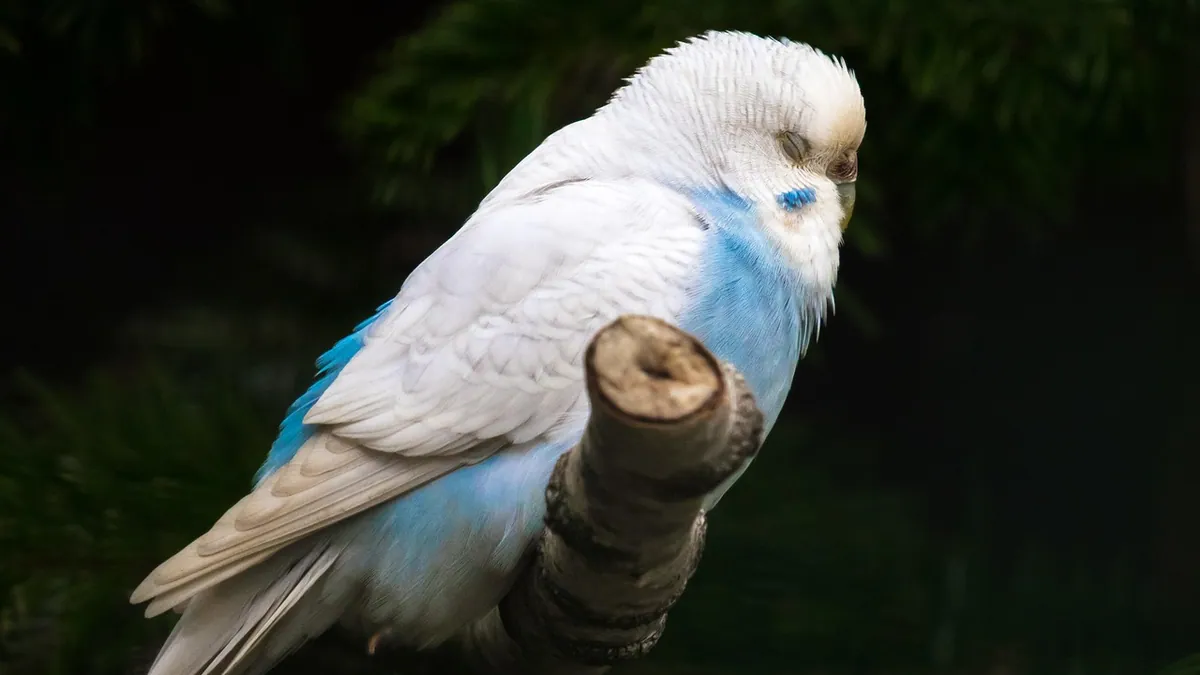
Can parakeets eat onions? No. Onions, garlic, chives, and leeks are toxic to parakeets, and there is no safe amount to feed. If your bird ate onion in any form, treat it as a possible poisoning and call a veterinarian or a pet poison hotline right away.
This article is educational and is not a substitute for veterinary diagnosis or treatment.
Quick Answer
- Onions and all other allium plants (garlic, chives, leeks) are toxic to birds. Garlic is 3 to 5 times more toxic than onion [1].
- Raw, cooked, dehydrated, powdered, and granulated onion are all a problem. Concentrated forms like onion powder and dry soup mix carry the most risk [1].
- Onion damages red blood cells and causes anemia that often shows up several days after the bird eats it [1].
- Call your veterinarian, the ASPCA Animal Poison Control Center at (888) 426-4435, or Pet Poison Helpline at (855) 764-7661 right away. Do not make your bird vomit unless a veterinarian tells you to.
- Remove the food source, keep your bird warm and quiet, and get veterinary care the same day.
Are Onions Toxic to Parakeets and Other Pet Birds?
Yes. Onions belong to the genus Allium, which also includes garlic, chives, and leeks [1]. All of these plants can cause toxicosis in animals, and garlic and onion are the two most commonly linked to poisoning [1]. Garlic is 3 to 5 times more toxic than onion, so a small amount of garlic is a bigger deal than the same amount of onion [1].
This applies across pet birds. If you are asking do parrots eat onions, do parakeets eat onions, or can budgies eat onions, the answer is the same for all of them. There is no established safe amount of onion for a parakeet, a budgie, a cockatiel, or a parrot. So if you are wondering can cockatiels eat onions, the answer is no as well. The same plant chemistry that harms dogs and cats is a risk for birds, and birds are small, so even a tiny bite is a meaningful exposure. If you want a broader list of what belongs in the bowl, see What Pet Birds Can and Cannot Eat: A Safe Diet Guide.
Which Parts and Products Are Dangerous?
Every part of the onion plant carries risk. That includes the bulb, the green tops, and the flowers. It also includes every form you might find in a kitchen:
- Raw onion, including a single slice or a bite of a wedge
- Cooked onion, including onion in soups, stews, casseroles, and takeout
- Dehydrated or dried onion flakes
- Onion powder and granulated onion
- Dry onion soup mix
- Onion-based broths, gravies, and seasoning blends
Concentrated forms are the biggest concern. In dogs and cats, toxicosis is most often tied to concentrated allium products such as dehydrated flakes, powders, or dry onion soup mixes [1]. A pinch of onion powder is not the same as a pinch of raw onion.
Can Parakeets Eat Green Onions?
No. Green onions (scallions) are allium plants, and their green tops are part of the plant, not a safe garnish. The same goes for chives and leeks [1]. Do not let your bird pick at a salad, a baked potato topping, or a stir-fry that contains any of these.
Why Onions Harm Birds: The Toxic Principle
The allium plant contains sulfur compounds that damage red blood cells. When those cells are injured, the body breaks them down faster than it can replace them, and the bird develops anemia. In animals, allium toxicosis is characterized by hemolytic anemia that develops after ingesting large amounts of plant material [1]. Hemolytic means the red blood cells are being destroyed.
The damage does not happen in the first few minutes. It builds over days. In dogs and cats, clinical signs of acute hemolytic anemia develop several days after ingestion, and they include weakness, pallor, icterus (yellowing of the skin, gums, or eyes), and collapse [1]. Birds can show the same kind of downward slide, and because a parakeet weighs so little, the margin between "a little off" and "in crisis" is thin.
One more point matters for birds specifically. Birds have a different digestive and metabolic setup than mammals, and their small body size means a small absolute amount of toxin can matter more. This is why veterinarians do not use a "safe bite" rule for onion in birds.
Signs of Onion Poisoning in Parakeets and When They Appear
Signs usually do not appear right after the meal. Expect a delay of a day or more, because the anemia takes time to develop. In dogs and cats, signs show up several days after ingestion [1]. Watch for:
- Weakness or a bird that seems too tired to perch normally
- Pale gums, beak, or skin where you can see color
- Yellow tint to the gums, skin, or around the eyes (icterus)
- Fluffed feathers, sitting low, or staying at the bottom of the cage
- Loss of appetite
- Regurgitation or vomiting
- Diarrhea, sometimes dark or bloody
- Fast or labored breathing
- Collapse or sudden inability to stand
Some of these overlap with other bird emergencies. Heavy metal poisoning, for example, can cause anorexia, weight loss, regurgitation, diarrhea, depression, weakness, and seizures in pet birds [2]. That is one reason a veterinarian needs to examine your bird instead of rely on a phone description alone.
A Note on Timeline
If your bird ate onion today and looks fine, that does not mean it is fine. The red blood cell destruction is still underway. The safest plan is to call for guidance now, not to wait for symptoms. If signs are already present, that is an emergency.
What to Do Right Now If Your Parakeet Ate Onion
Act quickly, and do not wait for symptoms.
- Remove the onion and any contaminated food from the cage immediately.
- Call your veterinarian, an emergency veterinary hospital that sees birds, the ASPCA Animal Poison Control Center at (888) 426-4435, or Pet Poison Helpline at (855) 764-7661.
- Tell them what your bird ate, how much, in what form (raw, cooked, powder), and when.
- Do not induce vomiting unless a veterinarian tells you to. Birds are not dogs, and forcing vomiting at home can cause aspiration and injury.
- Keep your bird warm, quiet, and calm. Reduce handling and stress.
- Do not offer home remedies, oil, milk, or charcoal unless a veterinarian directs it.
- Bring the food label or a photo of the product with you if you go in.
If you have dogs at home too, onion exposure is a household-wide risk. Our guides on Can Dogs Eat Onions? Hemolytic Anemia Emergency Guide and My Dog Ate Onions or Garlic: What Should I Do? cover the dog side of the same problem.
How Veterinarians Treat Onion Poisoning in Birds
Treatment depends on how much time has passed and how sick your bird is. In animals, treatment involves early gastrointestinal decontamination and management of acute hemolytic anemia [1]. In practice, that can mean:
- Decontamination. If the exposure was recent, the veterinarian may try to remove onion from the digestive tract. This is a decision made in the clinic, not at home.
- Supportive care. Warmth, fluids, and a low-stress hospital environment help a small bird cope with anemia.
- Oxygen therapy. Birds with severe anemia may not carry enough oxygen, and supplemental oxygen can be needed.
- Blood work. The veterinarian will check red blood cell counts and other values to see how severe the anemia is and whether it is worsening.
- Transfusion. In severe cases, a blood transfusion may be needed. This is not available at every clinic, so a referral may be necessary.
- Monitoring for days. Because signs develop several days after ingestion, a bird that looks stable on day one may still decline [1].
Your veterinarian will calculate any medication dose from your bird's weight and health status. Never use a dose meant for a dog, cat, or human.
What About Activated Charcoal or Other Home Steps?
Do not do these on your own. Decontamination is a clinical procedure with real risks in birds, and the timing and method depend on the case. Early decontamination is part of standard treatment [1], but "early" means under veterinary direction.
Outlook After Onion Ingestion
The outlook depends on how much onion was eaten, what form it was in, how quickly care started, and how sick the bird already is. Birds that get prompt veterinary care and only a small exposure often do well. Birds with severe anemia, collapse, or breathing difficulty have a much more guarded prognosis.
Two things drive the outcome more than anything else. First, speed. Call now, not tomorrow. Second, follow-through. Because anemia develops over several days [1], your bird may need repeat exams and blood work even if the first visit looks reassuring.
Prevention and Safer Alternatives
Prevention is simple. Keep all allium plants and products away from your bird, and treat the kitchen as a hazard zone.
- Never share table food that contains onion, garlic, chives, leeks, or onion powder.
- Read labels on soups, sauces, seasoned mixes, and prepared meals.
- Store onion powder and soup mix where a bird cannot reach them.
- Do not let your bird forage on a plate, cutting board, or countertop.
- Wash your hands and prep surfaces after handling onion, then handle your bird.
- Teach everyone in the home, including kids and guests, that birds do not get "just a taste."
Safe Things to Offer Instead
Offer fresh vegetables and fruits that are not allium plants. Good options include leafy greens, bell pepper, carrot, squash, broccoli, and small amounts of fruit. Pellets formulated for your species should make up the base of the diet, with fresh foods as a supplement. For a full breakdown, see What Pet Birds Can and Cannot Eat: A Safe Diet Guide.
One caution about supplements. More is not better. Vitamin A toxicosis has been recognized as a concern in granivorous birds such as cockatiels and in nectarivorous birds such as lorikeets, and a lorikeet flock developed multiple clinical problems when excessive vitamin A supplementation was used [3]. Stick with a balanced diet and veterinary guidance instead of piling on supplements.
Other Household Hazards Worth Knowing
Onion is not the only kitchen and home risk for a parakeet. Birds are sensitive to fumes. Ten psittacine birds died of fatal pneumonitis linked to the operation of a self-cleaning oven, and burned food and other materials can also release toxic compounds [4]. Heavy metals are another common problem. Lead toxicosis in pet birds often comes from items in the home such as blinds, costume jewelry, mirror backings, bird toys, hardware cloth, and curtain weights [2]. Zinc is frequently reported too, with sources that include galvanized toys, chains, mesh, bells, keys, and pennies made after 1982 [2]. A cockatoo death was traced to lead from a plastic feeder painted with leaded paint [5]. If your bird has vague signs and you cannot explain them, ask your veterinarian about testing for metal exposure.
Limitations and When to Contact a Veterinarian
This article gives general guidance. It cannot tell you how much onion your specific bird ate or how sick it will get. Individual cases need a veterinarian who can examine the bird, run blood work, and watch the trend over several days.
Contact a veterinarian the same day if:
- You know or suspect your bird ate onion, garlic, chives, leeks, or a product containing them
- Your bird ate onion powder, dry soup mix, or another concentrated form
- You are not sure how much was eaten
Go to an emergency clinic now if:
- Your bird is weak, fluffed, or sitting at the bottom of the cage
- Gums, beak, or skin look pale or yellow
- Breathing is fast, noisy, or labored
- Your bird collapsed, cannot perch, or cannot stand
- There is vomiting, regurgitation, or diarrhea
Schedule a routine visit if:
- The exposure was days ago and your bird seems normal, but you want a check and blood work
- Your bird has a chronic condition and you need diet advice
- You want help building a safe daily diet
Frequently Asked Questions
Can parakeets eat a tiny piece of onion?
No. There is no established safe amount of onion for a parakeet. Even a small piece is an exposure worth a phone call, because the red blood cell damage builds over days and a parakeet is very small.
Do parrots eat onions in the wild?
No, and that is not a reason to offer them at home. Allium plants are recognized as toxic to animals, and garlic and onion are the two most commonly linked to poisoning [1]. Wild diet habits do not make onion safe for a pet bird.
Can parakeets eat green onions or chives?
No. Green onions, chives, and leeks are all allium plants, and allium toxicosis is linked to garlic, onions, chives, and leeks [1]. The green tops are part of the plant, so they carry the same risk as the bulb.
Can cockatiels eat onions?
No. The same allium toxicity applies to cockatiels, budgies, parakeets, and parrots. Keep onion and every allium product out of the cage and off the plate.
How long after eating onion would a parakeet get sick?
Signs of hemolytic anemia typically develop several days after ingestion [1]. That delay is exactly why you should call for advice right away instead of waiting to see how your bird acts.
Related Articles
- What Pet Birds Can and Cannot Eat: A Safe Diet Guide
- Can Parrots Eat Onions? Toxicity Signs to Watch
- Can Parakeets Eat Mint? Fresh Herbs and Safety
- Can Parakeets Eat Mealworms? Protein for Birds
References
- Garlic and Onion (Allium spp) Toxicosis in Animals - Toxicology. Merck Veterinary Manual.
- Toxicoses of Pet Birds - Exotic and Laboratory Animals. Merck Veterinary Manual.
- Vitamin A toxicosis in a lorikeet flock. The veterinary clinics of North America. Exotic animal practice, 2006.
- Sudden death in ten psittacine birds associated with the operation of a self-cleaning oven. Veterinary and human toxicology, 1992.
- Insecticide poisoning of peafowls and lead poisoning in a cockatoo. Avian diseases, 1979.