Dog Limping From Lyme Disease or a Tick Bite
By Dr. Zubair Khalid, DVM, MS, PhD ·
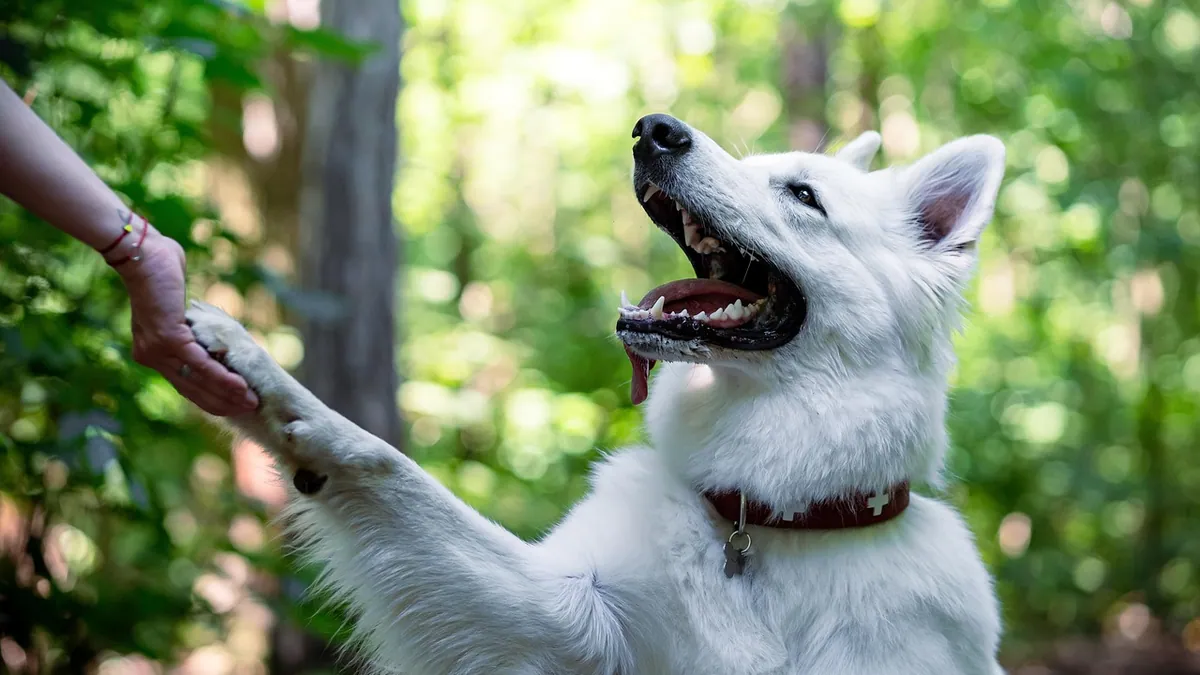
Dog limping from Lyme disease is one of the most common signs of tick-borne illness in dogs. The lameness often shifts from one leg to another over days, and many dogs improve with the right antibiotic. If your dog is limping after a tick bite, a veterinary visit can sort out whether Lyme disease is the cause.
This article is educational and is not a substitute for veterinary diagnosis or treatment.
Quick Answer
- Lyme disease in dogs is caused by the bacterium Borrelia burgdorferi, which is spread by black-legged ticks (also called deer ticks) [1][2].
- The classic sign is shifting leg lameness, meaning the limp moves from one leg to another over time [3].
- A tick usually needs to stay attached for 24 to 48 hours before it can pass the bacteria, so quick tick removal lowers the risk [1][2].
- Diagnosis combines a physical exam, a blood test for Lyme antibodies, and sometimes a urine test to check kidney health [1].
- Treatment is usually a course of doxycycline, with the exact dose and duration set by your veterinarian based on your dog's weight and health [3].
What Is Lyme Disease in Dogs?
Lyme disease is an infection caused by Borrelia burgdorferi, a spiral-shaped bacterium that lives inside certain ticks [1][2]. The tick that most often spreads it in the United States is the black-legged tick, also known as the deer tick. These ticks are tiny, ranging from the size of a poppy seed to a sesame seed, so they are easy to miss on a dog with a thick coat [1].
The tick has to be attached to your dog for at least 24 to 48 hours before the bacteria move into the dog's body [1]. That delay is why checking your dog after every walk matters. A tick you find and remove the same day is unlikely to have transmitted Lyme disease.
Once inside the body, the bacteria can settle in joints and trigger inflammation. That joint inflammation is what produces the lameness many owners notice first [3]. Some infected dogs never show signs at all, and others develop recurring episodes of limping that come and go.
What Does Dog Limping From Lyme Disease Look Like?
The hallmark sign is shifting leg lameness. One day your dog favors a front leg, and a few days later the limp appears in a back leg or disappears entirely [3]. This moving pattern is different from a typical injury, which usually stays in the same leg.
Other signs owners report include:
- Stiffness after rest that improves as the dog warms up
- Reluctance to climb stairs or jump onto furniture
- Swollen, warm, or painful joints
- Fever and reduced appetite
- General lethargy or a lower energy level than usual
Some dogs show only mild stiffness that you might dismiss as aging. If your dog's limp keeps changing legs, that pattern is a strong clue to mention to your veterinarian. For a broader look at limping patterns, see Why Is My Dog Limping? A Practical Vet Guide.
A less common but serious complication is Lyme nephritis, which causes kidney damage. Signs are much more severe and include vomiting, not eating, increased thirst and urination, weight loss, and extreme lethargy. Young to middle-aged Retrievers may be more likely to develop it [1]. If your dog has these signs, contact your veterinarian right away.
Causes and Risk Factors
Lyme disease is not spread directly from dog to dog or from dog to person. It requires a tick bite from an infected tick [2]. Ticks pick up the bacteria by feeding on rodents like mice and voles, then pass it along when they bite your dog [2].
Where you live matters. Lyme disease has been reported in all states, but it is most common in the Northeast (especially New England), the upper Midwest, and along the Pacific Coast [2]. In some areas, up to half of all ticks are infected [2]. Dogs are at higher risk than people because they spend more time in tall grass, woods, and brush where ticks live [2].
Timing matters too. The highest-risk seasons are spring and autumn, when ticks are most active [2]. That said, ticks can be active any time temperatures are above freezing, so year-round prevention makes sense in many regions.
How Veterinarians Diagnose the Cause
Diagnosis starts with a full physical exam. Your veterinarian will watch your dog walk, feel the joints, and check for swelling, pain, or a reduced range of motion. Because many conditions can cause limping, including orthopedic injuries and neurologic problems, the exam helps narrow the list [4].
Blood testing is the next step. A common in-clinic test checks for antibodies to Borrelia burgdorferi. A positive result means your dog has been exposed to the bacteria, but exposure alone does not always mean active disease. Many dogs test positive and never develop signs [3]. Your veterinarian interprets the result alongside your dog's signs and history.
If Lyme disease is diagnosed, your veterinarian may recommend a urine test to screen for kidney health [1]. This is because of the uncommon but serious Lyme nephritis complication. If there are already signs of kidney disease, blood work and additional testing will likely be recommended to determine whether Lyme nephritis is the cause [1].
| Test or Step | What It Checks | Why It Matters |
|---|---|---|
| Physical and gait exam | Joint pain, swelling, lameness pattern | Helps localize the problem and rule out injury [4] |
| Lyme antibody blood test | Exposure to Borrelia burgdorferi | Confirms exposure, interpreted with clinical signs [3] |
| Urine test | Kidney health | Screens for Lyme nephritis [1] |
| Blood work | Organ function, inflammation | Recommended if kidney signs are present [1] |
Treatment Options for Lyme Disease
The main treatment is an antibiotic, most often doxycycline. The traditional course has been 28 days, though that duration is based on historical practice instead of strong evidence [3]. Researchers have proposed studying shorter courses, such as 10 days, for dogs with uncomplicated Lyme arthropathy, but this is still an open question [3]. Your veterinarian will decide the right duration for your dog.
Your veterinarian calculates the dose from your dog's weight and overall health. Never give leftover antibiotics or adjust a dose on your own. Giving the wrong amount can fail to clear the infection or cause side effects.
Many dogs improve within a few days of starting treatment. Joint pain and lameness often ease before the full course is finished. Even so, finish the entire course your veterinarian prescribes. Stopping early can allow the infection to return.
If your dog has kidney involvement, treatment becomes more involved. Your veterinarian may recommend additional testing, supportive care, and monitoring. Lyme nephritis carries a much more serious outlook than typical Lyme arthritis [1].
Recovery, Outlook, and Long-Term Management
Most dogs with uncomplicated Lyme arthritis respond well to antibiotics and return to normal activity. Some dogs have recurring episodes of lameness weeks or months later, which may need another course of treatment [3].
A positive Lyme test can stay positive for a long time, even after treatment. That means a positive result on a routine screening does not always mean your dog needs antibiotics again. Your veterinarian will base treatment decisions on signs, not just test results.
If your dog has had Lyme disease, keep watching for:
- Limping that shifts between legs
- Stiffness that comes and goes
- Reduced appetite or energy
- Increased thirst or urination, which can signal kidney trouble [1]
For a closer look at the signs that can linger, see Lyme Disease Symptoms In Dogs.
Prevention: Why Tick Control Matters for Limping Dogs
Prevention is the most reliable way to protect your dog from Lyme disease. The two main tools are tick control and vaccination [1].
Tick control products kill or repel ticks before they can transmit bacteria. A study of two chewable tick products found they helped prevent Borrelia burgdorferi transmission from infected ticks in dogs [5]. Rapid onset of action matters because the faster a product kills an attached tick, the less chance the bacteria have to move into your dog [5].
Other steps that help:
- Check your dog for ticks after every outing, especially in spring and autumn [2]
- Remove any attached tick promptly, since transmission takes at least 24 to 48 hours [1]
- Keep your dog out of tall grass and brush in high-risk areas
- Ask your veterinarian about the Lyme vaccine, which is part of a prevention plan focused on tick control and vaccination [1]
- Use tick prevention year-round in regions where ticks stay active
Vaccine research continues. Newer vaccine approaches are being studied, including mRNA vaccines that target a protein on the surface of the bacteria [6]. These are not yet available for dogs, but they reflect ongoing efforts to improve prevention.
If you find a tick on your dog and want to know what to watch for, see Dog Tick Bite Symptoms: Comprehensive Veterinary Reference Guide.
Limitations and When to Contact a Veterinarian
This article covers general information. Your dog's individual case needs a veterinarian who can examine your dog, review test results, and set a treatment plan.
Contact your veterinarian the same day if your dog:
- Starts limping suddenly and cannot bear weight on a leg
- Has a swollen, hot, or very painful joint
- Has a fever along with the limp
- Has a known tick bite and then develops lameness
Go to an emergency clinic now if your dog:
- Collapses or cannot stand
- Has trouble breathing
- Vomits repeatedly or cannot keep water down
- Drinks and urinates far more than usual, which can signal kidney problems [1]
- Shows extreme lethargy or seems unresponsive
Schedule a routine visit if your dog:
- Has a limp that shifts between legs over several days
- Seems stiff after rest but loosens up with activity
- Has tested positive for Lyme in the past and now shows new signs
Frequently Asked Questions
Can a tick bite cause limping in a dog without Lyme disease?
Yes, other tick-borne infections and the bite itself can cause joint pain and lameness. Ticks can carry several pathogens, and a dog can be infected with more than one at a time. Your veterinarian may test for multiple tick-borne diseases if your dog has lameness and a tick exposure history.
How soon after a tick bite can a dog start limping?
Signs of Lyme arthritis often appear weeks after the bite, not days. The bacteria need time to spread and trigger joint inflammation. Because the tick must stay attached for at least 24 to 48 hours to transmit the bacteria, a tick you remove quickly is unlikely to cause infection [1].
Does a positive Lyme test mean my dog needs antibiotics?
No, a positive test alone does not always mean treatment is needed. Many dogs exposed to the bacteria never develop signs [3]. Your veterinarian treats based on your dog's symptoms, exam findings, and test results together.
Can my dog give Lyme disease to my other pets or to me?
No, Lyme disease is not spread directly between pets or from pets to people. It requires a tick bite from an infected tick [2]. That said, dogs can bring ticks into the home, so checking your dog protects everyone.
Will my dog's limping come back after treatment?
It can. Some dogs have recurring episodes of shifting leg lameness even after treatment [3]. If the limp returns, contact your veterinarian. A repeat course of antibiotics or further testing may be needed.
Related Articles
- Lyme Disease In Dogs
- Why Is My Dog Limping? A Practical Vet Guide
- Lyme Disease Symptoms In Dogs
- Dog Tick Bite Symptoms: Comprehensive Veterinary Reference Guide
- Dog Limping Front Leg Sometimes
- Dog Limping Front Leg On And Off
- Dog After Tick Bite: Bumps, Symptoms, and What to Do
- Dog Has a Tick: Removal, Risks, and Prevention
- Dog Limping With a Swollen Paw, Leg, or Joint
- Tick-Transmitted Diseases in Dogs: Anaplasmosis, Ehrlichiosis, and Lyme Disease
- Lyme Disease in Dogs: Borrelia burgdorferi Serological and Molecular Testing in Endemic Regions
References
- Lyme disease. Cornell University College of Veterinary Medicine.
- Lyme Disease (Lyme Borreliosis) in Dogs - Dog Owners. Merck Veterinary Manual.
- Is 28 days of doxycycline still justified for canine Lyme arthropathy? A call for a randomized controlled trial. Journal of the American Veterinary Medical Association, 2026.
- Diagnosing Thoracic Limb Lameness in Dogs. The Veterinary clinics of North America. Small animal practice, 2026.
- Efficacy of Credelio Quattro™ (lotilaner, moxidectin, praziquantel, and pyrantel chewable tablets) and Credelio™ (lotilaner) chewable tablets in the prevention of Borrelia burgdorferi transmission from infected Ixodes scapularis in dogs. Parasites & vectors, 2025.
- A Lyme disease mRNA vaccine targeting Borrelia burgdorferi OspA induces strong immune responses and prevents transmission in mice. Molecular therapy. Nucleic acids, 2025.