Can Kittens Eat Hard Food? When to Switch
By Dr. Zubair Khalid, DVM, MS, PhD ·
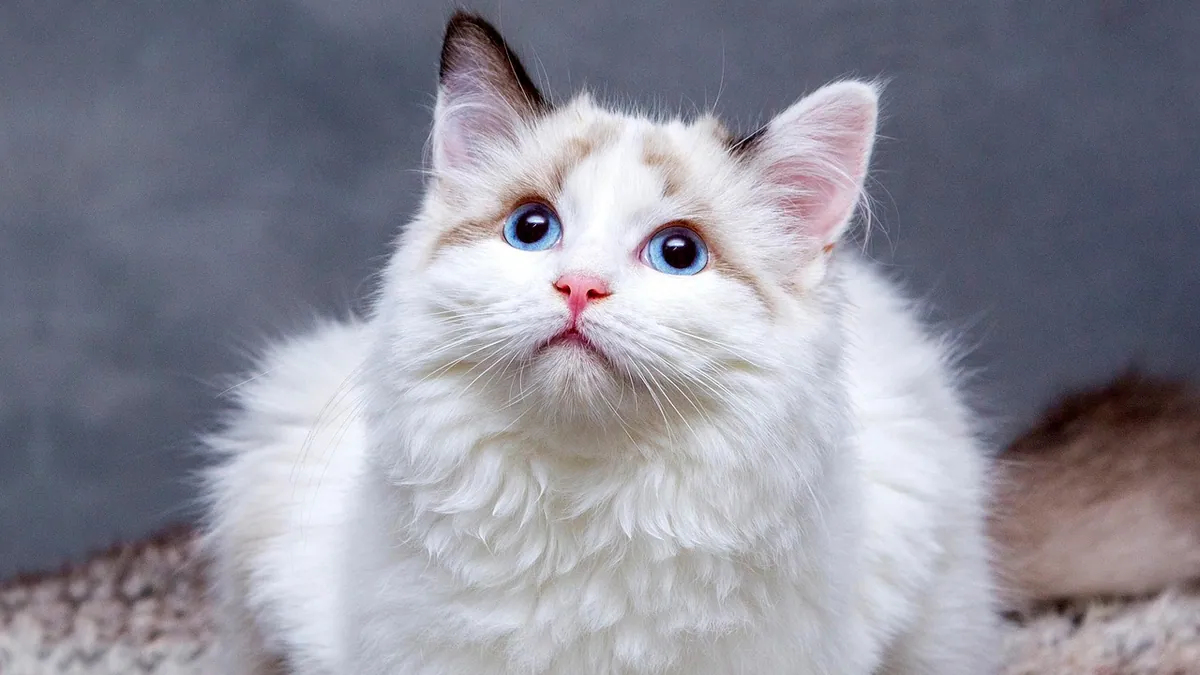
Can kittens eat hard food? Yes, once their teeth have come in, which usually happens around 4 to 6 weeks of age. At that point a kitten can chew dry kibble, but the food needs to be made for kittens and the switch should be gradual. This article is educational and is not a substitute for veterinary diagnosis or treatment.
Quick Answer
- Kittens can start trying hard food at about 4 to 6 weeks, when their baby teeth erupt and they begin to wean.
- Feed a diet labeled for kittens (growth or all life stages), not adult maintenance food.
- Soak kibble in warm water or mix it with wet kitten food for the first week or two to make chewing easier.
- Dry food is only about 6 to 10 percent water, so always offer fresh water alongside it [1].
- Watch for diarrhea, vomiting, or refusal to eat during any diet change, and slow down if you see them.
Can Kittens Eat Hard Cat Food?
Yes, kittens can eat hard cat food once they are physically able to chew and swallow it. That ability usually arrives with the baby teeth, around 4 to 6 weeks of age. Before that, kittens should be nursing or drinking a kitten milk replacer, because their mouths and digestive tracts are not ready for solid pieces.
The bigger question is not whether they can, but which hard food and how fast you introduce it. A kitten's gut is going through major changes during weaning. Research on weaned kittens shows significant shifts in immune response and gut bacteria in the days and weeks after weaning, which is one reason digestive upset is common at this stage [2]. A sudden switch from milk or wet food to a full bowl of dry kibble is a recipe for loose stools.
So the safe verdict is this: hard food is fine for kittens, starting around 4 to 6 weeks, as long as it is a kitten formula and you transition slowly.
Can Kittens Eat Normal Cat Food?
No, not ideally. "Normal" adult cat food is formulated for maintenance, meaning it is built to keep a grown cat's body running, not to support rapid growth. Kittens need more calories, more protein, more fat, and different mineral balances than adults. Feeding adult food to a growing kitten can leave nutritional gaps during the most demanding growth period of their life.
Look for a label that says the food is complete and balanced for growth, or for all life stages. Those are the formulas designed for kittens.
Can Kittens Eat Kitten Food?
Yes, and this is exactly what they should eat. Kitten food, whether wet or dry, is made to meet the higher energy and nutrient demands of a growing cat. If you are comparing options, our guide to Kitten Food walks through what to look for on the label.
One practical note: kitten food is calorie dense on purpose. That is good for growth, but it also means portion control matters once your kitten is older. Feeding instructions on commercial cat food labels are not always a perfect match for an individual cat's needs, and some labels can overestimate what a cat actually requires [3]. Your veterinarian can help you set the right amount for your kitten's age and body condition.
What Is in Hard Food and Does It Help?
Dry cat food is made by combining ingredients, extruding them into bite-sized pieces, and drying them. The pieces are often coated with flavor enhancers such as animal fat to make them more appealing [1]. The drying process is what gives dry food its long shelf life and its low moisture content of roughly 6 to 10 percent water [1].
The real benefits of hard food are practical. It is relatively inexpensive, it does not dry out quickly, and it allows free-choice feeding, which some owners find convenient [1]. For a busy household with a growing kitten, that convenience is real.
There is also a nutritional angle worth knowing. Kitten diets are sometimes supplemented with ingredients that support immune development during weaning. In one controlled study, kittens fed a standard dry kitten diet plus a supplement containing nucleotides, oligosaccharides, vitamin E, and beta-carotene showed a stronger antibody response to vaccination than kittens on the plain diet [4]. A separate study found that adding yeast-derived nucleotides to a dry food diet improved nutrient utilization and supported immune measures in weaned kittens [5]. These findings are about specific supplemented diets, not about dry food in general, so treat them as a sign that kitten nutrition is an active area of research, not a reason to chase a particular product.
Does Hard Food Clean Teeth?
This is one of the most common beliefs about kibble, and it is overstated. Chewing dry food does not replace tooth brushing or professional dental care. Some dental-specific diets are designed with a texture and size that helps reduce plaque, but a standard bowl of kibble is not a toothbrush. If dental health is your goal, ask your veterinarian about brushing and about whether a dental diet makes sense for your cat.
Risks of Feeding Hard Food to Kittens
Hard food is not dangerous for a healthy kitten of weaning age, but there are real risks to manage.
Choking and Swallowing Trouble
Very young kittens, under about 4 weeks, do not have the teeth or jaw strength for kibble. Offering it too early can lead to choking or to pieces being swallowed whole. Even at 4 to 6 weeks, some kittens do better with softened kibble for the first week or two.
Digestive Upset
Weaning is a vulnerable window. Loose stools and diarrhea are common in kittens after environmental and dietary changes, and diet transition is a known trigger [6]. A kitten has very little body water to spare, so diarrhea can dehydrate them faster than you would expect. Any diet change should happen over several days, not overnight.
Additives and Human Foods
Kibble itself is formulated for cats, but the danger comes from what people add to it or feed alongside it. Do not top kitten food with human seasonings, gravies, or table scraps. Garlic, onion, and salty broths can harm cats. Xylitol is a well-known dog poison that causes dangerous low blood sugar and liver failure in dogs, and while a controlled study in cats did not find the same effects, sugar-free products still do not belong in a cat's diet. If you want to know which human foods are safe, our article on Can Cats Eat Hot Dogs covers the same principles of reading ingredients before you share.
Cross-Species Food Mix-Ups
Two mix-ups come up often in multi-pet homes. Dogs eating cat food is a common one, and the high fat and protein content can upset a dog's stomach. The reverse also happens, and cats should not live on dog food because it lacks nutrients cats require, including taurine. If either happens in your house, see Can Dogs Eat Cat Food and Can Cats Eat Dog Food.
How to Switch a Kitten to Hard Food Safely
The transition should take about one to two weeks. Here is a practical schedule.
| Stage | What to Feed | Notes |
|---|---|---|
| Weeks 3 to 4 | Mother's milk or kitten milk replacer | No solid food yet |
| Weeks 4 to 5 | Wet kitten food or kibble soaked in warm water | Soft, mushy texture |
| Weeks 5 to 6 | Gradually reduce soaking, add dry kibble | Mix wet and dry |
| Weeks 6 to 8 | Mostly or fully dry kitten food | Fresh water always available |
| 8 weeks and older | Free-choice or scheduled dry kitten meals | Monitor body condition |
A few rules make this easier.
Warm water works better than cold for softening kibble, and it makes the food smell stronger, which appeals to kittens. Do not microwave the food, because hot spots can burn a kitten's mouth.
Offer small amounts several times a day instead of one big bowl. Kittens have small stomachs and eat frequently.
Keep the same formula during the switch. Changing brands and changing texture at the same time stacks two stressors on a young gut.
Store dry food properly. Dry food loses vitamin potency over time and its fats can go rancid, so keep it in an airtight container in a cool, dry place and check the expiration date before feeding [1]. Buying a giant bag to save money backfires if the food sits for months.
What to Do If Your Kitten Ate Too Much Hard Food
If your kitten got into the bag and ate a large amount, do not panic, but do watch closely. Overeating dry food can cause vomiting, bloating, and diarrhea, especially because dry food expands as it absorbs water. Remove the food, offer small sips of water, and let the stomach settle. If your kitten vomits repeatedly, seems painful in the belly, or stops eating, call your veterinarian.
If your kitten ate a dangerous non-food item, such as a sugar-free product containing xylitol or a seasoned human food, contact your veterinarian or a pet poison control service right away. Have the packaging and an estimate of how much was eaten ready.
Safer Alternatives
If your kitten is struggling with dry food, wet kitten food is a perfectly good option, and many kittens stay on it happily. Wet food provides more water, which supports hydration. You can also feed a mixed diet of wet and dry. Some owners use dry food for free-choice snacking and wet food for scheduled meals.
Limitations and When to Contact a Veterinarian
This article gives general guidance for healthy kittens. Every kitten is an individual, and a veterinarian who examines your kitten can account for its weight, growth curve, and any health conditions. Individual cases need a veterinarian.
Contact your veterinarian the same day if your kitten has diarrhea lasting more than a day, vomits more than once or twice, refuses food for more than 12 hours, or seems weak or sleepy.
Go to an emergency clinic now if your kitten is unresponsive, has trouble breathing, has a swollen or painful abdomen, collapses, or you suspect it ate a toxic substance such as a sugar-free product or a poisonous plant.
Schedule a routine visit if your kitten is eating hard food but not gaining weight, has a dull coat, or you are unsure whether the food you bought is appropriate. If your kitten stops eating but still acts playful, our guide on Cat Not Eating But Acting Normal explains how long you can reasonably wait.
Frequently Asked Questions
Can a 3-week-old kitten eat hard food?
No. At 3 weeks a kitten still needs mother's milk or a kitten milk replacer, and its teeth and digestive system are not ready for kibble. Start offering softened food around 4 weeks and dry kibble closer to 6 weeks.
Can kittens eat dry food and wet food together?
Yes, a mixed diet is fine and often works well. Many owners feed wet food at set meals and leave a small amount of dry food out between meals. Just make sure both foods are labeled for kittens.
How do I know if my kitten is ready for hard food?
Look for baby teeth and for your kitten showing interest in the food bowl or chewing on soft food. If your kitten spits out kibble or swallows it whole, go back to soaked food for another week.
Do kittens need water if they eat dry food?
Yes, always. Dry food contains only about 6 to 10 percent water, so it does not provide much hydration on its own [1]. Keep a shallow bowl of fresh water available at all times and refresh it daily.
Can hard food hurt a kitten's teeth?
Not in the way most people assume. Kibble does not clean teeth, and it does not damage healthy baby teeth either. Dental care still comes down to brushing and veterinary checkups, not the texture of the food bowl.
Related Articles
- Kitten Food
- Can Dogs Eat Cat Food
- Cat Not Eating But Acting Normal: How Long Can You Wait?
- Can Cats Eat Hot Dogs
- Can Cats Eat Dog Food
- Can You Feed Dogs Cat Food
- Can Kittens Eat Adult Cat Food? Risks and Better Options
- Can Kittens Eat Only Dry Food? Pros and Cons
- Can Kittens Eat Kibble? A Guide to Dry Food
References
- Feeding Your Cat. Cornell University College of Veterinary Medicine.
- Dynamic development of gut microbiota and metabolism during and after weaning of kittens. Animal microbiome, 2025.
- An investigation of feeding instructions on cat food labels in Belgium and comparison with European industry energy intake recommendations. The Veterinary record, 2026.
- A Dietary Supplement Containing Nucleotides, Oligosaccharides, Vitamin E and β-Carotene Promotes Immune Response and Gut Microbiota Changes in Kittens. Animals : an open access journal from MDPI, 2025.
- Effects of dietary nucleotide supplementation on growth performance, immune function, and intestinal microbiota in weaned kittens. Frontiers in veterinary science, 2026.
- A placebo-controlled study of the effects of Saccharomyces cerevisiae var. boulardii CNCM I-1079 probiotic on faecal quality, microbiota and immunity in weaned kittens. Animal microbiome, 2026.