Is Dog Kibble Bad for Dogs? What the Evidence Says
By Dr. Zubair Khalid, DVM, MS, PhD ·
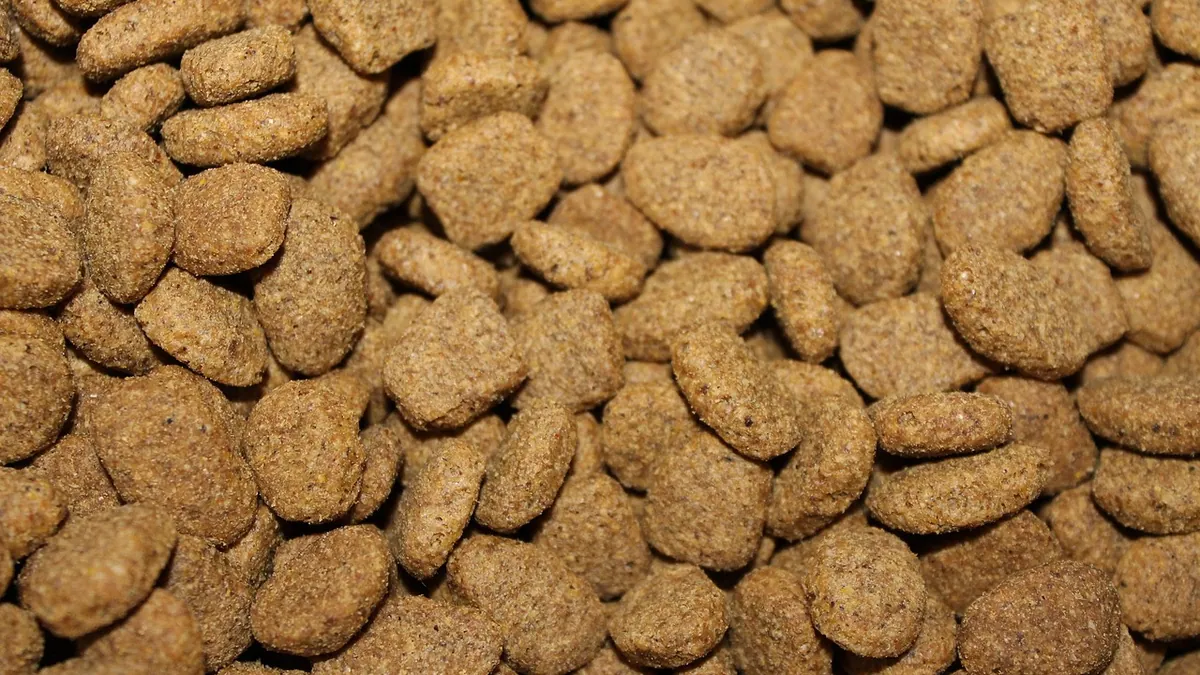
Is dog kibble bad for dogs? For the vast majority of healthy dogs, no. Extruded dry food is a safe, complete, and convenient way to meet a dog's nutritional needs, and the research comparing kibble to fresh, raw, and wet diets shows trade-offs on both sides, not a clear villain. This article is educational and is not a substitute for veterinary diagnosis or treatment.
Quick Answer
- Kibble is not inherently harmful. It is a cooked, shelf-stable format that can meet all of a dog's nutritional requirements when it carries a complete and balanced statement.
- Fresh and raw diets have shown some differences in blood markers and stool quality in small studies, but they also carry their own risks, including higher odds of certain health conditions in large survey data [1].
- Processing does reduce some nutrients. Fresh food had higher lysine and lower lysine blockage than kibble in one comparison of 41 commercial dog foods [2].
- The biggest kibble problems are usually practical, not the format itself: overfeeding, poor-quality or unbalanced products, and treats or toppers that add calories or toxins.
- Choose a complete and balanced kibble from a company with veterinary nutrition oversight, measure portions, and transition slowly. That covers most of what matters.
Is Dog Kibble Really That Bad? The Honest Verdict
No. Kibble is not bad for dogs in any general sense. It is one of several legitimate ways to feed a dog, and it has real advantages: it is complete, calorie-dense, shelf-stable, and affordable. Millions of dogs live long, healthy lives eating primarily dry food.
The claim that kibble is harmful usually rests on two ideas. The first is that cooking destroys nutrients. The second is that carbohydrates are unnatural for a carnivore. Both deserve a closer look, because the evidence is more mixed than the marketing suggests.
Cooking does change food. One analysis of 41 commercial dog foods found that fresh diets had significantly higher lysine content (56 g/kg dry matter) and lower lysine blockage (3.2%) than kibble (23 g/kg dry matter, 4.9% blockage) [2]. Lysine is an essential amino acid, and heat-driven reactions can reduce how much of it a dog can actually use. That is a real finding. It does not mean kibble is deficient, because manufacturers formulate to account for processing losses, but it does show that format affects nutrient availability.
The carbohydrate argument is weaker than it sounds. Dogs are not wolves. They have adapted to starch-rich diets over thousands of years of living with people, and they digest cooked starch well. A study of 46 Staffordshire Bull Terriers compared a kibble diet to a raw meat-based diet for a median of 4.5 months. The kibble group had significant increases in HbA1c, total cholesterol, and BHB, while the raw group did not [3]. Those are metabolic markers worth understanding, but a marker shift is not the same as disease, and the study was small and short.
So where does that leave you? Kibble is safe and adequate. Whether it is optimal for your individual dog is a different question, and one your veterinarian can help answer.
What Kibble Actually Provides Nutritionally
A complete and balanced kibble supplies protein, fat, carbohydrates, vitamins, minerals, and essential fatty acids in proportions that meet established canine nutrient profiles. That is the whole point of the format. When a label says the food is complete and balanced for a life stage, the manufacturer is asserting it meets those requirements.
Kibble also delivers things owners often overlook. It is consistent, so you can measure calories accurately. It stores safely for long periods. It is easy to portion for weight management, which matters because obesity is one of the most common nutrition-related problems veterinarians see.
There is also evidence that kibble can be improved with targeted additions. A study of 30 adult dogs and 30 adult cats found that adding antioxidant-enriched kibble to a base diet changed serum oxidative stress and inflammatory biomarkers over 28-day feeding periods [4]. That tells us the base format is not the ceiling. What you put in it, or on it, can shift measurable outcomes.
If you are comparing protein levels across products, our guide to the best high protein kibble for dogs walks through how to read those numbers without getting fooled by front-of-bag claims.
Risks and Downsides of Kibble
Processing Byproducts
Heat processing creates Maillard reaction products, including advanced glycation end products. In the 41-food comparison, CML and CEL were actually highest in wet foods (92 mg/kg and 128 mg/kg dry matter), not kibble, which suggests thermal input varies by format and recipe [2]. Acrylamide was detected in only two kibble samples, at 40 and 76 µg/kg [2]. These are measurable compounds, and lower exposure is reasonable to prefer, but the levels found do not establish harm at typical feeding amounts.
Palatability and Coatings
Many kibbles are coated with fat and flavor to improve acceptance. A study in Labrador retrievers tested chicken fat enriched with free fatty acids at 0%, 5%, 10%, 15%, and 20%, plus a liquid chicken-based natural flavor. Across oral and aromatic palatability trials, there were no significant differences in first approach, first bite, percent consumed, or intake ratio, and no significant differences in protein, carbohydrate, or dry matter digestibility [5]. In plain terms, fancy coating claims may not deliver much beyond what a standard coating already does.
Grain-Free Kibble Risks
Grain-free is a marketing category, not a nutritional requirement for most dogs. The concern that has drawn the most veterinary attention is dilated cardiomyopathy, a heart condition reported in dogs eating some grain-free and boutique diets. The exact mechanism is still under investigation, and diet is one of several factors. If your dog is on a grain-free diet and has a heart murmur, exercise intolerance, or a new cough, that is a reason to see your veterinarian, not to panic and switch foods overnight.
Choking and Eating Speed
Kibble size matters for some dogs. Small breeds and fast eaters can gulp kibble and choke or vomit. Slow-feeder bowls, scattering kibble on a mat, or choosing an appropriately sized kibble can help. This is a mechanical issue, not a nutritional one.
Additives, Toppers, and Toxins
The kibble itself is rarely the toxin. The danger usually comes from what people add to it. Xylitol, found in some sugar-free peanut butters and chewing gums, causes dangerous hypoglycemia and liver injury in dogs. Garlic and onion damage red blood cells. High salt table scraps can cause sodium poisoning. If you top kibble with human food, check it first. Our article on what vegetables are not safe for dogs to eat covers common kitchen mistakes.
Dry Food vs Wet Food for Dogs
Neither format wins outright. Wet food has higher water content, which can help dogs with urinary or kidney concerns, and it is often more aromatic, which helps picky eaters. It also tends to cost more per calorie and spoils faster once opened.
Kibble is more calorie-dense, cheaper per meal, and easier to leave out. The Maillard product data showed wet foods had the highest CML and CEL levels in that sample set, so wet is not automatically the cleaner choice [2].
Many owners feed both. A common approach is kibble as the base with a small amount of wet food mixed in for palatability. If you do this, count the wet food calories so you do not accidentally overfeed.
Fresh and Raw Diets: What the Comparisons Show
Fresh and raw diets are the main alternatives promoted as better than kibble. The evidence is early and mixed.
A year-long study of 22 healthy geriatric Alaskan sled dogs compared a fresh, human-grade food to a standard extruded kibble and tracked serum metabolomic profiles [6]. Metabolomics looks at small molecules in the blood, so it can detect metabolic shifts before disease appears. This kind of study is useful for generating questions, not for proving that one diet makes dogs live longer.
A 6-month study of 16 adult Labrador Retrievers compared a fresh-frozen diet to extruded kibble. Fecal consistency improved in the fresh-fed dogs, with changes detected shortly after the transition, and the fecal microbiome and metabolites differed between groups [7]. Better stool quality is a genuine quality-of-life benefit. It is not proof of superior long-term health.
Then there is the large survey data. In the Dog Aging Project, researchers analyzed 27,478 dogs and compared home-cooked, commercial raw, homemade raw, and extruded diets across 13 owner-reported health condition categories. After controlling for sex, age, and body size or breed, home-cooked diets were associated with higher odds of gastrointestinal (aOR 1.4), renal (aOR 1.3), and hepatic disease (aOR 1.6) compared to extruded diets [1]. Commercial raw diets also showed associations with some conditions [1].
That last finding is the one owners hear least often. Raw and home-cooked diets are not risk-free. They can be unbalanced, contaminated with pathogens, or both. If you feed raw, work with a veterinary nutritionist and follow safe handling practices.
How to Choose Dog Kibble Without the Fear
Read the Nutritional Adequacy Statement
Look for a statement that the food is complete and balanced for your dog's life stage, or that it meets the nutrient profiles for that life stage. This is the single most important line on the bag.
Check Who Formulates It
A company that employs board-certified veterinary nutritionists and runs its own feeding trials is generally a safer bet than a company that outsources formulation and relies on marketing.
Match the Diet to Your Dog
Puppies, pregnant or nursing dogs, seniors, and dogs with kidney, heart, or urinary conditions have different needs. A diet that is ideal for one dog can be wrong for another.
Transition Slowly
Sudden diet changes cause GI upset. Mix increasing amounts of the new food into the old over about a week, and slow down if stools loosen.
Watch the Whole Dog
Body condition, coat, energy, stool quality, and appetite tell you more than any label claim. Weigh your dog regularly and adjust portions as needed.
If you want to add variety safely, our article on can dogs eat duck? fat content and rendering safety explains how to evaluate a novel protein before you offer it.
What to Do If Your Dog Ate Something Dangerous
If your dog ate a food or product containing xylitol, garlic, onion, grapes, raisins, chocolate, or a large amount of salt, call your veterinarian or a pet poison control hotline right away. Do not wait for symptoms. With xylitol, signs can appear within 30 minutes, and early treatment matters.
Do not induce vomiting unless a veterinarian tells you to. Some substances cause more damage coming back up.
If your dog simply ate too much kibble, that is usually a mild problem. Watch for vomiting, diarrhea, and abdominal discomfort. A single large meal can cause bloat in deep-chested breeds, which is an emergency. Signs include a distended abdomen, unproductive retching, restlessness, and drooling. Go to an emergency clinic immediately if you see those.
Limitations and When to Contact a Veterinarian
Nutrition research in dogs has real limits. Many studies are small, short, and use specific breeds, so results do not always apply to your dog. Survey studies show associations, not cause and effect. Metabolomic and microbiome changes are interesting signals, not diagnoses.
Contact your veterinarian the same day if your dog has repeated vomiting, diarrhea lasting more than a day, refusal to eat, or a sudden change in behavior after a diet change.
Go to an emergency clinic now if you see a distended abdomen, unproductive retching, collapse, seizures, weakness, or bleeding. These can indicate bloat, toxin exposure, or another critical problem.
Schedule a routine visit if you want help choosing a diet, if your dog is gaining or losing weight unexpectedly, or if you are considering a raw or home-cooked diet. Individual cases need a veterinarian who can examine your dog, review the full history, and account for any health conditions.
Frequently Asked Questions
Is kibble bad for dogs long term?
No, kibble is not inherently bad long term for most healthy dogs. It is formulated to meet nutrient requirements, and many dogs thrive on it for their entire lives. Long-term problems are more often tied to overfeeding, poor-quality products, or underlying disease than to the format itself.
Is grain-free kibble safer than grain-containing kibble?
No, grain-free is not safer for most dogs. Grains are a digestible energy source for dogs, and grain-free is a marketing term instead of a medical need. The main veterinary concern with some grain-free and boutique diets is a reported link to dilated cardiomyopathy, which is still being studied.
Can I feed my dog kibble and wet food together?
Yes, mixing is fine as long as you count the calories from both. Wet food adds water and palatability, while kibble adds convenience and crunch. Adjust the total amount so your dog stays at a healthy weight.
How do I switch my dog from one kibble to another?
Switch gradually over about a week. Start with mostly old food and a small amount of new food, then increase the new food each day. If stools get loose, slow the transition down or pause at the current ratio for a few days.
Does cooking kibble destroy all the nutrients?
No, cooking reduces some nutrients, especially lysine, but manufacturers formulate to compensate for processing losses. The 41-food comparison found fresh diets had higher lysine and lower lysine blockage than kibble, which shows a difference in availability, not a deficiency in properly formulated kibble [2].
Related Articles
- Why Cat Food Is Bad For Dogs
- Best High Protein Kibble For Dogs
- Can Dogs Eat Duck? Fat Content and Rendering Safety
- What Vegetables Are Not Safe For Dogs To Eat
- Can Dogs Eat Salmon? Salmon Poisoning Disease Risks
- Healthy Diet For Dogs
- Dog Allergic to Kibble? Signs, Causes, and What to Do
- Dog Throwing Up Undigested Kibble: Why and What to Do
- Puppy Stopped Eating Kibble? Why and What to Do
References
- Association Between Diet Type and Owner-Reported Health Conditions in Dogs in the Dog Aging Project. Journal of veterinary internal medicine, 2025.
- A Comparative Analysis of Maillard-Derived α-Dicarbonyl Compounds and Advanced Glycation End Products in Fresh, Wet, Kibble, and Freeze-Dried Dog Foods. Journal of animal physiology and animal nutrition, 2026.
- The effect of a kibble diet versus a raw meat-based diet on energy metabolism biomarkers in dogs. Veterinary journal (London, England : 1997), 2025.
- Effects of an antioxidant-enriched kibble on serum oxidative stress and inflammatory biomarkers in healthy adult dogs and cats. Journal of animal science, 2026.
- Effects of coating kibble with chicken fat enriched with free fatty acids on digestibility and palatability in Labrador retrievers. Translational animal science, 2026.
- Serum Metabolomics of Senior Dogs Fed a Fresh, Human-Grade Food or an Extruded Kibble Diet. Metabolites, 2025.
- Impacts of a fresh-frozen dog food on fecal consistency and microbiome in colony dogs. Journal of animal science, 2026.