Freshpet Dog Food: A Veterinarian's Review of Refrigerated Food
By Dr. Zubair Khalid, DVM, MS, PhD ·
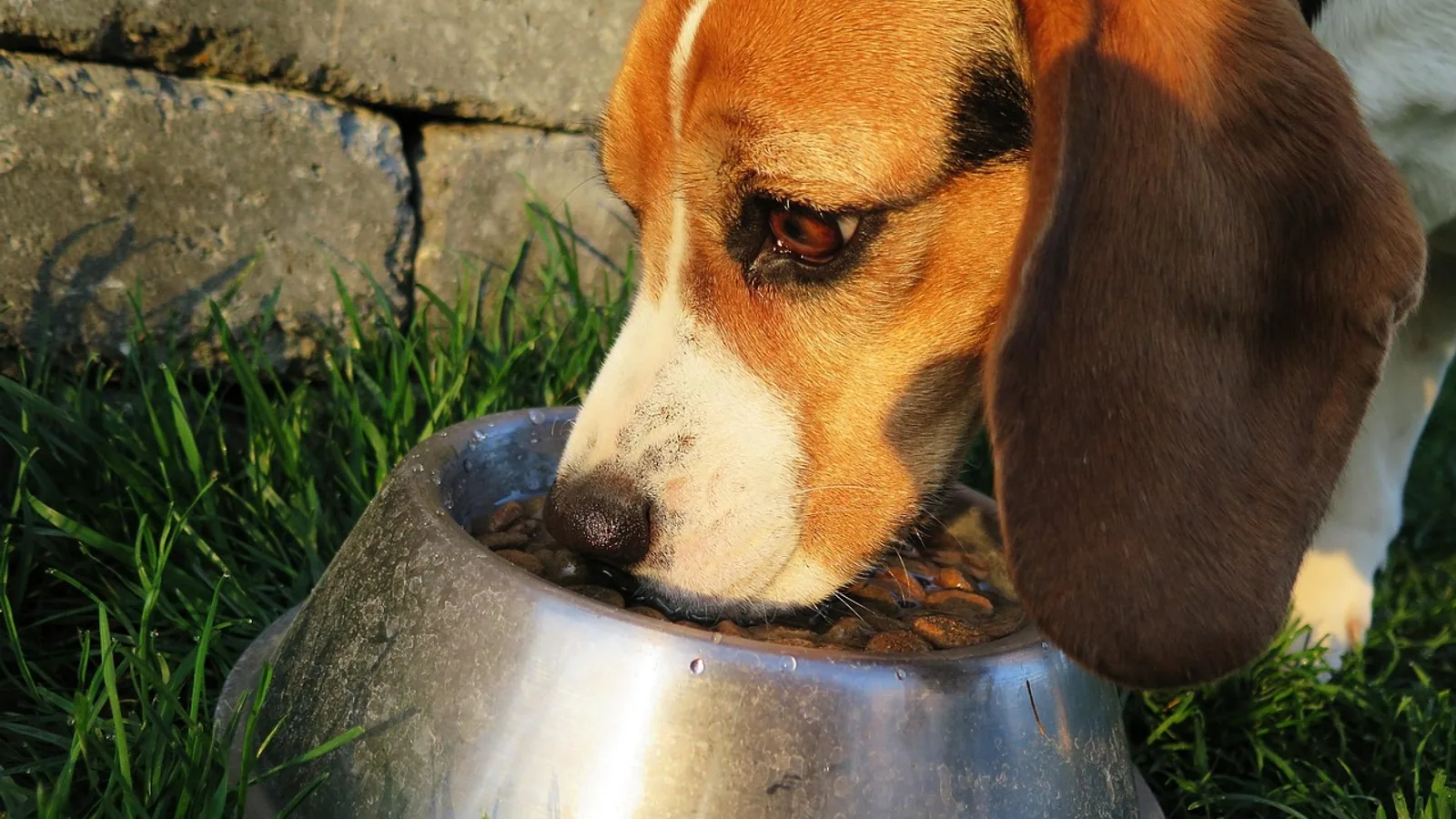
Freshpet dog food is a gently cooked, refrigerated dog food sold in sealed rolls, bags, and tubs that must stay cold from the store to your kitchen. It sits in a category veterinarians call mildly cooked or fresh cooked food, and it is one of the most visible brands in the refrigerated pet aisle. The short version: Freshpet is a reasonable option for many healthy adult dogs, and it can be especially useful for picky eaters and some senior dogs who need a more aromatic, softer food. It is a poor fit for households that cannot guarantee consistent refrigeration, for dogs on a tightly controlled prescription diet, and for owners who want the lowest possible cost per day.
This review looks at how Freshpet is made, how it compares with kibble and raw food in digestibility research, how to store and handle it safely, what the FDA recall record actually shows, and who tends to do well on it. The goal is not to crown a winner. The goal is to give you the tools to decide whether refrigerated dog food belongs in your feeding plan.
This article is educational and is not a substitute for veterinary diagnosis or treatment.
At a Glance
| Feature | What is documented |
|---|---|
| Manufacturer | Freshpet, a refrigerated pet food company with its own branded product lines [1] |
| Product formats | Refrigerated rolls, bags, and tubs, sold from refrigerated cases rather than shelf-stable aisles [1] |
| Processing style | Gently cooked or mildly cooked, then refrigerated, which places it in the fresh cooked category studied in digestibility research [2] |
| AAFCO statement type | Freshpet states its commitment to quality and safety on its own site, and complete and balanced claims are made on individual product labels [1] |
| Formulated by | Ask the company directly (a WSAVA question) |
| Where it is made | Ask the company directly (a WSAVA question) |
| Feeding trial vs formulation | Ask the company directly (a WSAVA question) |
| Storage requirement | Refrigeration required, with a short shelf life compared with dry kibble [1] |
| Recall history | At least one documented FDA-published voluntary recall of a single lot [3] |
The table reflects the information that is publicly available. A manufacturer's website is a marketing document, and it does not substitute for the nutrient profiles, feeding trials, and label review that a veterinarian uses to judge a diet. When a company does not publish who formulates its diets or whether it runs AAFCO feeding trials, that lack of transparency is itself information. It does not mean the food is bad. It means you have less to work with when you evaluate it.
How Veterinarians Judge Any Pet Food
Before looking at Freshpet specifically, it helps to understand the framework. The World Small Animal Veterinary Association publishes global nutrition guidelines that recommend owners ask manufacturers a standard set of questions. The short form is this: who formulates the diets, what are their credentials, are the diets tested with AAFCO feeding trials or formulated to meet AAFCO nutrient profiles, where are the ingredients sourced, where is the food made, and what quality control steps are in place.
AAFCO, the Association of American Feed Control Officials, maintains Dog and Cat Food Nutrient Profiles that define minimum and maximum nutrient levels for complete and balanced foods at specific life stages [4]. A food that meets these profiles by formulation is nutritionally adequate on paper. A food that passes an AAFCO feeding trial has been fed to dogs under controlled conditions and shown to support health. Both routes are accepted in the United States. Formulation is cheaper and faster. Feeding trials are more rigorous.
This distinction matters because many fresh and refrigerated foods are formulated rather than trial-tested. That is not automatically a flaw, but it does mean the burden of nutritional adequacy rests on the formulation and the manufacturer's quality control, not on a completed feeding study.
A second framework comes from research on home-prepared and commercial diets. A comparison of home-prepared and commercial diets for dogs found meaningful variation in nutritional adequacy across both categories, which is why veterinarians rarely assume that "fresh" or "homemade" equals "complete" [5]. The processing method does not guarantee the nutrient profile. The formulation does.
A third consideration is protein and amino acid quality. A study of commercial dry dog foods with different protein sources found that animal protein diets generally showed higher digestibility than plant protein diets, and that premium pricing did not reliably predict better digestibility [6]. Some economy animal protein diets performed comparably to premium products. This is a useful reminder that price and quality are correlated loosely at best.
What Freshpet Is and How It Is Made
Freshpet is a refrigerated dog food. It is sold from refrigerated cases, it carries a short shelf life, and it must remain cold at every step. The company describes its commitment to quality and safety on its own site [1]. That commitment is a starting point, not a substitute for independent evaluation.
The processing style places Freshpet in the mildly cooked or gently cooked category. In the pet food literature, mildly cooked foods are those heated enough to reduce pathogens but not enough to fully denature proteins or fully gelatinize starch the way extrusion does. A 2021 study of commercial fresh and extruded dry kibble dog foods described fresh cooked foods as a growing category among American dog owners and noted that nutrient digestibility and metabolizable energy estimates for these foods were not well understood [2]. That study is one of the more useful pieces of evidence for owners considering refrigerated dog food.
The study fed dogs either a chicken-based extruded kibble or one of several fresh foods including chicken, beef, pork, and turkey formulas. Despite comparable dry matter and calorie intake between the two chicken-based diets, the fresh diet produced lower defecation frequency, lower fecal dry matter, and lower fecal calories than the kibble diet. The apparent total tract digestibility of dry matter, protein, fat, nitrogen-free extract, and calories was significantly higher for all the fresh diets than for the kibble [2]. In plain terms, the dogs on fresh food digested more of what they ate and produced less waste.
That is a meaningful finding, and it is also a narrow one. It involved a small number of dogs over a short period. It does not prove that fresh food is healthier over a lifetime. It does show that the format changes digestion in measurable ways.
A separate study using rooster assays compared amino acid digestibility and metabolizable energy across frozen raw, freeze-dried raw, fresh (mildly cooked), and extruded dog foods [7]. Freeze-dried raw tended to have the highest amino acid digestibility and extruded the lowest, with the other formats falling in between. All diets performed reasonably well. The takeaway is that processing conditions, especially temperature and duration of heating, influence how much of the protein a dog can actually use.
A more recent study compared frozen raw, freeze-dried raw, mildly cooked, and retorted dog foods made from the same raw batch, which is an unusually clean design because it isolates processing from ingredient composition [8]. Dogs eating the retorted and freeze-dried diets had higher fecal output relative to dry matter intake than dogs eating the steamed and high-pressure processed diets. This kind of detail matters for owners of dogs with sensitive digestion, because fecal volume and consistency are often the first things people notice when they switch foods.
Freshpet is not named in any of these studies. The research describes the category, not the brand. That is an honest limitation, and it is worth stating plainly. What the research supports is that mildly cooked, refrigerated foods as a format tend to be highly digestible and tend to produce smaller, firmer stools than extruded kibble in the dogs studied.
Product Lines and What Each Is For
Freshpet sells refrigerated food in several formats. The company's own site describes its commitment to pet owners and its product range [1]. In general terms, refrigerated dog foods in this category come as rolls that you slice, bags of smaller pieces, and tubs or containers of loose food. Some are marketed as complete and balanced meals. Others are marketed as toppers or mixers.
That distinction is the single most important thing to check on any Freshpet package. A complete and balanced food can be fed as the sole diet. A topper or mixer is not nutritionally complete on its own and should not make up more than a small fraction of daily calories unless your veterinarian says otherwise. Feeding a topper as a full meal is one of the most common mistakes owners make with fresh and refrigerated foods, and it can lead to nutrient gaps over time.
Life stage matters too. AAFCO nutrient profiles define different minimums for growth (puppies), adult maintenance, and all life stages [4]. A food labeled for adult maintenance is not appropriate as the sole diet for a growing puppy. A food labeled for all life stages meets the higher growth requirements and is generally acceptable for adults as well. Check the AAFCO statement on the package, not the marketing copy on the front.
For dogs with diagnosed medical conditions, none of the general Freshpet lines should be treated as therapeutic. Prescription diets exist for kidney disease, urinary conditions, food allergies, gastrointestinal disease, and many other conditions, and they are formulated to specific nutrient targets that a general fresh food does not meet. If your dog has a diagnosis, the diet decision belongs with your veterinarian.
Ingredients in Context
Freshpet formulas typically lead with named meats, which is consistent with the broader fresh food category. The ingredient list is not the best way to judge a food, but it is not irrelevant either.
One useful piece of context comes from a study of commercial dog foods used as elimination diets for diagnosing canine food allergy [9]. That study compared hypoallergenic and regular maintenance dry foods and found that hypoallergenic products had lower protein, lower gross energy, and lower phosphorus, along with a better fatty acid profile including higher omega-3, omega-6, DHA, and CLA. The fatty acid differences appeared to be driven by the inclusion of fish proteins rather than fish oil. The relevance for Freshpet buyers is that fatty acid profile varies meaningfully across commercial foods, and it is influenced by ingredient choices in ways that are not always obvious from the front of the bag.
A different study looked at commercial raw pet food in Germany and found that fat and protein content exceeded tolerated deviation from declared values in a substantial proportion of products, and that every raw product had at least one nutritional concern [10]. That study is about raw food, not refrigerated cooked food, so it should not be applied directly to Freshpet. It is included here because it illustrates a general principle: the gap between what a label declares and what a laboratory measures can be real, and it is one reason veterinarians value manufacturers who invest in testing.
For owners managing food allergies or intolerances, the number of protein sources in a diet matters. The elimination diet study found that fewer than half of the hypoallergenic foods it examined contained a single protein source, which suggests that label claims about simplicity do not always hold up [9]. If your dog is on a limited ingredient trial, read the full ingredient panel and confirm with the manufacturer that the protein sources are what the front of the package implies.
Digestibility Research on Fresh and Refrigerated Foods
This is where the evidence is strongest, so it deserves its own section.
The 2021 fresh versus kibble study found that fresh diets were more digestible across dry matter, protein, fat, nitrogen-free extract, and calories, and that dogs on fresh food defecated less often and produced less fecal dry matter and fewer fecal calories [2]. For owners tired of large, soft stools, that finding is directly relevant.
The 2023 rooster assay study found that freeze-dried raw had the highest amino acid digestibility and extruded had the lowest, with fresh mildly cooked food in between [7]. The differences were real but not dramatic, and all formats performed reasonably. This supports the idea that mildly cooked food is a solid middle ground: more digestible than extruded kibble, less raw than frozen raw.
The 2026 study comparing formats from a single raw batch found that retorted and freeze-dried diets produced higher fecal output relative to intake than steamed and high-pressure processed diets [8]. That study adds nuance to the "fresh is always better" narrative. Processing method matters, and different methods affect fecal output differently.
A study of mildly cooked human-grade vegan dog foods found all macronutrient digestibility values above 80 percent, and the vegan diets had higher digestibility than the chicken-based extruded control for some measures [11]. A companion rooster assay study on the same category found similar patterns for amino acid digestibility and metabolizable energy [12]. These studies are about vegan food, not Freshpet, but they reinforce a broader point: mildly cooked foods as a format tend to be highly digestible regardless of protein source, provided the formulation is complete.
What the research does not show is that fresh food extends lifespan, prevents disease, or outperforms kibble on any long-term health outcome. Those claims are not supported by the studies available. Owners who choose fresh food should do so for reasons the evidence actually supports: digestibility, stool quality, palatability, and ingredient transparency.
Refrigerated Dog Food Storage and Handling Safety
Refrigerated dog food has a narrower margin for error than kibble. This is the single biggest practical difference between Freshpet and a bag of dry food, and it is where most problems happen.
The core rules are straightforward. Keep the food refrigerated at all times except during serving. Follow the manufacturer's storage instructions on the package, including any guidance about how long an opened package can be kept. Do not leave the food at room temperature for extended periods. Do not refreeze food that has thawed unless the package explicitly says it is safe to do so. Wash your hands, bowls, and any utensils after handling, because raw and lightly cooked animal products can carry bacteria.
The raw pet food study is instructive here even though it examined raw products. It found considerable contamination by aerobic colony count and Enterobacteriaceae in commercial raw pet foods, with mean counts in the range of hundreds of millions of colony-forming units per gram for aerobic bacteria [10]. Raw food is a different risk category than gently cooked food, and Freshpet is cooked, which reduces but does not eliminate microbial risk. The study is a reminder that animal-based pet foods, including refrigerated ones, deserve careful handling.
A study of dry dog food found total aerobic microbial counts ranging from low levels up to above 3.0 × 10^7 cfu/g, with staphylococci detected in 14 percent of products, though no coagulase-positive Staphylococcus, Enterobacteriaceae, Salmonella, Listeria, or Clostridium were found [13]. Dry food is not sterile either. The difference is that dry food is shelf-stable, so the microbial load does not grow during storage the way it can in a refrigerated product that warms up.
Practical steps that reduce risk:
- Buy the food from a store that keeps its refrigerated case at the correct temperature, and take it home promptly.
- Refrigerate immediately on arrival.
- Use a clean utensil to portion food, and avoid double-dipping a utensil that has touched a bowl.
- Discard food that has been out at room temperature for an extended period, or that smells or looks off.
- Keep the food away from raw meat you are preparing for your own meals, and clean surfaces afterward.
- If anyone in the household is immunocompromised, pregnant, very young, or elderly, be especially careful about hand hygiene after handling any animal-derived pet food.
If your dog develops vomiting, diarrhea, lethargy, or loss of appetite after a food change or after eating food that may have been mishandled, contact your veterinarian. Do not wait to see if it resolves on its own if the dog is very young, very old, or has other health conditions.
Recall History: What the FDA Record Shows
Freshpet has at least one documented voluntary recall published by the FDA. The recall covered one lot of Freshpet Select Small Dog Bite Size Beef and Egg Recipe dog food [3]. The FDA maintains a public recalls and withdrawals database where owners can check current and past actions [14].
A single-lot recall is a specific event, not a pattern. It does not by itself tell you whether a brand is safe or unsafe. What it tells you is that the company participates in the recall system, which is what you want. A manufacturer that never recalls anything is not necessarily safer than one that does. It may simply be less transparent.
For owners, the practical takeaway is to check the FDA recall database periodically, especially if you buy in bulk or store food for a while. If a recall is issued for a lot you have at home, stop feeding it and follow the instructions in the recall notice. Most recalls include guidance on returning the product or disposing of it.
It is also worth knowing that recalls can be triggered by a range of issues, including potential contamination, labeling errors, and manufacturing problems. The specific reason matters less to an individual owner than the lot number and the action requested. Check your package against the recall notice.
Price Positioning and Cost Per Day
Freshpet and refrigerated dog foods generally cost more per day than dry kibble. The gap is driven by the format itself: refrigerated food is heavier, contains more water, requires a cold supply chain, and has a shorter shelf life, all of which add cost.
The honest way to compare is cost per day, not cost per bag or per pound. A refrigerated food that costs more per pound may deliver more usable calories per pound because it is more digestible, but the water content also means you feed more grams per meal than you would with kibble. The net effect is usually a higher daily cost.
The digestibility research supports part of the value argument. Fresh diets in the 2021 study produced lower fecal calories, meaning less of the food was wasted [2]. That partially offsets the higher purchase price. It does not fully close the gap.
The 2021 dry food study found that premium pricing did not reliably correlate with better digestibility, and that some economy animal protein diets performed comparably to premium products [6]. That finding applies to dry food, but the principle generalizes: price is a weak proxy for quality. If budget is a constraint, a well-formulated kibble from a manufacturer that answers the WSAVA questions may serve your dog well at a fraction of the daily cost.
If you want to feed fresh food but the cost is prohibitive as a full diet, a reasonable middle path is to use a complete and balanced fresh food as a topper over a complete and balanced kibble, keeping the fresh portion small enough that the overall diet remains balanced. Discuss the proportions with your veterinarian, especially for puppies and dogs with medical conditions.
Who Benefits From Freshpet and Who May Not
Fresh food is not universally better. It is better for some dogs in some situations.
Dogs who often benefit:
- Picky eaters. Fresh food is more aromatic and has a softer texture than kibble. Dogs who consistently leave kibble in the bowl often eat fresh food more readily.
- Senior dogs with dental disease or missing teeth. Soft food is easier to chew. Senior dogs also often have reduced appetite, and a more palatable food can help maintain intake.
- Dogs with mild digestive sensitivity. The digestibility research suggests fresh food produces smaller, firmer stools and less fecal waste in the dogs studied [2]. Dogs prone to loose stool on kibble sometimes improve on a fresh diet.
- Owners who value ingredient transparency and are willing to manage refrigeration carefully.
Dogs who may not benefit, or who need a different approach:
- Dogs on a prescription diet for a diagnosed condition. A general fresh food does not meet the nutrient targets of a therapeutic diet.
- Puppies, unless the specific product is labeled for growth or all life stages [4].
- Dogs in households where consistent refrigeration cannot be guaranteed, such as during frequent travel or power outages.
- Dogs with confirmed food allergies, unless the specific formula has been verified as safe for that dog. Allergy management requires careful protein selection, and the elimination diet research shows that label claims about single protein sources are not always accurate [9].
- Owners on tight budgets who would have to reduce other aspects of care to afford the food.
There is also a category of dogs where the evidence is genuinely unclear: dogs with chronic kidney disease, heart disease, or other conditions where phosphorus, sodium, and protein levels need to be controlled. Fresh foods vary widely in these nutrients, and the raw food study found that mineral content often did not match label claims [10]. For these dogs, a prescription diet with verified nutrient levels is usually the safer choice.
How Freshpet Compares With Other Formats
It helps to see refrigerated food in the context of the full range of options.
Extruded dry kibble is the most common format. It is shelf-stable, inexpensive, and heavily researched. The digestibility studies consistently show it is somewhat less digestible than fresh food, but it is nutritionally adequate when formulated correctly [2][7].
Frozen raw food is another option. It carries the highest microbial risk and the most variability in nutrient content based on the studies available [10]. It is also the format with the highest amino acid digestibility in at least one rooster assay [7].
Freeze-dried raw food sits between raw and cooked. It had high amino acid digestibility in the rooster assay [7] and produced higher fecal output in the format comparison study [8].
Mildly cooked fresh food, which is the category Freshpet belongs to, tends to be highly digestible and produces smaller stools than kibble [2]. It requires refrigeration and has a short shelf life.
Vegan and plant-based foods are a separate category. Studies show that complete and balanced vegan diets can support health in adult dogs over twelve months [15], and that mildly cooked vegan foods are highly digestible [11][12]. However, a study of commercial vegan foods found nutritional inadequacies in several products, including low calcium, low potassium, low sodium, and amino acid shortfalls [16]. A separate study of vegetarian diets found that six of twenty-four diets did not meet all amino acid minimums compared with AAFCO profiles [17]. Plant-based feeding is possible but requires careful product selection.
The point of this comparison is not to declare a winner. It is to show that every format has trade-offs, and the right choice depends on your dog, your household, and your budget.
How to Switch Foods Safely
A sudden switch to any new food can cause gastrointestinal upset. A gradual transition over seven to ten days is standard practice. Start with a small proportion of the new food mixed with the old, and increase the new food's share each day while decreasing the old.
A typical schedule:
- Days 1 to 2: 25 percent new food, 75 percent old food
- Days 3 to 4: 50 percent new food, 50 percent old food
- Days 5 to 6: 75 percent new food, 25 percent old food
- Days 7 to 10: 100 percent new food
Dogs with sensitive stomachs may need a slower transition. If diarrhea, vomiting, or significant appetite loss occurs, slow down or stop and contact your veterinarian.
One practical note about refrigerated food: you cannot mix it with kibble and leave the bowl out, because the fresh portion will warm up. Offer the meal and pick up what is not eaten within a reasonable time, then refrigerate the rest if it has not been contaminated by the dog's mouth.
Limitations and When to Contact a Veterinarian
This review is based on published research about food formats, FDA recall records, and manufacturer statements. It cannot tell you whether Freshpet is right for your individual dog. That decision depends on your dog's age, weight, health conditions, medications, activity level, and your household's ability to store the food safely.
Contact your veterinarian promptly if any of the following occur:
- Vomiting or diarrhea that lasts more than 24 hours, or that is severe or bloody
- Loss of appetite lasting more than a day or two
- Lethargy, weakness, or collapse
- Abdominal pain, bloating, or a distended abdomen
- Signs of an allergic reaction such as facial swelling, hives, or difficulty breathing
- Any suspected exposure to a recalled product
- Weight loss or weight gain that seems unrelated to diet changes
- New itching, hair loss, or skin lesions after a food change
For puppies, senior dogs, pregnant or nursing dogs, and dogs with chronic health conditions, the threshold for calling your veterinarian should be lower. These dogs have less reserve and can deteriorate faster.
If your dog has a diagnosed medical condition, do not change the diet without discussing it with your veterinarian first. Therapeutic diets are prescribed for specific reasons, and switching away from one can worsen the condition being managed.
Frequently Asked Questions
Is Freshpet good for dogs?
Freshpet is a reasonable option for many healthy adult dogs, and the mildly cooked format it belongs to has been shown to be highly digestible with favorable stool quality in published research [2]. Whether it is good for your specific dog depends on the dog's life stage, health conditions, and whether your household can store refrigerated food safely. It is not a therapeutic diet and should not replace a prescription food for a diagnosed condition.
Is Freshpet a complete and balanced dog food?
Some Freshpet products are labeled as complete and balanced meals, while others are marketed as toppers or mixers. Check the AAFCO statement on the specific package you buy. A complete and balanced food can be fed as the sole diet. A topper cannot, unless your veterinarian advises otherwise [4].
Does Freshpet need to be refrigerated?
Yes. Freshpet is a refrigerated dog food and must stay cold from purchase through storage. Follow the storage instructions on the package, keep the food refrigerated except during serving, and discard food that has been left out at room temperature for an extended period [1].
Has Freshpet ever been recalled?
Yes. The FDA published a voluntary recall of one lot of Freshpet Select Small Dog Bite Size Beef and Egg Recipe dog food [3]. Owners can check the FDA recalls and withdrawals database for current and past actions [14].
Is fresh dog food more digestible than kibble?
Published research suggests yes for the formats studied. A 2021 study found that fresh diets had significantly higher apparent total tract digestibility for dry matter, protein, fat, and calories than extruded kibble, and that dogs on fresh food produced less fecal waste [2]. A rooster assay study found mildly cooked food had higher amino acid digestibility than extruded food [7].
Can I feed Freshpet to a puppy?
Only if the specific product is labeled for growth or all life stages. AAFCO nutrient profiles set higher minimums for growing puppies than for adult maintenance, so an adult-labeled food is not appropriate as a sole diet for a puppy [4]. Check the AAFCO statement on the package.
Is Freshpet safe for dogs with food allergies?
It depends on the specific formula and the specific allergy. Managing food allergies requires careful protein selection, and research on elimination diets found that label claims about single protein sources are not always accurate [9]. If your dog has a confirmed food allergy, work with your veterinarian to select a diet that meets the dog's specific needs.
How do I switch my dog to Freshpet?
Transition gradually over seven to ten days, mixing increasing proportions of the new food with the old. A typical schedule starts at 25 percent new food and increases every two days. Dogs with sensitive stomachs may need a slower transition. Contact your veterinarian if vomiting, diarrhea, or significant appetite loss occurs.
Related Articles
- Ollie Dog Food Review: Fresh Food Benefits for Your Dog
- Just Food For Dogs: Is This Fresh Pet Food Worth the Hype?
- Good Human Food For Dogs With Sensitive Stomachs
- Fresh Cooked Food for Dogs: Home-Cooked Nutrient Completeness Guide
- Chewy Dog Food: Is It a Healthy Choice for Your Pup?
- Vegetables Good For Dogs
- Royal Canin Dog Food: A Veterinarian's Review
- Purina ONE Dog Food: A Veterinarian's Review
- Open Farm Dog Food: A Veterinarian's Review
Sources
- Freshpet's Commitment to You and Your Pet (freshpet.com)
- Apparent total tract nutrient digestibility and metabolizable energy estimation in commercial fresh and extruded dry kibble dog foods.
- Freshpet Voluntarily Recalls One Lot of ... (fda.gov)
- The Association of American Feed Control Officials Dog and Cat Food Nutrient Profiles: substantiation of nutritional adequacy of complete and balanced pet foods in the United States.
- A comparison of the nutritional adequacy of home-prepared and commercial diets for dogs.
- Determination of nutrients digestibility in commercial dry dog food containing various protein sources
- Standardized amino acid digestibility and nitrogen-corrected true metabolizable energy of frozen raw, freeze-dried raw, fresh, and extruded dog foods using precision-fed cecectomized and conventional rooster assays.
- Apparent total tract nutrient digestibility of frozen raw, freeze-dried raw, mildly cooked, and retorted dog foods and their effects on fecal characteristics, metabolites, and microbiota of healthy adult dogs.
- Study of the chemical and nutritional characteristics of commercial dog foods used as elimination diet for the diagnosis of canine food allergy
- From Nutritional Adequacy to Hygiene Quality: A Detailed Assessment of Commercial Raw Pet-Food for Dogs and Cats.
- Apparent total tract macronutrient digestibility of mildly cooked human-grade vegan dog foods and their effects on the blood metabolites and fecal characteristics, microbiota, and metabolites of adult dogs.
- Amino acid digestibility and nitrogen-corrected true metabolizable energy of mildly cooked human-grade vegan dog foods using the precision-fed cecectomized and conventional rooster assays.
- Evaluation of nutritional value and microbiological safety in commercial dog food.
- Recalls & Withdrawals (fda.gov)
- Domestic dogs maintain clinical, nutritional, and hematological health outcomes when fed a commercial plant-based diet for a year
- Nutritional inadequacies in commercial vegan foods for dogs and cats
- Assessment of protein and amino acid concentrations and labeling adequacy of commercial vegetarian diets formulated for dogs and cats.