Purina ONE Dog Food: A Veterinarian's Review
By Dr. Zubair Khalid, DVM, MS, PhD ·
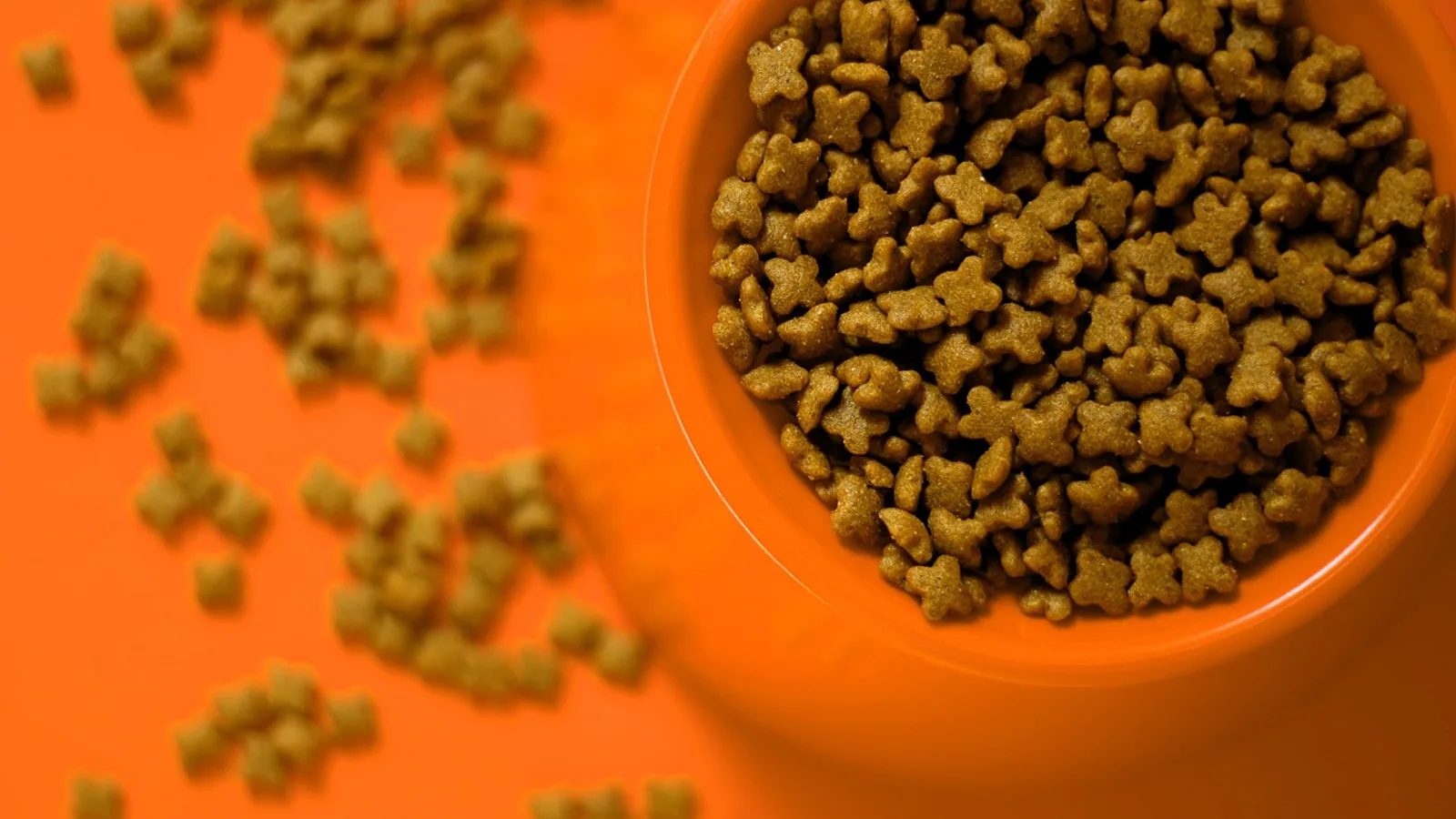
Purina ONE is a mid-priced grocery and big-box store dog food made by one of the largest pet food manufacturers in the world. It sits between Purina Dog Chow at the value end and Purina Pro Plan at the premium end. For most healthy adult dogs, Purina ONE is a reasonable choice when the owner wants a complete and balanced commercial diet at a moderate price and does not need a therapeutic formula. Owners who need a prescription diet, a diet for a dog with confirmed food allergy, or a diet supported by a specific feeding trial for a medical condition should look at a different product line.
This review covers what Purina ONE is, how it compares with Pro Plan and Dog Chow, what the company's research base actually shows, and what happened during the 2023 to 2024 social media wave of illness reports. It also explains how to judge any pet food, so the decision does not rest on marketing alone.
This article is educational and is not a substitute for veterinary diagnosis or treatment.
At a Glance
| Feature | Detail |
|---|---|
| Manufacturer | Nestlé Purina PetCare (Purina) [1][2] |
| Product family | Purina ONE dog and cat foods, sold through grocery, mass retail, and online channels [2] |
| Nutritional adequacy | Purina states its complete diets carry an AAFCO nutritional adequacy statement for the relevant life stage [2] |
| Formulation route | Purina states its complete and balanced diets are supported by AAFCO feeding protocols and nutrient profiles [2] |
| Who formulates | Purina's own nutrition and veterinary teams, including board-certified veterinary nutritionists [2] |
| Where it is made | Purina manufacturing facilities in the United States and other countries, per company product information [2] |
| Recall information | Purina directs owners to FDA recall notices and its own recall page [3][1] |
| Positioning | Mid-tier, between Dog Chow and Pro Plan [2] |
How Veterinarians Judge Any Pet Food
Before comparing brands, it helps to know what a veterinarian actually looks at. The label is a legal document. The claims on the front are marketing. The fine print on the back carries the information that matters.
The AAFCO nutritional adequacy statement
The Association of American Feed Control Officials (AAFCO) sets model regulations that most US states adopt. A complete and balanced claim must be backed by one of two routes. The first is a formulation check against the AAFCO Dog Food Nutrient Profiles. The second is a feeding trial conducted under AAFCO protocols.
Both routes have limits. Formulation alone confirms the recipe meets a nutrient target on paper. It does not prove the finished food, after extrusion and storage, delivers those nutrients to the dog. Feeding trials test the finished product in live animals but are usually short and use a small number of dogs.
Studies of commercial diets show why this matters. A Korean evaluation of 96 dog and cat foods found that most adult maintenance diets met recommended nutrient levels, but puppy foods were frequently short on EPA and DHA, calcium, and phosphorus, and had imbalanced calcium-to-phosphorus ratios [4]. A UK analysis of 31 dry dog foods found that only 55 percent met all amino acid guidelines, 16 percent met all mineral guidelines, 24 percent met all B-vitamin guidelines, and every food tested met vitamin D guidelines [5]. An earlier Canadian study of 82 commercial dog foods found vitamin D3 below AAFCO and National Research Council recommendations in one sample and below the detection limit in another [6].
These findings are not a knock on any single brand. They show that "complete and balanced" is a claim worth checking, and that a manufacturer with in-house nutrition expertise and quality control is a safer bet than an unknown label.
The WSAVA questions
The World Small Animal Veterinary Association publishes a set of questions owners can ask any manufacturer. The list covers who formulates the diets, whether a board-certified veterinary nutritionist is on staff, where the food is made, what quality control is in place, whether the company owns its plants, and what nutritional adequacy statement applies. Purina answers these questions in its public product FAQs, which state that its complete diets are formulated by veterinary nutritionists and supported by AAFCO feeding protocols and nutrient profiles [2].
Life stage matters
A puppy, an adult, a pregnant or lactating bitch, and a senior dog have different nutrient needs. A study of dog breeders found that a substantial number fed commercial diets not intended for the correct life stage during gestation and lactation, and a smaller number did the same during puppy growth [7]. Choosing the right life stage statement on the bag is one of the simplest steps an owner can take.
Feeding trials versus formulation
A feeding trial is the stronger claim when it is done properly. A study using working dogs fed two complete diets for eight weeks showed that a structured feeding trial can detect differences in body weight, coat condition, and blood parameters between diets [8]. That is the point of the AAFCO feeding trial route. It tests the food in dogs, not just on paper.
What Purina ONE Is
Purina ONE is a line of dry and wet dog foods, plus a matching cat food range, sold mainly through grocery stores, mass retailers, and online. The brand positions itself around visible health benefits, with formulas named for specific concerns such as skin and coat, digestive health, healthy weight, and joint health. Purina states that its complete diets carry an AAFCO nutritional adequacy statement for the intended life stage and that the formulas are developed by its veterinary nutrition team [2].
The line is not a prescription or therapeutic range. It is a maintenance range. That distinction matters. A dog with a diagnosed medical condition such as kidney disease, heart disease, urinary stones, or a confirmed adverse food reaction usually needs a diet formulated for that condition, often sold only through a veterinarian.
Purina ONE dog food varieties
The dog range generally includes formulas for puppies, adult maintenance, and senior dogs, plus targeted formulas for weight management, sensitive skin and stomach, and joint support. Each formula carries its own AAFCO statement, so owners should read the specific bag rather than assume the whole line is identical.
Purina ONE cat food
Purina ONE also makes cat food. The same principles apply. Cats have stricter requirements for certain nutrients, particularly taurine and arachidonic acid, which are found naturally in animal tissue. A Canadian analysis of plant-based pet foods found that no feline diets met AAFCO or FEDIAF recommendations for maintenance or growth, with sulfur amino acids, taurine, arachidonic acid, EPA and DHA, calcium, phosphorus, and vitamin D most often insufficient [9]. Purina ONE cat foods are animal-based and carry AAFCO statements for the relevant life stage [2]. Owners feeding a cat should confirm the statement on the can or bag.
Purina ONE Versus Pro Plan Versus Dog Chow
These three lines come from the same company but serve different markets.
Purina ONE
Purina ONE is the mid-tier line. It is widely available in grocery and mass retail channels. It uses recognizable ingredient names and markets specific functional benefits. It is a complete and balanced maintenance diet for healthy dogs [2].
Purina Pro Plan
Pro Plan is the premium line. It includes performance formulas for working and sporting dogs, breed-specific formulas, and a large range of veterinary and therapeutic diets sold through veterinarians. Pro Plan is the line most often used by breeders, trainers, and veterinary clinics for dogs with specific needs.
Purina Dog Chow
Dog Chow is the value line. It is the most widely distributed and lowest-priced of the three. It is a complete and balanced maintenance diet for healthy dogs.
What the difference means in practice
For a healthy adult dog with no medical issues, all three lines can meet the basic nutritional need. The differences are in ingredient sourcing, formula complexity, the range of life stage and condition-specific options, and the level of clinical support behind the product. A dog with a sensitive stomach, a working dog with high energy demands, or a dog with a diagnosed condition is more likely to be served by Pro Plan or a therapeutic diet. A healthy pet dog on a budget is a reasonable fit for Purina ONE or Dog Chow.
No evidence establishes that one line is nutritionally superior to another for a specific dog. The right choice depends on the individual dog, the owner's budget, and whether a veterinarian has identified a medical need.
Purina's Research Base
Purina has funded and published research on canine nutrition for decades. The most cited work is the lifetime study in Labrador Retrievers, which examined the effects of controlled feeding on lifespan and health.
The lifetime lean-feeding study
The Purina lifetime study followed Labrador Retrievers over their entire lives. One group was fed to maintain a lean body condition and the other was fed more freely. A metabonomic analysis of urine samples from that study found that metabolic profiles were influenced mainly by age, with diet-related variation also detectable. Energy-associated metabolites were depleted in the diet-restricted dogs, and both aging and diet restriction altered gut microbial activity [10]. The study is one of the strongest pieces of evidence that body condition, not just diet composition, affects long-term health in dogs.
The practical takeaway is not that any specific brand extends life. It is that keeping a dog lean matters. Owners can apply that to any complete diet, including Purina ONE, by measuring portions and monitoring body condition.
Caloric restriction and nutrient adequacy
There is a counterpoint worth knowing. A study of five commercial dog diets found that when calories were restricted to promote weight loss, all five diets fell below National Research Council recommended allowances for at least one essential nutrient at moderate restriction, and multiple nutrients fell short at more aggressive restriction. Choline and selenium were most often affected [11]. This means that a weight-loss plan using a standard maintenance diet can create nutrient gaps if calories are cut too far. A veterinarian should guide any significant calorie reduction, and a purpose-formulated weight management diet is often the better choice.
What the research does not show
Purina's research supports the general principles of complete nutrition, lean body condition, and life stage feeding. It does not establish that Purina ONE is superior to other complete diets for any specific outcome. Owners should treat brand-level research as background context, not as a guarantee for an individual dog.
Ingredients in Context
Ingredient lists are the most misunderstood part of a pet food label. They are listed by weight before processing, which means a fresh meat ingredient high in water can appear first even though it contributes less protein after cooking than a dry ingredient listed lower.
Protein sources
Purina ONE formulas typically lead with a named animal protein such as chicken, beef, lamb, or salmon. Protein quality varies between sources. A study using growing rats to assess protein quality in eight commercial dry dog foods found significant variation in weight gain, feed efficiency, protein efficiency ratio, and net protein utilization between products. Tryptophan was the first limiting amino acid in nearly all samples and methionine was second [12]. That study is old and used rats, but the principle holds. Not all protein is equal, and amino acid balance matters as much as total protein percentage.
Grains and grain-free claims
Purina ONE includes grains in most formulas. A review of grain-free diets found that grain-free formulations tend to be higher in protein and fat, and that the presence or absence of grains does not reduce allergy risk. The review also noted a potential association between grain-free diets and dilated cardiomyopathy in dogs [13]. For most dogs, grains are a digestible energy source and not a problem. Dogs with a confirmed grain allergy are uncommon, and a true diagnosis requires a veterinary elimination diet trial.
Fiber, fat, and additives
Fat content drives palatability and energy density. A study of commercial raw diets found fat content often exceeded declared values and was negatively correlated with protein [14]. That finding applies to raw diets, not to Purina ONE, but it illustrates why fat levels deserve attention in any diet, especially for dogs prone to weight gain or pancreatitis.
Mineral supplementation is another area where more is not always better. A study of dry dog foods found that trace elements were supplied above adult dog requirements for all elements except selenium, and that legal limits for copper, selenium, and zinc were exceeded in some products [15]. A well-controlled manufacturer manages this. An owner adding supplements on top of a complete diet can easily overshoot.
Nutritional Adequacy and Labeling
Purina states that its complete diets meet AAFCO nutrient profiles or pass AAFCO feeding protocols for the stated life stage [2]. That is the standard claim for a mainstream commercial diet.
Independent testing of commercial diets shows that labeling and nutrient content do not always match. A study of vegetarian diets for dogs and cats found that most were not compliant with AAFCO labeling regulations and that several did not meet amino acid minimums [16]. A study of vegan pet foods found that none of the dog foods met the minimum calcium-to-phosphorus ratio recommended by FEDIAF or AAFCO, and that copper exceeded legal limits in all foods tested [17]. A study of preprepared raw dog foods labeled as complete found that none met all macro- and microelement requirements, and selenium was below the minimum in every food [18].
These studies are about raw, vegan, and vegetarian diets, not about Purina ONE. They are included because they show what can go wrong when a diet is not backed by a manufacturer with nutrition expertise and quality control. A mainstream extruded diet from a large manufacturer is a different risk profile.
Owners who want to verify a specific Purina ONE formula should look at the AAFCO statement on the bag and, if they have questions, contact the company directly. Purina maintains a product FAQ page for this purpose [2].
Recalls and Safety History
Purina directs owners to the FDA recall database and to its own recall information page [3][1]. The FDA maintains a public list of all pet food recalls and withdrawals, and owners can check it at any time [3].
The 2023 to 2024 social media illness reports
In late 2023 and early 2024, social media posts and online petitions claimed that Purina pet foods, including some Purina ONE products, were making dogs and cats sick. The claims spread quickly and caused significant concern among owners.
The FDA reviewed the reports. The agency published a summary of Purina pet food adverse event reports covering November 22, 2023 through April 15, 2024, along with the actions it took [19]. That document is the authoritative record of what the agency found and did.
Owners who want the details should read the FDA summary directly rather than rely on social media summaries. The FDA's recall and withdrawal page remains the best single source for any current or past pet food safety action [3].
What this means for owners
A cluster of social media reports is not the same as a confirmed product defect. The FDA reviews adverse event reports, looks for patterns, and takes action when the evidence supports it. Owners who suspect a problem with any pet food should report it to the FDA and to the manufacturer, and should contact their veterinarian if the dog is unwell.
How Purina ONE Fits Different Dogs
Healthy adult dogs
A healthy adult dog with no medical conditions is the core audience for Purina ONE. The diet is complete and balanced for maintenance, widely available, and moderately priced [2].
Puppies
Purina ONE makes puppy formulas. Owners should confirm the AAFCO statement says the food is appropriate for growth or all life stages. Puppy diets are the category where independent testing has found the most nutrient gaps, including EPA and DHA, calcium, and phosphorus [4]. Choosing a reputable manufacturer and the correct life stage statement reduces that risk.
Senior dogs
Senior formulas address changing needs, but age alone does not determine diet. A senior dog with kidney disease, heart disease, or arthritis may need a therapeutic diet. A healthy senior dog can stay on a maintenance diet.
Dogs with food allergies or sensitivities
A true food allergy requires a veterinary diagnosis, usually through an elimination diet trial using a hydrolyzed or novel protein diet. Purina ONE is not a hydrolyzed diet. Owners who suspect a food allergy should see a veterinarian rather than switch brands at random.
Dogs needing weight loss
Purina ONE makes weight management formulas. Any weight loss plan should be guided by a veterinarian, because calorie restriction can create nutrient gaps in a standard maintenance diet [11].
How to Switch Foods Safely
A sudden change in diet can cause gastrointestinal upset. A gradual transition over about seven to ten days is standard practice. Start with a small proportion of the new food mixed with the old, and increase the new food while decreasing the old.
Watch for vomiting, diarrhea, reduced appetite, or lethargy during the transition. If these occur, slow the transition or contact a veterinarian. A dog with a history of gastrointestinal disease may need a slower transition or a different approach guided by a veterinarian.
Alternatives to Purina ONE
Owners who want a different option have several categories to consider.
Other mainstream complete diets
Purina Pro Plan and Purina Dog Chow are the closest alternatives within the same company. Pro Plan offers more condition-specific and performance formulas. Dog Chow is lower cost.
Veterinary therapeutic diets
Dogs with diagnosed medical conditions need diets formulated for those conditions. These are typically sold through veterinarians and are supported by clinical research for the specific condition.
Raw, vegan, and vegetarian diets
Owners sometimes consider these alternatives. Independent testing has found significant nutritional gaps in these categories. A study of vegan pet foods found calcium-to-phosphorus imbalances and mineral excesses [17]. A study of vegetarian diets found amino acid shortfalls and widespread labeling non-compliance [16]. A study of raw diets found high fat content, nutrient variability, and heavy bacterial contamination [14]. A study of preprepared raw foods labeled as complete found none met all mineral requirements [18]. Owners who choose these diets should work with a board-certified veterinary nutritionist.
Home-prepared diets
A comparison of home-prepared and commercial diets found nutritional inadequacies in home-prepared recipes [20]. Home cooking for a dog requires a recipe formulated by a veterinary nutritionist to avoid deficiencies.
Limitations and When to Contact a Veterinarian
This review covers general information about Purina ONE and how to judge commercial pet food. It cannot tell you whether Purina ONE is right for your individual dog. That decision depends on your dog's age, weight, body condition, medical history, and any diagnosed conditions.
Contact a veterinarian promptly if your dog has vomiting that lasts more than 24 hours, diarrhea that lasts more than 48 hours, blood in the stool, refusal to eat for more than 24 hours, lethargy, weight loss, or any sudden change in behavior. Contact a veterinarian before starting any weight loss plan, before switching to a raw, vegan, vegetarian, or home-prepared diet, and if you suspect a food allergy.
If you believe a pet food has made your dog sick, report it to the FDA and to the manufacturer. Your veterinarian can document the signs and help determine whether the diet is the cause.
Frequently Asked Questions
Is Purina ONE good for dogs?
Purina ONE is a complete and balanced commercial diet for healthy dogs when the correct life stage formula is used. Purina states its complete diets carry AAFCO nutritional adequacy statements and are developed by veterinary nutritionists [2]. It is not a therapeutic diet and is not appropriate for dogs with diagnosed medical conditions that require a prescription formula.
What is the difference between Purina ONE and Pro Plan?
Purina ONE is the mid-tier line sold mainly through grocery and mass retail channels. Pro Plan is the premium line, with more performance, breed-specific, and veterinary therapeutic formulas. Both are made by Purina and both carry AAFCO statements for their intended life stages [2]. The right choice depends on the individual dog's needs and the owner's budget.
Is Purina ONE the same as Dog Chow?
No. Purina ONE and Dog Chow are separate product lines from the same company. Dog Chow is the value line. Purina ONE is positioned above it in price and formula complexity. Both are complete and balanced maintenance diets for healthy dogs.
Did the FDA find a problem with Purina ONE in 2023 or 2024?
The FDA reviewed adverse event reports about Purina pet foods covering November 22, 2023 through April 15, 2024, and published a summary of those reports and its actions [19]. Owners should read that FDA summary directly for the agency's findings. The FDA recall and withdrawal page is the authoritative source for any pet food safety action [3].
Can I feed Purina ONE to a puppy?
Purina ONE makes puppy formulas. Confirm the AAFCO statement on the bag says the food is appropriate for growth or all life stages. Puppy diets are the category where independent testing has found the most nutrient gaps, so choosing a reputable manufacturer and the correct life stage statement matters [4].
Is Purina ONE grain-free?
Most Purina ONE formulas contain grains. A review of grain-free diets found that grain-free formulations tend to be higher in protein and fat, that the presence or absence of grains does not reduce allergy risk, and that there is a potential association between grain-free diets and dilated cardiomyopathy in dogs [13]. For most dogs, grains are not a problem.
Does Purina ONE make cat food?
Yes. Purina ONE makes both dog and cat foods. Cats have stricter requirements for taurine and arachidonic acid, which are found naturally in animal tissue. Purina ONE cat foods are animal-based and carry AAFCO statements for the relevant life stage [2]. Owners should confirm the statement on the specific product.
How do I switch my dog to Purina ONE?
Transition gradually over about seven to ten days, mixing increasing amounts of the new food with the old. Watch for vomiting, diarrhea, reduced appetite, or lethargy. If signs occur, slow the transition or contact a veterinarian. Dogs with a history of gastrointestinal disease may need a slower transition.
Related Articles
- Purina Pro Plan Dog Food: Benefits, Ingredients, and Top Formulas
- What Is A Good Cat Food For Kidney Disease
- What Food Is Good For Cats With Kidney Problems
- Good Human Food For Dogs With Sensitive Stomachs
- Top Dog Food Brands Compared: Which One Is Best for Your Pup?
- Vegetables Good For Dogs
- Royal Canin Dog Food: A Veterinarian's Review
- Open Farm Dog Food: A Veterinarian's Review
- Hill's Science Diet Dog Food: A Veterinarian's Review
Sources
- Where Do I Find Out About Dog Food Recalls? (purina.com)
- Purina Product FAQs: Dog & Cat Food Questions Answered (purina.com)
- Recalls & Withdrawals (fda.gov)
- Nutritional Evaluation of Commercial Dog and Cat Foods Based on Key Nutrient Requirements.
- Nutritional analysis of commercially available, complete plant- and meat-based dry dog foods in the UK.
- Quantification of vitamin D(3) in commercial dog foods and comparison with Association of American Feed Control Officials recommendations and manufacturer-reported concentrations.
- Feeding practices of dog breeders in the United States and Canada.
- Dog feeding test for assessing the nutritional adequacy of practical diets.
- A Comparison of Key Essential Nutrients in Commercial Plant-Based Pet Foods Sold in Canada to American and European Canine and Feline Dietary Recommendations.
- Metabonomic investigations of aging and caloric restriction in a life-long dog study.
- Theoretical evaluation of risk for nutritional deficiency with caloric restriction in dogs.
- Assessment of nutritional adequacy of the protein in dog foods by trials on growing rats.
- Grain-Free Diets for Dogs and Cats: An Updated Review Focusing on Nutritional Effects and Health Considerations.
- From Nutritional Adequacy to Hygiene Quality: A Detailed Assessment of Commercial Raw Pet-Food for Dogs and Cats.
- Mineral Composition of Dry Dog Foods: Impact on Nutrition and Potential Toxicity.
- Assessment of protein and amino acid concentrations and labeling adequacy of commercial vegetarian diets formulated for dogs and cats.
- Nutritional inadequacies in commercial vegan foods for dogs and cats.
- Assessment of mineral adequacy in preprepared raw dog foods labeled as complete.
- Summary of Purina Pet Food Adverse Event Reports ... (fda.gov)
- A comparison of the nutritional adequacy of home-prepared and commercial diets for dogs.