Open Farm Dog Food: A Veterinarian's Review
By Dr. Zubair Khalid, DVM, MS, PhD ·
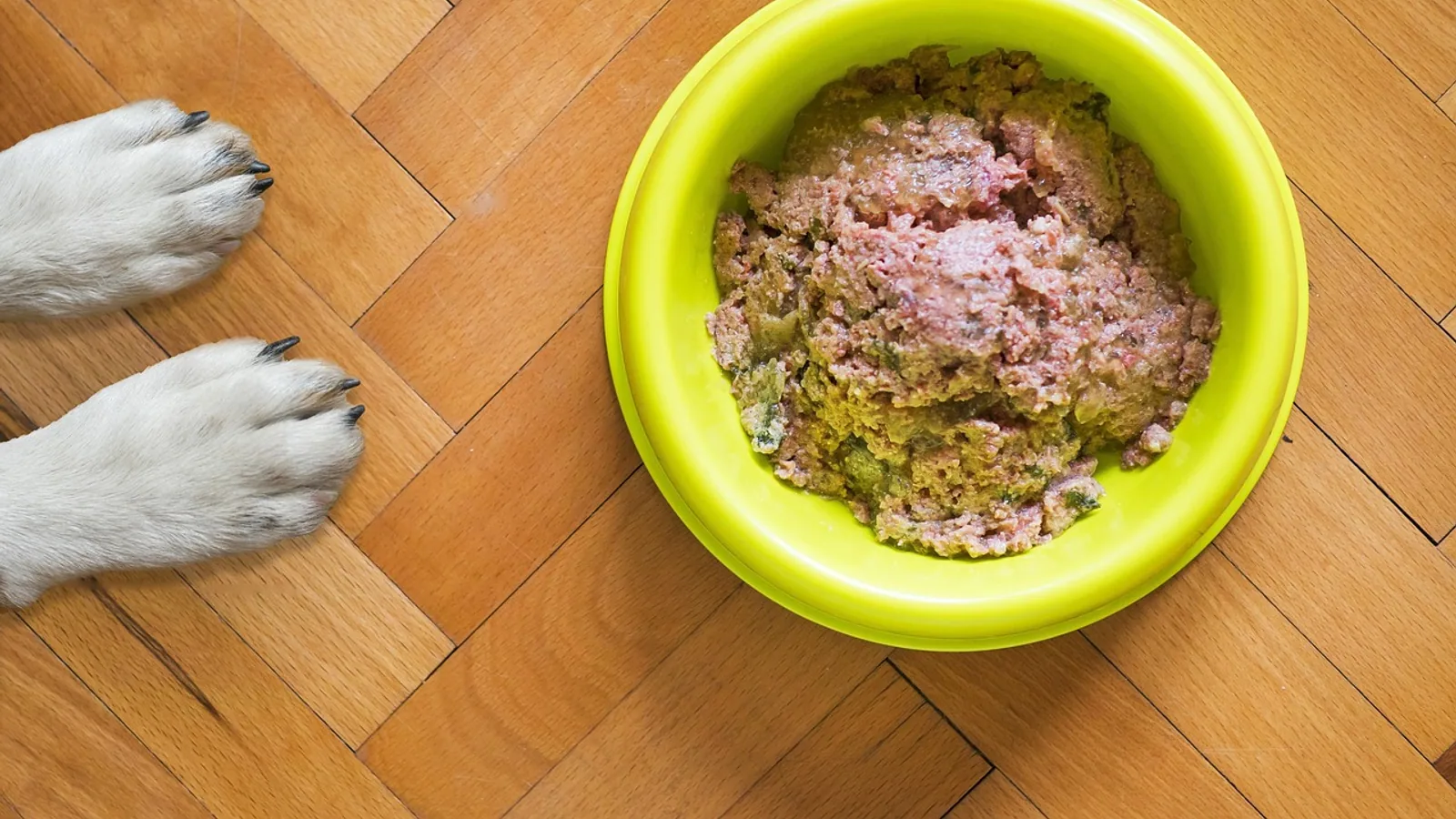
Open Farm dog food is a premium-priced brand built around ingredient traceability, animal welfare certification, and a mix of kibble, freeze-dried raw, and gently cooked formats. The company markets itself to owners who want to know where their dog's food comes from and how the animals in it were raised. That mission is legitimate and the brand has invested real money in supply chain transparency. The harder question is whether the food is nutritionally right for your individual dog, and that depends on the recipe, the life stage, and your dog's health history. This review walks through what Open Farm actually sells, how to judge it against the standards veterinarians use, and where the genuine uncertainties sit.
The Verdict Up Front
Open Farm suits owners who prioritize traceable sourcing and are willing to pay for it, and whose dogs do well on a moderately high-protein, often grain-free or legume-containing diet. The brand publishes lot-level sourcing information, holds third-party animal welfare certifications on its animal proteins, and offers a range of formats that let you match the food to your dog's preferences and needs.
Owners should look elsewhere, or at least proceed carefully, in three situations. First, if your dog has or is at risk for dilated cardiomyopathy (DCM), because several Open Farm recipes are grain-free and legume-rich, and that category of diet is the subject of an ongoing FDA investigation and multiple veterinary studies [1][2][3]. Second, if you want a diet backed by AAFCO feeding trials rather than formulation alone, because the company's published materials emphasize formulation to AAFCO nutrient profiles. Third, if your household includes immunocompromised people, young children, or elderly adults, because raw and raw-coated products carry documented bacterial contamination risk [4][5].
For most healthy adult dogs, Open Farm is a reasonable option among premium foods. It is not automatically better than a well-formulated grain-inclusive diet from a company that runs feeding trials and employs board-certified veterinary nutritionists. "Premium" and "traceable" are not the same as "clinically superior."
At a Glance
| Feature | What the company states |
|---|---|
| Manufacturer | Open Farm (independent brand) |
| Product lines | Dry kibble, freeze-dried raw, gently cooked, and raw-coated kibble formats, plus cat food |
| AAFCO statement type | Formulated to meet AAFCO nutrient profiles (company materials emphasize formulation) |
| Feeding trials | Not the primary basis of the company's nutritional adequacy claims |
| Who formulates the diets | Company nutrition team, not publicly identified as board-certified veterinary nutritionists |
| Where it is made | United States, with a stated focus on traceable sourcing |
| Welfare certification | Third-party animal welfare certification on animal proteins |
| Price positioning | Premium tier, above mass-market grocery brands |
The table reflects what the brand publishes. Where a cell says "not publicly identified," that is a gap in disclosure, not proof of a problem. It is, however, exactly the kind of gap that the World Small Animal Veterinary Association (WSAVA) recommends owners probe before committing to a food.
How Veterinarians Judge Any Pet Food
Before looking at Open Farm specifically, it helps to understand the framework. Veterinarians do not rank foods by ingredient list. They ask a small set of questions that separate companies with real nutritional expertise from companies with good marketing.
The WSAVA Questions
The WSAVA Global Nutrition Guidelines recommend that owners ask every pet food manufacturer the same questions. These are the questions that matter most.
- Do you employ a full-time, board-certified veterinary nutritionist or a PhD-level animal nutritionist?
- Who formulates your diets, and what are their credentials?
- Where are your diets manufactured, and in what facilities?
- What specific quality control measures do you use, including batch testing and ingredient sourcing verification?
- Do you own your manufacturing plants, or do you contract them out?
- What is the caloric content of each diet per standard measure, and is it verified?
- Are your diets tested with AAFCO feeding trials, or formulated to meet nutrient profiles?
- How do you handle recalls and adverse event reports?
A company that answers all eight transparently is easier to trust. A company that answers vaguely, or that responds to these questions with marketing language about "human-grade" or "ancestral" ingredients, is harder to evaluate. When you contact Open Farm, ask these questions directly and in writing. The quality of the answer tells you as much as the answer itself.
AAFCO Statements and What They Mean
Every complete and balanced pet food sold in the United States carries an AAFCO nutritional adequacy statement. There are two main types.
A "formulated to meet" statement means the recipe was designed on paper to hit the AAFCO Dog Food Nutrient Profiles. This is a legitimate pathway, but it depends entirely on the accuracy of the recipe and the consistency of manufacturing. Analytical testing of commercial diets repeatedly finds that some products do not match their labels or do not meet minimum nutrient levels, particularly for growth and reproduction [6][7][8]. A recent study of 96 commercial dog and cat foods found that while most adult maintenance diets met recommended nutrient levels, puppy foods frequently fell short on EPA and DHA, calcium, and phosphorus, and had imbalanced calcium-to-phosphorus ratios [7]. A separate UK analysis found that only about half of tested foods met all amino acid guidelines and roughly a quarter met all mineral guidelines, with isolated non-compliance across every food group [9].
A "feeding trial" statement means the finished product was fed to dogs under AAFCO protocol and supported normal health and growth. Feeding trials are the stronger form of evidence because they test the food as manufactured, not as designed [10]. A 2000 study described a feeding trial protocol that successfully distinguished between commercial diets by monitoring body condition, blood work, and general health over eight weeks [10].
Open Farm's published materials lean toward formulation rather than feeding trials. That is common in the premium and boutique segment, but it is a meaningful distinction. If a company runs feeding trials, it has tested the actual product. If it formulates only, you are trusting the recipe and the plant.
Life Stage Matters
A diet labeled "all life stages" must meet the higher nutrient demands of growth and reproduction, which are stricter than adult maintenance. A diet labeled "adult maintenance" is not appropriate for puppies. A 2014 survey of dog breeders found that a substantial number fed commercial diets not intended for the dog's life stage, including during gestation, lactation, and puppy growth [11]. Match the label to your dog. If you have a puppy, a pregnant or nursing bitch, or a large-breed puppy with specific growth concerns, confirm the diet carries the correct life stage statement.
Open Farm Product Lines and What Each Is For
Open Farm sells across several formats. Each has a different purpose and a different risk profile.
Dry Kibble
The core of the line is dry dog food, sold under the brand's dry dog food collection [12]. Kibble is convenient, shelf-stable, and the most common format for daily feeding. Open Farm's kibble recipes include both grain-inclusive and grain-free options, with protein sources like chicken, beef, salmon, and lamb. Protein and fat levels tend to run higher than mass-market diets, which is typical of the premium segment [3].
Higher protein and fat are not inherently good or bad. They suit active dogs and can help maintain lean body mass. They can be a problem for dogs with certain kidney, liver, or pancreatic conditions, where your veterinarian may recommend a different nutrient profile. The right choice depends on the dog.
Freeze-Dried Raw
Freeze-dried raw products are raw ingredients that have been freeze-dried to remove moisture, which makes them shelf-stable without cooking. They are typically used as toppers, mixers, or complete meals depending on the product. The appeal is palatability and a minimally processed format.
The tradeoff is microbial risk. Raw meat-based diets have been repeatedly documented to carry high bacterial loads. A 2022 study of 44 commercial raw pet foods in Germany found considerable contamination with aerobic colony counts and Enterobacteriaceae, with mean counts in the range of 10^8 and 10^6 CFU/g respectively, and higher Enterobacteriaceae counts in frozen products made from poultry or mixed carcasses [4]. Salmonella has been the subject of multiple raw pet food recalls in the United States, including a 2024 voluntary recall of raw pet food products due to possible Salmonella contamination [5]. Freeze-drying does not reliably sterilize the product. Handle freeze-dried raw with the same hygiene precautions as raw meat: wash hands, wash bowls, and avoid cross-contamination of human food surfaces.
Gently Cooked
Gently cooked or lightly cooked formats are cooked at lower temperatures than traditional extrusion, which the brand markets as preserving nutrients and palatability. Cooking reduces but does not eliminate bacterial risk, and the nutrient content depends on the specific recipe and how it is tested. These products are often sold frozen or refrigerated and have a shorter shelf life than kibble. They can be a good middle ground for owners who want a less processed format without the full microbial risk profile of raw.
Raw-Coated Kibble
Some products combine kibble with a raw coating, usually freeze-dried raw material applied to the outside of the kibble. This is a marketing crossover that gives the palatability of raw with the convenience of kibble. It also imports the contamination risk of raw onto a product that owners may handle casually because it looks like dry food. Treat raw-coated kibble as a raw product for hygiene purposes. Do not let children handle it, do not store it next to human food, and wash your hands after every scoop. If anyone in the household is immunocompromised, pregnant, or elderly, discuss the risk with your physician before bringing a raw-coated product into the home [4][5].
Open Farm Cat Food
The brand also makes cat food. The same general principles apply. Cats have stricter requirements for certain nutrients, including taurine and arachidonic acid, and deficiencies in these have been documented in commercial cat diets, particularly in growth stages and in some alternative-protein formulations [7][13][14]. If you are considering Open Farm cat food, verify the AAFCO statement matches your cat's life stage and ask the company directly about taurine and arachidonic acid testing. Taurine deficiency is a well-established cause of DCM in cats, and it is not a theoretical concern.
Ingredient Traceability and Welfare Certification Claims
Open Farm's central marketing claim is traceability. The company publishes sourcing information that lets owners trace ingredients to specific farms and fisheries, and it holds third-party animal welfare certifications on its animal proteins. These are meaningful commitments. Traceability reduces the risk of adulteration and gives owners a way to verify claims independently.
Two caveats are worth holding in mind. First, traceability is a sourcing and ethics claim, not a nutritional claim. Knowing exactly which farm raised the chicken does not tell you whether the finished diet meets your dog's nutrient needs. Those are separate questions, and the second one is the one that affects your dog's health. Second, welfare certifications vary in rigor. A third-party certification is more credible than a self-declared claim, but the standards differ between certifying bodies. If welfare is a priority for you, read the certification standards directly rather than relying on a logo.
Awareness is not the same as verified testing. Ask the company what specific batch testing it performs, how often, and whether results are available on request.
Grain-Free and Legume-Rich Recipes in the DCM Context
This is the section that matters most for a veterinarian reviewing this brand.
What the FDA Investigation Found
Starting in 2018, the FDA began investigating reports of DCM in dogs eating certain diets, particularly grain-free diets and diets high in legumes (peas, lentils, chickpeas, and others) or potatoes. The investigation generated substantial public attention and a wave of veterinary research.
The research picture is genuinely mixed, and it is important not to overstate it in either direction. A 2020 literature review in the Journal of Animal Science described the clinical presentation of DCM, its genetic and nutritional causes, and the limitations of the available evidence [1]. That review emphasized that DCM has multiple causes, including genetic predisposition in breeds like the Doberman Pinscher, Great Dane, and Boxer, and that the existing data could not establish a definitive causal link between specific diet characteristics and the disease [1]. The authors called for studies that evaluate one variable at a time and for broader reporting of DCM cases to reduce sampling bias [1].
Later studies added nuance. A 2021 retrospective study of 71 dogs with DCM found that dogs eating nontraditional diets that had their diets changed showed greater improvement in cardiac measurements and longer median survival (337 days) than dogs on nontraditional diets that did not change diets (215 days) [16]. A 2022 study of 67 dogs with DCM and congestive heart failure found that dogs previously fed grain-free diets had a median survival of 344 days versus 253 days for grain-inclusive dogs, a difference that did not reach statistical significance in the full analysis but became significant when limited to dogs surviving longer than one week [2]. That same study found worse outcomes the longer a grain-free diet had been fed before diagnosis and in dogs diagnosed at a younger age [2]. A 2022 prospective study of 60 dogs with DCM found that improvement in cardiac function over time was significantly associated with previous consumption of a nontraditional diet, even after adjusting for other variables, and that none of the dogs had low taurine levels [17].
What This Means for Open Farm
Several Open Farm recipes are grain-free and legume-rich. That places them in the dietary category that the FDA investigated and that multiple veterinary studies have examined [1][2][3][17][16]. This does not mean those specific recipes cause DCM. No study has established that any specific brand causes the disease, and the evidence remains associational rather than causal [1]. It does mean that if you are choosing a food for a breed with a known genetic predisposition to DCM, or for a dog with any cardiac concern, a grain-free legume-rich diet is not the conservative choice.
A 2025 review of grain-free diets for dogs and cats summarized the situation well. Grain-free formulations tend to be higher in protein and fat, and they may offer some benefits such as improved blood sugar control, reduced mycotoxin exposure, and better palatability [3]. They also carry a potential association with DCM in dogs, and the absence of grains does not reduce allergy risk, because most true food allergies in dogs are to proteins, not grains [3]. The review concluded that nutritional adequacy, balance, and individual needs matter more than the presence or absence of grain [3].
Practical Guidance
If your dog is healthy, has no breed predisposition to DCM, and does well on a grain-free Open Farm recipe, there is no strong reason to panic. If your dog is a Doberman, Boxer, Great Dane, or another breed with a genetic predisposition, or if your dog has any history of cardiac murmur, exercise intolerance, or arrhythmia, choose a grain-inclusive diet from a company that runs feeding trials, and discuss the decision with your veterinarian. If your dog is already eating a grain-free diet and you are considering a change, do it gradually and tell your veterinarian, because diet change is a recognized component of managing suspected diet-associated DCM [2][16].
Ingredients in Context
Open Farm's ingredient lists emphasize named animal proteins, limited carbohydrate sources, and no artificial preservatives, colors, or flavors. These are reasonable features. They are also features shared by many competitors, and they are not by themselves evidence of nutritional superiority.
Protein quality matters more than protein quantity. A 1998 study that assessed protein quality in eight commercial dry dog foods found significant variation in protein quality indices, with tryptophan as the first limiting amino acid in nearly all samples and methionine as the second [18]. That finding is a reminder that a high crude protein number on a label does not guarantee adequate levels of every essential amino acid. The only way to know is through testing or feeding trials.
Fat content is another consideration. A 2022 study of raw pet foods found high fat contents that were negatively correlated with protein, meaning fattier products tended to have less protein [4]. High-fat diets can be appropriate for active dogs and problematic for sedentary or overweight dogs. If your dog is overweight, your veterinarian may recommend a lower-calorie diet, and caloric restriction itself can create nutrient adequacy concerns. A 2012 study found that all five evaluated commercial diets had at least one essential nutrient below recommended allowances at moderate caloric restriction, and multiple nutrients below at more aggressive restriction [19]. If you are managing weight, ask your veterinarian whether the diet you are feeding remains complete at the reduced amount.
Therapeutic and Prescription Lines
Open Farm does not market a prescription or therapeutic diet line. Prescription diets are formulated for specific medical conditions such as kidney disease, heart disease, food allergies, urinary conditions, and gastrointestinal disorders, and they are typically sold through veterinarians. If your dog has a diagnosed medical condition, a therapeutic diet prescribed by your veterinarian is almost always the right choice over a general premium food. Do not substitute a boutique diet for a prescribed therapeutic diet without veterinary guidance.
Recall History
The FDA maintains a public database of pet food recalls and withdrawals [20]. Owners should check this database periodically for any brand they feed, including Open Farm. Recalls are not automatically a sign of a bad company. They can reflect a company catching a problem and acting responsibly. What matters is how the company responds, how transparent it is about the cause, and whether the problem recurs. Ask Open Farm directly about its recall history and its adverse event reporting process. A company that tracks and reports adverse events is easier to trust than one that does not.
Price Positioning
Open Farm sits in the premium tier. It costs more than mass-market grocery brands and is broadly comparable to other boutique and premium brands that emphasize sourcing and ingredient quality. Premium pricing reflects sourcing costs, certification costs, and smaller production scale, not proven nutritional superiority. If budget is a constraint, a well-formulated grain-inclusive diet from a company that runs feeding trials and employs veterinary nutritionists may offer better value for most dogs. The most expensive food is not automatically the best food for your dog.
Alternatives to Consider
If Open Farm does not fit your dog, several categories of alternatives exist.
Grain-inclusive premium diets from companies that run AAFCO feeding trials and employ board-certified veterinary nutritionists are the conservative choice for most dogs, particularly breeds with DCM predisposition. These diets avoid the grain-free legume-rich category that is under investigation [1][2][3].
Veterinary therapeutic diets are appropriate for dogs with diagnosed conditions. They are formulated for specific medical needs and are backed by feeding trials and clinical research.
Home-prepared diets are an option for owners who want full control, but they require formulation by a board-certified veterinary nutritionist. A 2002 study comparing home-prepared and commercial diets found that home-prepared diets were frequently nutritionally inadequate when not properly formulated [6]. Do not improvise a home diet.
Plant-based and alternative-protein diets exist, but they carry their own risks. A 2020 study of commercial vegan pet foods found multiple nutrient inadequacies, including low calcium, potassium, and sodium in some products, calcium-to-phosphorus ratios below recommendations, and copper exceeding legal limits in all foods tested [13]. A 2015 study of vegetarian diets found that six of 24 diets did not meet all amino acid minimums and that most were not compliant with AAFCO labeling regulations [14]. If you are considering a plant-based diet, choose one that has been tested and discuss it with your veterinarian.
How to Switch Foods Safely
If you decide to switch your dog to Open Farm, or from Open Farm to another diet, transition gradually over seven to ten days. Start with about 25 percent new food mixed with 75 percent old food, and increase the proportion of new food every few days. This reduces the risk of gastrointestinal upset. If your dog develops vomiting, diarrhea, or refusal to eat, slow the transition or stop and consult your veterinarian.
If your dog is switching off a grain-free diet because of cardiac concerns, tell your veterinarian. Diet change is a recognized part of managing suspected diet-associated DCM, and your veterinarian may want to monitor cardiac function over time [2][16].
Limitations and When to Contact a Veterinarian
This article is educational and is not a substitute for veterinary diagnosis or treatment. Individual dogs have individual needs, and the right diet depends on your dog's age, breed, health status, and medical history.
Contact your veterinarian promptly if your dog develops any of the following.
- Coughing, especially at night or after exercise
- Exercise intolerance or reluctance to walk
- Fainting or collapse
- Rapid or irregular breathing at rest
- Unexplained weight loss or muscle wasting
- Persistent vomiting or diarrhea
- Refusal to eat for more than 24 hours
- Any change in drinking or urination
If your dog is eating a grain-free or legume-rich diet and you notice any of these signs, seek veterinary care and mention the diet. If your dog has a known breed predisposition to DCM, discuss diet choice with your veterinarian before making changes.
Frequently Asked Questions
Is Open Farm good dog food?
Open Farm is a reasonable premium option for healthy adult dogs whose owners prioritize traceable sourcing and welfare certification. It is not automatically better than a well-formulated grain-inclusive diet from a company that runs AAFCO feeding trials and employs board-certified veterinary nutritionists. The best food for your dog depends on your dog's individual needs.
Is Open Farm grain-free?
Open Farm sells both grain-free and grain-inclusive recipes. Several of its grain-free recipes are legume-rich, which places them in the dietary category the FDA investigated for a possible association with dilated cardiomyopathy in dogs [1][2][3]. If your dog has a breed predisposition to DCM or any cardiac concern, discuss the choice with your veterinarian.
Does Open Farm use AAFCO feeding trials?
Open Farm's published materials emphasize formulation to AAFCO nutrient profiles rather than AAFCO feeding trials. Feeding trials test the finished product on dogs and are the stronger form of evidence for nutritional adequacy [10]. Ask the company directly which of its recipes have been tested in feeding trials.
Is Open Farm raw food safe?
Freeze-dried raw and raw-coated products carry documented bacterial contamination risk, including high counts of Enterobacteriaceae and aerobic bacteria in commercial raw pet foods [4]. Salmonella contamination has prompted raw pet food recalls in the United States [5]. Handle raw and raw-coated products with strict hygiene, and avoid them in households with immunocompromised, pregnant, or elderly people unless a physician approves.
Does Open Farm make cat food?
Yes, Open Farm makes cat food in addition to dog food. Cats have stricter requirements for taurine and arachidonic acid, and deficiencies in these nutrients have been documented in some commercial cat diets [7][13][14]. Verify the AAFCO statement matches your cat's life stage and ask the company about taurine and arachidonic acid testing.
What should I ask Open Farm before buying?
Ask the eight WSAVA questions: whether the company employs a board-certified veterinary nutritionist, who formulates the diets, where they are made, what quality control and batch testing are used, whether the company owns its plants, what the verified caloric content is, whether recipes are tested in AAFCO feeding trials, and how recalls and adverse events are handled.
Can Open Farm cause dilated cardiomyopathy?
No study has established that any specific brand causes DCM, and the evidence linking diet to DCM remains associational rather than causal [1]. However, several Open Farm recipes are grain-free and legume-rich, and that dietary category is the subject of the FDA investigation and multiple veterinary studies [1][2][3][17][16]. If your dog has a breed predisposition to DCM, choose a grain-inclusive diet and consult your veterinarian.
How do I switch my dog to Open Farm?
Transition gradually over seven to ten days, starting with about 25 percent new food mixed with 75 percent old food and increasing the proportion every few days. If your dog develops vomiting, diarrhea, or refusal to eat, slow the transition or stop and consult your veterinarian. If you are switching off a grain-free diet for cardiac reasons, tell your veterinarian.
Related Articles
- What Is A Good Cat Food For Kidney Disease
- What Food Is Good For Cats With Kidney Problems
- Good Human Food For Dogs With Sensitive Stomachs
- Vegetables Good For Dogs
- Smalls Cat Food Review: Is Fresh Food Better for Your Cat?
- Ollie Dog Food Review: Fresh Food Benefits for Your Dog
- Royal Canin Dog Food: A Veterinarian's Review
- Purina ONE Dog Food: A Veterinarian's Review
- Hill's Science Diet Dog Food: A Veterinarian's Review
Sources
- Review of canine dilated cardiomyopathy in the wake of diet-associated concerns.
- Association of diet with clinical outcomes in dogs with dilated cardiomyopathy and congestive heart failure.
- Grain-Free Diets for Dogs and Cats: An Updated Review Focusing on Nutritional Effects and Health Considerations.
- From Nutritional Adequacy to Hygiene Quality: A Detailed Assessment of Commercial Raw Pet-Food for Dogs and Cats.
- Northwest Naturals Voluntarily Recalls Two Raw Pet Food ... (fda.gov)
- A comparison of the nutritional adequacy of home-prepared and commercial diets for dogs.
- Nutritional Evaluation of Commercial Dog and Cat Foods Based on Key Nutrient Requirements.
- Quantification of vitamin D(3) in commercial dog foods and comparison with Association of American Feed Control Officials recommendations and manufacturer-reported concentrations.
- Nutritional analysis of commercially available, complete plant- and meat-based dry dog foods in the UK.
- Dog feeding test for assessing the nutritional adequacy of practical diets.
- Feeding practices of dog breeders in the United States and Canada.
- All Dry Dog Food & Ethically Sourced Dog Kibble (openfarmpet.com)
- Nutritional inadequacies in commercial vegan foods for dogs and cats.
- Assessment of protein and amino acid concentrations and labeling adequacy of commercial vegetarian diets formulated for dogs and cats.
- Pet Food Contamination - Causes & Prevention (openfarmpet.com)
- Retrospective study of dilated cardiomyopathy in dogs.
- Prospective study of dilated cardiomyopathy in dogs eating nontraditional or traditional diets and in dogs with subclinical cardiac abnormalities.
- Assessment of nutritional adequacy of the protein in dog foods by trials on growing rats.
- Theoretical evaluation of risk for nutritional deficiency with caloric restriction in dogs.
- Recalls & Withdrawals (fda.gov)