Diamond Naturals Dog Food: A Veterinarian's Review
By Dr. Zubair Khalid, DVM, MS, PhD ·
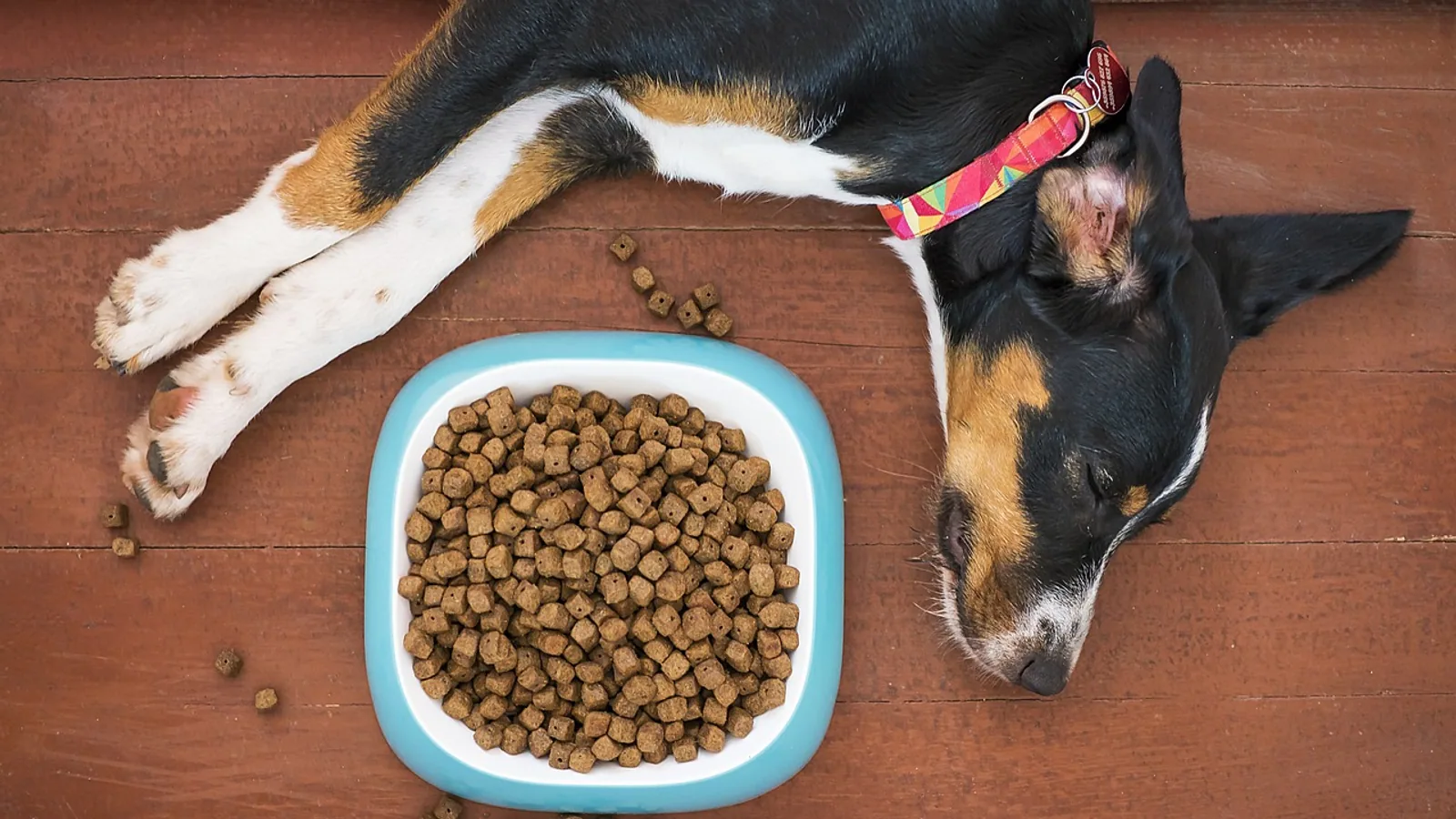
Diamond Naturals is a mid-priced dry dog food line made by Diamond Pet Foods, a contract manufacturer that also produces Taste of the Wild and several store-brand diets. For most healthy adult dogs, Diamond Naturals is a reasonable, affordable choice that meets AAFCO nutrient standards. Owners who want a manufacturer with a spotless safety record, or who want a company that employs its own veterinary nutritionists and runs feeding trials on every formula, should look elsewhere. The two events that shape the safety discussion around this brand are a 2005 aflatoxin contamination that killed dogs and a 2012 Salmonella Infantis outbreak traced to a Diamond plant in Gaston, South Carolina [1][2][3].
This article is educational and is not a substitute for veterinary diagnosis or treatment.
At a Glance
| Feature | What the sources and label information show |
|---|---|
| Manufacturer | Diamond Pet Foods |
| Product lines | Diamond Naturals (dry dog and cat), Diamond Care, Diamond Puppy, plus co-manufactured brands including Taste of the Wild |
| AAFCO statement type | "Formulated to meet the AAFCO Dog Food Nutrient Profiles" on the standard Naturals line. Some Diamond Care formulas carry a feeding-trial statement. Confirm on the specific bag. |
| Feeding trials or formulation | Formulation-based adequacy for most Naturals formulas. Feeding trials for select Diamond Care therapeutic-style diets. |
| Who formulates the diets | Diamond Pet Foods' internal product development team. The company does not publicly list a board-certified veterinary nutritionist on staff. |
| Where it is made | Multiple US plants, including Gaston, South Carolina, and other facilities. Bag labels list the plant code. |
| Price positioning | Mid-market. Typically below premium and super-premium brands, above grocery-store economy lines. |
How Veterinarians Judge Any Dog Food
Before looking at any single brand, it helps to know what a veterinarian actually checks. The World Small Animal Veterinary Association publishes a set of questions that owners can ask any manufacturer. The most useful ones are:
- Do you employ a full-time, board-certified veterinary nutritionist or a PhD animal nutritionist?
- Who formulates your diets, and what are their credentials?
- Where are your diets manufactured, and do you own the plants?
- What specific quality control measures do you use? Do you test every batch for nutrients and contaminants?
- How much of your product line has passed AAFCO feeding trials versus being formulated to meet nutrient profiles?
- Can you provide a complete nutrient analysis, not just the guaranteed analysis on the bag?
A manufacturer that answers all six clearly is generally easier to trust than one that does not. Diamond Pet Foods answers some of these questions on its website and through customer service. It does not publish a named veterinary nutritionist, and most Diamond Naturals formulas are formulated rather than trial-fed. That is a meaningful limitation, not a disqualifier.
The second thing veterinarians check is the AAFCO statement. Every complete and balanced dog food sold in the United States carries one. It tells you the life stage the food is intended for (growth, adult maintenance, or all life stages) and whether adequacy was established by formulation or by feeding trial. Formulation means the recipe was calculated to meet minimum and maximum nutrient levels. Feeding trial means the finished food was fed to dogs under AAFCO protocols and the dogs stayed healthy. Feeding trials are the stronger standard because they account for nutrient availability, not just nutrient presence.
A 2026 study of commercial dog and cat foods found that most adult maintenance diets met recommended nutrient levels, but diets intended for growth were more likely to fall short, particularly in EPA and DHA, calcium, and phosphorus [4]. That finding is not specific to Diamond. It is a reminder that puppy formulas across the industry deserve more scrutiny than adult formulas, and that the AAFCO statement on the bag is the first thing to read.
Who Makes Diamond Naturals
Diamond Pet Foods is a family-owned manufacturer based in Missouri. The company produces its own brands and also co-packs for other companies. Taste of the Wild is the best-known example. Diamond has also produced store-brand dry foods for large retailers. This matters for two reasons. First, if you are comparing Diamond Naturals to Taste of the Wild, you are often comparing two products made in the same facilities by the same company, with different recipes and different marketing. Second, when a Diamond plant has a contamination event, the recall can extend across many brands, not just Diamond Naturals.
The company operates multiple manufacturing plants in the United States. The Gaston, South Carolina plant is the one named in the 2012 Salmonella outbreak [1][2]. Bag labels carry a plant code, which lets you identify where a specific bag was made. Owners who want to know the origin of their bag can usually find that code near the best-by date.
The Product Lines and What Each Is For
Diamond Naturals is the company's flagship natural-positioned line. It includes formulas for puppies, adult dogs, large-breed dogs, small-breed dogs, and seniors, plus grain-inclusive and grain-free options. Protein sources vary by formula and include chicken, beef, lamb, salmon, and bison. Most formulas are dry kibble. The line also includes canned foods and a small number of cat formulas.
Diamond Care is the company's therapeutic-style line. These diets target specific clinical needs such as sensitive skin, sensitive stomach, kidney support, and weight management. Some Diamond Care formulas carry AAFCO feeding-trial statements rather than formulation statements. That distinction matters if your dog has a diagnosed condition and your veterinarian has recommended a specific therapeutic diet. Prescription diets from major veterinary manufacturers are held to a different standard of clinical testing and are usually sold through veterinary channels. Diamond Care is not a prescription line. It is a retail line positioned for common, mild issues.
Diamond Puppy is a separate growth formula. Puppy diets are the category where nutrient adequacy is most likely to vary across the industry [4], so the AAFCO statement on the puppy bag deserves a careful read.
Taste of the Wild is a sister brand made by the same manufacturer. It is positioned as a premium, grain-free or ancestral-style line with higher meat inclusion and a higher price. Diamond Naturals is the value tier. The two brands share manufacturing infrastructure but not recipes.
Ingredients in Context
Diamond Naturals formulas typically lead with a named meat or meat meal, followed by grains or legumes, then fat sources, then micronutrients and preservatives. That structure is standard for mid-market dry food. The guaranteed analysis on the bag lists minimum protein, minimum fat, maximum fiber, and maximum moisture. It does not tell you the actual nutrient content of the food, only the minimums and maximums the manufacturer guarantees.
Owners often ask whether grain-free is better. For most dogs, it is not. Grain-free is a marketing category, not a nutritional one. The more useful question is whether the specific formula meets AAFCO nutrient profiles for your dog's life stage and whether your dog does well on it. A 2020 study of vegan dog and cat foods found multiple nutrient problems in that category, including calcium and phosphorus imbalances and copper levels above legal limits [5]. A 2015 study of vegetarian dog and cat diets found that six of 24 diets did not meet all AAFCO amino acid minimums, and most were not fully compliant with AAFCO labeling rules [6]. These findings are about plant-based diets specifically, not Diamond Naturals, but they illustrate a general point. Novel or niche formulations are more likely to have nutrient gaps than conventional ones, and the AAFCO statement is your first filter.
Protein quality also varies between products. A 1998 study that assessed eight commercial dry dog foods using rat growth trials found significant differences in protein quality between products, with tryptophan as the first limiting amino acid in nearly all samples and methionine as the second [7]. That study is old, but the underlying principle holds. Two foods can carry the same crude protein percentage on the label and still differ in how well a dog can use that protein. This is one reason feeding trials matter more than guaranteed analysis.
AAFCO Adequacy and Life Stage
The AAFCO statement is the single most useful piece of information on a dog food label. It tells you three things: whether the food is complete and balanced, which life stage it is intended for, and how adequacy was demonstrated.
For Diamond Naturals, most adult formulas carry a formulation-based statement for adult maintenance. Some puppy and all-life-stages formulas carry similar statements. A smaller number of Diamond Care formulas carry feeding-trial statements. If you are choosing between two Diamond formulas, the one with a feeding-trial statement for your dog's life stage has stronger evidence behind it.
Life stage matters. Puppies, pregnant or nursing dogs, and large-breed puppies have different nutrient requirements than adult dogs. A food labeled for adult maintenance is not appropriate for a growing large-breed puppy. A food labeled for all life stages is acceptable for both, provided it meets the stricter growth standards. When in doubt, match the label to your dog's life stage and ask your veterinarian if your dog has a specific condition.
The 2005 Aflatoxin Event
In 2005, a Diamond Pet Foods plant produced dry dog food contaminated with aflatoxin. Aflatoxin is a mycotoxin produced by molds that can grow on improperly stored grains and other feed ingredients. Dogs are highly susceptible to aflatoxin poisoning, and the clinical course can be rapid.
A 2007 case series described nine dogs that had eaten the recalled food. Four died and five were euthanized after showing signs of liver failure [3]. Eight of the nine had classic signs of liver failure. At necropsy, the dogs with subacute liver disease had enlarged, pale yellow livers, and the dog with chronic disease had cirrhosis. Microscopic findings included hepatic lipidosis, portal fibroplasia, and biliary hyperplasia. Feed analysis showed aflatoxin B1 levels ranging from 223 to 579 parts per billion, and liver tissue contained aflatoxin B1 metabolite M1 at 0.6 to 4.4 parts per billion [3].
That case series is the clearest clinical picture of what aflatoxicosis looks like in dogs. It also explains why the FDA sets an action level for aflatoxin B1 in dog food at 20 nanograms per gram, and why screening methods are validated at that level [8]. Aflatoxin contamination is not unique to Diamond. Surveys of dry dog food in multiple countries have found aflatoxins, ochratoxin A, fumonisins, and other mycotoxins at varying frequencies and levels [9][10][11]. A 2022 Turkish survey of 90 dry dog food samples found aflatoxin, aflatoxin B1, ochratoxin A, and fumonisin at concentrations that the authors judged a significant health risk for dogs, particularly when feed was sold from open packages [9]. A 2010 Austrian survey of 76 dry dog foods found deoxynivalenol in 83 percent of samples, zearalenone in 47 percent, and fumonisins in 42 percent, though aflatoxins were not detected [11]. A 2014 Polish study found aflatoxin B1 in 8 percent of samples and ochratoxin A in 45 percent [10]. The takeaway is that mycotoxin contamination is a recurring industry-wide risk, not a single-brand problem. The 2005 Diamond event was severe because the contamination level was high enough to cause acute liver failure in multiple dogs.
The 2012 Salmonella Infantis Outbreak
In 2012, the CDC investigated an outbreak of human Salmonella Infantis infections linked to dry dog food produced by Diamond Pet Foods at a single plant in Gaston, South Carolina [1]. Multiple brands produced at that plant were involved.
The full investigation, published in 2014, identified 53 ill people infected with the outbreak strain between January 1 and July 5, 2012, across 21 states and two Canadian provinces [2]. Twenty of the 53 (38 percent) were children two years old or younger, and 12 of 37 (32 percent) were hospitalized. Of 21 ill people who remembered the brand of dog food, 12 (57 percent) reported a brand produced at the Gaston plant. Traceback investigations also identified that plant. The outbreak strain was isolated from bags of dry dog food and from fecal specimens from dogs that lived with ill people and ate the implicated food. The plant was closed temporarily for cleaning and disinfection. Sixteen brands involving more than 27,000 metric tons of dry dog and cat food were recalled. Thirty-one ill dogs linked to recalled products were reported through the FDA consumer complaint system [2].
This outbreak was not the first time dry pet food had been linked to human Salmonella infections. A 2006 to 2007 outbreak of Salmonella Schwarzengrund was the first investigation to identify contaminated dry dog food as a source of human Salmonella infections [12]. That outbreak involved 70 cases in 19 states, mostly in the northeastern United States, and was traced to a manufacturing plant in Pennsylvania [12]. A follow-up investigation identified 79 cases in 21 states, with 48 percent in children two years old or younger, and found that case households were significantly more likely to have recently purchased certain dry pet food brands [13]. More than 23,000 tons of pet food were recalled, and the company eventually recalled 105 brands and permanently closed the plant [13]. A 2008 CDC update described an additional recall of dry dog and cat food produced at a Pennsylvania plant over a five-month period [14].
The 2012 Diamond outbreak fits a pattern. Dry pet food can carry Salmonella, and handling it can make people sick, especially young children. The CDC's standing advice is to wash hands immediately after handling pet food and to keep infants away from pet feeding areas [12]. A 2019 study tested plant-derived antimicrobial sprays for reducing Salmonella Schwarzengrund on dry dog food and found that several compounds applied in a vegetable oil or chitosan carrier reduced the pathogen over 28 days of storage [15]. That research reflects ongoing industry efforts to control Salmonella in dry pet food, but it does not change the basic handling advice.
Recalls and Regulatory Status in the United States
Dog food in the United States is regulated by the FDA and by state feed control officials. The FDA maintains a public recalls and withdrawals page where owners can check current and past actions [16]. The CDC and FDA also publish outbreak advisories when contaminated pet food is linked to human illness, as they did for a Mid America Pet Food recall involving multiple brands [17]. The Veterinary Information Network maintains a recall center that aggregates pet food recalls for veterinary professionals [18].
Diamond Pet Foods has issued recalls beyond the two events described above. Owners who want to check whether a specific bag is affected can search the FDA recalls page and the VIN recall center using the brand, lot code, or best-by date [16][18]. Recalls are a normal part of the pet food industry, and the presence of a recall does not automatically mean a brand is unsafe. What matters is how the company responds, how quickly it communicates, and whether the same problem recurs.
Is Diamond Naturals Good?
For a healthy adult dog with no food allergies or diagnosed conditions, Diamond Naturals is a reasonable mid-priced option. It meets AAFCO nutrient profiles for the life stages it is labeled for, it comes in a wide range of formulas, and it is widely available. Many dogs do well on it.
It is a weaker choice if you want a manufacturer that employs a named board-certified veterinary nutritionist, runs AAFCO feeding trials on every formula, or has never had a serious contamination event. Diamond Naturals does not meet those criteria. It is also a weaker choice if your dog has a diagnosed condition that requires a prescription therapeutic diet. Diamond Care is not a substitute for a prescription diet.
The honest summary is that Diamond Naturals sits in the middle of the market. It is not a premium brand and it is not an economy brand. It is a value brand with a documented safety history that owners should know about before they buy.
Diamond Naturals vs Taste of the Wild
Both brands are made by Diamond Pet Foods. Taste of the Wild is positioned as the premium tier, with higher meat inclusion, grain-free or ancestral-style recipes, and a higher price. Diamond Naturals is the value tier, with more grain-inclusive options and a lower price. The two brands share manufacturing infrastructure, which means a plant-level contamination event can affect both. They do not share recipes.
If you are choosing between them, the decision comes down to price, formula preference, and whether your dog does better on one or the other. There is no nutritional reason to assume Taste of the Wild is better for every dog simply because it costs more. There is also no reason to assume Diamond Naturals is equivalent to Taste of the Wild simply because they share a manufacturer. Read the AAFCO statement on the specific bag, match it to your dog's life stage, and judge the food by how your dog does on it.
How to Switch Foods Safely
If you decide to switch your dog to Diamond Naturals, or from Diamond Naturals to another food, transition gradually over seven to ten days. Start with about 25 percent new food mixed with 75 percent old food for the first few days. Move to 50/50 for the next few days, then 75/25, then all new food. This gives the gut microbiome time to adjust and reduces the chance of loose stool.
If your dog has a sensitive stomach, extend the transition to two weeks. If diarrhea, vomiting, or refusal to eat persists beyond a few days, stop the transition and contact your veterinarian. Do not switch foods abruptly unless your veterinarian has told you to, for example before a fasting blood test or during a diet trial for suspected food allergy.
Limitations and When to Contact a Veterinarian
This article is educational and is not a substitute for veterinary diagnosis or treatment. Every dog is an individual, and a food that works well for one dog may not work for another. Your veterinarian can assess your dog's body condition, life stage, and any diagnosed conditions and help you choose an appropriate diet.
Contact your veterinarian if your dog has vomiting, diarrhea, lethargy, yellowing of the eyes or gums, unexplained weight loss, or a sudden change in appetite or water intake. These signs can indicate liver disease, gastrointestinal disease, or other conditions that require prompt evaluation. If you suspect your dog has eaten a recalled food, stop feeding it, save the bag and any remaining food, and contact your veterinarian and the FDA. If a person in your household develops diarrhea, fever, or abdominal cramps after handling dog food, contact a physician. Young children, older adults, and immunocompromised people are at higher risk from Salmonella exposure through pet food [12][13][2].
Frequently Asked Questions
Is Diamond Naturals good dog food?
Diamond Naturals is a reasonable mid-priced dry dog food for healthy adult dogs. It meets AAFCO nutrient profiles for the life stages it is labeled for. It is not a premium brand and it does not employ a publicly named board-certified veterinary nutritionist.
Who makes Diamond Naturals?
Diamond Naturals is made by Diamond Pet Foods. The same company also makes Taste of the Wild and has co-packed store-brand dry foods.
What is the difference between Diamond Naturals and Taste of the Wild?
Both are made by Diamond Pet Foods. Taste of the Wild is the premium tier with higher meat inclusion and a higher price. Diamond Naturals is the value tier with more grain-inclusive options.
Was Diamond Naturals involved in a recall?
Diamond Pet Foods has issued recalls, including a 2005 aflatoxin event and a 2012 Salmonella Infantis outbreak traced to its Gaston, South Carolina plant. Multiple brands produced at that plant were recalled in 2012 [1][2][3].
Is Diamond Naturals grain-free?
Diamond Naturals offers both grain-inclusive and grain-free formulas. Grain-free is a marketing category, not a nutritional one. Match the AAFCO statement to your dog's life stage.
Can puppies eat Diamond Naturals?
Diamond Naturals makes puppy-specific formulas. Puppy diets across the industry are more likely to have nutrient gaps than adult diets, so read the AAFCO statement on the puppy bag carefully [4].
How do I switch my dog to Diamond Naturals?
Transition over seven to ten days, starting with 25 percent new food and increasing gradually. Extend the transition to two weeks for dogs with sensitive stomachs.
What should I do if my dog ate a recalled Diamond product?
Stop feeding the food, save the bag and remaining food, and contact your veterinarian. You can also report the issue to the FDA through its recalls and withdrawals page [16].
Related Articles
- Taste Of The Wild Dog Food
- Good Human Food For Dogs With Sensitive Stomachs
- Vegetables Good For Dogs
- Ollie Dog Food Review: Fresh Food Benefits for Your Dog
- Are Orthopedic Dog Beds Good For Dogs
- Why Are Puzzle Feeders Good For Dogs
- Royal Canin Dog Food: A Veterinarian's Review
- Purina ONE Dog Food: A Veterinarian's Review
- Open Farm Dog Food: A Veterinarian's Review
Sources
- Notes from the field: Human Salmonella infantis infections linked to dry dog food--United States and Canada, 2012.
- Outbreak of Salmonella enterica serotype Infantis infection in humans linked to dry dog food in the United States and Canada, 2012.
- Aflatoxicosis in nine dogs after exposure to contaminated commercial dog food.
- Nutritional Evaluation of Commercial Dog and Cat Foods Based on Key Nutrient Requirements.
- Nutritional inadequacies in commercial vegan foods for dogs and cats.
- Assessment of protein and amino acid concentrations and labeling adequacy of commercial vegetarian diets formulated for dogs and cats.
- Assessment of nutritional adequacy of the protein in dog foods by trials on growing rats.
- A Lateral Flow Method for Aflatoxin B1 in Dry Dog Food: An Inter-Laboratory Trial.
- Total aflatoxin, aflatoxin B(1), ochratoxin A and fumonisin in dry dog food: A risk assessment for dog health.
- Determination of moulds and mycotoxins in dry dog and cat food using liquid chromatography with mass spectrometry and fluorescence detection.
- Survey and risk assessment of the mycotoxins deoxynivalenol, zearalenone, fumonisins, ochratoxin A, and aflatoxins in commercial dry dog food.
- Multistate outbreak of human Salmonella infections caused by contaminated dry dog food--United States, 2006-2007.
- Human Salmonella infections linked to contaminated dry dog and cat food, 2006-2008.
- Update: recall of dry dog and cat food products associated with human Salmonella Schwarzengrund infections--United States, 2008.
- Efficacy of plant-derived antimicrobials for controlling Salmonella Schwarzengrund on dry pet food.
- Recalls & Withdrawals (fda.gov)
- Mid America Pet Food Recalls (fda.gov)
- Drug and Food Recall Center - VIN (vin.com)