Torn or Broken Nail in Cats: What to Do and When to Vet
By Dr. Zubair Khalid, DVM, MS, PhD ·
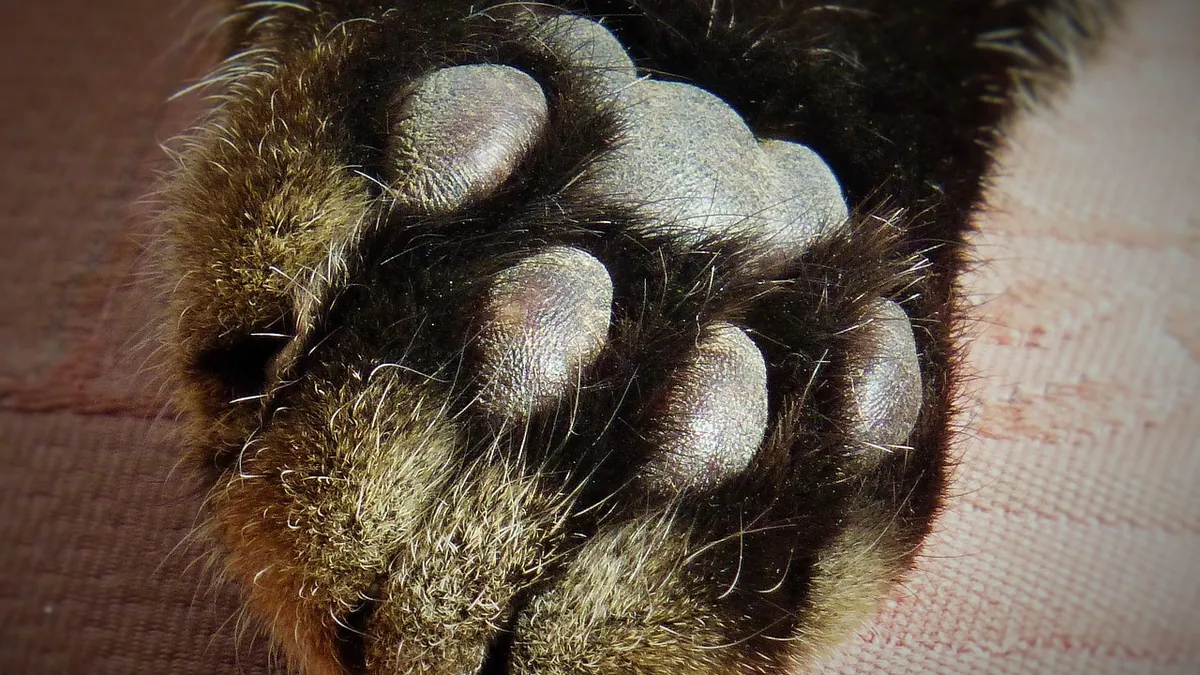
A torn nail in cats is painful and bleeds more than you might expect, but most tears are manageable at home with quick first aid. The key steps are to control bleeding with pressure, keep the cat calm, and avoid yanking a nail that is still attached. Some tears, especially those involving the nail bed or deeper tissue, need a veterinarian the same day.
This article is educational and is not a substitute for veterinary diagnosis or treatment.
Quick Answer
- Apply firm pressure with a clean cloth or gauze for 5 to 10 minutes to stop bleeding. Do not lift the cloth to peek, since that breaks the clot.
- Do not pull a nail that is still partly attached. If the nail is completely detached and dangling by a thread, your vet should decide whether to remove it.
- Keep your cat indoors and quiet, and check the paw every few hours for swelling, discharge, or a bad smell.
- Call your vet if bleeding does not stop after 10 to 15 minutes of steady pressure, if the nail bed looks torn, or if your cat will not put the paw down.
- Never give human pain relievers. Many are toxic to cats, and your veterinarian will calculate a safe dose based on your cat's weight and health.
What a Torn Nail Looks Like in Cats
A torn nail is exactly what it sounds like. Part of the claw has ripped away from the nail bed, the sensitive tissue underneath the hard shell. You may see a cracked or split nail, a nail bent at an odd angle, or a nail hanging off to one side. Blood is common, and it can look like a lot because claws have a good blood supply.
Cats with a torn nail often limp, hold the paw up, or lick the toe constantly. Some cats cry out when it happens. Others hide and go quiet. You may find blood spots on the floor, bedding, or in the litter box before you ever see the toe.
A normal nail is smooth, curved, and sits flush against the toe. The quick, the pink tissue inside the nail, should not be visible or bleeding. If you trim nails at home, a small nick of the quick can bleed, but that is different from a torn nail. A torn nail means the claw itself has separated from the tissue that holds it.
Main Causes of a Torn Nail in Cats
Most torn nails happen from a snag or a sudden pull. The claw catches on something and the cat pulls back hard. Other tears come from trauma, infection, or an underlying nail problem.
| Cause | Typical clues | How urgent |
|---|---|---|
| Snag on carpet, furniture, or fabric | One nail affected, sudden bleeding, cat was playing or jumping | Usually home care, vet if bleeding continues |
| Fight or bite wound | Multiple toes or paw swelling, puncture near the nail, cat goes outside | See a vet same day |
| Overgrown nail curling into the pad | Nail curves inward, pad has a wound or swelling, cat limps | See a vet, the nail needs trimming |
| Nail bed infection | Redness, pus, bad smell, swelling that builds over days | See a vet within a day or two |
| Growth or mass on the toe | Firm swelling, discharge, one toe looks different from the others | See a vet promptly for testing |
Nail problems can also follow declaw surgery. Cats who had an onychectomy, the surgical removal of the claw, can develop claw regrowth or bony remnants years later. In one study, bony remnants were significantly associated with claw regrowth, and remnants were more common after one specific surgical technique [1]. Another report described a cat with swelling and bloody discharge on a toe 12 years after declaw, and the cause turned out to be a bone tumor at the surgery site [2]. That is rare, but it shows why a toe that stays swollen or keeps draining needs a real exam.
Red Flags That Mean an Emergency
Some nail injuries are more than a surface tear. Get emergency care now if you see any of these:
- Bleeding that will not stop after 10 to 15 minutes of firm, steady pressure
- The nail bed itself is torn or the toe is deformed
- The paw is swelling fast or the cat cannot bear weight at all
- The cat is pale, weak, wobbly, or breathing fast (possible heavy blood loss)
- A deep bite wound, a puncture, or another animal was involved
- The toe is cold, dark, or numb
- Your cat is in severe pain, screaming, or cannot be handled safely
A cat limping after a nail tear is common and often improves once the pain is controlled. But limping that gets worse, or that lasts more than a day or two, needs a vet visit. For help sorting out mild limping from serious limping, see Cat Limping: When to See a Vet and When to Monitor. If the limping follows a fall or a bad landing, Cat Broken Leg: How to Tell and What to Do covers the warning signs.
How to Stop Cat Nail Bleeding at Home
You can do a lot in the first few minutes. Stay calm, move slowly, and keep your voice low. Your cat can read your stress.
Step 1: Gather supplies
You will need clean gauze or a clean cloth, a towel, and something to wrap your cat if needed. If you have styptic powder made for pets, keep it nearby, but do not rely on it for a deep tear. Never use human products on the wound unless your vet tells you to.
Step 2: Wrap and restrain gently
Wrap your cat in a towel with the injured paw out, or have a second person hold the cat. Do not scruff hard or squeeze the chest. If your cat panics, stop and call your vet. A stressed cat can hurt itself worse.
Step 3: Apply pressure
Press the gauze firmly against the bleeding nail for 5 to 10 minutes without lifting it. If blood soaks through, add more gauze on top and keep pressing. Do not pull the gauze away, since that removes the clot. After 10 minutes, check. If it is still bleeding, press for another 5 minutes and call your vet.
Step 4: Decide about the hanging nail
If the nail is completely off and only a thin strand holds it, leave it alone and let your vet remove it. If the nail is hanging by a wide piece of tissue, do not cut it yourself. You can snag the quick and cause more bleeding. If the nail is fully detached and lying free, you can remove the loose piece with clean tweezers and then apply pressure.
Step 5: Clean and protect
Once bleeding stops, rinse the toe with plain warm water or saline. Pat dry. Do not bandage the paw tightly at home unless your vet instructs you, since a tight bandage can cut off circulation. Keep your cat indoors and away from litter for a few hours if possible. Paper litter or shredded paper can be less irritating than clay while the toe heals.
Step 6: Watch for pain
A torn nail hurts. Your cat may need pain relief, but only a veterinarian can choose the right drug and dose. Never give acetaminophen, ibuprofen, naproxen, or aspirin. These can be severely toxic to cats. Your vet will calculate a safe dose from your cat's weight and health.
What the Veterinarian Will Check
Your vet will start with a full physical exam and a close look at the toe. They will check for swelling, discharge, a foreign object, and whether the nail bed is intact. They may test the toe for pain and resistance to extension, which can point to joint or bone problems [3].
Depending on what they find, your vet may:
- Trim or remove the damaged nail under local or general anesthesia
- Flush and clean the wound
- Take X-rays to look for bone fragments, fractures, or bony remnants [1]
- Send a sample for testing if a mass or infection is suspected [2]
- Prescribe antibiotics, pain medication, or both
Pain control matters. A review of studies on declaw pain found that limb use was still abnormal 2 and 12 days after surgery, and some common pain treatments did not fully restore normal use of the limb [4]. That tells you a cat with a painful toe may need more than one type of pain relief, and it may take days to feel normal again. Your vet will tailor the plan to your cat.
Aftercare and Monitoring
Most torn nails heal in 1 to 2 weeks with good home care. Here is what to watch.
- Check the toe twice a day for redness, swelling, warmth, or discharge.
- Keep the litter box clean. Scoop at least once a day.
- Stop your cat from licking the toe. A cone or a soft collar may be needed.
- Keep your cat indoors until the toe is fully healed.
- Call your vet if the toe looks worse after 48 hours, if your cat stops eating, or if limping returns after improving.
If your cat keeps limping after the nail heals, the problem may be elsewhere. Cat Limping: When to Worry and What to Do explains how to tell a minor strain from something that needs imaging. For kittens, see Kitten Limping: When to See a Vet and When to Monitor.
Prevention and Monitoring
Regular nail trims are the best way to prevent torn nails. Long nails catch on everything. The ASPCA recommends starting nail trims when your cat is a kitten, since kittens often have not mastered their claws and benefit from frequent trimming [5]. If your cat is older, you can still teach them. Plan on at least a month just to get used to having their paws handled, and do not expect to finish all four paws in one sitting [5].
A few practical tips:
- Trim when your cat is relaxed or sleepy, not after play or a stressful event [5]
- Use a guillotine-style clipper made for cats, and replace it when the blade dulls [5]
- Do not use human nail clippers [5]
- Trim just the clear tip, and stay away from the pink quick
- Check all four paws every 2 to 4 weeks
If your cat has had a declaw, watch those toes for the rest of their life. Claw regrowth, bony remnants, and long-term pain are all possible [1][4]. A study of Ontario veterinarians found that most respondents performed declaw surgery, and many did so only after recommending alternatives [6]. If you are considering the procedure, talk with your vet about pain control and long-term monitoring.
Limitations and When to Contact a Veterinarian
This article gives general first aid steps, but every cat is different. A torn nail can look minor and still hide a deeper injury, an infection, or a bone problem. Your veterinarian needs to see your cat to make a diagnosis.
Contact your vet the same day if:
- Bleeding continues after 10 to 15 minutes of pressure
- The nail bed is torn or the toe is deformed
- Your cat is limping badly or will not use the paw
- You see pus, a bad smell, or spreading redness
- Your cat has a fever, is hiding, or is not eating
Go to an emergency clinic now if:
- Bleeding is heavy or will not stop
- Your cat is pale, weak, or breathing fast
- The toe is cold, dark, or numb
- There is a deep wound or a suspected fracture
- Your cat is in severe pain and cannot be handled
Schedule a routine visit if the toe healed but your cat still limps, if the same nail tears again, or if you need help learning to trim nails safely.
Frequently Asked Questions
Should I pull off a cat nail that is hanging?
No, do not pull a hanging nail yourself. Pulling can tear the nail bed, cause more bleeding, and leave a piece behind that leads to infection. Let your veterinarian remove it with the right tools and pain control.
How long does it take for a torn nail to stop bleeding?
Most torn nails stop bleeding within 5 to 10 minutes of firm, steady pressure. If bleeding continues past 10 to 15 minutes, call your vet or go to an emergency clinic. Heavy or nonstop bleeding can be a sign of a clotting problem or a deeper injury.
Can I use styptic powder on my cat's torn nail?
Styptic powder can help with a small nick of the quick, but it is not a fix for a torn nail. A torn nail involves the nail bed, and powder alone will not close that wound. Use pressure first, then let your vet decide if the nail needs to be removed.
Why is my cat limping after a nail tear?
Limping is normal right after a nail tear because the toe is sore. It should improve over 1 to 2 days with rest and pain control from your vet. If the limping gets worse, lasts more than 2 days, or your cat will not put the paw down at all, call your vet.
Can a torn nail get infected?
Yes, a torn nail can get infected, especially if a piece of the nail stays in the toe or your cat keeps licking it. Watch for swelling, redness, warmth, pus, or a bad smell. These signs mean your cat needs a vet visit and likely antibiotics.
Related Articles
- Cat Limping: When to See a Vet and When to Monitor
- Cat Eye Injury: When to See a Vet Immediately
- Cat Broken Leg: How to Tell and What to Do
- Kitten Limping: When to See a Vet and When to Monitor
- Cat Limping: When to Worry and What to Do
- Cat Fight Wounds: When to See a Vet and How to Clean
- Cat Broken Nail: What to Do When a Claw Splits or Tears
- Split Nail in Cats: Causes and What to Do
- Cat Losing Claws or Nails: Causes and What to Do
References
- Comparison of 3 methods of onychectomy. The Canadian veterinary journal = La revue veterinaire canadienne, 2014.
- Late-onset osteosarcoma after onychectomy in a cat. JFMS open reports, 2019.
- Flexor tenectomy: salvage surgery following feline onychectomy. Journal of feline medicine and surgery, 2023.
- Pain and analgesia following onychectomy in cats: a systematic review. Veterinary anaesthesia and analgesia, 2016.
- Trimming Your Cat’s Claws. ASPCA Animal Poison Control Center.
- Feline onychectomy: Current practices and perceptions of veterinarians in Ontario, Canada. The Canadian veterinary journal = La revue veterinaire canadienne, 2016.