Burns in Cats: Types, First Aid, and Treatment Options
By Dr. Zubair Khalid, DVM, MS, PhD ·
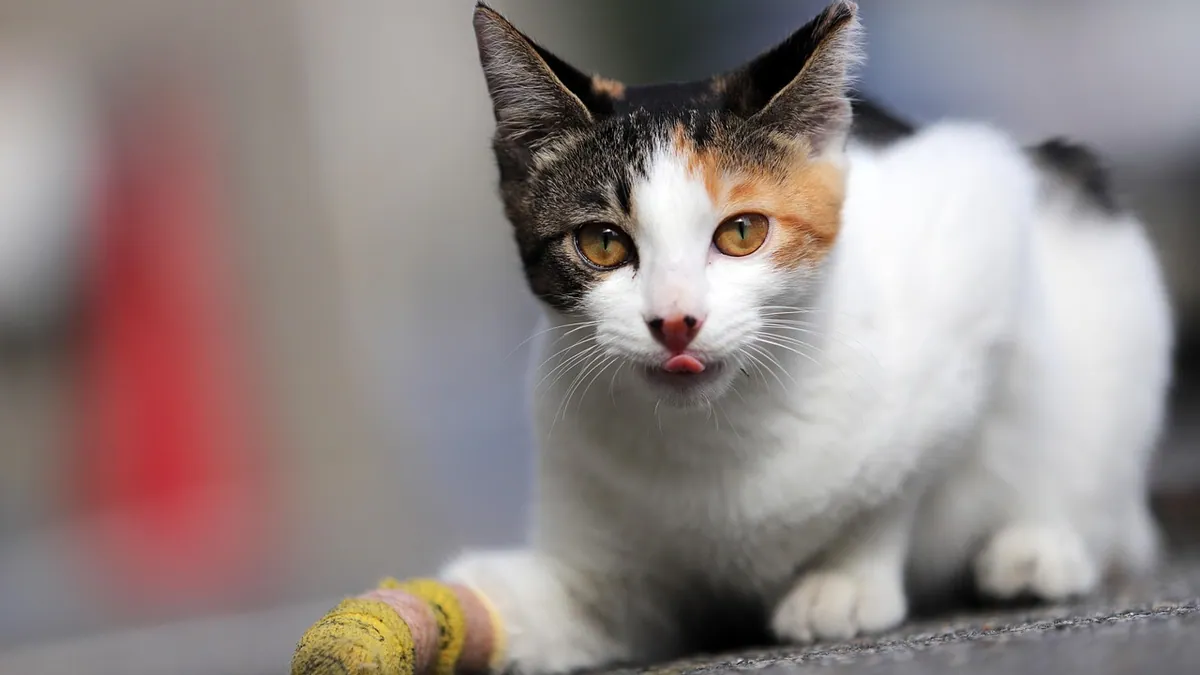
Burns in cats are painful injuries that often look minor at first and get worse over the next 24 to 48 hours. Treating burns in cats starts with stopping the source of heat or chemicals, cooling the area with plain water, and calling your veterinarian or an emergency clinic right away. This article is educational and is not a substitute for veterinary diagnosis or treatment.
Quick Answer
- Cool a thermal burn with room-temperature running water for at least 10 to 20 minutes, then cover it loosely with a clean, damp cloth.
- Never apply butter, oil, toothpaste, baking soda, hydrogen peroxide, alcohol, or human burn creams to a cat.
- Chemical burns need 15 to 20 minutes of water flushing, and you should call Poison Control or your vet while you flush.
- Any burn larger than a coin, any burn on the face, eyes, paws, or genitals, and any burn that blisters or turns black needs emergency care.
- Cats hide pain well, so a cat that seems "fine" after a burn still needs a veterinary exam within hours.
What a Burn Looks Like on a Cat
A burn is damage to the skin and sometimes deeper tissue from heat, chemicals, electricity, or radiation. Cats have thin skin and a coat that hides the surface, so the injury you can see is often smaller than the injury underneath.
Early signs include redness, swelling, and tenderness. The coat may look singed, curled, or smell scorched. Within a day or two, the skin may blister, ooze, peel, or turn white, gray, or black. Black or leathery skin means the tissue has died, and that is a serious burn.
Cats in pain may hide, stop grooming, limp, drool, squint, or refuse food. A cat with a burned paw often holds the leg up or licks the foot constantly. Because cats are good at masking discomfort, a calm cat is not proof that the burn is mild.
Sun exposure can also damage cat skin. The solar spectrum is about 9% ultraviolet light, and UVB causes redness and sunburn while UVA is linked to skin aging and skin cancer [1]. White cats and cats with thin fur on the ears, nose, and eyelids are at the highest risk.
Main Causes of Burns in Cats
Thermal Burns
A thermal burn comes from heat. Common household sources include stovetops, open oven doors, hot cooking oil, space heaters, candles, hot water, and heating pads. Cats who jump onto a hot surface or walk across a counter can burn their paws and belly before they realize what happened.
Fire and wildfire smoke are another cause. In a study of 108 cats exposed to northern California wildfires, 59.3% had at least one eye abnormality, most often on the eye surface, and 14 cats had corneal ulcers [2]. Burns from fires often affect the face, eyelids, and airways along with the skin.
Chemical Burns
Chemical burns in cats happen when a cat walks through a spilled cleaner, gets a product on the coat, or licks a substance off the fur. Drain cleaners, oven cleaners, bleach, pool chemicals, gasoline, and some fertilizers cause severe damage. The burn can keep worsening as long as the chemical stays on the skin, so flushing matters more than anything else you do at home.
Electrical Burns
Cats who chew cords can get electrical burns in the mouth. You may see singed whiskers, drooling, difficulty swallowing, or a burn at the corner of the mouth. Electrical burns can also cause fluid in the lungs, heart rhythm problems, and seizures, so they are always an emergency even when the mouth looks almost normal.
Sunburn
Sunburn is a radiation burn. It shows up as red, crusty, or ulcerated skin on the ear tips, nose, and eyelids. Over time, repeated sun damage can lead to squamous cell carcinoma, an invasive and fast-growing cancer that is often resistant to healing. Treatment for these lesions may require aggressive surgery such as removing part of the ears or nose, plus laser therapy [1].
| Cause | Typical clues | How urgent |
|---|---|---|
| Thermal (stove, hot liquid, heater) | Singed fur, redness, blisters, paw held up, pain when touched | Emergency if larger than a coin or on face, paws, or belly |
| Chemical (cleaners, gasoline, pool chemicals) | Wet or oily coat, strong odor, redness, drooling, mouth pain | Emergency now, flush with water while calling for help |
| Electrical (chewed cord) | Burn at mouth corner, drooling, trouble swallowing, coughing | Emergency now, internal injury is possible |
| Sunburn (UV light) | Red or crusty ear tips, nose, eyelids, worse in summer | Same-day vet visit, higher risk in white cats |
Red Flags That Mean Emergency Care Now
Go to an emergency clinic immediately if you see any of these:
- The burn is bigger than a coin, or there are several burns.
- The burn is on the face, eyes, ears, mouth, paws, belly, or genitals.
- The skin is white, gray, black, or leathery.
- The cat is drooling, coughing, wheezing, or breathing fast.
- The cat cannot stand, seems weak, or has a seizure.
- The burn came from a live electrical cord.
- The burn came from a strong chemical, especially drain cleaner or pool chemical.
- The cat is not eating, is hiding, or cries when you touch the area.
Burns that cover a large area can cause dehydration, infection, and shock. A cat with a burn over a big part of the body may need intravenous fluids, pain control, and wound care in the hospital.
Safe First Aid at Home While You Wait
Your goal is to stop the damage and keep the cat comfortable until a veterinarian sees them. Do not try to fully treat the burn yourself.
For Thermal Burns
- Move the cat away from the heat source.
- Run room-temperature water over the burn for at least 10 to 20 minutes. Cool water limits how deep the burn goes.
- Do not use ice, ice packs, or very cold water. Cold can damage the skin further and drop the cat's body temperature.
- Cover the area with a clean, damp cloth or a nonstick gauze pad.
- Keep the cat warm with a blanket over the parts that are not burned.
- Call your vet or an emergency clinic and describe the burn.
For Chemical Burns
- Put on gloves so you do not get the chemical on your skin.
- Flush the area with plain room-temperature water for 15 to 20 minutes. If the chemical is a powder, brush off what you can before flushing.
- Do not scrub the skin or try to neutralize the chemical with vinegar, baking soda, or anything else. Neutralizing agents can cause more heat and more damage.
- If the cat licked the chemical, rinse the mouth gently and call for help right away.
- Call your veterinarian or an animal poison control hotline while you flush.
For Electrical Burns
Do not touch the cat until the cord is unplugged from the wall. Then call an emergency clinic. Electrical burns need a heart and lung exam, and the cat may need oxygen and monitoring.
What Never to Apply
Do not put any of these on a cat burn:
- Butter, margarine, or cooking oil
- Toothpaste
- Baking soda or cornstarch
- Hydrogen peroxide, rubbing alcohol, or witch hazel
- Human antibiotic ointments or burn creams
- Essential oils or herbal salves
These products trap heat, irritate tissue, or are toxic when the cat licks them off. If you are wondering about an ointment for burns in cats, the honest answer is that the right product depends on the burn, and your veterinarian should choose it. For general wound cleaning guidance, see How to Safely Clean a Cat's Wound at Home: First Aid Steps.
What Your Veterinarian Will Check
Your vet will start with a full physical exam and a body temperature. They will look at how deep the burn goes, estimate the percentage of the body affected, and check the eyes, mouth, and airways. If the burn is near the eye, they may use a fluorescein stain to look for corneal ulcers, which is the same test used in wildfire-exposed cats [2].
Blood work helps show dehydration, infection, and organ stress. Your vet may also take a wound swab to check for bacteria. Pain control is a priority because burns are genuinely painful, and burn-related nerve damage can cause chronic pain in some patients [3].
Treatment depends on the burn. Options include:
- Cool water lavage and gentle cleaning
- Surgical debridement to remove dead tissue
- Prescription antibiotics, given topically or by mouth
- Prescription pain medication, with the dose calculated from your cat's weight and health
- Bandages changed on a schedule
- Eye lubricants every 4 to 6 hours and topical antibiotics for eye burns [2]
For deeper or slow-healing wounds, veterinarians have several newer options. Medical-grade honey supplemented with vitamins C and E has been used successfully in cats and dogs with thermal, chemical, and surgical burns [4]. Topical oxygen therapy combined with hyaluronic acid improved wound healing scores in dogs and cats with open wounds [5]. Fluorescent light energy improved wound scores in cats with surgical and traumatic wounds over three weekly sessions [6]. Maggot debridement therapy achieved complete debridement within 48 to 96 hours in 80% of treated wounds in one small case series of cats and dogs [7]. Fish skin grafts are also being studied as an alternative when a cat's own skin cannot be grafted [8].
Most of these are specialty options, and your vet will pick what fits your cat's wound, age, and other health problems.
Aftercare and Monitoring at Home
Follow your vet's instructions exactly. Most burns need rechecks, sometimes every few days at first, because the wound can change quickly in the first 48 hours.
At home:
- Keep the bandage clean and dry. Call if it slips, gets wet, or smells bad.
- Use only the medications your vet prescribed. Do not add anything from your medicine cabinet.
- Watch for increased redness, swelling, discharge, or a bad odor. These suggest infection. For more on skin infections, see Cat Skin Infection: Signs and Treatment Options.
- Keep the cat indoors and away from the heat source or chemical until the wound heals.
- Use a cone if your cat licks or chews the area. Self-trauma can reopen a healing burn.
- Offer soft food and water often. Pain and stress can reduce appetite.
If the burn was near the eye, watch for squinting, tearing, or a cloudy eye. These signs mean the eye needs another exam. For eye-specific guidance, see Cat Eye Injury: Signs, First Aid, and When to See the Vet.
Prevention
Most cat burns are preventable with a few changes around the house.
- Keep cats out of the kitchen while you cook, and never leave hot oil or a hot pan unattended.
- Check that stove knobs cannot be turned by a cat jumping onto the counter.
- Put space heaters behind a barrier and turn them off when you leave the room.
- Store cleaners, pool chemicals, and gasoline in closed cabinets a cat cannot open.
- Cover or hide electrical cords, and unplug what you can.
- Limit sun exposure for white cats and cats with thin ear and nose fur, especially between 10 a.m. and 4 p.m.
- Ask your vet about pet-safe sunscreen for high-risk cats, and never use a human product without checking first.
Limitations and When to Contact a Veterinarian
This article cannot tell you how deep your cat's burn is or whether the eyes, mouth, or airways are involved. Only a veterinarian can examine the tissue, test for corneal damage, and prescribe the right pain control and wound care. Individual cases need a veterinarian.
Contact a veterinarian the same day for any burn that is small, shallow, and on a low-risk part of the body. Go to an emergency clinic now for a large burn, a burn on the face, eyes, paws, or genitals, black or white skin, breathing trouble, weakness, or an electrical injury. If you are unsure, call first. It is always safer to have a burn checked early than to wait and find out it was worse than it looked.
Frequently Asked Questions
Can a cat burn heal on its own?
Very small, shallow burns can heal with veterinary care and home monitoring, but they still need an exam. Burns often look worse on day two or three than they did on day one, and infection is common. Do not assume a burn will heal on its own just because your cat is acting normal.
What should I put on a cat burn?
For first aid, use only cool water and a clean damp cloth. Do not apply butter, oil, toothpaste, peroxide, alcohol, or human burn creams. Your veterinarian will choose the right topical product after examining the wound, and some burns need prescription medication instead of an over-the-counter ointment.
How do I know if my cat's paw is burned?
A burned paw often looks red, swollen, or blistered, and the cat may limp, hold the leg up, or lick the foot constantly. The pads may look shiny, cracked, or darker than usual. Because paw burns are painful and easy to infect, have your vet check it instead of waiting.
Are chemical burns worse than thermal burns?
Chemical burns can be worse because the chemical keeps damaging the skin until it is fully flushed away. That is why 15 to 20 minutes of water flushing matters so much. Both types need veterinary care, and both can worsen over the first day or two.
Can I give my cat human pain medicine for a burn?
No. Never give a cat ibuprofen, acetaminophen, aspirin, or any human pain reliever. These drugs can be severely toxic to cats. Pain control for burns is prescription-only, and your veterinarian will calculate the dose based on your cat's weight and health.
Related Articles
- Cat Skin Infection: Signs and Treatment Options
- Cat Eye Injury: Signs, First Aid, and When to See the Vet
- How to Safely Clean a Cat's Wound at Home: First Aid Steps
- What Is The Treatment For Cat Scratch Disease
- Treating Urinary Tract Infection In Cats
- What To Use For Conjunctivitis In Cats
- Thermal Burns in Cats: First Aid and Treatment
- What Does a Burn Look Like on a Cat? Signs and First Aid
- What to Do If Your Cat Gets Burned: Immediate Steps
References
- Pet Sunburn in Cats and Dogs. Pet Poison Helpline.
- Clinical signs, treatment, and outcomes for ophthalmic thermal injury in 108 cats exposed to northern California wildfires between 2015 and 2020. Journal of the American Veterinary Medical Association, 2025.
- Evaluation of an indirect NaV1.7 inhibitor as adjunctive analgesic in burn-related neuropathic pain in a cat. Veterinary anaesthesia and analgesia, 2025.
- Vitamin-supplemented medical-grade honey for burn wound management in cats and dogs: a retrospective case series. Open veterinary journal, 2026.
- Topical oxygen therapy with hyaluronic acid improves wound healing in small animals. Journal of the American Veterinary Medical Association, 2026.
- Fluorescent Light Energy in Feline Surgical and Traumatic Wounds: A Prospective Single-Arm Pilot Study of Healing Progression and Bacterial Findings. Veterinary medicine and science, 2026.
- Case series of maggot debridement therapy demonstrates safety and efficacy for treating problematic wounds in cats and dogs in Mexico. Topics in companion animal medicine, 2025.
- From the Ocean to the Operating Room: The Role of Fish Skin Grafts in Burn Management-A Systematic Review. Journal of clinical medicine, 2025.