Dog Limping From a Broken or Split Nail: What to Do
By Dr. Zubair Khalid, DVM, MS, PhD ·
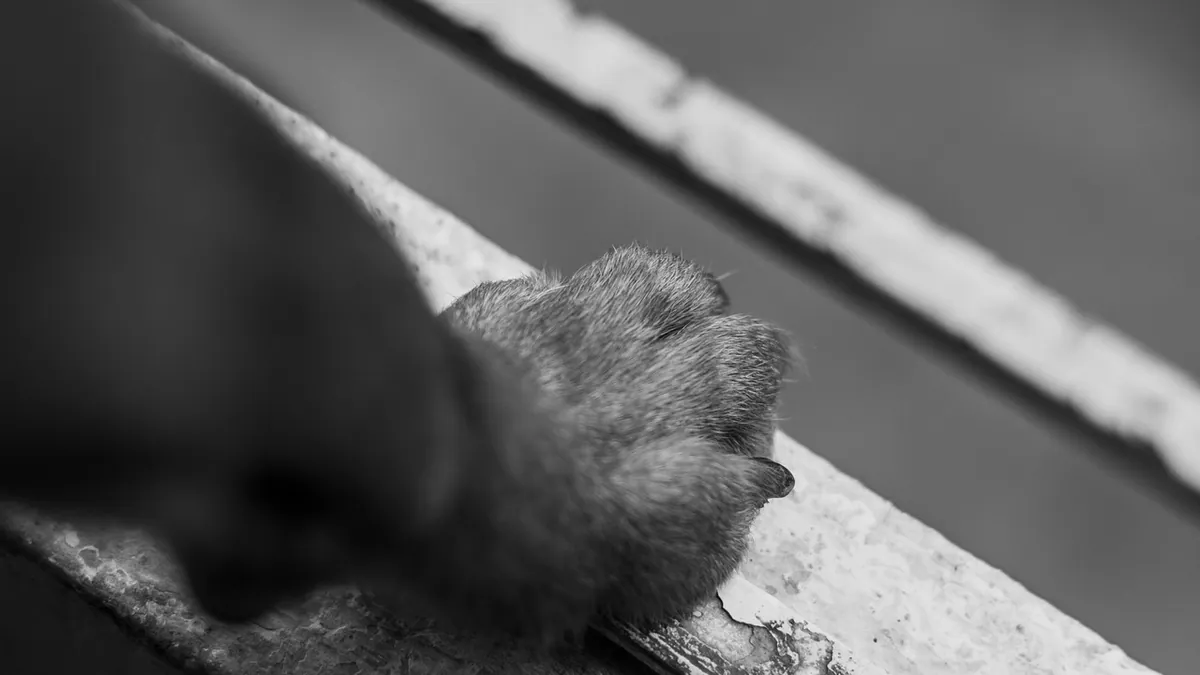
A dog limping due to a broken nail is usually painful but rarely life threatening, and most cases can be managed at home if the nail is only cracked or split. The problem is telling a minor split apart from a torn nail that exposes the quick, bleeds heavily, or invites infection. This article is educational and is not a substitute for veterinary diagnosis or treatment.
Quick Answer
- A small crack or split at the tip of the nail often causes mild limping and can be monitored at home.
- A nail torn back toward the base, bleeding that will not stop, or a nail hanging by tissue needs same-day veterinary care.
- To slow bleeding, apply direct pressure with a clean cloth or styptic powder and keep your dog quiet.
- Do not pull off a partially attached nail yourself, and do not let your dog lick the paw.
- Any limping that lasts more than a day or two, or that gets worse, deserves a veterinary exam.
What a Nail Problem Looks Like and What Is Normal
Dogs limp for many reasons. Lameness means something painful is interfering with normal use of a limb, and it can range from mild stiffness to a complete inability to bear weight [1]. When the cause is a nail, the limping often comes on suddenly, and your dog may hold the paw up, lick it constantly, or refuse to walk on certain surfaces.
Normal nails are smooth, curve gently toward the ground, and do not touch the floor when your dog stands. A healthy nail also has no visible crack, no swelling at the base, and no odor. If your dog has long nails that click on hard floors, the nails can catch on carpet, grates, or cracks and tear.
Some dogs limp only when they first get up and then seem fine. Others limp after a long walk or a run. Because dogs cannot tell us where it hurts, a hands-on exam is the only reliable way to find the source of pain [1]. A video of your dog limping at home can be very helpful, since some dogs move normally once they arrive at the clinic [1].
Main Causes of Nail-Related Limping
Split Nail
A split nail is a crack that runs along the length of the nail, often starting at the tip. If the split stays in the hard outer shell and does not reach the quick (the blood and nerve supply inside the nail), your dog may limp a little or not at all. These often happen when a nail is too long and catches on something.
Broken Nail
A broken nail is a partial fracture, usually across the nail. If the break is near the tip, it may be minor. If it crosses the quick, it bleeds and hurts much more. This is one of the most common paw injuries owners see, and it often looks worse than it is.
Torn Nail
A torn nail is partly or completely ripped away from the nail bed. This is the most serious nail injury. The nail may hang sideways, the base may bleed steadily, and the exposed tissue is open to infection. A torn nail usually needs a veterinarian to trim or remove the damaged part and to treat the wound.
Long Nails
Overgrown nails change how your dog's paw meets the ground. They can press into the paw pad, twist the toe, or catch and tear. If your dog is limping and you notice long nails, trimming them may be part of the fix, but a torn or infected nail still needs to be ruled out.
Other Causes That Mimic Nail Pain
Not every limping dog has a nail problem. Common causes include a torn cranial cruciate ligament, which is the most frequent cause of hind limb lameness in dogs [1][2]. Less common causes include bone infections, fractures, cysts, and tumors that can cause lameness and joint swelling [3][4][5]. A nail exam is quick, but if the nails look normal, your veterinarian will look further.
| Cause | Typical clues | How urgent |
|---|---|---|
| Split nail (tip only) | Small crack, mild limp, little or no bleeding | Routine, monitor at home |
| Broken nail across the quick | Bleeding, yelping, holds paw up | Same-day vet if bleeding will not stop |
| Torn nail | Nail hanging, exposed tissue, steady bleeding | Same-day or emergency |
| Long nails | Nails click on floor, splayed toes | Routine, trim and monitor |
| Nail bed infection | Swelling, redness, odor, pus | Same-day vet |
| Joint or bone problem | Swollen joint, stiffness, no nail damage | Same-day vet |
Red Flags That Make It an Emergency
Call your veterinarian right away or go to an emergency clinic if you see any of these:
- Bleeding that does not slow after 10 to 15 minutes of steady pressure.
- A nail that is torn back to the base or hanging by a strand of tissue.
- The toe or paw is swollen, hot, or has a bad smell.
- Your dog will not put the paw down at all or cries when you touch it.
- You see exposed pink or red tissue where the nail should be.
- Your dog is lethargic, has a fever, or is not eating.
- The limping started after a fall, a car accident, or a fight with another animal.
A dog that cannot bear weight on a limb needs a veterinary exam, because lameness can involve muscles, joints, bones, or the nervous system [1]. If your dog is limping but you are not sure whether it is a sprain or a break, see Dog Limping: How to Tell If It's a Sprain or a Break.
Safe Things You Can Do at Home While Waiting
Stop the Bleeding
Apply firm, direct pressure with a clean cloth, gauze, or a towel. If you have styptic powder made for pets, press a pinch onto the bleeding tip. Keep your dog calm and quiet, because excitement raises blood pressure and can restart bleeding. Do not use human products that are not labeled for pets unless your veterinarian tells you to.
Keep the Paw Clean and Dry
Rinse the paw gently with plain water or saline. Pat it dry. Cover the paw with a clean sock or a light bandage for the trip to the vet or until the bleeding stops. Change the covering if it gets wet or dirty. A wet bandage can soften the tissue and make infection more likely.
Prevent Licking and Chewing
Dogs instinctively lick a painful paw, which can reopen the wound and introduce bacteria. Use an Elizabethan collar or a soft cone if your dog will not leave the paw alone. Do not let your dog chew at the nail or pull it off.
Do Not Pull the Nail
If the nail is partly attached, leave it alone. Pulling it can tear the quick and cause heavy bleeding. Your veterinarian has the tools and pain control to remove it safely.
Limit Activity
Restrict your dog to short leash walks for bathroom breaks. Avoid stairs, rough ground, and hard play until the paw has been checked. If your dog is limping on a front leg, you may find more guidance in Dog Limping Front Leg What To Do.
When to Use a Muzzle
Even the sweetest dog may snap when a painful paw is handled. A basket muzzle or a soft muzzle can keep everyone safe during first aid. Never leave a muzzle on an unsupervised dog.
What Your Veterinarian Will Check and Test
Your veterinarian will start with a full history. They will ask when the limping started, whether it came on suddenly or gradually, and whether it has gotten better or worse [1]. They will watch your dog walk and may ask you to show a video from home, since some dogs move normally in the clinic [1].
Next comes a hands-on exam. The veterinarian will check each toe, the nail beds, the paw pads, and the joints above the paw. They will look for swelling, heat, pain, and any sign of infection. They may also check the nails on all four paws, because a problem on one nail can change how your dog walks and put stress on the others.
If the nail injury is clear, treatment may be simple. The veterinarian may trim the broken part, smooth a sharp edge, clean the wound, and apply a bandage. If the nail is torn, they may remove it under local or general anesthesia. They may prescribe antibiotics if infection is present or likely, and pain medication for home. The dose is calculated from your dog's weight and health, so never give human pain relievers, which can be toxic to dogs.
If the nails look normal or the limping does not match a nail injury, your veterinarian will look for other causes. They may take X-rays to check the bones and joints. In complex cases, advanced imaging such as CT or MRI may be recommended [6]. Blood work can help rule out infection or other illness. A thorough exam matters because lameness has many possible sources, and delayed diagnosis can affect treatment options and outcome [6].
Prevention and Monitoring
The best prevention is regular nail care. Trim your dog's nails every three to four weeks, or as often as your veterinarian recommends. If you are not comfortable trimming, ask your vet or a groomer to show you how. Keep the nails short enough that they do not touch the floor when your dog stands.
Check the paws after every walk, especially after hikes, beach trips, or time in tall grass. Look for cracks, splits, foreign objects, and swelling. Keep the hair between the paw pads trimmed so it does not collect ice, mud, or burrs.
If your dog has a minor split nail, check it daily for a few days. Watch for increased limping, swelling, redness, or discharge. A nail that was mildly sore should improve within a day or two. If it does not, call your veterinarian.
If your dog has had one torn nail, they are more likely to have another, especially if the nails stay long. Set a trimming schedule and stick to it. For more on home care after a nail injury, see Dog Broken Nail: How to Stop Bleeding and When to Call the Vet.
Limitations and When to Contact a Veterinarian
This article cannot tell you whether your dog's nail is split, broken, or torn. Only a veterinarian can examine the nail, check the quick, and decide on treatment. Individual cases need a veterinarian, and the timing depends on what you see.
Contact your veterinarian the same day if your dog is limping and you see a cracked, split, or torn nail, if the nail is bleeding, or if the paw is swollen. Go to an emergency clinic now if bleeding will not stop after 10 to 15 minutes of pressure, if the nail is torn back to the base, if the toe is deformed, or if your dog is lethargic, vomiting, or cannot bear weight at all.
Schedule a routine visit if the limping is mild, the nail looks only slightly cracked, and your dog is eating, drinking, and acting normally. Even then, do not wait more than a day or two. A minor nail problem can become an infection, and a nail that seems minor can be the first sign of a deeper problem.
Frequently Asked Questions
Should I pull off a broken nail myself?
No. Pulling a broken nail can tear the quick, cause heavy bleeding, and leave an open wound that can get infected. If the nail is partly attached, cover the paw and let your veterinarian remove it safely.
How long does a broken nail take to heal?
A minor split at the tip may stop hurting within a day or two. A torn nail that is removed by a veterinarian often takes one to two weeks to heal, depending on the damage and whether infection is present. Your veterinarian will give you a specific timeline after the exam.
Can I give my dog human pain medication for a nail injury?
No. Common human pain relievers can be toxic to dogs, and the correct pet-safe dose depends on your dog's weight and health. Call your veterinarian before giving any medication, including over-the-counter products.
What if my dog keeps licking the paw?
Licking keeps the wound wet, delays healing, and adds bacteria. Use an Elizabethan collar or a soft cone until the paw is healed. If your dog will not tolerate a cone, ask your veterinarian about other options.
When can my dog go back to normal walks?
Wait until your dog is walking normally and your veterinarian says it is safe. Start with short leash walks on soft ground, then build up slowly. If the limping returns, stop and call your veterinarian.
Related Articles
- Dog Broken Nail: What Should You Do?
- Dog Limping: How to Tell If It's a Sprain or a Break
- Dog Limping Front Leg What To Do
- Dog Limping Front Paw Reddit
- Dog Broken Nail: How to Stop Bleeding and When to Call the Vet
- Dog Limping Front Right Paw
- Split Nail in Dogs: What to Do and How to Treat It
- Dog Losing a Nail: What to Do and When to Vet
- Dog Ripped Out a Nail: Quick Care and Healing Steps
References
- What to expect when taking your limping dog to the veterinarian. Cornell University College of Veterinary Medicine.
- Zlig ligament reconstruction versus tibial plateau leveling osteotomy for cranial cruciate ligament rupture in dogs: a prospective controlled study. Frontiers in veterinary science, 2026.
- Osteolytic metastases from a pheochromocytoma presenting as multiple limb lameness and joint swelling in a dog: a case report. Frontiers in veterinary science, 2025.
- Case Report: Distal tibial physeal fracture secondary to septic physitis and osteomyelitis in a Boxer puppy. Frontiers in veterinary science, 2026.
- Non-Oncological Progression of an Aneurysmal Bone Cyst (ABC) in a Puppy Following Surgical Treatment. Animals : an open access journal from MDPI, 2026.
- Diagnosing Thoracic Limb Lameness in Dogs. The Veterinary clinics of North America. Small animal practice, 2026.