Excessive Licking After Surgery in Dogs: Normal or Problem?
By Dr. Zubair Khalid, DVM, MS, PhD ·
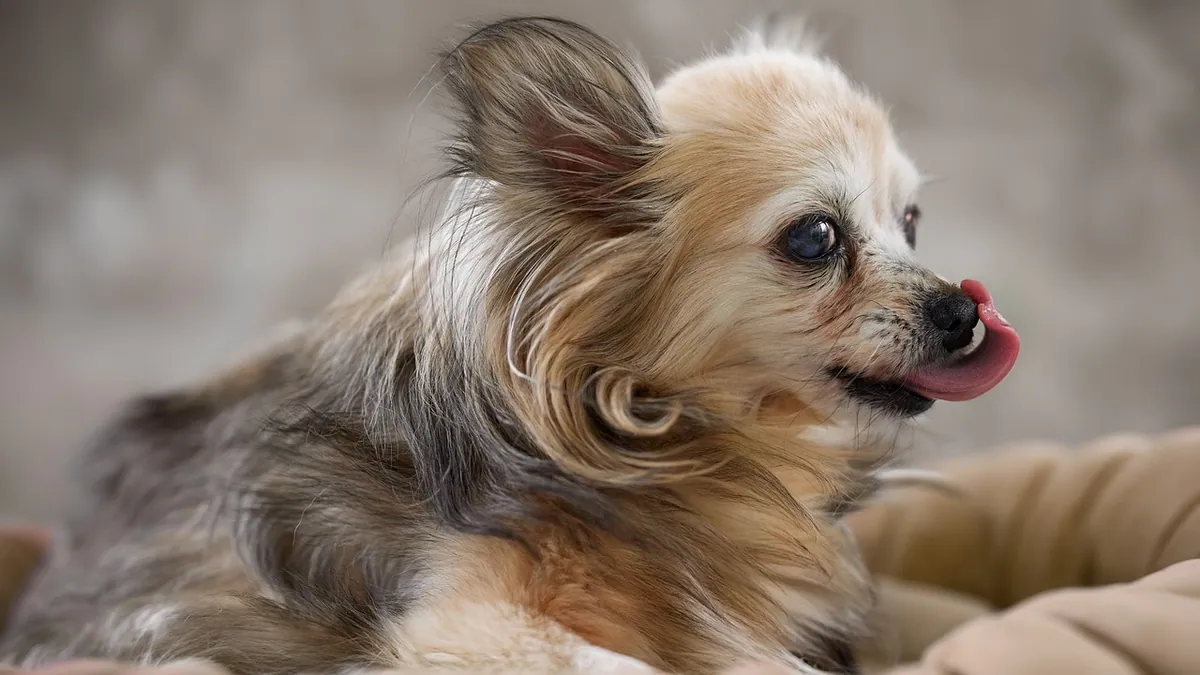
Some licking after surgery is normal as your dog cleans and explores the incision area. Excessive licking in dogs after surgery becomes a problem when it is constant, focused on one spot, or starts damaging the skin and stitches. The line between normal and harmful can be hard to see at home, so this guide walks you through what to watch for and when to call your veterinarian.
This article is educational and is not a substitute for veterinary diagnosis or treatment.
Quick Answer
- A few brief licks at the incision, especially in the first day or two, are common and usually harmless.
- Constant, obsessive licking that keeps your dog awake, reopens the wound, or leaves it red and wet is not normal and needs a recheck.
- An Elizabethan collar (cone) or other barrier is one of the most reliable ways to stop licking, and its use was linked to lower surgical site infection risk in one study of dogs after spay surgery [1].
- Licking can signal pain, so uncontrolled pain after surgery is a medical issue, not a behavior problem [2].
- Redness, swelling, discharge, a bad smell, or a gaping incision are signs to call your veterinarian the same day.
What Post-Op Licking Looks Like and What Counts as Normal
Most dogs lick their incision at some point after surgery. The skin is healing, the area may itch, and the surgical site smells unfamiliar to them. A short lick here and there, followed by your dog settling down or moving on to something else, is generally not a concern.
Normal post-op licking tends to look like this:
- Brief, occasional licks, not a steady rhythm
- Your dog stops when you distract them with a toy, a treat, or a walk
- The incision stays dry, closed, and its normal color
- Your dog eats, drinks, sleeps, and moves around much like usual
Problem licking looks different. Your dog may park themselves next to the incision and lick without stopping. They may ignore food or refuse to settle. The skin around the wound can turn bright red, look moist, or start to swell. You may see the stitches loosen or the edges pull apart.
If your dog has a history of licking paws or other body parts when stressed or uncomfortable, that pattern can carry over to the surgical site. You can read more about that behavior in Dog Excessive Licking: Anxiety, Allergies, or Pain?.
Main Causes of Excessive Licking in Dogs After Surgery
Licking after surgery usually comes down to a handful of reasons. Some are minor. Others need a phone call or a visit.
| Cause | Typical clues | How urgent |
|---|---|---|
| Normal healing and grooming | Brief licks, dog easily distracted, incision looks clean and dry | Not urgent, keep monitoring |
| Pain | Restlessness, whining, pacing, reluctance to move, licking that worsens when you touch near the site | Call your vet, pain control may need adjusting |
| Itching from healing skin or shaved fur | Licking starts a few days in, skin looks intact, no discharge | Usually routine, mention it at your recheck |
| Anxiety or stress | Licking plus panting, pacing, clingy behavior, trouble settling | Routine to same day, depending on severity |
| Infection at the surgical site | Redness, warmth, swelling, pus or cloudy discharge, bad odor, fever, poor appetite | Same day, this needs treatment |
| Irritation from sutures, staples, or a bandage | Licking focused right at the material, visible pulling or rubbing | Same day if the wound is opening, otherwise routine |
| Reaction to medication | Licking plus vomiting, drooling, wobbliness, or behavior change | Call your vet right away |
Pain deserves special attention. A study of small-breed dogs having orthopedic surgery found that dogs given multimodal analgesia, which combines several pain-relieving approaches, reached pain resolution faster and more consistently than dogs given single-drug protocols [2]. That tells you something useful at home. If your dog is licking nonstop and seems uncomfortable, the answer is often better pain control, not a stricter "no" command.
Anxiety is another common driver. Some dogs lick as a self-soothing behavior, and surgery, a cone, and a change in routine can all raise stress. If your dog's licking is tied to nervousness, your veterinarian can help you sort out the cause.
Red Flags That Mean Emergency or Same-Day Care
Call your veterinarian right away, or go to an emergency clinic, if you see any of these:
- The incision is open, with visible tissue underneath
- Bleeding that does not stop with gentle pressure
- A foul smell, thick yellow or green discharge, or pus
- Skin around the wound that is hot, bright red, or spreading
- Your dog is vomiting, has diarrhea, refuses food, or seems weak
- Difficulty breathing, collapse, or a swollen face or muzzle
- Your dog is crying, trembling, or cannot get comfortable despite medication
Surgical site infections are a real risk after many procedures. In one study of dogs having laparoscopic spay surgery, surgical site infections occurred in 7.2 percent of cases, and longer surgery time and Elizabethan collar use were identified as risk factors [1]. Another study of dogs having abdominal surgery found that infections raised total treatment costs by about 24 percent compared with dogs who did not develop an infection [3]. Catching a problem early is easier and cheaper than treating it late.
Safe Things You Can Do at Home While You Wait
You cannot diagnose an infection at home, but you can protect the incision and keep your dog comfortable until your veterinarian sees them.
Use a barrier. An Elizabethan collar, a soft recovery collar, or a surgical suit keeps your dog away from the wound. This is the single most effective step you can take. Do not rely on "watch them closely" alone, because licking often happens when you are asleep or out of the room.
Keep the incision clean and dry. Follow your discharge instructions exactly. Do not apply ointments, creams, or human medications unless your veterinarian told you to. Many over-the-counter products are not safe for dogs, and some slow healing.
Check the site twice a day. Look at the incision in good light. Note the color, any swelling, any discharge, and whether the edges are still together. Taking a photo each day helps you spot small changes.
Manage pain as prescribed. Give pain medication exactly as directed. Do not add human pain relievers. Your veterinarian calculates the dose from your dog's weight and health, and the wrong drug or dose can be dangerous.
Reduce boredom and stress. Short, leashed potty walks, food puzzles, chew toys that do not require jumping, and quiet time near you can all lower anxiety-driven licking. If your dog is licking paws or other areas too, see Dog Licking Paws Excessively: When to Worry and What to Do.
Keep the cone on when you cannot watch. Many owners take the collar off for meals or cuddles and then forget to put it back. Set a reminder if you need to.
What Your Veterinarian Will Check and Test
Your veterinarian will start with a hands-on exam of the incision and the surrounding skin. They will look for redness, swelling, warmth, discharge, and whether the wound edges are still lined up.
From there, they may:
- Take a sample of any discharge to look at under a microscope or send for culture
- Check your dog's temperature and heart rate
- Review the pain score and adjust the medication plan, sometimes switching to a multimodal approach that combines drugs and local anesthetics [2]
- Recheck the surgical site with imaging if a deep infection is suspected
- Ask about your dog's behavior at home, including sleep, appetite, and activity level
If your dog had eye surgery, keep in mind that complication rates vary a lot by procedure. One study comparing two eye removal techniques in dogs found complications in 54.1 percent of dogs after one procedure versus 15.3 percent after the other, and the authors stressed that owners need clear information about the extra postoperative care some procedures require [4]. That is a good reminder to ask your veterinary team what is expected for your dog's specific surgery.
Pain control after orthopedic surgery can also be supported in different ways. A study of dogs having knee surgery found that electroacupuncture did not significantly change pain scores compared with a control group, though pain scores were highest in the first two hours after surgery [5]. If you are curious about add-on options, ask your veterinarian what is supported for your dog's situation.
Preventing and Monitoring Problems After Surgery
Good aftercare lowers the odds of a setback.
- Follow the discharge instructions for activity restriction. Most surgeries need rest and controlled leash walks for a set number of days.
- Keep the cone or suit on until your veterinarian says it can come off.
- Attend every recheck. Early infections are easier to treat.
- Watch for changes in appetite, energy, and bathroom habits, not just the wound.
- Keep a simple log of what you see each day. Bring it to your recheck.
- Call with questions. Veterinary teams expect them after surgery.
If your dog keeps licking long after the incision has healed, the cause may be behavioral or skin-related instead of surgical. Articles like Dog Licking Paws A Lot and Dog Licking His Paws Excessively cover those patterns in more detail.
Limitations and When to Contact a Veterinarian
No article can tell you whether your dog's incision is infected. That requires an exam, and sometimes a lab test. Individual cases need a veterinarian who can see your dog and review their history.
Call the same day if you notice redness, swelling, discharge, a bad smell, a gaping wound, or a dog who seems painful despite medication.
Go to an emergency clinic now if there is heavy bleeding, breathing trouble, collapse, repeated vomiting, or a wound that has opened wide enough to see tissue underneath.
Schedule a routine visit if the licking is mild, the incision looks clean, and your dog is eating, drinking, and acting close to normal. Mention the licking at your next recheck so your veterinarian can decide whether the plan needs adjusting.
Frequently Asked Questions
How long is it normal for a dog to lick after surgery?
Brief, occasional licking can continue for several days while the incision heals. What matters is the pattern, not the clock. If licking is constant, keeps your dog from resting, or damages the skin, that is not normal and needs a call to your veterinarian.
Can licking actually cause an infection?
Yes. Licking introduces bacteria and moisture to the wound, and it can pull stitches loose or open the incision. Barrier methods like a cone or surgical suit help protect the site while it heals.
Should I take the cone off if my dog seems miserable?
Talk to your veterinarian before removing it. Many dogs adjust within a day or two, and there are softer collar options that still block licking. Removing the cone too early is a common reason wounds reopen.
Is licking a sign my dog is in pain?
It can be. Licking, restlessness, pacing, and trouble settling are all possible signs of discomfort. If your dog seems painful, call your veterinarian. They may adjust the pain plan, and combination protocols have been shown to control pain well in some surgical patients [2].
What if my dog will not stop licking even with a cone on?
Check that the collar fits correctly and that your dog cannot reach around it. If licking continues, your dog may need a different size, a different style, or a medication review for pain or anxiety. Call your veterinary team for guidance.
Can I use a human antibiotic cream on the incision?
No. Do not apply human medications or ointments unless your veterinarian specifically prescribed them. Some products irritate the skin, delay healing, or are toxic if your dog licks them off.
Related Articles
- Dog Excessive Licking: Anxiety, Allergies, or Pain?
- Dog Licking Paws Excessively: When to Worry and What to Do
- Dog Licking Paws Excessively
- Dog Licking His Paws Excessively
- Dog Licking Paws A Lot
- Dog Licking Paws Cancer
- Should Dogs Lick Their Wounds? What Vets Say
- Dog Spay Incision Care: Normal Healing vs Problems
- Dog Restless After Surgery or Anesthesia: What's Normal?
References
- Incidence and risk factors of surgical site infection in dogs undergoing laparoscopy ovariectomy. Multicentric prospective cohort study. Veterinary journal (London, England : 1997), 2025.
- Multimodal Analgesia Provides Superior Postoperative Pain Control Following Orthopedic Surgery in Small-Breed Dogs. Animals : an open access journal from MDPI, 2026.
- Surgical site infection following clean-contaminated abdominal surgery in dogs is associated with increased postoperative costs. Journal of the American Veterinary Medical Association, 2026.
- Enucleation versus evisceration with intraocular silicone prosthesis in dogs: Postoperative complication rate and owner satisfaction comparison. The Canadian veterinary journal = La revue veterinaire canadienne, 2026.
- Evaluation of postoperative analgesia with perioperative electroacupuncture in clinical dog patients undergoing surgery for cranial cruciate ligament rupture (Tibial Tuberosity Advancement). Veterinary journal (London, England : 1997), 2026.