Why Is My Cat's Skin Flaky? Causes and What to Do
By Dr. Zubair Khalid, DVM, MS, PhD ·
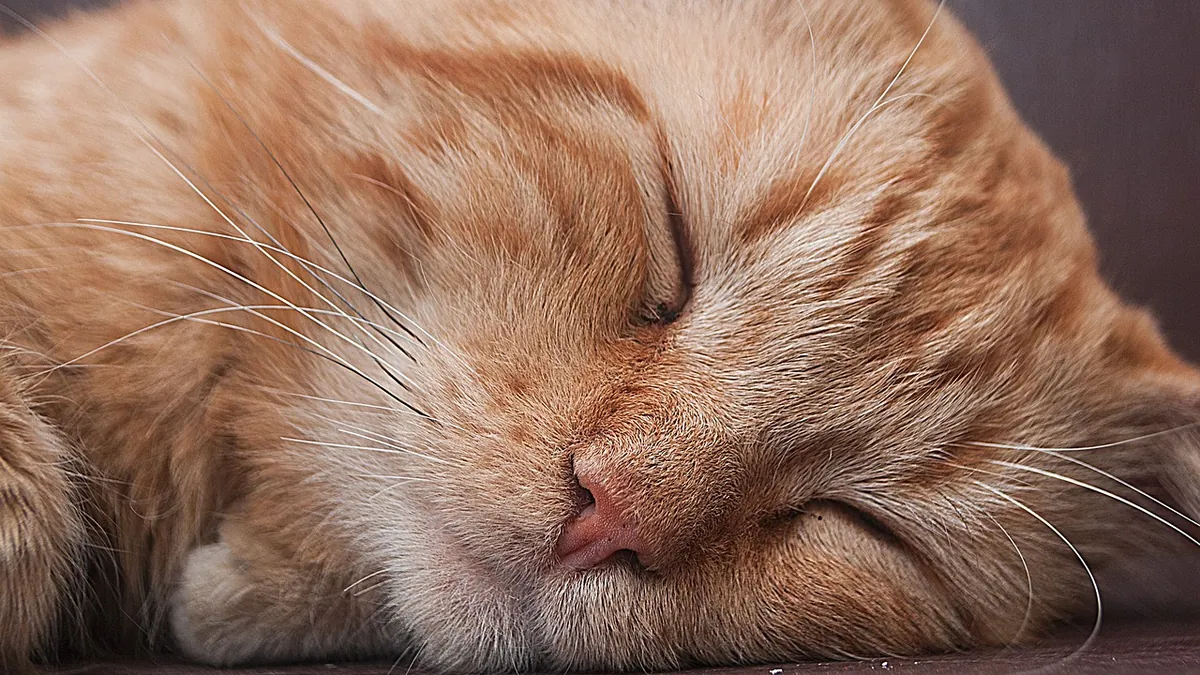
Flaky skin on a cat is usually a sign of an underlying problem, not a disease on its own. The most common reasons include external parasites, allergies, dry indoor air, and skin conditions that affect how the skin renews itself. When your cat's skin is flaky, the right next step depends on what else you see, such as itching, hair loss, or brown debris in the coat.
This article is educational and is not a substitute for veterinary diagnosis or treatment.
Quick Answer
- Flaking can be the first visible sign of dermatitis, a general term for skin inflammation from irritants, allergens, trauma, or infection [1].
- Cheyletiella mites and other external parasites are common causes, and they can look like dandruff that moves.
- Brown flakes often point to flea dirt, mite debris, or dried oils and skin cells instead of plain dryness.
- Most cats with flaky skin do not need an emergency visit, but itching, sores, or hair loss should be checked by a veterinarian.
- Do not start medicated shampoos, oils, or supplements until your veterinarian confirms the cause, because some treatments make parasites or allergies worse.
What Flaky Cat Skin Looks Like and What Is Normal
Every cat sheds dead skin cells. A small amount of dander is normal, especially in winter when indoor air is dry. Normal flaking is fine, white, and scattered through the coat. Your cat's skin underneath should be pale, smooth, and free of redness, scabs, or odor.
Flaky skin becomes a concern when it is heavy, greasy, yellow, brown, or paired with other changes. Signs of dermatitis include itching, scaling, abnormal redness, thickened skin, color changes, oil buildup, unusual odor, and hair loss [1]. A skin problem often starts with an underlying trigger that causes bumps, scabs, scales, or blisters, and the visible flakes are part of that process [1].
Run your fingers through your cat's coat once a week. Check the base of the tail, the back, the neck, and behind the ears. Part the fur and look at the skin itself. Note whether the flakes are dry or greasy, white or brown, and whether your cat scratches, chews, or overgrooms.
Common Causes of Flaky Skin in Cats
External Parasites
Fleas, lice, and mites are leading causes of scaling and itching. Cheyletiella mites are sometimes called walking dandruff because the flakes appear to move. These mites live on the skin surface and cause heavy scaling, often along the back. Your veterinarian can find them with a skin scraping or by examining tape samples under a microscope.
Flea dirt looks like brown flakes or specks and turns reddish-brown when you wipe it with a damp paper towel. Cats with fleas often scratch, bite, and develop scabs, especially near the tail base. Even indoor cats can pick up fleas from other pets or from the environment.
Allergies
Allergies to food, flea saliva, pollen, dust, or mold can inflame the skin and disrupt the normal skin barrier. The result is often itching, redness, and flaking. Cats with allergies may overgroom until bald patches appear. If your cat is itchy along with the flakes, see Why Is My Cat So Itchy? for a closer look at the itch-scratch cycle.
Dry Environment and Grooming Habits
Low humidity in heated homes pulls moisture from the skin. Older cats and cats that stop grooming because of arthritis, dental pain, or illness can develop a dull, flaky coat. Obesity makes it hard for cats to reach their back and tail base, so flakes and grease build up there.
Diet and Nutrition
Skin problems linked to poor diet are uncommon in cats fed modern, balanced commercial diets [2]. That said, some cats have individual food sensitivities, and a veterinarian may recommend a limited-ingredient or hydrolyzed diet trial. Do not switch foods on your own if your cat has other symptoms, because diet changes can mask or confuse the diagnostic picture.
Skin Conditions That Affect Renewal
Some cats have a keratinization defect, meaning the skin does not shed and renew normally. This can cause adherent scale, hair casts, poor coat quality, and thinning hair, and it has been described in young cats and dogs [3]. Sebaceous gland problems can also produce dry, brittle coats with scaling [3].
Whole-Body Disease
Skin changes sometimes reflect a problem inside the body. Dermatitis can occur with disorders of the liver, kidneys, or pancreas, and diabetes can cause itching and skin infections [2]. Fragile skin syndrome has been linked to pancreatic, liver, or adrenal disorders, and pancreatic cancer may cause crusting of the footpads and hair loss [2]. A cat with diabetes and hyperadrenocorticism can also show dermatologic abnormalities [4]. These cases usually come with other signs such as weight change, increased thirst, or lethargy.
Breed-Related Skin Problems
Some breeds have skin conditions tied to their genetics. Lykoi cats, for example, can develop a comedonal syndrome with papules and blackheads, ranging from mild scattered lesions to severe generalized involvement [5]. If you have a breed with known skin issues, tell your veterinarian.
Cause Table
| Cause | Typical clues | How urgent |
|---|---|---|
| Fleas and flea dirt | Brown specks, scratching near tail base, scabs | Routine visit, treat promptly |
| Cheyletiella mites | Heavy white flakes that seem to move, itching along the back | Routine visit, contagious to other pets |
| Allergies | Itching, redness, hair loss, seasonal or year-round | Routine visit, sooner if severe |
| Dry air or poor grooming | Fine white flakes, dull coat, no itching | Home care, monitor |
| Diet-related | Flakes with poor coat, sometimes digestive signs | Routine visit for diet trial |
| Keratinization defect | Adherent scale, hair casts, thin coat from a young age | Routine visit, may need biopsy |
| Whole-body disease | Flakes plus thirst, weight loss, lethargy, footpad crusts | Same-day or urgent visit |
Red Flags That Need a Veterinarian Now
Most flaky skin can wait for a scheduled appointment. Some signs mean your cat needs to be seen the same day or immediately.
Call your veterinarian today if your cat has open sores, oozing, a bad odor, or skin that tears easily. Fragile skin can break with normal handling and has been associated with serious internal disorders [2]. Also call if your cat stops eating, hides, vomits, drinks much more water than usual, or loses weight.
Go to an emergency clinic now if your cat has trouble breathing, collapses, has a swollen face or hives with vomiting, or has raw, bleeding skin from constant scratching. These can signal a severe allergic reaction or a deep infection.
Safe Things You Can Try at Home
Home care can ease discomfort while you wait for your appointment. It will not cure parasites, allergies, or internal disease, so keep the visit on the schedule.
Keep the Coat Clean and Calm
Brush your cat gently with a soft brush to remove loose flakes and spread natural oils. For short-haired cats, a rubber grooming mitt works well. Stop if the skin looks red or your cat flinches, because that suggests pain or inflammation.
A lukewarm bath with a gentle, cat-safe shampoo can remove surface debris. Do not use human dandruff shampoos, tea tree oil, or essential oils. Cats lick their coats, and many human products are toxic to them. If your cat hates water, skip the bath and use pet-safe grooming wipes instead.
Support Skin Health
Make sure your cat is eating a complete and balanced diet. If your veterinarian recommends an omega-3 supplement, follow the product label and your vet's guidance. Do not give human fish oil capsules without checking the dose, because your veterinarian calculates the dose from your cat's weight and health.
Manage the Environment
Run a humidifier in dry months. Wash your cat's bedding weekly in unscented detergent. Vacuum carpets and furniture often if fleas or mites are a concern, and treat all pets in the home at the same time. Cheyletiella mites can pass between pets, so a household plan matters.
Reduce Itching Safely
Keep your cat's nails trimmed to limit damage from scratching. Use a cone or soft collar if your cat is chewing a spot raw. Never apply hydrocortisone, antibiotic ointment, or human anti-itch creams unless your veterinarian prescribes them.
Watch for Worsening
Take photos of the flakes and any bare patches every few days. Note whether the problem is spreading, whether your cat is itchier at night, and whether new scabs appear. This record helps your veterinarian choose the right tests.
What Your Veterinarian Will Check and Test
Your veterinarian will start with a full history. They will ask about diet, flea prevention, other pets, indoor humidity, recent changes, and how long the flaking has been present. Then they will examine the whole cat, not just the flaky area.
Expect a close look at the skin and coat under good light. Your veterinarian may use a flea comb, a Wood's lamp, or a magnifying lens. They may press a glass slide against the skin to collect cells and debris.
Common tests include skin scrapings, tape preparations, and hair plucks to look for mites, bacteria, and yeast. A fungal culture or PCR test may be needed if ringworm is suspected. If allergies are likely, your veterinarian may discuss diet trials or referral to a dermatologist.
Blood work and urine testing help rule out whole-body disease. Diabetes, liver disease, kidney disease, and hormonal conditions can all change the skin [2][4]. In some cats, a skin biopsy is the only way to confirm a keratinization defect or an unusual condition [3][5].
Treatment depends on the diagnosis. Parasite treatment targets the specific mite or flea. Allergies may need medication, special diets, or immunotherapy. Bacterial and yeast infections need prescription therapy. Your veterinarian will calculate all medication doses based on your cat's weight and health.
Prevention and Monitoring
Prevention starts with routine parasite control. Use a flea and tick product your veterinarian recommends, and keep it up to date year-round. Treat all pets in the home, and wash bedding regularly.
Feed a complete and balanced diet and keep fresh water available. Brush your cat a few times a week, and check the skin during each session. Watch for early signs such as increased scratching, greasy fur, or a dull coat.
Keep your cat's weight in a healthy range. Overweight cats struggle to groom their backs and tails, which leads to buildup and flakes. If your cat stops grooming, that is a clue to a bigger problem, so mention it at the next visit.
If your cat has a chronic skin condition, keep a simple log. Record flare-ups, treatments, and any diet or environment changes. Patterns often reveal triggers that are hard to spot day to day.
For related reading, see Cat Itchy Skin: Causes and When to See the Vet and Cat Skin Rash on Paws: Causes and Home Care.
Limitations and When to Contact a Veterinarian
This article covers common patterns, but every cat is an individual. Flaky skin can look the same whether the cause is a mite, an allergy, or a disease inside the body. Only a veterinarian who examines your cat can tell the difference.
Contact your veterinarian the same day if you see open sores, oozing, a bad odor, skin that tears easily, or a sudden increase in scratching. Go to an emergency clinic now if your cat has trouble breathing, collapses, has facial swelling with vomiting, or has raw, bleeding skin. Schedule a routine visit if the flakes are mild but last more than two weeks, keep coming back, or come with hair loss, weight change, or a dull coat.
Frequently Asked Questions
Why does my cat have brown flakes on their skin?
Brown flakes are often flea dirt, which is digested blood that turns reddish-brown when wet. They can also be mite debris or dried oils and skin cells. A veterinarian can check a sample under the microscope to tell which one you are dealing with.
Can dry air cause flaky skin in cats?
Yes, low humidity in heated homes can dry out the skin and coat, especially in winter. A humidifier, regular brushing, and a balanced diet often help mild cases. If the flakes are heavy or your cat itches, look for another cause.
Is flaky skin in cats contagious to other pets?
Some causes are contagious, including fleas, lice, and cheyletiella mites. Allergies, dry air, and internal disease do not spread between pets. If more than one pet in your home is flaky or itchy, parasites are more likely.
Should I bathe my cat for flaky skin?
A gentle cat-safe bath can remove loose flakes and debris, but it will not fix the underlying cause. Avoid human shampoos, essential oils, and medicated products unless your veterinarian prescribes them. If your cat is stressed by baths, use grooming wipes instead.
How long does it take for flaky skin to improve?
It depends on the cause. Parasite treatment often works within days to weeks, while allergy and diet management can take several weeks to months. If there is no improvement after your veterinarian's plan, call for a recheck instead of switching products on your own.
Related Articles
- Why Is My Cat So Itchy?
- Why Is My Cat Suddenly Clingy?
- Why Is My Cat Sneezing?
- Cat Itchy Skin: Causes and When to See the Vet
- Cat Skin Rash on Paws: Causes and Home Care
- Why Is My Cat's Belly Swollen?
- Cat Dry Flaky Skin: What Helps and What to Avoid
- Seborrhea in Cats: Greasy or Flaky Skin and How to Treat It
- Why Is My Cat Greasy? Causes of Oily Fur and What to Do
References
- Dermatitis and Dermatologic Problems in Cats - Cat Owners. Merck Veterinary Manual.
- Whole-body Disorders that Affect the Skin in Cats - Cat Owners. Merck Veterinary Manual.
- Scaling dermatosis in three dogs associated with abnormal sebaceous gland differentiation. Veterinary dermatology, 2014.
- Diabetes mellitus remission in a cat with hyperadrenocorticism after cabergoline treatment. JFMS open reports, 2021.
- Clinical, histopathological and genetic features of a cutaneous adnexal polycystic syndrome in Lykoi cats: a prospective study of 10 cases. Journal of feline medicine and surgery, 2026.