What Does a Burn Look Like on a Cat? Signs and First Aid
By Dr. Zubair Khalid, DVM, MS, PhD ·
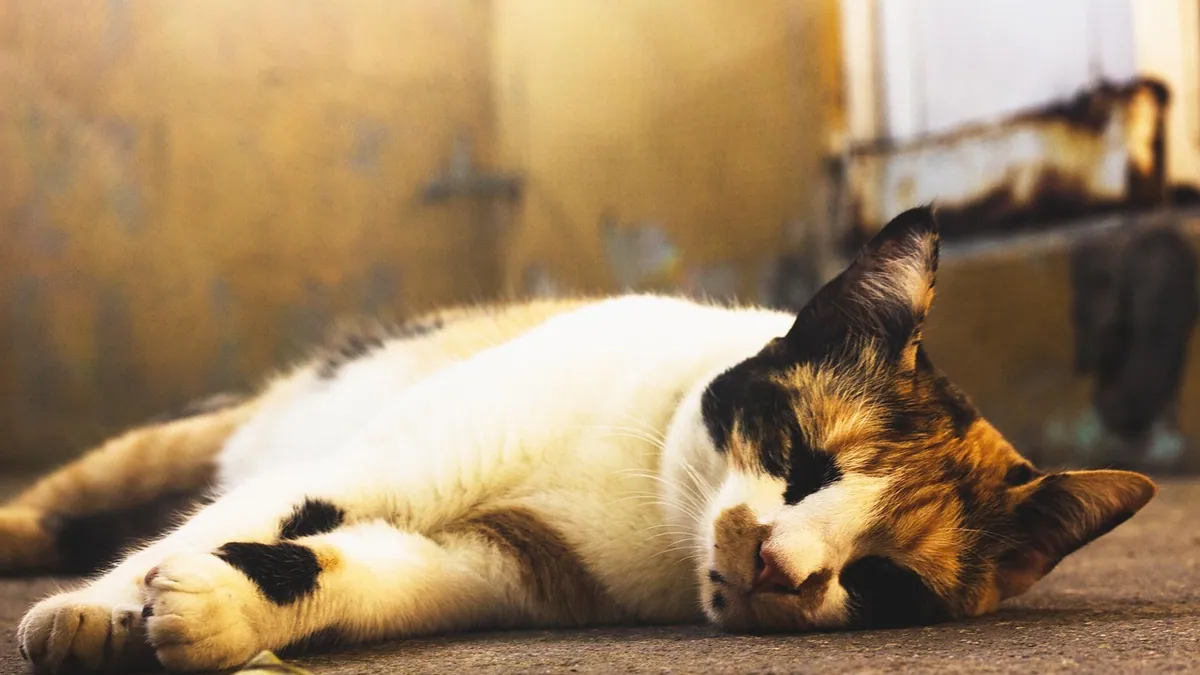
A burn on a cat usually shows up as red, swollen skin, a blistered patch, singed or missing fur, or skin that looks white, gray, or black. The damage can be worse than it first appears, because cat fur hides a lot of the injury. If you think your cat has been burned, treat it as a medical problem right away. This article is educational and is not a substitute for veterinary diagnosis or treatment.
Quick Answer
- Redness, swelling, blisters, singed fur, and blackened or white leathery skin are all possible signs of a burn on a cat.
- Thermal burns (hot water, stoves, heating pads), chemical burns (cleaners, bleach, antifreeze), and electrical burns (chewing cords) are the three main types.
- Footpads, the belly, the mouth, and the face are common burn sites because these areas have less fur protection.
- Cool a thermal burn with room-temperature running water for at least 10 to 20 minutes, then cover it loosely with a clean, damp cloth.
- Never put butter, oil, toothpaste, baking soda, or ice on a burn, and never give human pain pills to a cat.
What a Cat Burn Looks Like and What Is Normal
A burn is tissue damage caused by heat, chemicals, electricity, or radiation. On a cat, the visible signs depend on how deep the burn goes.
Superficial burns affect only the outer skin layer. You may see redness, mild swelling, and tenderness. The fur might look singed or curled at the tips.
Partial-thickness burns go deeper. The skin may blister, look moist, or turn dark red. Hair often falls out or pulls away easily.
Full-thickness burns destroy all skin layers. The area may look white, waxy, gray, or charred black. The skin can feel leathery. Oddly, these deep burns may hurt less at first because nerve endings are destroyed, but they are the most serious.
One important point: fur hides burns. A study of bushfire-affected animals found that burns on furred areas like the ear margins and back were actually more severe under the microscope than they appeared on the surface [1]. Footpad burns were also among the most common injuries in that group [1]. So a burn that looks minor on a furry cat may be worse than it seems.
Normal cat skin is pale pink to grayish, soft, and covered by a smooth coat. Normal footpads are smooth and slightly spongy. If you see raw, red, oozing, or blackened tissue where there should be intact skin, that is not normal.
Main Causes of Burns in Cats
| Cause | Typical clues | How urgent |
|---|---|---|
| Thermal (hot water, stoves, heaters, heating pads) | Red or blistered skin, singed fur, cat may cry out or hide, often on the belly, paws, or tail | Emergency. Cool the area and call your vet now. |
| Chemical (bleach, drain cleaner, antifreeze, lawn products) | Wet or oily fur, strong odor, drooling if the mouth is involved, redness or ulcers | Emergency. Rinse and call poison control or your vet right away. |
| Electrical (chewed cords, outlets) | Burn marks at the mouth corners, drooling, coughing, trouble breathing, collapse | Emergency. Electrical burns can cause fluid in the lungs and heart rhythm problems. |
| Sun or heat lamp | Redness on ear tips, nose, or thin-furred areas, often after sunbathing in a window | Same-day vet visit. |
| Friction or scalds from grooming tools | Localized redness or raw skin after a bath or blow-dry | Same-day vet visit. |
Thermal burns are the most studied type in cats. Cats rescued from California wildfires with thermal injuries often had heart changes, including thickened heart muscle and blood clots inside the heart, that showed up on ultrasound [2]. Platelet activation and a tendency toward clotting appear to play a role in these cats [3]. This is why a burned cat needs a full veterinary exam, not just wound care.
Chemical burns can happen from something as simple as a spilled cleaning product. Cats walk through spills and then lick their paws, which spreads the chemical to the mouth and gut. Chemical burns keep damaging tissue until the chemical is fully removed, so rinsing matters as much as any medication.
Electrical burns often happen to kittens and young cats who chew on phone chargers and lamp cords. The burn marks may be small, but the electricity can injure the heart and lungs. A cat with an electrical burn needs to be seen immediately.
Red Flags That Make It an Emergency
Call an emergency clinic right away if you see any of these:
- Skin that is white, gray, or black, or feels leathery
- Burns covering more than a small area, or burns on the face, mouth, belly, or genitals
- Singed whiskers, soot around the nose, or coughing after a fire
- Trouble breathing, noisy breathing, or open-mouth breathing (see Cat Difficulty Breathing: Emergency Signs and What to Do)
- Drooling, pawing at the mouth, or refusal to eat after a chemical or electrical burn
- Collapse, weakness, or an irregular heartbeat
- Burns from a house fire, even if the skin looks mild
Cats with serious burns can go into shock. A kitten with scalding burns arrived at a clinic dull, painful, and with a slow heart rate, which are signs of shock [4]. Shock is treatable but it moves fast, so do not wait to see if your cat improves on its own.
Safe First Aid You Can Do at Home
Your goal is to stop the burning, keep your cat warm and calm, and get to a vet. Do not try to fully treat the burn yourself.
For thermal burns:
- Move your cat away from the heat source.
- Run room-temperature water over the burn for at least 10 to 20 minutes. Cool water limits how deep the burn goes.
- Do not use ice or ice water. Ice can cause more tissue damage and drop your cat's body temperature.
- Cover the area with a clean, damp cloth or a nonstick dressing.
- Wrap your cat in a towel to keep it warm, then go to the vet.
For chemical burns:
- Put on gloves so you do not get the chemical on your skin.
- Brush off any dry powder before rinsing.
- Flush the area with lots of room-temperature water for 15 to 20 minutes.
- If the chemical is in the mouth or eyes, flush gently and continuously on the way to the vet.
- Bring the product container or a photo of the label with you.
For electrical burns:
- Unplug the cord or turn off the power at the breaker before you touch your cat.
- Do not touch your cat if it is still in contact with a live wire.
- Cover any visible burn with a clean cloth and go straight to the vet.
What not to put on a burn:
- Butter, oil, or grease
- Toothpaste, baking soda, or flour
- Hydrogen peroxide, alcohol, or iodine
- Human pain relievers like ibuprofen, acetaminophen, or aspirin, which are toxic to cats
- Ice packs
- Tight bandages, which can cut off circulation as the burn swells
Do not give any medication by mouth unless your veterinarian tells you to. Your vet calculates pain medication doses from your cat's weight and health status.
What the Veterinarian Will Check and Test
Your vet will start with a full physical exam, including the mouth, eyes, paws, and belly. They will check your cat's breathing, heart rate, gum color, and temperature to look for shock.
Burn depth is often underestimated on the surface. In one study, burns on furred areas and footpads scored worse under the microscope than they looked on exam [1]. Your vet may clip fur around the wound to see the true extent of the damage.
Because burns affect the whole body, your vet may also recommend:
- Blood work to check organ function, protein levels, and infection markers
- An echocardiogram (heart ultrasound), since cats with thermal burns can develop thickened heart muscle and blood clots in the heart [2][3]
- Chest imaging if smoke inhalation or electrical injury is possible
- Wound cultures if the burn looks infected
Treatment usually includes strong pain control, intravenous fluids, antibiotics if needed, and wound care. A kitten with severe scalding burns needed intravenous and regional pain relief, broad-spectrum antibiotics, fluid therapy, nutrition support, and surgical cleaning of the wounds [4]. Some burns need daily bandage changes or surgery. Your vet will set the plan based on how deep and how large the burn is.
Preventing Burns and Monitoring Recovery
Most cat burns are preventable.
- Keep cats out of the kitchen while cooking, and never leave hot pans or cups near counter edges.
- Test bathwater and heating pads with your own skin first. A kitten in the case report fell into a bath of scalding water [4].
- Store cleaners, antifreeze, and lawn chemicals in closed cabinets. Wipe up spills right away.
- Cover or hide electrical cords, and unplug chargers when not in use.
- Keep cats away from fireplaces, space heaters, and lit candles.
- Limit sun exposure for white or thin-coated cats, especially on the ears and nose.
During recovery, check the burn area at least once a day. Watch for more redness, swelling, bad smell, pus, or a cat that stops eating or hides. These can signal infection. A cat with burns also needs extra calories and protein to heal, and some cats need a feeding tube or special diet while they recover [4]. Keep all follow-up visits, because burn wounds can look stable and then worsen.
If your cat is not drinking well during recovery, watch for Cat Dehydration Symptoms: How to Tell and What to Do. If your cat strains to urinate or licks the genital area more than usual, that is a separate problem covered in What Are The Signs That My Cat Has A Urinary Tract Infection.
Limitations and When to Contact a Veterinarian
Burn care in cats is based largely on human medicine and research models, so some details are not well established in veterinary research [2]. That means your veterinarian's exam matters more than any general rule.
Contact a veterinarian the same day for any burn that is small, superficial, and on a furry area, even if your cat seems fine.
Go to an emergency clinic now for burns that are white, gray, or black, burns on the face, mouth, belly, or paws, burns from a fire or electrical cord, or any trouble breathing, drooling, collapse, or weakness.
Schedule a routine visit if a previously treated burn is not healing, if the fur is not growing back, or if you notice a new lump or color change at the site.
Every cat is different. A burn that looks mild on one cat can be deep on another, so let a veterinarian examine your cat instead of deciding on your own.
Frequently Asked Questions
Can a cat burn heal on its own?
Very small superficial burns may heal with home care, but most burns need veterinary treatment. Deep burns can worsen over the first few days, and infection is common. Have your vet look at any burn before you assume it will heal on its own.
How do I know if my cat's paw is burned?
A burned paw often looks red, swollen, or blistered, and the cat may limp, lick the paw constantly, or refuse to walk on hot pavement. Footpad burns are common and can be more severe than they appear [1]. If your cat will not put weight on a paw, see a vet.
Is it safe to put antibiotic ointment on a cat burn?
No, do not use human antibiotic ointments unless your veterinarian prescribes one for your cat. Some ingredients are toxic if your cat licks them off. Keep the burn covered with a clean damp cloth and let your vet choose the right topical product.
Can a cat get a burn from a heating pad?
Yes. Heating pads, hot water bottles, and heated beds can cause contact burns, especially on the belly and back where fur is thin. Cats may not move away from a heat source if they are old, sick, or asleep. Use only pet-safe warmers on the lowest setting, and check the skin afterward.
What should I do if my cat licked a chemical off its fur?
Rinse the fur and mouth with room-temperature water for 15 to 20 minutes and call your vet or a pet poison hotline right away. Do not induce vomiting unless a veterinarian tells you to. Bring the product label or a photo of it with you to the clinic.
Related Articles
- Cat Eye Injury: Signs, First Aid, and When to See the Vet
- What Are The Signs That My Cat Has A Urinary Tract Infection
- Cat Difficulty Breathing: Emergency Signs and What to Do
- Cat Dehydration Symptoms: How to Tell and What to Do
- Signs Of A Urinary Tract Infection In My Cat
- How To Know If Your Cats Choking
- Burns in Cats: Types, First Aid, and Treatment Options
- Cat Burned Paw on Stove: First Aid and When to Vet
- Thermal Burns in Cats: First Aid and Treatment
References
- Cutaneous and Respiratory Lesions in Bushfire-Affected Koalas. Veterinary sciences, 2023.
- Cats with thermal burn injuries from California wildfires show echocardiographic evidence of myocardial thickening and intracardiac thrombi. Scientific reports, 2020.
- Platelet Priming and Activation in Naturally Occurring Thermal Burn Injuries and Wildfire Smoke Exposure Is Associated With Intracardiac Thrombosis and Spontaneous Echocardiographic Contrast in Feline Survivors. Frontiers in veterinary science, 2022.
- Nutritional management of a kitten with thermal burns and septicaemia. JFMS open reports, 2020.