Cat Gastroenteritis: Home Treatment and Medicines
By Dr. Zubair Khalid, DVM, MS, PhD ·
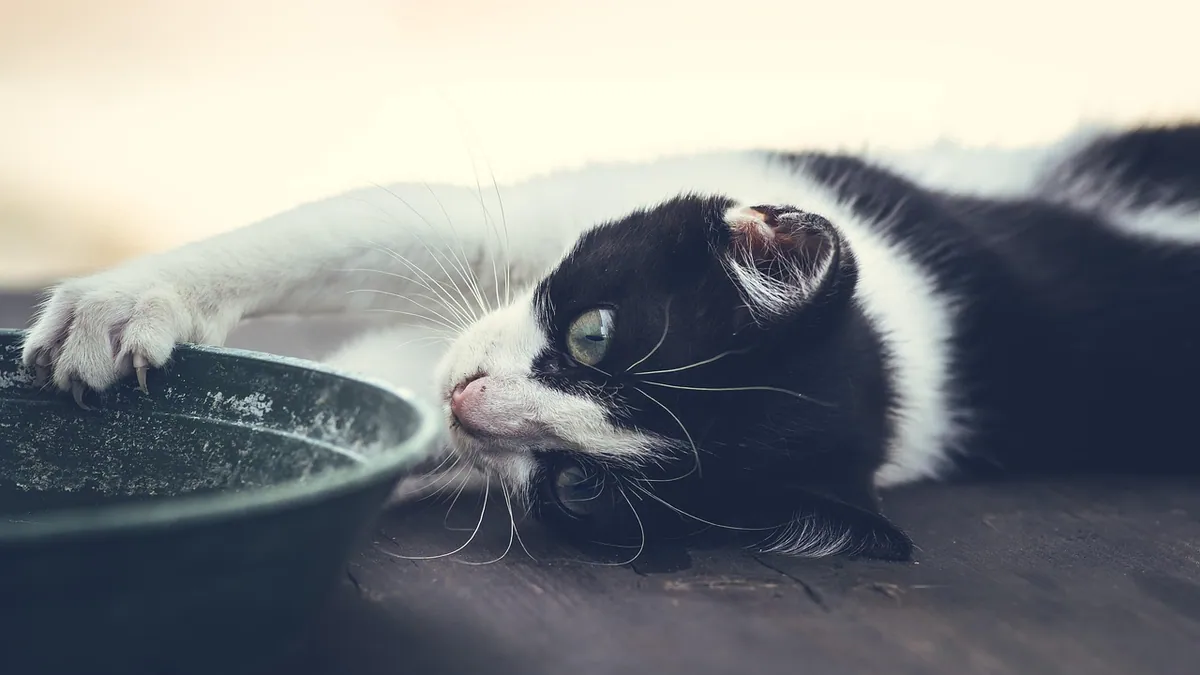
Gastroenteritis in cats home treatment is mostly supportive care: rest the gut, keep your cat hydrated, and watch closely for signs that the problem is more serious than a simple upset stomach. Most mild cases improve within a day or two with careful at-home management, but some cats need prescription medicine or fluids from a veterinarian. This article is educational and is not a substitute for veterinary diagnosis or treatment.
Quick Answer
- Withhold food for 24 to 48 hours only if your veterinarian tells you to, because this rests the digestive system [1].
- Never give human medicines like ibuprofen, acetaminophen, or aspirin to a cat. Several common human drugs are highly toxic to cats [2].
- Offer small amounts of water often so your cat does not become dehydrated.
- Call your veterinarian or Pet Poison Helpline at (855) 764-7661 before trying any home remedy, especially if you are unsure what caused the illness [2].
- Take your cat to the clinic right away if you see repeated vomiting, blood in the stool, or severe lethargy.
What Gastroenteritis Means in Plain Words
Gastroenteritis is inflammation of the stomach and intestines. The word covers the stomach ("gastro"), the intestines ("enter"), and inflammation ("itis"). In practice, it means your cat's digestive tract is irritated, so food and fluid do not move through it normally.
The inflammation can be mild and short-lived, or it can be part of a longer-term problem. Treatment depends on what is causing the inflammation, so identifying the underlying cause matters when possible [1]. Many mild cases in cats are self-limiting and respond to supportive care alone, including hydration and nutrition [3].
Signs Owners Notice
The most common signs are vomiting and diarrhea. You may see your cat vomit food, bile, or foam. The stool may be soft, watery, or have mucus or blood in it. Some cats also drool, lick their lips, or refuse food.
Other signs include:
- Hiding or acting withdrawn
- Lethargy or weakness
- Decreased appetite or complete refusal to eat
- Weight loss over days or weeks
- Abdominal discomfort when you touch the belly
- Dehydration, which you may notice as tacky gums or skin that stays tented when gently pinched
If diarrhea is your main concern, our guide to Cat Diarrhea Home Treatment walks through the same supportive steps in more detail.
Causes and Risk Factors
Gastroenteritis has many causes. Some are simple and some are serious.
Dietary upset. Eating spoiled food, table scraps, or a sudden diet change can irritate the gut. This is one of the most common reasons for a short bout of vomiting and diarrhea.
Infections. Viruses, bacteria, and parasites can all inflame the digestive tract. Feline bocaparvoviruses have been detected in cats with gastrointestinal disease, and co-infections with other enteric pathogens such as feline coronavirus and feline panleukopenia virus have been observed [4]. Feline panleukopenia virus causes severe enteric and systemic disease, especially in shelter environments where susceptible kittens and contaminated surroundings increase infection pressure [5].
Toxins and foreign objects. Human medicines, household plants, spoiled food, and swallowed objects can all cause gut inflammation. This is one reason to call Pet Poison Helpline before trying any home remedy [2].
Chronic conditions. Some cats develop long-term inflammation, including inflammatory bowel disease. Most cats with inflammatory bowel disease need some form of long-term treatment [1].
Stress. Changes in the home, travel, or a new pet can trigger digestive upset in sensitive cats.
How Veterinarians Diagnose It
Your veterinarian starts with a history and a physical exam. They will ask about diet, possible exposures, vaccination status, and how long the signs have lasted.
Diagnostic testing is tailored to the individual cat, with a focus on ruling out systemic illness or infectious causes [3]. Tests may include:
- Fecal testing for parasites and bacteria
- Blood work to check organ function and hydration
- Viral testing if an infection is suspected
- Imaging such as X-rays or ultrasound if a foreign object or mass is a concern
- Diet trials to identify food allergies or food-responsive disease
Your veterinarian may recommend a food with a protein source your cat has not eaten before, such as mutton, lamb, venison, or rabbit, to help identify food allergies [1].
Treatment Options
Treatment is based on the cause of the inflammation, and the underlying cause should be identified and treated when possible [1]. Your veterinarian will tailor the plan to your cat.
At-Home Supportive Care
For mild, uncomplicated cases, supportive care is the mainstay. Your veterinarian may ask you to withhold food for 24 to 48 hours to rest the cat's digestive system [1]. Do not do this on your own without guidance, especially for kittens or cats with other health problems.
Once feeding resumes, soluble fiber is often added to the diet, and the fiber dose can often be reduced or eliminated over time [1]. Dietary fiber can help manage core gastrointestinal concerns including acute diarrhea and chronic diarrhea [6].
Offer water in small amounts frequently. Some cats do better with ice chips or a shallow bowl. Keep your cat warm, quiet, and away from other pets that might stress them.
Probiotics are a promising non-pharmaceutical option for gut health. Strains such as Lactobacillus, Bifidobacterium, Bacillus, Enterococcus, and Saccharomyces have shown benefits including modulation of the gut microbiota, reduced inflammation, and improvement in gastrointestinal symptoms [7]. Ask your veterinarian which product and dose fits your cat.
Prescription Medicines
Your veterinarian may add an antibiotic or anti-inflammatory medication to a diet change to help signs improve more rapidly [1]. Some cats need short-term medication to thicken the feces until inflammation is under control, and antiparasitic medications may also be recommended [1].
Antibiotics are not routine for uncomplicated acute diarrhea. Recent evidence advocates against routine antibiotic use in uncomplicated cases to prevent antimicrobial resistance and microbiome disruption, with targeted therapy reserved for systemic or bacterial infections [3]. Antiemetics may be used when vomiting is a problem [3].
Fluids and Advanced Care
Cats who are dehydrated may need subcutaneous or intravenous fluids. Severe cases may need hospitalization. Fecal microbiota transplantation is an emerging option, and feline data support short-term tolerability and measurable microbiome activity, though clinical efficacy remains incompletely defined [8].
What You Should Never Give
Never give your cat human pain relievers or other human medicines unless your veterinarian specifically prescribes them for your cat. Many human drugs are dangerous for cats, and calling your veterinarian or Pet Poison Helpline at (855) 764-7661 is the right first step before trying any remedy [2].
If your cat is already on a prescription medicine and develops diarrhea, do not stop or change the dose on your own. Our article on what to do if your cat's medication is causing diarrhea explains the safe next steps.
Common Home Options at a Glance
| Option | Safe at home? | Notes |
|---|---|---|
| Withholding food 24 to 48 hours | Only if your vet advises | Rests the digestive system [1] |
| Fresh water in small amounts | Yes | Helps prevent dehydration |
| Soluble fiber added to diet | Only with vet guidance | Dose is adjusted over time [1] |
| Probiotics | Ask your vet first | Several strains show benefits [7] |
| Human pain relievers | Never | Human medicines can be toxic to cats [2] |
| Antibiotics | Only by prescription | Not routine for uncomplicated cases [3] |
Recovery, Outlook, and Long-Term Management
Most mild cases improve within a few days with supportive care. Recovery depends on the cause, your cat's age, and how quickly treatment starts.
For chronic enteropathy, dietary management is central. It provides energy and nutrients, supports intestinal function, and controls signs in food-responsive patients [9]. Strategies include high digestibility, novel ingredients, hydrolyzed protein, fat moderation, and fiber enrichment [9]. The best diet is chosen after a nutritional assessment and often requires several diet trials before success [9]. Commercial therapeutic diets include gastrointestinal, elimination, and fiber-enriched options, and homemade diets can work when commercial diets do not meet your cat's needs [9].
Long-term colitis is likely to improve at first, but signs frequently recur [1]. Plan on regular check-ins with your veterinarian if your cat has a chronic condition.
Prevention
You cannot prevent every case, but you can lower the risk.
- Keep your cat indoors or supervise outdoor time to reduce exposure to infected cats and spoiled food.
- Stick to a consistent, high-quality diet and make food changes gradually.
- Keep garbage, human medicines, and toxic plants out of reach.
- Stay current on vaccinations, especially for kittens and cats in multi-cat homes.
- Manage stress with routine, enrichment, and quiet spaces.
- Treat parasites promptly and follow your veterinarian's preventive plan.
If your cat has conjunctivitis along with digestive signs, our guide to cat conjunctivitis treatment at home covers what is safe for the eyes.
Limitations and When to Contact a Veterinarian
Home care has limits. Individual cases need a veterinarian, and some signs mean you should not wait.
Emergency now (go to the clinic or call ahead immediately):
- Repeated vomiting that will not stop
- Blood in vomit or stool
- Collapse, weakness, or unresponsiveness
- Suspected poisoning or ingestion of a human medicine
- Straining to defecate with no stool produced
- A kitten or senior cat with any of the above
Same day:
- Vomiting or diarrhea lasting more than 24 hours
- Refusing all food and water
- Signs of dehydration (tacky gums, skin tenting)
- Abdominal pain or swelling
- Known or suspected exposure to an infectious cat
Routine visit:
- Diarrhea that comes and goes over weeks
- Gradual weight loss
- Chronic vomiting or hairballs
- Any digestive sign that does not fully resolve
Call your veterinarian or Pet Poison Helpline at (855) 764-7661 if you are stuck in a situation like the ones above, and take your cat to the clinic immediately if remedies do not help or your cat's condition worsens [2].
Frequently Asked Questions
Can I give my cat human diarrhea medicine?
No. Human medicines can be toxic to cats, and you should call your veterinarian or Pet Poison Helpline before giving any remedy [2]. Your veterinarian can prescribe a cat-safe option if one is needed.
How long should I withhold food from my cat?
Your veterinarian may ask you to withhold food for 24 to 48 hours to rest the digestive system [1]. Never do this on your own for kittens, seniors, or cats with other health conditions.
Are probiotics safe for cats with gastroenteritis?
Probiotics are generally considered a safe non-pharmaceutical option, and several strains have shown benefits for gut health and gastrointestinal symptoms [7]. Ask your veterinarian which strain and dose suit your cat.
Does my cat need antibiotics?
Usually not. Routine antibiotics are not recommended for uncomplicated acute diarrhea because of resistance and microbiome disruption, and targeted therapy is reserved for systemic or bacterial infections [3]. Your veterinarian will decide based on your cat's exam and test results.
When can I stop the special diet?
That depends on your cat's response and the underlying cause. Fiber added during recovery can often be reduced or eliminated over time [1], but chronic conditions may need long-term dietary management [9]. Follow your veterinarian's plan and check in before making changes.
Related Articles
- Cat Diarrhea Home Treatment
- Cat Diarrhea Home Remedy
- Cat Conjunctivitis Treatment Pets At Home
- Cat Diarrhea Treatment
- What to Do If Your Cat's Medication Is Causing Diarrhea
- Treating Urinary Tract Infection In Cats At Home
- Gastroenteritis in Cats: Causes and Diet Choices
- Gastroenteritis in Cats Without Diarrhea
- How Long Does Gastroenteritis Last in Cats?
References
- Disorders of the Stomach and Intestines in Cats - Cat Owners. Merck Veterinary Manual.
- Home Remedies for Sick Cats. Pet Poison Helpline.
- From Diagnosis to Resolution: A Practical Guide to Acute Diarrhea in Veterinary Patients. The Veterinary clinics of North America. Small animal practice, 2026.
- Feline bocaparvovirus in domestic cats with gastrointestinal disease. Veterinary journal (London, England : 1997), 2026.
- Gut Microbiome Disruption in Shelter Cats with Feline Panleukopenia: Virome Co-Detection and Enteric Dysbiosis. Biology, 2026.
- Therapeutic Applications of Dietary Fiber: Managing Fiber-responsive Gastrointestinal Conditions in Dogs and Cats. The Veterinary clinics of North America. Small animal practice, 2026.
- A Review of Probiotic Supplementation and Its Impact on the Health and Well-Being of Domestic Cats. Veterinary sciences, 2025.
- Fecal Microbiota Transplantation in Dogs and Cats: Evidence for Gastrointestinal and Emerging Extra-Intestinal Applications. Animals : an open access journal from MDPI, 2026.
- Dietary Approach to Chronic Enteropathy in Dogs and Cats. The Veterinary clinics of North America. Small animal practice, 2026.