Why Does My Dog Drink His Own Pee? What's Normal
By Dr. Zubair Khalid, DVM, MS, PhD ·
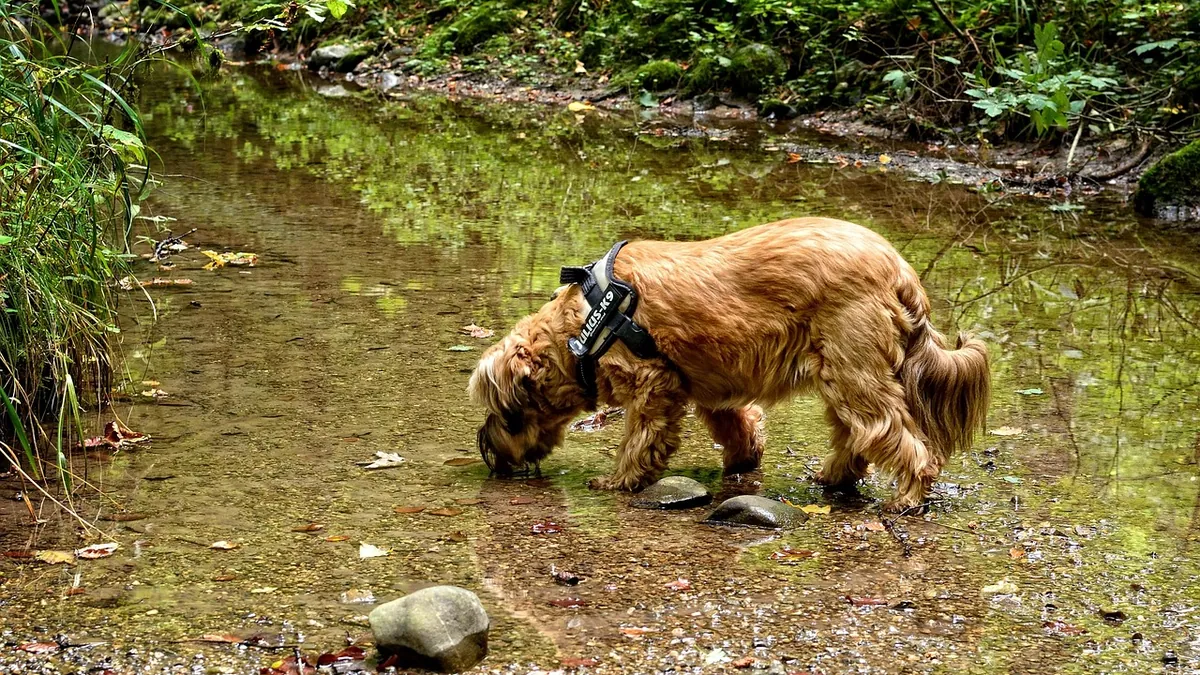
Is it normal for dogs to drink their pee? Occasionally, yes. Some dogs lap at their own urine out of curiosity, boredom, or because they were scolded for accidents in the house. But if your dog is drinking urine often, or drinking and peeing more than usual overall, that points toward a medical problem that needs a vet visit. This article is educational and is not a substitute for veterinary diagnosis or treatment.
Quick Answer
- A one-time lick or sniff of urine is usually normal dog behavior and not a health concern.
- Drinking urine repeatedly, or drinking it along with peeing more, drinking more, or losing weight, is a reason to call your vet.
- The urinary system controls water and electrolyte balance, so changes in thirst and urination often reflect a body-wide problem [1].
- Puppies may taste their own pee while learning house training. This is common and usually fades.
- Your vet can sort out behavior from disease with a history, an exam, and blood and urine tests [2].
What This Looks Like and What Counts as Normal
Urine drinking, sometimes called urine ingestion, can look like a quick lick at a puddle on the floor, a longer lap at a pee pad, or a dog who races to clean up after another dog in the house. Some dogs do it once and never again. Others do it every time they urinate.
A few situations are common and generally harmless:
- Puppies exploring. Young dogs put their mouths on everything. A puppy who tastes his own pee during house training is usually just curious or confused about where to go.
- Dogs who were punished for accidents. A dog who was scolded for peeing indoors may try to "clean up" the evidence. This is a training and anxiety issue, not a medical one.
- Multi-dog households. One dog may lick another dog's urine simply because it smells interesting. Dogs gather a lot of information through scent.
- Boredom or a compulsion. Some dogs develop repetitive behaviors, and urine licking can become one of them.
What is not normal is a sudden change in how much your dog drinks or urinates. The urinary system maintains the correct balance of water and electrolytes in the body's cells, so when that balance shifts, thirst and urination change too [1]. If your dog is drinking urine and also emptying the water bowl, ask for a vet visit.
Is It Normal for Dogs to Drink Their Own Pee? The Main Causes
This is the question most owners are really asking, and the honest answer is: it depends on what else is going on. The table below separates the common behavioral reasons from the medical ones.
| Cause | Typical clues | How urgent |
|---|---|---|
| Curiosity or scavenging | Healthy dog, normal thirst and urine output, happens once or rarely | Not urgent |
| House-training confusion in puppies | Puppy under about 6 months, accidents indoors, otherwise playful and eating well | Not urgent, mention at next visit |
| Anxiety after punishment for accidents | Dog hides or sneaks to pee, then licks the spot | Not urgent, but change your training approach |
| Behavioral compulsion | Repeated licking of urine or other surfaces, normal lab work | Routine visit |
| Increased thirst from any cause | Dog drinks more water and pees more, urine may be pale and plentiful | Book a visit soon |
| Diabetes mellitus | Drinking more, peeing more, weight loss despite a good appetite | Book a visit soon |
| Cushing's disease | Drinking more, peeing more, pot belly, thinning coat, panting | Book a visit soon |
| Kidney disease | Drinking more, peeing more, weight loss, poor appetite, vomiting | Book a visit soon |
| Urinary tract infection | Frequent small pees, straining, accidents indoors, blood in urine | Book a visit soon |
| Cognitive decline in an older dog | Soiling indoors, confusion, staring at walls, pacing at night | Book a visit soon |
Older dogs deserve special attention here. In a study of aging dogs, soiling behavior was tracked alongside urinalysis results and cognitive scores, and urine specific gravity (a measure of how concentrated the urine is) decreased significantly with age [3]. In plain terms, older dogs often produce more dilute urine, which can lead to more accidents and more opportunities for urine drinking. Cognitive decline can make the problem worse.
If your dog is peeing a lot, that alone is worth investigating. See Why Is My Dog Peeing So Much? for a closer look at the possible reasons.
Do Dogs Drink Their Own Pee Because They Are Thirsty?
Sometimes, yes. A dog who is genuinely dehydrated may lick at any moisture source, including urine. But most dogs who drink their own pee are not dehydrated. They are either curious or dealing with a condition that makes them thirsty in the first place.
If your dog is emptying the water bowl, read Why Is My Dog Drinking So Much Water?. Increased thirst and increased urination usually travel together, and they are two of the most useful clues your vet can get.
Is It Normal for Puppies to Drink Their Own Pee?
It is common, and it usually is not a sign of illness. Puppies are learning where to eliminate, and some taste their pee out of simple curiosity. Others do it because they were corrected for accidents and are trying to hide the evidence.
Watch for other signs in puppies, though. A puppy who is drinking and peeing far more than expected, or who is not gaining weight, needs a vet visit. Young dogs can develop diabetes and kidney problems too, even if it is less common than in older dogs.
Is It Normal for Dogs to Drink Other Dogs' Pee?
It happens, and it is usually a scent behavior instead of a health problem. Dogs learn a great deal about other dogs through urine, including sex, health status, and recent activity. A quick lick at another dog's pee is generally harmless.
The exception is a dog who obsessively seeks out and drinks other dogs' urine. That can be a compulsive behavior, and it can also mean your dog is unusually thirsty. If your dog is doing this along with drinking more water at home, treat it as a thirst problem and call your vet.
Is It Normal for Dogs to Not Drink a Lot of Water?
Many owners ask this in the same breath, and it is a fair question. A dog who drinks very little and produces small amounts of dark, concentrated urine may simply be getting plenty of water from wet food. But a sudden drop in water intake, especially with lethargy or poor appetite, is a red flag.
The urinary system's job is to keep water and electrolytes balanced while removing waste products from food [1]. When that system is stressed, water intake often changes before anything else does. Track how much your dog drinks over a few days so you have real numbers to give your vet.
Red Flags That Mean Call the Vet Now
Some signs should not wait. Contact your veterinarian or an emergency clinic right away if you see:
- Your dog cannot urinate at all, or strains and produces only drops.
- Blood in the urine, or urine that looks like coffee.
- Vomiting, collapse, or extreme weakness.
- A swollen, painful belly.
- Seizure activity along with changes in urination or thirst. In a survey of owners of epileptic dogs, urination was reported in about 79% of dogs and increased thirst in about 78%, so these signs can cluster around seizure disorders [4].
- Sudden heavy drinking and peeing in a dog who was previously normal.
For poison exposure, call the ASPCA Animal Poison Control Center at (888) 426-4435 or the Pet Poison Helpline at (855) 764-7661. These lines may charge a consultation fee.
What You Can Safely Do at Home While You Wait
You cannot diagnose this at home, but you can gather information that makes your vet visit faster and more useful.
- Measure water intake. Fill a measuring cup, pour it into the bowl, and note how much you add over 24 hours. Do this for two or three days.
- Count pee breaks. Note how often your dog asks to go out and whether the volume looks larger than usual.
- Check the urine. Color, cloudiness, and smell all matter. Your vet will ask about how the urine looks [2].
- Stop any punishment for accidents. Scolding makes urine drinking and hiding behavior worse. Clean accidents with an enzymatic cleaner and reward your dog for going outside.
- Do not restrict water unless your veterinarian tells you to. Limiting water in a dog with a medical cause of thirst can be dangerous.
- Bring a urine sample if you can. A clean, fresh sample in a sealed container is often helpful, though your vet may still collect one in the clinic.
- List all medications and supplements. Some drugs change thirst and urination. If you suspect a medication is involved, see What to Do If Your Dog's Medication Is Causing Increased Thirst and Urination: Is It Normal?.
What Your Veterinarian Will Check and Test
Your vet will start with a history. Expect questions about how much your dog drinks, how often he urinates, how much urine he produces, how it looks, and how he behaves. Your vet will also ask about medications, appetite, diet, weight changes, and past illnesses [2].
Next comes a physical exam. Your vet will check hydration, body condition, gum color, and abdominal comfort, and may feel for an enlarged bladder or other abnormalities.
Testing usually includes:
- Urinalysis. This checks urine concentration, protein, blood, bacteria, and cells. In the aging dog study, proteinuria was the most common urinalysis abnormality found, appearing in 194 of 231 samples [3].
- Blood work. This screens kidney values, blood sugar, electrolytes, and liver enzymes.
- Urine culture. This confirms a urinary tract infection and identifies which antibiotic will work.
- Imaging. X-rays or ultrasound can show stones, tumors, or structural problems.
- Hormone testing. If Cushing's disease or diabetes is suspected, your vet will run specific tests.
Your veterinarian calculates any medication dose from your dog's weight and health status. Never give a medication meant for people or for another pet.
If the diagnosis turns out to be diabetes or another chronic condition, Dog Drinking and Peeing More: Could It Be Diabetes or Something Else? walks through what comes next. For a broader overview of paired thirst and urination changes, see Dog Urinating a Lot and Drinking a Lot: What It Could Mean.
Prevention and Monitoring
You cannot prevent every cause of urine drinking, but you can catch problems early.
- Know your dog's normal. Most owners cannot say how much their dog drinks in a day. Measure it once so you have a baseline.
- Keep fresh water available at all times. Restricting water does not fix the problem and can cause harm.
- Schedule routine wellness visits. Blood and urine testing catches kidney disease and diabetes before symptoms get severe.
- Watch older dogs closely. Dilute urine and indoor soiling become more common with age, and they deserve a vet visit instead of a shrug [3].
- Address training with rewards. If urine drinking started after punishment for accidents, switch to positive reinforcement and give it time.
- Recheck after treatment. If your dog is treated for an infection or a chronic condition, follow up with the testing your vet recommends.
Limitations and When to Contact a Veterinarian
This article cannot tell you what is happening with your individual dog. Only a veterinarian who examines your dog and reviews test results can do that.
Call today or seek emergency care now if your dog cannot urinate, is vomiting, is collapsing, has blood in the urine, or has a painful or swollen abdomen.
Book a visit within a day or two if your dog is drinking more, peeing more, losing weight, having accidents indoors, or drinking urine repeatedly.
Mention it at your next routine visit if your dog licked his pee once, is a puppy in house training, or does it rarely with no other changes.
Frequently Asked Questions
Should I stop my dog from drinking his own pee?
You can gently redirect him, but the bigger question is why he is doing it. If it happens once or twice in a healthy dog, no action is needed. If it happens often, or if his thirst and urination have changed, book a vet visit instead of focusing on the behavior alone.
Can drinking urine make my dog sick?
Urine from a healthy dog is unlikely to cause illness, but urine can carry bacteria and, in some cases, environmental chemicals. A study of pet dogs found herbicide and VOC metabolites detectable in dog urine samples, which shows that urine can contain measurable chemical traces [5]. The bigger risk is missing an underlying disease that caused the behavior.
Does drinking pee mean my dog has diabetes?
No, it does not mean that on its own. Diabetes is one possible cause of increased thirst and urination, and urine drinking can be a side effect of that thirst. Your vet needs blood and urine testing to confirm or rule out diabetes and other conditions.
My older dog is drinking his pee and having accidents. What should I do?
Schedule a vet visit. In aging dogs, soiling behavior has been linked with urinalysis abnormalities and declining cognitive scores, and urine concentration tends to drop with age [3]. Your vet can check for infection, kidney changes, and cognitive decline all in one visit.
Will changing my dog's food stop this behavior?
Probably not by itself. Diet changes help some conditions, such as bladder stones, but they are not a treatment for urine drinking. If a medical cause is found, your veterinarian will recommend the right diet and any medication, with doses calculated for your dog's weight and health.
Related Articles
- Why Is My Dog Peeing So Much?
- Why Is My Dog Drinking So Much Water?
- What to Do If Your Dog's Medication Is Causing Increased Thirst and Urination: Is It Normal?
- Dog Urinating a Lot and Drinking a Lot: What It Could Mean
- Dog Drinking and Peeing More: Could It Be Diabetes or Something Else?
- How Long Can Dogs Hold Their Pee
- Why Is My Puppy So Thirsty? Normal Drinking vs a Problem
- Why Is My Dog Leaking Urine? Causes and When to Worry
- How to Tell If Your Dog Needs to Pee: 7 Signs to Watch
References
- The Urinary System of Dogs - Dog Owners. Merck Veterinary Manual.
- Detecting Disorders of the Kidneys and Urinary Tract in Dogs - Dog Owners. Merck Veterinary Manual.
- The relationship between urinalysis abnormalities, soiling behavior, and cognitive decline in aging dogs. Journal of veterinary internal medicine, 2026.
- Owner reported prevalence of autonomic signs in epileptic dogs. Frontiers in veterinary science, 2026.
- Environmental Chemical Exposures in Boxer Dogs With Multicentric Lymphoma. Journal of veterinary internal medicine, 2025.