Is It Normal for Dogs to Burp? When It Signals a Problem
By Dr. Zubair Khalid, DVM, MS, PhD ·
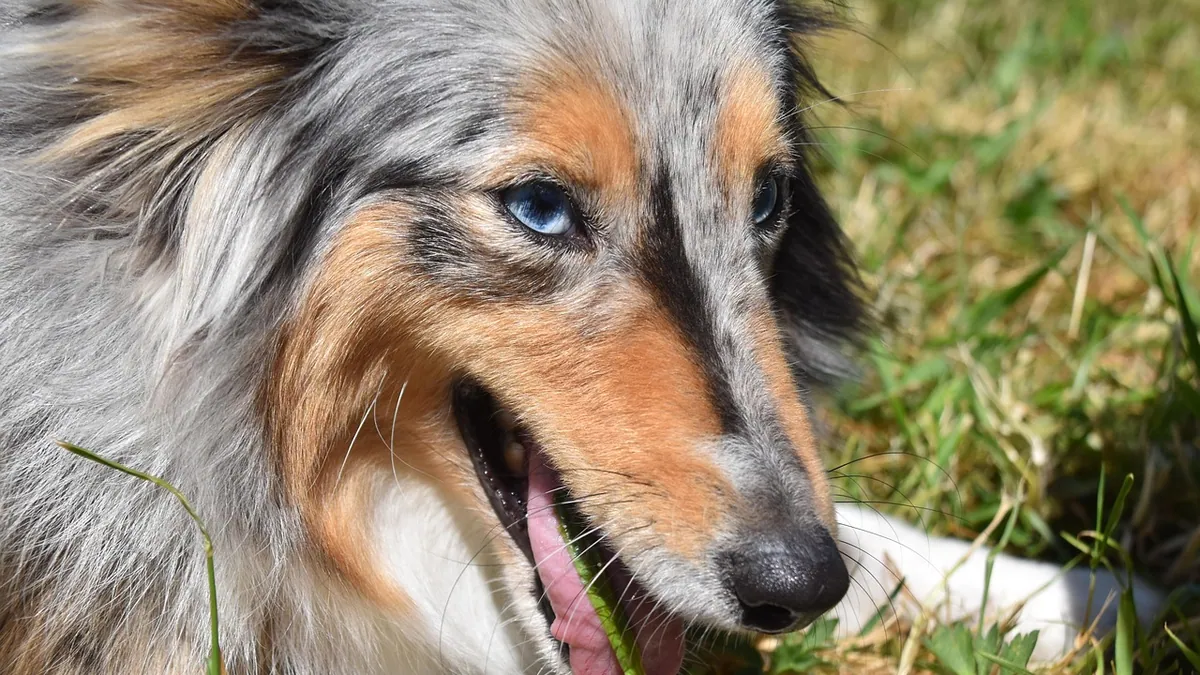
Yes, it is normal for dogs to burp. Burping is how a dog releases swallowed air from the stomach, and most dogs do it a few times a day, often right after eating or drinking. The question that matters is not whether dogs burp, but how often, how forcefully, and whether other signs come with it.
This article is educational and is not a substitute for veterinary diagnosis or treatment.
Quick Answer
- Occasional burping after meals is normal and usually harmless.
- Burping happens when swallowed air escapes the stomach, and the process involves coordinated muscle activity in the throat, chest, and abdomen [1].
- Swallowing air during eating and drinking (aerophagia) is common, showing up in 40% of dogs in one swallow-study group [2].
- Fast eating, gulping, and certain foods are the most common everyday causes of frequent burping.
- Burping plus a swollen belly, retching without vomiting, or pain is an emergency, because it can signal bloat (gastric dilatation-volvulus) [3].
What Normal Burping Looks Like
A normal burp is a short release of air from the mouth. You may hear a soft gurgle or a louder belch. Your dog usually looks relaxed, then goes back to normal activity.
Burping often follows a meal or a big drink of water. It can also happen after your dog eats quickly, exercises, or gets excited. Puppies burp too. Their digestive tracts work the same way, and small puppies may burp more often simply because they eat several small meals a day and swallow air while nursing or eating.
The mechanics are more complex than they look. In dogs, burping happens in three phases: gas escapes the stomach, the barrier at the top of the stomach relaxes, and gas moves up and out [1]. This is a normal reflex, not a sign of illness by itself.
Is It Normal for Dogs to Burp a Lot?
Sometimes yes, sometimes no. The answer depends on the pattern.
A dog who burps two or three times after every meal but is otherwise bright, playful, and eating well is usually fine. A dog who burps constantly through the day, burps with a wet or sour sound, or burps along with vomiting, diarrhea, or appetite loss needs a closer look.
Owners often ask why their dog burps so much. The most common reasons are air swallowing, eating too fast, and diet. Less often, frequent burping is tied to a digestive or airway condition.
Air swallowing (aerophagia)
Aerophagia means swallowing air. It happens most during eating and drinking. In one study of 120 dogs, aerophagia was found in 40% of the dogs evaluated with videofluoroscopic swallow studies [2]. That does not mean all those dogs were sick. It means air swallowing is common and often goes unnoticed.
Dogs with aerophagia can have a mix of digestive and breathing signs [2]. If your dog burps a lot and also coughs, honks, or gags, air swallowing may be part of the picture.
Eating and drinking too fast
Dogs who gulp food or water swallow more air. This is one of the easiest causes to fix at home. Competitive eaters, dogs in multi-pet homes, and dogs who have been fed on a schedule after fasting tend to eat fastest.
Diet and food intolerance
Some dogs burp more on certain foods. High-fat meals, table scraps, sudden diet changes, and foods your dog does not tolerate well can all increase gas. A food change that happens over a few days instead of overnight often reduces burping.
Gastrointestinal disease
When burping comes with vomiting, weight loss, diarrhea, or a poor appetite, a digestive condition may be involved. Reflux, slow stomach emptying, and inflammatory conditions in the gut can all increase burping and air swallowing.
Breathing and airway conditions
The digestive and respiratory tracts share a pathway, and problems in one can affect the other. A study of dogs evaluated for cough found that some had aerodigestive disorders, meaning conditions that link the airway and the gut, even when they had no digestive signs at all [4]. This is one reason a chronic cough and frequent burping together deserve a veterinary exam.
Bloat (gastric dilatation-volvulus)
This is the emergency that owners worry about, and rightly so. In bloat, the stomach fills with gas and can twist. A study of 100 dogs with gastric dilatation-volvulus found that 89% had high lactate levels on presentation, a sign of serious tissue stress [3]. Burping alone is not bloat, but a dog who tries to burp or vomit and cannot, with a distended abdomen, is in danger.
Common Causes at a Glance
| Cause | Typical clues | How urgent |
|---|---|---|
| Air swallowing (aerophagia) | Burping during and after meals, sometimes coughing or gagging | Routine visit if frequent |
| Fast eating or drinking | Gulping, finishing meals in seconds, burping right after | Home fix, routine if no better |
| Diet or food intolerance | Burping with gas, soft stool, or itchy skin after food changes | Routine visit |
| Gastrointestinal disease | Vomiting, diarrhea, weight loss, poor appetite | See a vet soon |
| Airway or aerodigestive disorder | Long-standing cough plus burping, no digestive signs [4] | See a vet soon |
| Bloat (GDV) | Swollen belly, retching without vomit, restlessness, drooling | Emergency now |
Red Flags That Mean Emergency
Call an emergency clinic right away if you see any of these:
- A hard, swollen, or drum-like abdomen
- Retching, heaving, or trying to burp with nothing coming up
- Restlessness, pacing, or inability to get comfortable
- Heavy drooling or lip smacking with a bloated belly
- Pale gums, weakness, or collapse
- Labored breathing
These signs can point to bloat, which is life threatening and needs treatment within hours, not days. Dogs with bloat often show acid-base and lactate changes that reflect how sick they are [3].
Other signs need a same-day or next-day call:
- Burping with repeated vomiting or diarrhea
- Burping with a cough that has lasted weeks
- Refusing food or losing weight
- A puppy who burps constantly and seems uncomfortable
If your dog's burping comes with behavior changes such as pacing, whining, or hiding, it can be hard to tell whether the problem is physical or behavioral. Our guide on Dog Whining: When It Signals a Medical Problem can help you sort out what to watch for. If the changes look more like mood or habit, see How Do I Know If My Dog Has Behavior Problems.
What You Can Do at Home
These steps are safe to try while you wait for a vet visit or while you watch for a pattern.
Slow down mealtime
Use a slow-feeder bowl, a muffin tin, or a snuffle mat. Spread food out so your dog cannot gulp. If you have more than one dog, feed them in separate rooms.
Split meals
Two or three smaller meals instead of one large one reduce stomach filling and air swallowing. This helps puppies too, who often do better on several small meals.
Change food gradually
If you switch diets, do it over several days, mixing a little more of the new food each day. Sudden changes are a common trigger for gas and burping.
Limit table scraps and high-fat treats
Fatty foods sit in the stomach longer and can increase burping and gas. Keep treats small and plain.
Keep water available but not gulped
Some dogs drink huge volumes at once. If your dog does this, offer water in smaller amounts more often, especially around exercise.
Note the pattern
Write down when burping happens, what your dog ate, and what else you saw. A simple log helps your vet decide whether this is a diet issue, a swallowing issue, or something deeper.
Do not give human gas medication without asking
Some over-the-counter products are not safe or appropriate for dogs. Your veterinarian will calculate any dose from your dog's weight and health status.
What Your Veterinarian Will Check
Your vet will start with a full history. They will ask about diet, eating speed, vomiting, stool changes, coughing, and how long the burping has lasted.
The physical exam focuses on the abdomen, the mouth and throat, and the airway. Your vet will check for pain, bloating, and abnormal sounds in the chest.
Depending on what they find, tests may include:
- Blood work to check organ function and look for signs of inflammation
- X-rays of the abdomen and chest
- A swallow study (videofluoroscopic swallow study) if a swallowing or airway problem is suspected. This test can detect air swallowing, reflux, and other aerodigestive problems [4][2].
- A diet trial to rule out food intolerance
- Endoscopy in some cases, to look directly at the stomach and esophagus
If your dog has a long-standing cough along with burping, your vet may look at both the airway and the gut. Aerodigestive disorders can cause breathing signs without any digestive signs, which makes them easy to miss [4].
Prevention and Monitoring
Most everyday burping responds to simple changes. Feed smaller meals, slow the pace, and keep the diet steady.
Watch for trends. A dog who burps once after dinner for years is different from a dog who starts burping many times a day over a week. New or worsening patterns deserve a call.
Keep your dog at a healthy weight and encourage regular, moderate exercise. Avoid intense activity right after large meals.
If your dog has had bloat before, or is a breed at higher risk, ask your vet about a prevention plan. Bloat can recur, and the acid-base and lactate changes seen in affected dogs show how serious it can be [3].
Finally, pay attention to the whole dog. Burping that comes with coughing, gagging, or noisy breathing may be an airway issue. Burping with vomiting or appetite loss may be a gut issue. If your dog's behavior changes along with the burping, such as clinginess, irritability, or restlessness, our articles on Why Is My Dog Having Behavior Problems and Help With Dog Behavior Problems explain how physical discomfort can show up as behavior changes.
Limitations and When to Contact a Veterinarian
This article covers common patterns, not your individual dog. Every case needs a veterinarian who can examine your pet, ask questions, and run tests if needed.
Contact an emergency clinic now for a swollen abdomen, unproductive retching, collapse, pale gums, or labored breathing. These signs can mean bloat, which is fatal without fast treatment [3].
Call your vet the same day for burping with repeated vomiting, diarrhea, refusal to eat, or obvious pain.
Schedule a routine visit for burping that has increased over weeks, burping with a chronic cough, or burping that does not improve after diet and feeding changes.
Frequently Asked Questions
Do dogs burp?
Yes. Burping is a normal reflex that releases swallowed air from the stomach. The process involves coordinated muscle activity in the throat, chest, and abdomen that lets gas move up and out [1].
Is it normal for dogs to burp after eating?
Yes, burping after a meal is common and usually harmless. It often means your dog swallowed air while eating or drinking, especially if they ate quickly.
Do puppies burp?
Yes, puppies burp just like adult dogs. They may burp more often because they eat several small meals a day and swallow air while nursing or eating.
Why does my dog burp so much?
The most common reasons are eating too fast, swallowing air, and diet. Less often, frequent burping is linked to a digestive or airway condition, so a vet visit is wise if the pattern is new or getting worse.
Can burping be a sign of bloat?
Burping by itself is not bloat. Bloat looks like a swollen, hard abdomen with retching, restlessness, and drooling, and it is a medical emergency that needs immediate care [3].
Related Articles
- How Do I Know If My Dog Has Behavior Problems
- Why Is My Dog Having Behavior Problems
- Help With Dog Behavior Problems
- Dog Whining: When It Signals a Medical Problem
- My Dog Has Behavior Problems
- Dog Behavior Problem
- Dog Regurgitating Food: When It's Normal and When to Worry
- Signs of an Upset Stomach in Dogs and What to Do
- Why Is My Dog Dry Heaving? Causes and What to Do
References
- Digestive and respiratory tract motor responses associated with eructation. American journal of physiology. Gastrointestinal and liver physiology, 2013.
- Incidence and characterization of aerophagia in dogs using videofluoroscopic swallow studies. Journal of veterinary internal medicine, 2024.
- Retrospective Acid-Base Analysis in Dogs With Gastric Dilatation-Volvulus (2003-2018): 100 Cases. Journal of veterinary emergency and critical care (San Antonio, Tex. : 2001), 2026.
- Aerodigestive disorders in dogs evaluated for cough using respiratory fluoroscopy and videofluoroscopic swallow studies. Veterinary journal (London, England : 1997), 2019.