Why Is My Puppy So Thirsty? Normal Drinking vs a Problem
By Dr. Zubair Khalid, DVM, MS, PhD ·
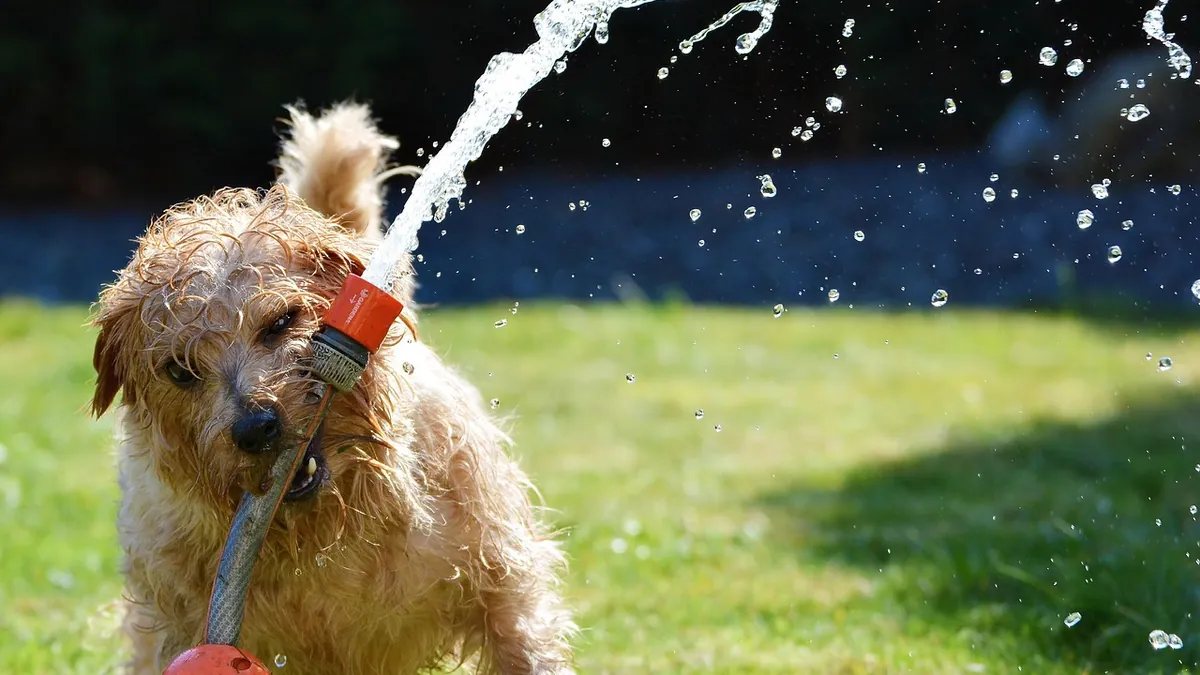
Puppies drink more water than adult dogs because they are growing, active, and still learning to regulate their bodies. Most of the time, a thirsty puppy is simply a normal puppy. But when drinking climbs well above what you would expect for your puppy's size and the weather, it can be the first sign of a medical problem that needs a veterinarian's attention.
This article is educational and is not a substitute for veterinary diagnosis or treatment.
Quick Answer
- A rough guide for healthy dogs is about 1 ounce of water per pound of body weight per day, though puppies often land above that because of growth and play.
- Measure what your puppy actually drinks over 24 hours before you worry. Guessing from a bowl level is unreliable.
- Sudden, heavy drinking with frequent urination is the pattern that matters most. It points toward diabetes, kidney disease, or a hormone problem.
- Heat, dry food, salty treats, and hard play can all raise water intake without any disease being present.
- If your puppy is drinking far more than usual and urinating more too, call your veterinarian. Do not restrict water on your own.
What Excessive Thirst Looks Like and What Is Normal
The medical term for drinking too much is polydipsia. Veterinarians pair it with polyuria, which means urinating too much, because the two usually travel together [1]. That pairing is the single most useful clue you can bring to an appointment.
Normal water intake varies with size, diet, activity, and weather. A common working number is about 1 ounce per pound of body weight each day. A 10 pound puppy might drink around 10 ounces, and a 30 pound puppy might drink around 30 ounces. Puppies in a growth spurt, puppies eating only dry kibble, and puppies romping in summer heat often drink more than that and are perfectly healthy.
The problem is not one big drink after a run. The problem is a puppy who is at the bowl constantly, drains it faster than the rest of the household, and leaves puddles or needs far more potty breaks. Owners often describe it as "why is my puppy always thirsty" and notice the urination second. If your puppy is also peeing far more than expected, that combination deserves a call to your vet. You can read more about that pattern in Why Is My Dog Peeing So Much?.
How to Measure Water Intake at Home
Fill a measuring cup, pour a known amount into the bowl, and refill from the same cup each time. At the end of 24 hours, add up what you poured. Subtract any water left in the bowl. Do this for two or three days and write down the numbers along with your puppy's weight.
This gives your veterinarian a real figure instead of an impression. It also helps you spot a true change. A puppy who drank 12 ounces last week and 30 ounces this week is telling you something.
Why Is My Puppy So Thirsty? The Main Causes
Some causes are harmless and some are serious. The clues below help you sort them, but only your veterinarian can confirm a diagnosis.
| Cause | Typical clues | How urgent |
|---|---|---|
| Heat, exercise, dry food, salty treats | Thirst rises on hot days or after play, puppy is otherwise bright and playful | Not urgent, watch and measure |
| Psychogenic polydipsia (compulsive drinking) | Young, systemically healthy dog with marked drinking and urination, often a nervous or anxious disposition, sometimes repetitive behaviors [1] | See your vet soon to rule out disease |
| Diabetes mellitus | Heavy drinking and urination, weight loss despite a good appetite, low energy | See your vet within a day or two |
| Kidney disease | Increased drinking and urination, sometimes poor appetite, vomiting, or weight loss | See your vet promptly |
| Hormone disorders such as Cushing's disease | Increased drinking and urination with a pot belly, thinning coat, or panting | See your vet soon |
| Rare pituitary tumors causing excess growth hormone | Poorly controlled diabetes with insulin resistance, noisy breathing, enlarged body parts [2] | Urgent, specialist care |
| Urinary tract infection | Frequent small urinations, straining, accidents in the house | See your vet within a day or two |
| Medications (steroids, diuretics) | Drinking started after a new drug was begun | Call your vet, do not stop the drug on your own |
Psychogenic polydipsia is worth a closer look because it is common in young dogs. Most dogs diagnosed with it are young and systemically healthy, have significant polyuria and polydipsia, often have a nervous or anxious disposition, and may show stereotypical, compulsive, or hyperactive behaviors [1]. There is no single test that proves it. Your veterinarian has to rule out the other causes first [1]. That is why a puppy who drinks a lot cannot simply be labeled a "water lover" without testing.
Diabetes mellitus is another major cause. It is a relatively common hormone disease in dogs and it takes real commitment from an owner to manage [3]. The classic story is a puppy or young adult who drinks and urinates heavily, may lose weight, and seems tired. Treatment exists and many diabetic dogs do well, but the sooner it starts, the better.
Rarely, a pituitary tumor that makes too much growth hormone can cause diabetes that resists insulin. In one reported case, a dog with polyuria, polydipsia, and poorly controlled diabetes had a growth hormone producing pituitary adenoma that was confirmed after surgery [2]. This is uncommon, but it shows why a diabetic dog who does not respond to treatment needs a deeper look.
Diet and treats matter too. In a study of healthy cats, treats containing amino acids, osmolytes, and sodium increased total water intake and lowered urine specific gravity [4]. The same principle applies to dogs in a general sense. Salty treats and high sodium foods make any pet drink more. If you recently switched foods or started a new treat, that alone can explain a jump in drinking.
Medications are a frequent culprit. Steroids and some other drugs cause increased thirst and urination. If the change started right after a new prescription, tell your veterinarian. Do not stop a prescribed medication without asking. There is more on this in What to Do If Your Dog's Medication Is Causing Increased Thirst and Urination: Is It Normal?.
Red Flags That Make It an Emergency
Call an emergency clinic right away if your puppy shows any of these:
- Collapse, weakness, or inability to stand
- Vomiting that will not stop, or vomiting with severe lethargy
- No urine for many hours, or straining to urinate with little or nothing coming out
- Rapid breathing, a swollen belly, or obvious pain
- Seizures or confusion
- Refusing all food and water for more than a day
- Drinking so much that the belly looks distended and the puppy seems uncomfortable
Some of these point to a urinary blockage, severe dehydration, or a metabolic crisis. Minutes matter in those situations.
Safe Things You Can Do at Home While You Wait
Do not restrict your puppy's water unless your veterinarian tells you to. Water restriction is a medical decision, and cutting water in a puppy with diabetes or kidney disease can cause serious harm.
Do these instead:
- Measure and record intake for 24 hours, along with your puppy's weight.
- Count potty trips and note accidents in the house.
- Note any vomiting, diarrhea, appetite change, or weight loss.
- Stop salty treats and table food until your vet visit.
- Keep the water bowl clean and in the same spot so your numbers are consistent.
- Take a photo of the urine puddle size if that helps you describe it.
If your puppy is drinking a lot and urinating a lot, keep the water available and get to the vet. The measurement is the useful part. The restriction is not.
What Your Veterinarian Will Check and Test
Your veterinarian starts with a full history, including exactly how much your puppy drinks and urinates, what food and treats you use, and any medications. Then comes a physical exam with weight, hydration check, and abdominal palpation.
Expect a urinalysis and blood work. These are the core tests for separating the causes on the list above. Your vet will look at urine concentration, glucose, protein, and signs of infection. Blood work checks kidney values, blood sugar, and other markers.
If those results point toward a hormone problem, your veterinarian may run specific tests. For diabetes, that means measuring blood glucose and often a fructosamine level. For suspected Cushing's disease, a hormone stimulation or suppression test. For the rare growth hormone excess, insulin-like growth factor 1 (IGF-1) can be measured. In the reported case, IGF-1 was markedly elevated at 1,214 ng/mL against a reference interval of 42 to 449 ng/mL, which supported the diagnosis [2].
If your vet suspects psychogenic polydipsia, the process is one of elimination. No specific test diagnoses it definitively, so other causes of polyuria and polydipsia must be systematically ruled out first [1]. Treatment may combine water restriction, environmental and behavioral changes, and medication [1]. Your veterinarian sets the details for your individual puppy.
Urine concentration testing is part of this picture. Researchers have worked on formulas to estimate urine osmolality from urine sodium, potassium, glucose, and urea nitrogen in dogs, and one derived formula performed well in healthy dogs receiving intravenous fluids [5]. You will not need to know the math. The point is that your vet uses urine and blood values together to judge whether your puppy is concentrating urine normally.
Prevention and Monitoring
You cannot prevent every cause of excessive thirst, but you can catch problems early.
- Know your puppy's baseline. Measure water intake once when your puppy is healthy so you have a number to compare against later.
- Keep the diet consistent. Sudden switches and salty treats change drinking patterns.
- Watch the urine. More trips, larger puddles, or accidents in a previously reliable puppy are early signals.
- Keep regular wellness visits. Weight trends and routine blood and urine tests catch kidney and hormone problems before they become emergencies.
- Follow treatment plans closely if your puppy is diagnosed with a condition. Diabetic dogs need consistent monitoring and owner commitment [3].
- Ask about every new medication. If thirst increases after a new drug, report it.
If your puppy is drinking more than usual but seems fine otherwise, a routine visit with a measured water log is a reasonable next step. If your puppy is drinking a lot and urinating a lot, or is losing weight or energy, move faster. For a broader look at this sign in dogs of any age, see Why Is My Dog Drinking So Much Water?.
Limitations and When to Contact a Veterinarian
This article cannot tell you what is wrong with your puppy. Only a veterinarian who examines your puppy and runs tests can do that. Individual cases need a veterinarian's judgment.
Contact your veterinarian the same day if your puppy is drinking far more than usual and urinating more, has accidents in the house after being reliable, is losing weight, has a poor appetite, or started a new medication recently.
Go to an emergency clinic now if your puppy collapses, cannot stand, vomits repeatedly, strains to urinate with little or no urine produced, breathes rapidly, has a swollen or painful belly, has a seizure, or refuses all food and water for more than a day.
Schedule a routine visit if the change is mild, your puppy is bright and playful, and you simply want to confirm that the drinking is normal for your puppy's size, diet, and activity level.
Frequently Asked Questions
How much water should a puppy drink each day?
A common working guide is about 1 ounce per pound of body weight per day, but puppies often drink more during growth spurts, in hot weather, and after hard play. Measure your puppy's actual intake for a few days so you have a real baseline. If the number is far above the guide and your puppy is urinating more too, call your vet.
Can a puppy drink too much water?
Yes. Drinking far more than the body needs can be a sign of a medical problem, and in some cases it can dilute the blood sodium to a dangerous level. Compulsive water drinking is a recognized disorder in dogs, and it is most often seen in young, otherwise healthy dogs with anxious dispositions. Do not restrict water on your own. Let your veterinarian guide that decision.
Is it normal for a puppy to drink more water in summer?
Yes, heat and exercise raise water needs, and that is expected. What matters is whether drinking returns to normal once your puppy cools down and rests. If heavy drinking continues on cool days or comes with frequent urination, weight loss, or low energy, that is not just the weather.
Could my puppy's food or treats be making him thirsty?
Yes. Dry food contains little moisture, so puppies eating kibble drink more than puppies on wet food. Salty treats and table scraps also increase thirst. In a study of healthy cats, treats containing amino acids, osmolytes, and sodium raised total water intake and lowered urine specific gravity [4]. If you changed food or treats recently, mention it to your vet.
What happens at the vet visit for a puppy who drinks too much?
Your veterinarian will take a detailed history, weigh your puppy, and do a physical exam. Then expect a urinalysis and blood work to check for diabetes, kidney disease, infection, and other causes. If those tests point to a hormone problem, your vet may run additional specific tests. The plan is tailored to your puppy's results.
Related Articles
- Why Is My Dog Drinking So Much Water?
- What to Do If Your Dog's Medication Is Causing Increased Thirst and Urination: Is It Normal?
- Dog Drinking More Water Than Usual: When to See the Vet
- Why Is My Dog Peeing So Much?
- Why Is My Dog Drinking water constantly? Diabetes, Kidney Disease & Cushing's
- Dog Excessive Thirst and Urination: What It Could Mean
- How Much Water Should a Dog Drink Daily?
- Why Is My Puppy Always Hungry? Causes and When to Worry
- Why Is My Puppy Not Peeing? Causes and What to Do
References
- Psychogenic polydipsia in dogs - a review of pathogenesis, diagnosis and treatment. The Journal of small animal practice, 2026.
- Case Report: Treatment of hypersomatotropism in a diabetic dog with transsphenoidal hypophysectomy. Frontiers in veterinary science, 2026.
- Treatment, monitoring, and euthanasia in canine diabetes mellitus - a questionnaire-based survey among veterinarians in Norway. Acta veterinaria Scandinavica, 2026.
- Consuming treats with amino acids, osmolytes and sodium increased total water intake and decreased urine specific gravity of healthy cats. Journal of feline medicine and surgery, 2026.
- A newly derived formula outperforms published formulae for estimating urine osmolality in healthy dogs receiving intravenous fluids. American journal of veterinary research, 2026.