Why Does My Dog Only Have Diarrhea at Night? Causes and Fixes
By Dr. Zubair Khalid, DVM, MS, PhD ·
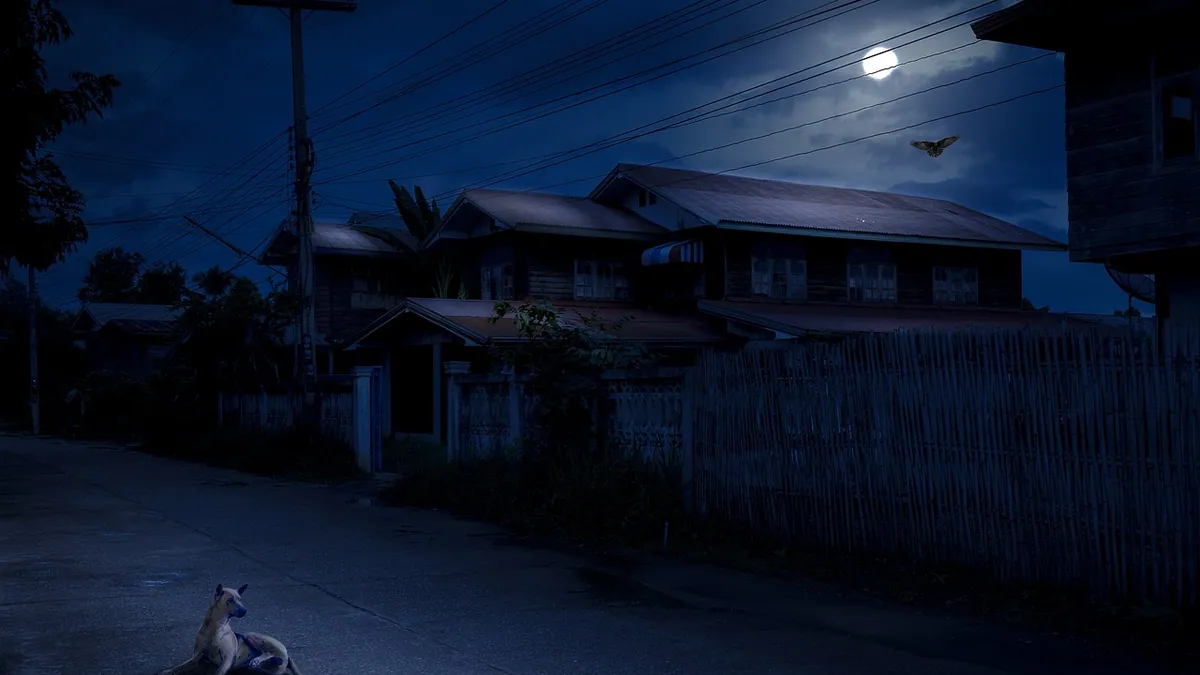
If your dog has normal stools all day but wakes you with loose stool in the middle of the night, the timing itself is a clue. Nocturnal diarrhea usually points to something specific: a late meal, a parasite, large bowel inflammation, or a trigger that builds up over the day. Most mild cases settle on their own, but the pattern and the company it keeps (vomiting, blood, weight loss) tell you how fast to act.
This article is educational and is not a substitute for veterinary diagnosis or treatment.
Quick Answer
- Nighttime diarrhea often traces to what and when your dog ate, so note the last meal time and any table scraps or trash access [1].
- Large bowel problems (colitis) tend to cause small, frequent, urgent stools with mucus, often in the evening or overnight.
- Puppies are more likely to shed Campylobacter, a bacteria linked to diarrhea, than adult dogs [1].
- A bland diet of boiled chicken or low-fat hamburger with white rice can help mild cases while the gut rests [2].
- See a veterinarian if diarrhea lasts more than 48 to 72 hours, or sooner if your dog is lethargic, vomiting, or has black or tarry stool [2].
What Nighttime Diarrhea Looks Like and What Counts as Normal
Normal dog stool is firm, log-shaped, and easy to pick up. A healthy dog typically produces one to three formed stools a day, usually after meals or exercise. If your dog's daytime stool is normal and only the overnight stool is loose, that narrows the list of suspects.
Nighttime diarrhea often looks different from daytime diarrhea. You may find:
- Small, frequent puddles or piles instead of one large stool
- Mucus or a jelly-like coating
- A sudden urgency, with your dog asking to go out repeatedly
- Straining that produces little or nothing
- A stool that starts formed and ends soft
These features point toward large bowel (colonic) irritation. The colon's job is to absorb the last of the water from waste. When it is inflamed, that water stays in the stool, and the result is frequent, urgent, small-volume diarrhea. Because the colon is most active when the dog is resting, symptoms can cluster at night.
Diarrhea happens when material moves through the gut too fast for water to be absorbed, so excess water leaves with the waste [2]. That mechanism is the same day or night. What changes at night is timing, activity level, and how long a trigger has been building.
Why Does My Dog Only Have Diarrhea at Night?
Several triggers line up with the overnight window. Here are the most common ones and how to tell them apart.
| Cause | Typical clues | How urgent |
|---|---|---|
| Feeding schedule or a late meal | Diarrhea starts 6 to 12 hours after a big or fatty meal, often right before bed or overnight | Usually mild, watch for 24 to 48 hours |
| Dietary indiscretion (table scraps, trash) | Sudden onset, bad gas, one or two loose stools, dog still bright | Mild, but call your vet if it worsens [1] |
| Parasites (including Campylobacter) | Puppies and dogs with outdoor or kennel exposure, intermittent soft stool, sometimes mucus | See a vet for a fecal test |
| Large bowel colitis | Small frequent stools, urgency, mucus, straining, often at night | Routine visit if it persists past a few days |
| Stress or routine change | Timing tied to a move, new pet, boarding, or schedule shift | Usually mild, monitor closely |
| Underlying medical disease | Weight loss, vomiting, poor appetite, blood in stool | Same-day or emergency care |
Feeding Schedule and Late Meals
The gut has a transit time. Food eaten in the evening may reach the colon overnight. If your dog gets a large meal, a fatty treat, or a bedtime snack, that food can trigger loose stool while everyone is asleep. Moving the last meal earlier and keeping it smaller often changes the pattern within a day or two.
Diet Changes and Table Scraps
A sudden switch in food, or a raid on the trash, is a classic trigger. In one study of dogs in central New York, Campylobacter shedding was more common in dogs that had recently eaten table scraps or trash (9.6%) than in dogs without that history (2.0%) [1]. If your dog got into something new, that alone can explain a night of diarrhea.
Parasites and Infection
Puppies are especially prone to parasite-related diarrhea. The same study found Campylobacter in 14.3% of puppies versus 2.8% of adult dogs [1]. If your puppy is only having diarrhea at night, parasites, diet, and stress are the top three things to check. A fecal test is simple and rules out a lot.
Colitis and Large Bowel Inflammation
Colitis is inflammation of the colon. It produces the small, urgent, mucus-coated stools that wake you up. Many cases are mild and self-limiting, and a short course of a bland diet helps [2]. If the pattern repeats night after night, your vet will want to look for an underlying cause.
Stress and Routine Disruption
Dogs are creatures of habit. A new person in the house, a move, or a change in walk schedule can loosen the stool. This kind of diarrhea tends to be intermittent and improves as the routine settles.
Other Medical Causes
Some conditions cause gastrointestinal signs that owners notice most at night. Steroid-responsive meningitis-arteritis (SRMA), an inflammatory condition, is associated with gastrointestinal signs in dogs [3]. This is uncommon, but it shows why persistent or unusual patterns deserve a veterinary exam. Weather changes have also been examined as a possible trigger for acute hemorrhagic diarrhea syndrome, though the cause remains uncertain [4].
Red Flags That Mean Emergency Care Now
Some signs mean you should not wait for morning. Go to an emergency clinic now if your dog has:
- Black, tarry stool or obvious fresh blood in large amounts
- Repeated vomiting along with diarrhea
- A swollen, painful abdomen
- Collapse, weakness, or pale gums
- Seizures or severe lethargy
- Known or suspected access to toxins, antifreeze, or human medications
Vomiting plus diarrhea speeds up dehydration, which strains the kidneys and can lead to organ failure [2]. Do not wait to see if it passes.
Call your veterinarian the same day if your dog:
- Is a puppy, senior, or has a chronic illness
- Has diarrhea lasting more than 48 to 72 hours [2]
- Stops eating or drinking
- Has blood or mucus in the stool
- Seems painful or is straining without producing stool
Safe Things You Can Do at Home While You Wait
If your dog is bright, drinking, and not vomiting, a few simple steps can help while you decide on a vet visit.
Rest the gut with a bland diet. Mild diarrhea can be managed at home with boiled chicken or low-fat hamburger and white rice, or cooked pasta [2]. These foods are easy to digest and give the GI tract a break [2]. Feed small amounts several times a day instead of one large meal.
Move the last meal earlier. If the diarrhea is tied to a late dinner, feeding the final meal three to four hours before bed can change the overnight pattern.
Keep water available. Dehydration is the main risk with diarrhea [2]. Offer fresh water often and watch how much your dog drinks.
Pick up outdoor temptations. Keep your dog away from trash, compost, and scraps. That single change removes a common trigger [1].
Track the details. Write down the time of each stool, its consistency, the last meal, and any treats. This log helps your vet spot the pattern fast.
For more at-home options, see How To Stop A Dog's Diarrhea At Home and How To Treat A Dog With Diarrhea At Home. If your dog is also vomiting overnight, read Dog Vomiting at Night: Causes and How to Help.
Do not give human anti-diarrheal medications unless your veterinarian tells you to. Many are unsafe for dogs, and the dose depends on your dog's weight and health. Your vet will calculate any medication dose from your dog's specific weight and condition.
What Your Veterinarian Will Check and Test
Your vet will start with a full history, including the timing of meals, treats, and stools. Then they will do a physical exam, checking hydration, abdominal pain, and rectal exam findings.
Common tests include:
- Fecal testing for parasites and bacteria, including Campylobacter [1]
- Blood work to check hydration, electrolytes, and organ function
- Imaging (X-ray or ultrasound) if a foreign body or mass is suspected
- A diet trial with a highly digestible prescription food
A randomized controlled trial found that a highly digestible prescription diet helped dogs with acute diarrhea recover fecal consistency faster than a control diet [5]. Your vet may recommend a specific therapeutic diet based on your dog's case. They may also use a bland home diet for mild cases [2].
If your dog has chronic or recurring diarrhea, your vet will look for small bowel versus large bowel patterns and may recommend nutritional management as part of long-term care [6].
Prevention and Monitoring
Most nighttime diarrhea can be prevented with a few habits.
- Feed measured meals at consistent times, with the last meal well before bed.
- Keep trash, compost, and human food out of reach [1].
- Transition to new food slowly over several days.
- Keep puppies and dogs on a parasite prevention plan and schedule fecal checks.
- Track stool quality so you notice changes early.
If your dog has repeated episodes, keep a simple log. Patterns in timing, food, and stress help your vet find the cause faster. For dogs with normal behavior and only occasional loose stool, see Dog Diarrhea but Acting Normal: Should You Worry?. For more home care tips, see How To Help My Dogs Diarrhea At Home.
Limitations and When to Contact a Veterinarian
This article cannot diagnose your dog. Every case is different, and only a veterinarian who examines your dog can determine the cause and the right treatment.
Contact your veterinarian the same day if diarrhea lasts more than 48 to 72 hours, if your dog stops eating, or if you see blood or mucus [2]. Go to an emergency clinic now for black or tarry stool, repeated vomiting, collapse, a painful abdomen, or suspected toxin exposure. Vomiting with diarrhea accelerates dehydration and can lead to serious complications [2].
If your dog is a puppy, senior, pregnant, or has a chronic condition, call sooner. Young dogs shed certain bacteria more often, and their smaller body size means dehydration happens faster [1].
Frequently Asked Questions
Why is my puppy only having diarrhea at night?
Puppies are more likely to carry Campylobacter and other gut infections, and their feeding and sleep schedule differs from adult dogs. A late meal or a new food can also trigger overnight loose stool. Because puppies dehydrate quickly, call your vet if the diarrhea lasts more than a day or comes with vomiting or lethargy.
Can a late meal cause dog diarrhea in the middle of the night?
Yes. Food eaten in the evening can reach the colon overnight, and a large or fatty meal moves through faster. Moving the last meal earlier and keeping it smaller often fixes the pattern within a day or two. If it does not, your vet should check for other causes.
What if my dog has diarrhea up all night?
Repeated urgent stools overnight usually point to large bowel inflammation or colitis. Keep water available, offer a bland diet if your dog is otherwise bright, and call your vet in the morning. If your dog is vomiting, painful, or lethargic, seek emergency care right away.
Should I withhold food when my dog has diarrhea at night?
No. Withholding food is not recommended for most mild cases. A bland diet of boiled chicken or low-fat hamburger with white rice is easier to digest and gives the gut a rest [2]. Feed small amounts often, and ask your vet before making changes for a puppy or a dog with other health problems.
How long can nighttime diarrhea last before I need to call the vet?
Mild diarrhea often resolves within 48 to 72 hours [2]. If it lasts longer, or if your dog stops eating, vomits, or has blood in the stool, call your veterinarian. Puppies, seniors, and dogs with chronic illness should be seen sooner.
Related Articles
- Dog Diarrhea but Acting Normal: Should You Worry?
- How To Stop A Dog's Diarrhea At Home
- Dog Vomiting at Night: Causes and How to Help
- How To Treat A Dog With Diarrhea At Home
- How To Help My Dogs Diarrhea At Home
- How To Treat Diarrhea For Dogs At Home
- Why Does My Dog Have Diarrhea? Causes in Dogs and Puppies
- Why Does My Dog Keep Having Diarrhea? Causes and Next Steps
- Dog Diarrhea Without Vomiting: Causes and When to Call the Vet
- Canine Intestinal Parasites Causing Diarrhea: Diagnosis, Treatment, and Prevention
- Intestinal Parasites in Dogs: Diagnosis, Home Treatment Myths, and Veterinary Management
References
- Fecal Campylobacter jejuni shedding in healthy dogs and dogs with acute diarrhea in central New York. American journal of veterinary research, 2026.
- Diarrhea. Cornell University College of Veterinary Medicine.
- Association between steroid-responsive meningitis-arteritis and gastrointestinal signs in dogs: a case-control study. Journal of the American Veterinary Medical Association, 2025.
- Presentations of idiopathic hemorrhagic diarrhea syndrome in dogs in relation to meteorological factors. Journal of veterinary internal medicine, 2026.
- A new highly digestible prescription diet containing Bacillus velezensis DSM 15544, fructo-oligosaccharides, plasma immunoglobulin, yeast and sepiolite for the management of acute diarrhea in dogs-a randomized double-blinded, controlled trial. Frontiers in veterinary science, 2025.
- Feline chronic diarrhea: causes and nutritional management. Veterinary and animal science, 2026.