Why Does My Dog Keep Having Diarrhea? Causes and Next Steps
By Dr. Zubair Khalid, DVM, MS, PhD ·
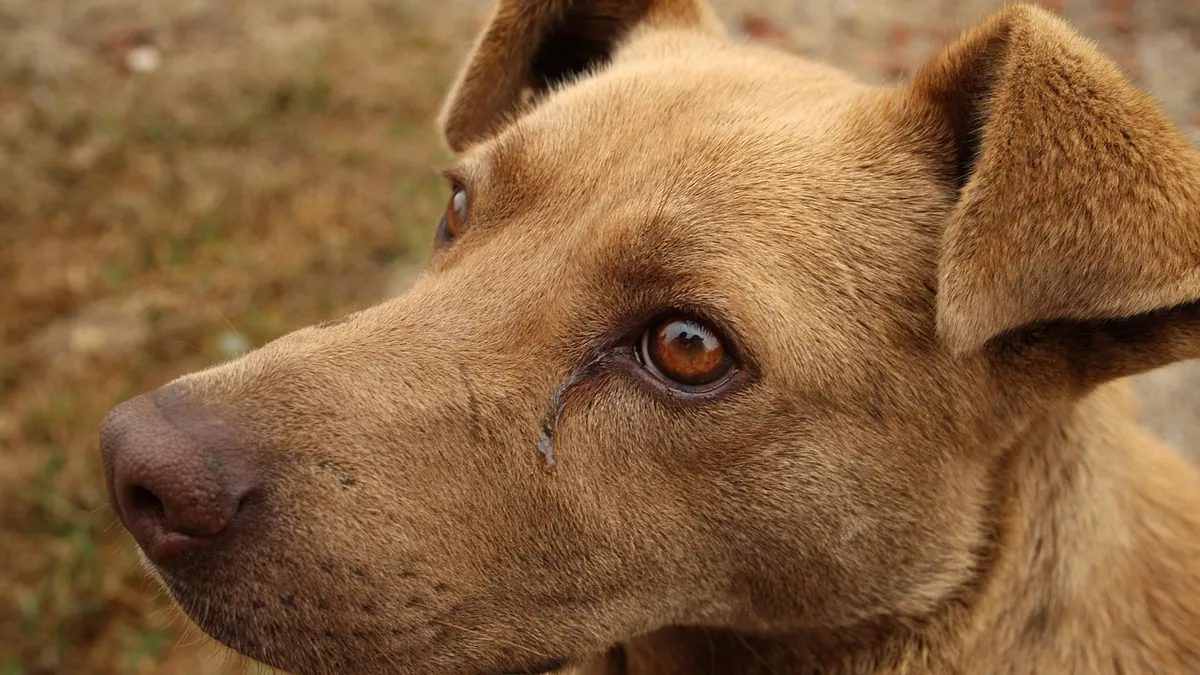
If your dog diarrhea keeps trying to poop, the most likely reasons are a mild gut upset, something your dog ate, a parasite, or a food intolerance. When it happens again and again, the cause is often a chronic problem such as food-responsive enteropathy or inflammatory bowel disease. Most mild cases settle within a few days, but repeated bouts deserve a closer look.
This article is educational and is not a substitute for veterinary diagnosis or treatment.
Quick Answer
- Most mild diarrhea in dogs is self-limiting and improves on its own, especially if your dog is still eating, drinking, and acting normal [1].
- Seek veterinary care if diarrhea lasts longer than 48 to 72 hours, or if your dog stops eating, becomes lethargic, vomits, or passes black or tarry stool [1].
- A bland diet of boiled chicken or low-fat hamburger with white rice or cooked pasta can give the gut a break during mild episodes [1].
- Repeated or on-and-off diarrhea points to a chronic condition such as food intolerance, parasites, or chronic enteropathy, which needs testing instead of guesswork [2][3].
- Never give human anti-diarrheal or antibiotic medications without veterinary guidance, because some are toxic to dogs and others can worsen the problem.
What Dog Diarrhea Looks Like and What Counts as Normal
Diarrhea means stool passes through the gastrointestinal tract too quickly, so water that should be absorbed is expelled with the waste. Over time this can cause dehydration. When vomiting happens too, dehydration speeds up and can lead to electrolyte imbalances, kidney strain, and in severe cases organ failure [1].
Normal dog stool is formed, holds its shape, and is easy to pick up. A healthy dog poops a predictable number of times per day without straining, urgency, or accidents in the house.
Diarrhea can look different depending on which part of the gut is involved. Small intestine problems often cause large volumes of watery stool. Large intestine problems tend to cause small, frequent stools with mucus, urgency, and straining. The colon helps maintain fluid and electrolyte balance and stores feces, so when it is inflamed by parasites or other causes, diarrhea is often the result [4].
The phrase "keeps trying to poop" usually describes tenesmus, which is straining with little or no stool coming out. It can also mean your dog is having frequent, urgent trips outside. Both patterns are worth describing to your veterinarian in detail.
Why Does My Dog Keep Having Diarrhea?
There is no single answer. The cause depends on your dog's age, diet, environment, and how long the problem has lasted. A one-time episode after a garbage raid is very different from diarrhea that comes and goes for weeks.
Acute Causes (Sudden Onset)
Acute diarrhea starts quickly and usually lasts a short time. Common triggers include:
- Dietary indiscretion (eating table scraps, garbage, or something spoiled)
- Sudden food changes
- Stress (boarding, travel, new household members)
- Intestinal parasites
- Viral infections
Canine enteric viruses are an important cause of gastrointestinal disease in pet dogs worldwide. Routine testing often relies on pathogen-specific PCR assays, which can miss some viruses, including neglected pathogens and genetically divergent variants [5].
Parvovirus is a serious viral cause. It attacks rapidly dividing cells, especially in the bone marrow and the lining of the small intestine. Damage to the intestinal lining causes severe, bloody diarrhea, and normal intestinal bacteria can enter damaged tissue and the bloodstream, worsening the disease [4]. Puppies are at highest risk.
Chronic Causes (Repeated or On-and-Off Diarrhea)
If your dog keeps getting diarrhea, or it never fully resolves, the problem is likely chronic. Chronic enteropathy is a common cause of persistent gastrointestinal signs in dogs, and diet is the cornerstone of treatment [2].
Growing evidence from humans with inflammatory bowel disease shows a subclinical phase where pathologic changes build silently, sometimes for years, before diagnosis. Dogs with chronic enteropathy appear to follow a similar pattern, developing intestinal pathology before obvious signs appear [3]. That is why early testing matters.
Other chronic causes include:
- Food intolerance or adverse food reactions
- Parasites that were never fully cleared
- Bacterial imbalances in the gut
- Inflammatory bowel disease
- Bile acid malabsorption, an underdiagnosed cause of chronic diarrhea in people that has also been shown in dogs with chronic enteropathies [6]
- Exocrine pancreatic insufficiency
- Intestinal cancer (less common, more likely in older dogs)
Cause Table
| Cause | Typical clues | How urgent |
|---|---|---|
| Dietary indiscretion | Sudden watery stool after eating something new or spoiled, dog otherwise bright | Usually mild, monitor 24 to 48 hours |
| Stress or food change | Loose stool around travel, boarding, or a diet switch | Mild, often settles in a few days |
| Intestinal parasites | Recurring diarrhea, sometimes with mucus or weight loss, often in puppies | Routine visit, bring a stool sample |
| Viral infection (for example parvovirus) | Severe bloody diarrhea, vomiting, lethargy, especially in puppies | Emergency now |
| Food intolerance | On-and-off diarrhea tied to a specific diet or protein | Routine visit, diet trial needed |
| Chronic enteropathy or IBD | Weeks to months of intermittent diarrhea, weight loss, vomiting | Routine visit, diagnostics needed |
| Bile acid malabsorption | Chronic diarrhea that does not fully respond to standard treatment | Routine visit, special testing |
| Foreign body or obstruction | Vomiting, straining, no stool or ribbon-like stool, painful belly | Emergency now |
Red Flags That Mean Emergency Care
Some signs mean you should stop reading and call a veterinarian right away.
- Black, tarry stool or obvious blood in the stool
- Repeated vomiting along with diarrhea
- Your dog stops eating or refuses water
- Lethargy, weakness, or collapse
- A painful or bloated abdomen
- Diarrhea that lasts longer than 48 to 72 hours [1]
- Known or suspected exposure to toxins, human medications, or garbage
- Diarrhea in a puppy, especially with vomiting or lethargy
Dehydration is the main danger with ongoing diarrhea. Vomiting makes it worse. Dehydration causes electrolyte imbalances, strains the kidneys, and can lead to organ failure and death [1]. Do not wait to see if it improves on its own when these signs are present.
If you suspect your dog ate something toxic, call your veterinarian or a pet poison control hotline immediately. Have the product container or a sample of what your dog ate ready.
What You Can Safely Do at Home
Home care is appropriate only for mild diarrhea in a dog that is otherwise acting normal. If your dog is vomiting, lethargic, or not eating, skip home care and call your veterinarian.
Bland Diet
Mild cases of diarrhea in dogs can be treated at home by feeding a bland diet such as boiled chicken or low-fat hamburger with white rice. Cooked pasta is another option. These foods are easy to digest, so they give the gastrointestinal tract a break [1].
Feed small, frequent meals instead of one large one. Plain cooked white rice and lean protein without seasoning, oil, or butter is the goal. Skip treats, table scraps, and chews during recovery.
Water and Hydration
Offer fresh water at all times. If your dog is drinking normally, that is a good sign. If your dog refuses water or seems weak, that is a reason to call the vet.
What Not to Do
- Do not give human anti-diarrheal medications unless your veterinarian tells you to. Some are unsafe for dogs.
- Do not give leftover antibiotics or antibiotics prescribed for another pet.
- Do not fast your dog for more than a few hours without veterinary advice, especially puppies.
- Do not switch to a new diet mid-episode unless your vet recommends it.
If your dog's diarrhea started after a medication, see What to Do If Your Dog Has Diarrhea After Starting Antibiotics. If it started after a meal, see Dog Diarrhea After Eating: Causes and How to Help. If your dog is also refusing food, see Dog Diarrhea and Not Eating: Causes and When to Act.
For step-by-step home care, see How To Stop A Dog's Diarrhea At Home.
What Your Veterinarian Will Check and Test
A good veterinary visit starts with questions. Your vet will ask how long the diarrhea has lasted, how often it happens, what the stool looks like, whether your dog is eating, and whether anything changed in diet, environment, or medications.
Physical Exam
Your vet will check hydration, weight, body condition, abdominal comfort, and rectal exam findings. Weight loss over time is a meaningful clue for chronic disease.
Fecal Testing
A fecal flotation or fecal PCR panel looks for parasites and viral pathogens. Because routine PCR assays can miss some viruses, expanded testing may be needed in unclear cases [5].
Blood Work
A complete blood count and chemistry panel check for anemia, infection, organ function, and electrolyte problems. This is standard for chronic or severe diarrhea.
Diet Trial
For suspected food intolerance or food-responsive enteropathy, a hydrolyzed protein or novel protein diet trial is often the first step. In a study of dogs with chronic enteropathy, a hydrolyzed protein diet was used as the base of treatment, with clinical response measured using the Canine Inflammatory Bowel Disease Activity Index [2].
Fiber Adjustment
Increasing dietary fiber can improve fecal scores and clinical activity in dogs with chronic enteropathy. In one study, median crude fiber and total dietary fiber intake increased from 0.6 g/100 kcal and 1.7 g/100 kcal at baseline to 1.8 g/100 kcal and 4.7 g/100 kcal at follow-up, with fecal scores improving over a median of 21 weeks [7]. Your vet can calculate the right fiber target for your dog.
Advanced Testing
If standard treatment fails, your vet may recommend:
- Bile acid testing, since bile acid malabsorption is underdiagnosed in chronic diarrhea and has been identified in dogs with chronic enteropathies [6]
- Intestinal ultrasound
- Endoscopy with biopsy
- Pancreatic function testing
Bile acid sequestrants have been used as adjunctive treatment in dogs with chronic enteropathy, with 16 of 24 dogs improving clinically in one case series. Doses were calculated per dog and ranged widely, so this is not something you can manage at home [6].
Dysbiosis Index
The gut microbiome can be assessed with a Dysbiosis Index, which measures bacterial imbalances. This is sometimes used in chronic enteropathy cases to guide treatment [2][6].
Prevention and Monitoring
You cannot prevent every episode, but you can lower the odds and catch problems earlier.
Diet Consistency
Keep your dog on a consistent, complete diet. Transition to new foods over 7 to 10 days by mixing increasing amounts of the new food with the old. Sudden switches are a common trigger for loose stool.
Parasite Control
Stay current on flea, tick, and intestinal parasite prevention. Puppies need more frequent deworming than adults. Bring a fresh stool sample to routine visits if your dog has had repeated diarrhea.
Weight and Body Condition
Weigh your dog regularly. Gradual weight loss with intermittent diarrhea is a reason to schedule a visit, not wait.
Stool Log
Track when diarrhea happens, what your dog ate in the previous 24 hours, and how the stool looks. A simple phone note works. Patterns are easier to spot with a written record, and your vet will appreciate the detail.
Early Intervention
Because dogs with chronic enteropathy can develop intestinal changes before obvious signs appear, early testing and dietary intervention may slow or prevent disease progression [3]. If your dog has had more than two episodes of diarrhea in a few months, ask your vet whether a workup is warranted.
Limitations and When to Contact a Veterinarian
This article cannot tell you what is causing your dog's diarrhea. Only your veterinarian can examine your dog, run tests, and make a diagnosis. Individual cases need a veterinarian's assessment.
Call now or go to an emergency clinic if you see:
- Black, tarry, or bloody stool
- Repeated vomiting
- A puppy with diarrhea and any lethargy or vomiting
- Collapse, weakness, or a painful belly
- Suspected toxin or foreign body ingestion
- Diarrhea lasting longer than 48 to 72 hours [1]
Schedule a routine visit within a few days if you see:
- Diarrhea that comes and goes over weeks
- Gradual weight loss
- Increased gas, mucus, or straining
- Diarrhea that improves on a bland diet but returns when you switch back to regular food
- Any diarrhea in a dog with a known chronic condition
Monitor at home only if:
- Your dog is eating, drinking, and acting normal
- The stool is soft but not watery or bloody
- There is no vomiting and no lethargy
- The episode started within the last 24 hours
Frequently Asked Questions
Why does my dog keep trying to poop but nothing comes out?
Straining with little or no stool usually means tenesmus, which is often linked to large intestine inflammation, parasites, or something irritating the colon. It can also happen with a foreign body or obstruction. If your dog strains repeatedly, seems painful, or vomits, call your veterinarian right away.
Can stress cause repeated diarrhea in dogs?
Yes. Stress from travel, boarding, new pets, or schedule changes can trigger loose stool. Stress-related diarrhea usually resolves once the trigger passes, but if it keeps happening, other causes like diet or parasites should be ruled out.
Should I fast my dog with diarrhea?
Short fasting is sometimes recommended for adult dogs with mild diarrhea, but it is not appropriate for puppies or dogs that are already weak. A bland diet of boiled chicken and rice is generally preferred over fasting. Ask your veterinarian before withholding food.
How long is too long for dog diarrhea?
Mild diarrhea often improves within 48 to 72 hours. If it lasts longer than that, or if your dog stops eating, becomes lethargic, vomits, or passes black stool, seek veterinary care [1]. Chronic or on-and-off diarrhea needs a workup regardless of how mild each episode seems.
Can I give my dog human anti-diarrheal medicine?
No, not without veterinary guidance. Some human medications are toxic to dogs, and dosing depends on your dog's weight and health. Your veterinarian can recommend a safe option or calculate the correct dose if medication is needed.
Related Articles
- Dog Diarrhea After Eating: Causes and How to Help
- How To Stop A Dog's Diarrhea At Home
- Dog Diarrhea and Not Eating: Causes and When to Act
- How To Stop Dog Diarrhea At Home
- What to Do If Your Dog Has Diarrhea After Starting Antibiotics
- How To Stop Dog Diarrhea Pets At Home
- Why Does My Dog Have Diarrhea? Causes in Dogs and Puppies
- Recurrent Diarrhea in Dogs: Why It Keeps Coming Back
- Dog Diarrhea That Won't Go Away: Chronic Causes and Testing
- Canine Intestinal Parasites Causing Diarrhea: Diagnosis, Treatment, and Prevention
- Intestinal Parasites in Dogs: Diagnosis, Home Treatment Myths, and Veterinary Management
References
- Diarrhea. Cornell University College of Veterinary Medicine.
- Clinical and Faecal Outcomes in Adult Dogs with Chronic Enteropathy Fed an Hydrolysed Protein Diet with and Without Bacillus velezensis DSM 15544: A Randomised, Double-Blind, Cross-Over Trial. Animals : an open access journal from MDPI, 2026.
- Subclinical Canine Chronic Enteropathy: Early Detection and Prevention is the Key to Cure. The Veterinary clinics of North America. Small animal practice, 2026.
- Disorders of the Stomach and Intestines in Dogs - Dog Owners. Merck Veterinary Manual.
- Expanded detection of canine enteric viruses in UK dogs with diarrhoea. Microbial genomics, 2026.
- Fecal and Clinical Profiles of Dogs With Chronic Enteropathies Treated With Bile Acid Sequestrants for 5-47 Months: A Retrospective Case Series. Journal of veterinary internal medicine, 2025.
- Increased dietary fiber intake improves fecal and clinical activity scores in dogs with chronic enteropathy. Journal of the American Veterinary Medical Association, 2026.