Dog Diarrhea Without Vomiting: Causes and When to Call the Vet
By Dr. Zubair Khalid, DVM, MS, PhD ·
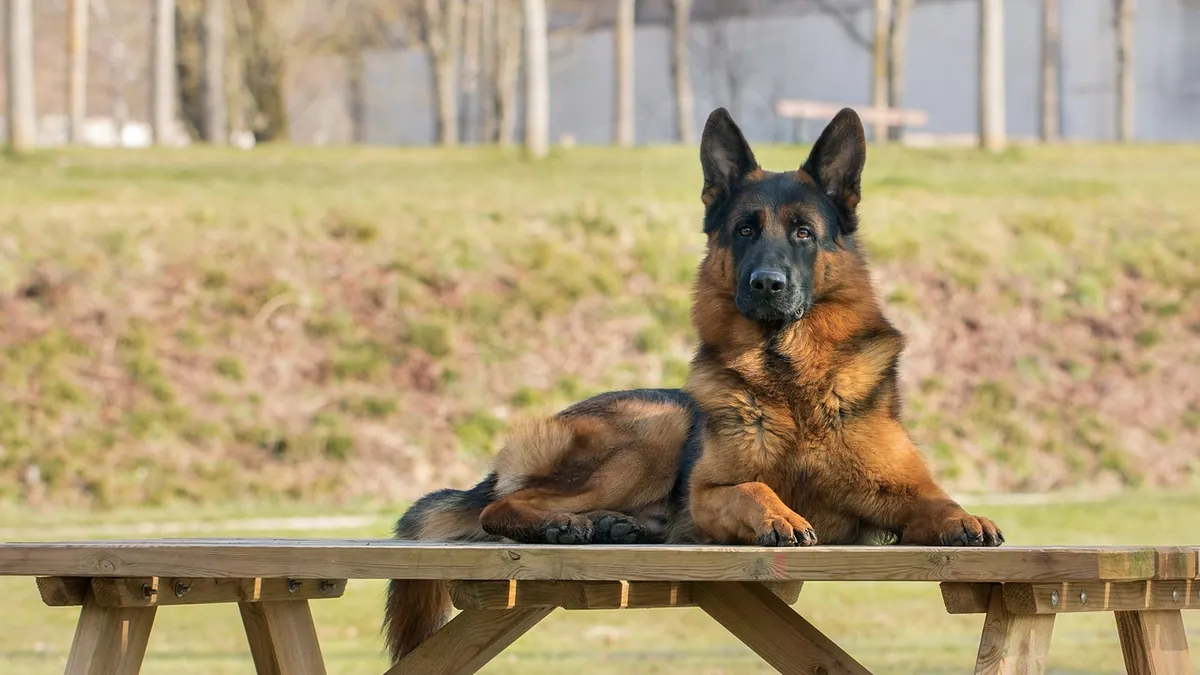
Most cases of dog diarrhea no vomiting are mild and clear up on their own within a day or two. The fact that your dog is not vomiting is actually a good sign, because it means dehydration is less likely to spiral quickly. Still, diarrhea that lasts, looks black or bloody, or comes with lethargy needs a veterinarian.
This article is educational and is not a substitute for veterinary diagnosis or treatment.
Quick Answer
- If your dog is bright, drinking, and has only loose stool, you can usually monitor at home for 24 to 48 hours. Call the vet if it lasts more than two days [1].
- Stop table scraps, treats, and any new food. A recent diet change or garbage raid is one of the most common triggers.
- Seek care the same day if you see black or tarry stool, blood, repeated straining with nothing coming out, or a puppy under six months with sudden diarrhea.
- Do not give human anti-diarrheal medications unless your veterinarian tells you to and calculates the dose for your dog's weight.
- Puppies, seniors, and dogs with other health problems should be seen sooner, because they dehydrate faster.
What Dog Diarrhea Without Vomiting Looks Like
Diarrhea means stool passes through the gastrointestinal tract too quickly for water to be absorbed, so excess water leaves the body with the waste [1]. The result can range from soft cow-pat consistency to watery puddles to small frequent squirts.
Color and smell give useful clues. Brown or yellow-brown is typical. Green can mean grass eating or fast transit. Black or tarry stool suggests digested blood higher up in the tract and is a red flag [1]. Bright red streaks point to fresh bleeding in the lower bowel.
Owners often search for "dog diarrhea no smell" or "dog diarrhea no reason." A sudden change in odor is not a reliable sign on its own. Some infections produce foul-smelling stool, and parvovirus classically causes projectile, foul-smelling bloody diarrhea [2]. But plenty of mild diarrhea cases have no unusual smell at all. If the stool looks normal in odor but the consistency is off, that alone does not tell you the cause.
The absence of vomiting matters. Vomiting plus diarrhea dehydrates a dog much faster than diarrhea alone [1]. When your dog is holding food and water down, the risk of rapid collapse is lower, and many cases can be managed with supportive care [3].
Main Causes of Dog Diarrhea No Vomiting
The list below covers the common triggers. Your veterinarian sorts through them based on your dog's age, vaccination status, diet history, and stool appearance.
| Cause | Typical clues | How urgent |
|---|---|---|
| Sudden diet change or table scraps | Recent new food, garbage raid, or rich treats. Stool softens within hours to a day. | Usually mild. Monitor 24 to 48 hours. |
| Dietary indiscretion or stress | Boarding, travel, new home, or eating something unusual. Dog is otherwise normal. | Usually mild. Watch for worsening. |
| Intestinal parasites (Giardia, others) | Soft to watery stool, sometimes greasy or pale. Common in puppies and dogs from shelters. | Routine visit. Bring a fresh stool sample. |
| Bacterial causes (Campylobacter, others) | Watery stool, sometimes with mucus. Often after table scraps or trash [4]. | Routine to same day, depending on severity. |
| Viral enteritis (parvovirus, other enteric viruses) | Puppies and unvaccinated dogs. Rapid onset, lethargy, loss of appetite. | Emergency. Parvovirus can be fatal within hours to days [5][2]. |
| Food intolerance or allergy | Long-standing intermittent soft stool, itching, or ear problems. | Routine visit. |
| Non-GI illness (liver, kidney, pancreas) | Weight loss, increased drinking, poor coat, or changes in appetite. | Same day to routine, based on other signs. |
Diet and stress triggers
A single rich meal or a switch in kibble is enough to loosen stool. This is the most common and least worrying category. If your dog stole a loaf of bread or got into the trash, expect soft stool for a day or two. Campylobacter shedding was more common in dogs that recently ate table scraps or trash (9.6%) than in dogs that did not (2.0%) in one study of dogs in central New York [4].
Parasites and the "no parasites" question
Many owners search "dog diarrhea no parasites" after a negative fecal test. A negative result does not fully rule out parasites. Giardia and other organisms can be shed intermittently, so a single sample can miss them. Juvenile dogs with confirmed Giardia infection had a higher rate of chronic intestinal signs later in life (29%) compared with control dogs (10%) [6]. That is one reason to take persistent diarrhea in a young dog seriously instead of waiting weeks.
Viral and bacterial causes
Canine parvovirus causes severe damage to the intestinal lining and bloody diarrhea, and it mainly affects unvaccinated dogs younger than six months [5][2]. Initial signs can be vague (dullness, loss of appetite, fever) before vomiting and bloody diarrhea appear within one to two days [5]. Diarrhea without vomiting can be an early stage, so a lethargic puppy with loose stool is an emergency even before blood shows up.
Enteric viruses beyond parvovirus also cause diarrhea in dogs. A UK study of diarrheic dogs identified 12 viruses known to infect canids, including canine sapovirus and canine minute virus, though the clinical relevance of some newly detected viruses is still unclear [7].
When the cause is not in the gut
Sometimes diarrhea is a side effect of disease elsewhere. Liver, kidney, and pancreatic problems can all change stool consistency. So can some medications and toxins. If your dog has other signs like weight loss, increased thirst, or a dull coat, tell your veterinarian, because the workup changes.
Red Flags That Make It an Emergency
Go to an emergency clinic now if you see any of these:
- Black or tarry stool [1]
- Large amounts of blood, or stool that looks like raspberry jam
- Repeated straining with little or no stool produced
- A puppy under six months that is lethargic, not eating, or has a fever
- A dog that collapses, seems weak, or has pale gums
- Abdominal pain, a hard or bloated belly, or unproductive retching (possible blockage, which needs emergency treatment) [5]
- Known or suspected toxin exposure
Call your veterinarian the same day if:
- Your dog stops eating
- Your dog seems lethargic or less interactive than usual [1]
- The diarrhea has lasted more than 48 hours [1]
- Your dog is a senior or has a chronic illness like kidney disease or diabetes
- You see mucus or fresh red blood in the stool
For a deeper look at timing decisions, see Dog Diarrhea: When Should You Call the Vet?.
Safe Things You Can Do at Home While You Wait
Home care is reasonable only for a bright, drinking, otherwise normal dog with mild diarrhea. If any red flag is present, skip this section and call your vet.
Water first
Offer fresh water at all times. Dehydration is the main danger of diarrhea, because water and electrolytes leave the body faster than normal [1]. Do not restrict water unless your veterinarian tells you to.
A short, simple diet
Many veterinarians recommend a bland, easily digested diet for a day or two. Your veterinarian can tell you the right amount for your dog's weight. Do not add new treats, bones, or table food during this window.
What not to do
Do not give human anti-diarrheal drugs such as loperamide unless your veterinarian specifically instructs it and calculates the dose from your dog's weight and health status. Some of these drugs are dangerous for certain dogs. Do not use leftover antibiotics from a previous prescription. Routine antibiotic use in uncomplicated acute diarrhea is discouraged because it drives antimicrobial resistance and disrupts the gut microbiome [3].
Hygiene
Wash your hands after handling stool or cleaning up. Some causes of diarrhea, including Campylobacter, can spread to people [4]. Pick up stool promptly, especially if you have young children or immunocompromised people at home.
For step-by-step home care guidance, see Dog Diarrhea: Safe Home Care and When to Call the Vet.
What Your Veterinarian Will Check and Test
Your veterinarian starts with history: how long the diarrhea has lasted, what your dog ate, vaccination status, travel, boarding, and whether other pets are affected. Then comes a physical exam, including hydration status, abdominal palpation, and temperature.
Testing is tailored to your dog [3]. Common steps include:
- Fecal testing for parasites, including Giardia
- A stool sample for bacterial culture or PCR when indicated
- Blood work to check hydration, electrolytes, and organ function
- Parvovirus testing in puppies and unvaccinated dogs
- Imaging if a blockage or foreign body is suspected
Treatment depends on findings. Supportive care with fluids and nutrition is the backbone for most cases [3]. Targeted therapy is reserved for confirmed or strongly suspected bacterial or systemic infections [3]. If your dog is not eating, that changes the plan, and you can read more in Dog Diarrhea and Not Eating: Causes and When to Act.
Prevention and Monitoring
Keep food changes gradual over several days. Secure trash cans and compost. Keep puppies away from unknown dogs and public dog parks until their vaccine series is complete. Stay current on parvovirus vaccination, because the virus is most severe in unvaccinated dogs under six months [5][2].
At home, track three things: number of bowel movements per day, stool consistency, and your dog's energy and appetite. A simple phone note works. If the stool is improving and your dog is acting normal, you can usually keep monitoring. If it is getting worse or your dog is slowing down, call.
If diarrhea has already lasted several days, timing matters. See Dog Diarrhea for 3 Days: When to Call the Vet.
Limitations and When to Contact a Veterinarian
This article cannot tell you what is causing your dog's diarrhea. Only an exam, history, and sometimes testing can do that. Individual cases need a veterinarian, because the same sign can mean a mild diet upset in one dog and parvovirus in another.
Call your veterinarian the same day if diarrhea lasts more than 48 hours, your dog stops eating, or your dog becomes lethargic [1]. Go to an emergency clinic immediately for black or tarry stool, heavy bleeding, collapse, severe abdominal pain, or a lethargic puppy under six months [1][5]. Schedule a routine visit for intermittent soft stool, suspected parasites, or a negative fecal test that did not explain the problem. If you are unsure which category fits, call and describe what you are seeing. Veterinary staff triage these calls all day and can tell you whether to come in now or wait.
Frequently Asked Questions
How long can a dog have diarrhea without vomiting before I should worry?
Call your veterinarian if loose stool lasts more than two days [1]. Mild cases often resolve on their own before that point, especially if your dog is eating, drinking, and acting normal. If your dog is a puppy, senior, or has another illness, call sooner.
Can my dog have diarrhea with no parasites and still be sick?
Yes. A negative fecal test does not rule out every cause. Parasites can be shed intermittently, and viruses, diet issues, and non-GI disease can all cause diarrhea with a clean fecal result. Your veterinarian may repeat testing or run other diagnostics.
Is diarrhea without vomiting less serious than diarrhea with vomiting?
Usually it is less immediately dangerous, because vomiting speeds up dehydration [1]. That said, parvovirus can start with vague signs and progress to vomiting and bloody diarrhea within a day or two [5]. A lethargic puppy with loose stool is serious even without vomiting.
Should I feed my dog during a bout of diarrhea?
In most uncomplicated cases, yes. Supportive care including hydration and nutrition is the mainstay of treatment for acute diarrhea [3]. Ask your veterinarian what and how much to feed based on your dog's weight and condition.
Can my dog's diarrhea spread to me or my other pets?
Some causes can spread, including Campylobacter, which was found in dogs that had recently eaten table scraps or trash [4]. Wash your hands after cleanup, pick up stool promptly, and keep sick dogs away from puppies and immunocompromised people until your veterinarian clears them.
Related Articles
- Dog Diarrhea: When Should You Call the Vet?
- Dog Diarrhea: Safe Home Care and When to Call the Vet
- Dog Diarrhea and Not Eating: Causes and When to Act
- Dog Diarrhea: When to See a Vet and When to Wait
- Dog Diarrhea for 3 Days: When to Call the Vet
- Dog Vomiting: When to Call the Vet and What to Do at Home
- Why Does My Dog Have Diarrhea? Causes in Dogs and Puppies
- Severe Diarrhea in Dogs: Causes and When to See a Vet
- Dog Diarrhea That Won't Go Away: Chronic Causes and Testing
- Canine Intestinal Parasites Causing Diarrhea: Diagnosis, Treatment, and Prevention
References
- Diarrhea. Cornell University College of Veterinary Medicine.
- Parvoviral hemorrhagic gastroenteritis and its therapeutic intervention in a case of 5-month-old puppy. Companion animal health and genetics, 2026.
- From Diagnosis to Resolution: A Practical Guide to Acute Diarrhea in Veterinary Patients. The Veterinary clinics of North America. Small animal practice, 2026.
- Fecal Campylobacter jejuni shedding in healthy dogs and dogs with acute diarrhea in central New York. American journal of veterinary research, 2026.
- Disorders of the Stomach and Intestines in Dogs - Dog Owners. Merck Veterinary Manual.
- Long-Term Follow-Up After Acute Gastroenteritis Caused by Giardia Infection in Juvenile Dogs. Journal of veterinary internal medicine, 2025.
- Expanded detection of canine enteric viruses in UK dogs with diarrhoea. Microbial genomics, 2026.