Is Cat Urine Acidic or Alkaline? What pH Means for Health
By Dr. Zubair Khalid, DVM, MS, PhD ·
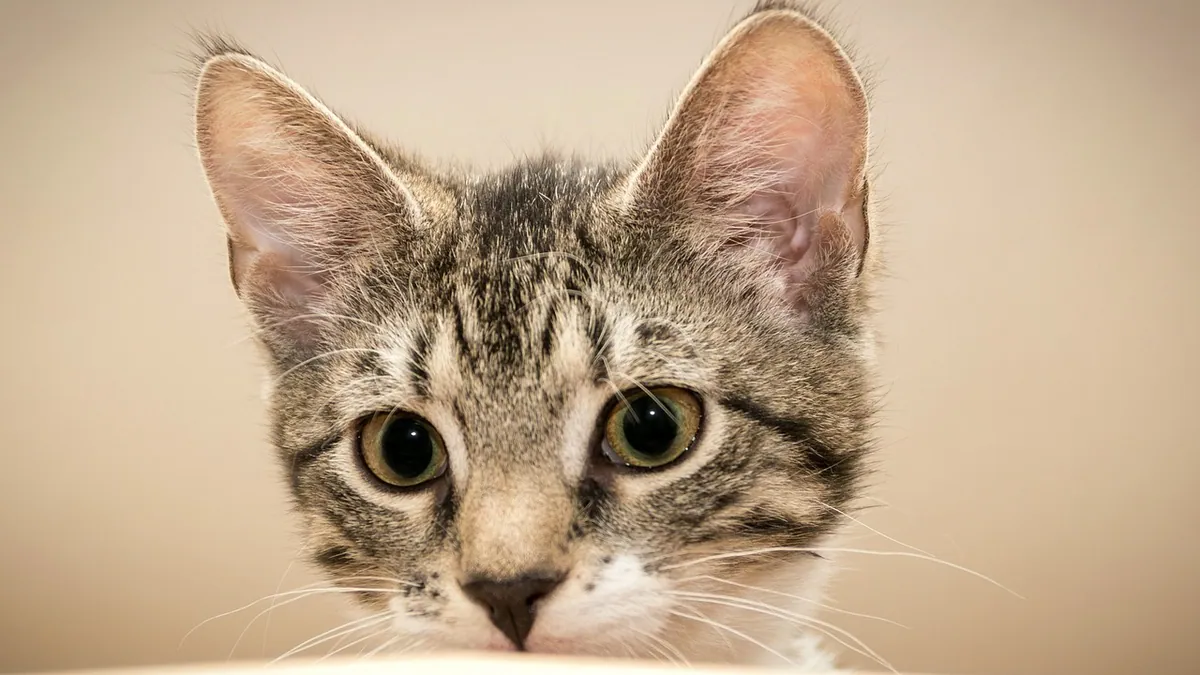
Is cat urine acidic or alkaline? Normal cat urine is usually slightly acidic, with a pH around 6.0 to 6.5, though it can drift toward neutral depending on diet and health. The kidneys and the rest of the urinary tract work constantly to keep that balance steady [1]. This article is educational and is not a substitute for veterinary diagnosis or treatment.
Quick Answer
- Normal feline urine is typically mildly acidic, not strongly acidic and not alkaline.
- Diet is the biggest everyday influence on urine pH. Meat-based foods tend to keep urine more acidic, and some commercial urinary diets are deliberately acidified [2].
- Struvite stones form more readily in alkaline urine, while calcium oxalate stones are linked to more acidic urine [3].
- A single urine pH reading from a dipstick at home is not a diagnosis. It is one clue among many.
- If your cat strains to urinate, cries out, or produces little or no urine, treat it as an emergency and call a veterinarian right away.
What Is Cat Urine pH in Plain Words?
pH is a scale that measures how acidic or alkaline a liquid is. A pH of 7 is neutral. Below 7 is acidic, above 7 is alkaline. Cat urine normally sits on the acidic side of that line, often between 6.0 and 6.5.
That number is not random. The urinary system includes the kidneys, the ureters, the bladder, and the urethra [1]. Together they remove waste products, balance water and electrolytes, and help regulate blood pressure and red blood cell production [1]. Urine pH is a byproduct of all that work, and it reflects what your cat eats and how well the system is functioning.
Urine pH matters mostly because of crystals and stones. Minerals that naturally occur in urine can clump into tiny crystals, and when crystals clump further they form uroliths, also called urinary stones or calculi [4]. Those stones can develop anywhere in the urinary system, including the kidney, ureter, bladder, or urethra [4]. The pH of urine helps determine which minerals are likely to clump and which stay dissolved.
The two most common stone types in cats are struvite and calcium oxalate [4]. There is an apparent reciprocal relationship between them. As struvite stones have become less common over the past 35 years, calcium oxalate stones have become more common [3]. That shift is one reason veterinarians pay attention to urine pH instead of simply pushing it as low as possible.
What Causes Cat Urine to Be Acidic?
Several things push feline urine toward the acidic end of the scale.
Diet. This is the main driver. Meat-based protein produces acidic byproducts that the kidneys excrete. Commercial diets designed to dissolve struvite stones are typically acidified [3]. Controlled dietary acidification is central to struvite prevention, and cat foods may include acidifying agents such as DL methionine, sodium bisulfate, phosphoric acid, or calcium sulfate [2].
Deliberate acidification in prescription diets. If your cat eats a urinary prescription food, its urine pH is being intentionally shifted. In one study, cats fed diets with gradually increasing amounts of sodium bisulfate had average urine pH values of 6.4, 6.2, 6.0, and 5.9 as acidification increased [3]. That is a meaningful range, and it shows how much food alone can move the number.
Body chemistry and kidney function. The kidneys regulate acid-base balance directly. When kidney function changes, urine pH can change with it.
Time since the last meal. Urine pH is not fixed throughout the day. It can shift after eating, which is one reason a single spot check can be misleading.
What Causes Cat Urine to Be Alkaline?
Alkaline urine, meaning pH above 7, is less typical in healthy cats on meat-based diets. When it happens, common contributors include:
- Plant-heavy or unbalanced diets. Cats are obligate carnivores, and their urinary chemistry reflects that.
- Urinary tract infection. Some bacteria split urea into ammonia, which raises pH. A study of dogs and cats found that urine pH was among the values evaluated as a marker of bacteriuria, meaning bacteria in the urine [5]. Infection and pH can be linked, though pH alone does not confirm infection.
- Struvite crystals and stones. Struvite forms more readily in alkaline urine, so the presence of struvite and a high pH often travel together [3].
- Certain medications and fluid therapy. Your veterinarian tracks these when relevant.
- Sample handling. Urine left at room temperature can become more alkaline over time as bacteria multiply. This is a lab issue, not a disease in your cat.
Signs Owners Notice
Urine pH itself has no symptoms. What you notice are the problems that come with crystals, stones, infection, or kidney disease. Watch for:
- Peeing outside the litter box, especially on cool surfaces like tile or a bathtub
- Straining or squatting for a long time with little output
- Crying or vocalizing while urinating
- Blood in the urine, which can look pink, red, or brown
- Licking the genital area more than usual
- Drinking more water and urinating more overall
- Urinating small amounts frequently
- Reduced appetite, hiding, or irritability
Blood in the urine deserves its own look. If you are seeing it, these guides can help you understand what might be behind it: Why Is My Cat having blood in urine? UTI and Bladder Stones Diagnosis and Cat Blood in Urine but Acting Normal: Causes and Next Steps.
Frequent small trips to the box are another pattern worth taking seriously. Cat Urinating Small Amounts Frequently: What It Means and Next Steps walks through the possibilities.
How Veterinarians Diagnose Urinary Problems
Your veterinarian starts with history and a physical exam. The history covers how much your cat drinks, how often it urinates, how much urine it produces, how the urine looks, and how your cat behaves [6]. Your vet will also ask about medications, appetite, diet, weight changes, and previous illnesses or injuries [6].
During the exam, your veterinarian feels the kidneys and bladder, examines the genitalia, and sometimes the rectum [6]. If your cat has trouble urinating, a neurologic exam may be part of the visit [6].
Testing usually includes:
- Urinalysis. Laboratory testing of the urine, which includes pH along with other values [6].
- Blood tests and blood pressure. These assess kidney function and overall health [6].
- Imaging. X-rays, contrast x-rays with a special dye, or ultrasonography can show stones and structural changes [6].
- Cystoscopy. A tube with a small camera is inserted into the urethra so the veterinarian can see the urinary tract directly [6].
- Urine culture. This identifies bacterial infection and which antibiotics will work.
What the Numbers Mean
| Urine pH | What it suggests | What usually comes next |
|---|---|---|
| Below 6.0 | Strongly acidified urine, often from a prescription urinary diet [3] | Confirm the diet is appropriate and monitor for calcium oxalate risk |
| 6.0 to 6.5 | Typical range for a healthy cat on a meat-based diet | No action needed if your cat is well |
| 6.5 to 7.0 | Neutral, borderline | Review diet, water intake, and any symptoms |
| Above 7.0 | Alkaline, which favors struvite [3] | Check for infection and crystals, discuss diet with your vet |
A dipstick pH is a starting point, not a verdict. Your veterinarian interprets it alongside sediment analysis, culture results, imaging, and your cat's signs.
Treatment Options
Treatment targets the underlying problem, not the pH number by itself.
For struvite stones. Because struvite dissolves in acidic urine, veterinarians often use a therapeutic diet designed to acidify urine and reduce stone-building minerals [2]. Controlled dietary acidification is an effective strategy for struvite prevention [2].
For calcium oxalate stones. These do not dissolve with diet. They usually require surgical or procedural removal. Dietary management afterward focuses on reducing risk factors. Increasing dietary potassium has been shown to increase urine production and lower the risk of calcium oxalate formation in senior cats [7]. Your veterinarian will set the specific diet and any supplements based on your cat's weight and health.
For infection. Antibiotics are chosen based on culture results. Never use leftover antibiotics from a previous illness.
For kidney disease. Management focuses on hydration, diet, blood pressure, and regular monitoring. Urine pH is one small part of a larger picture.
For urethral obstruction. This is a life-threatening emergency, most common in male cats. A blocked cat cannot pass urine and needs immediate care.
If your cat has been diagnosed with stones in the upper urinary tract, Kidney Stones in Cats: Diagnosing Nephroliths and Ureteroliths explains how those are found and managed.
Recovery, Outlook, and Long-Term Management
Outlook depends on what caused the problem. Struvite stones that dissolve with diet often resolve within weeks to a few months, with imaging to confirm. Calcium oxalate stones removed surgically have a good short-term outlook, but recurrence is possible, so long-term diet matters.
Kidney disease is usually managed instead of cured. The goal is slowing progression and keeping your cat comfortable.
Long-term management usually includes:
- A consistent diet. Sudden switches between acidifying and non-acidifying foods can swing urine pH. Make changes with your veterinarian.
- Generous water intake. Cats evolved to get much of their water from prey, and many do not drink enough. Across five groups of healthy domestic cats, total daily water intake ranged from 23 to 51 mL/kg of body weight [8]. Wet food is one of the most effective ways to raise water intake.
- Urine specific gravity monitoring. This is the most reported marker used to assess hydration status in cats [8].
- Regular rechecks. Urinalysis, bloodwork, and imaging on a schedule your veterinarian sets.
- Weight and activity management. Obesity and inactivity are common contributors to urinary problems.
Prevention
You cannot control your cat's genetics, and researchers do not completely understand what causes stones to form [4]. Stone formation involves the minerals themselves, other chemicals in urine that normally prevent clumping, and the environment of the urinary tract, all of which can be affected by infection, diet, digestion, urine volume, urination frequency, medications, and genetics [4].
What you can do:
- Feed a complete, balanced diet appropriate for your cat's life stage and health status. If your cat has a history of stones, ask your veterinarian whether a prescription urinary diet is right.
- Maximize water intake. Offer wet food, use a water fountain if your cat prefers moving water, and place multiple water bowls away from the litter box.
- Keep the litter box clean and accessible. Cats that hold urine for long periods give crystals more time to form.
- Do not add acidifiers or supplements on your own. Acidifying urine too much can raise the risk of calcium oxalate stones [3].
- Schedule routine wellness visits. Many urinary problems are caught on routine urinalysis before your cat shows obvious signs.
Limitations and When to Contact a Veterinarian
Home urine pH testing has real limits. Dipsticks can be affected by timing, sample handling, and the food your cat ate hours earlier. A normal pH does not rule out stones, infection, or kidney disease, and an abnormal pH does not confirm any of them. Every individual case needs a veterinarian to interpret the full picture.
Call an emergency clinic now if your cat:
- Is straining to urinate with little or nothing coming out
- Cries out while trying to urinate
- Has a hard, painful belly
- Is vomiting, lethargic, or hiding after urinary signs
- Has not urinated in 12 or more hours
A urethral obstruction can become fatal within a day or two. Do not wait to see if it passes.
Call your veterinarian the same day if your cat:
- Has blood in the urine
- Is urinating much more or much less than usual
- Is having accidents outside the litter box
- Is drinking noticeably more water
Schedule a routine visit if your cat:
- Has a history of crystals or stones and is due for a recheck
- Is eating a urinary diet and you want to confirm it is working
- Has had a single abnormal home pH reading but seems otherwise well
Frequently Asked Questions
Is cat pee acidic?
Yes, normal cat urine is typically mildly acidic, usually around pH 6.0 to 6.5. Meat-based diets and the kidneys' normal acid-base regulation keep it there. If your cat's urine reads alkaline on a dipstick, that is worth mentioning to your veterinarian.
Does acidic cat urine mean my cat has a problem?
Not by itself. Mild acidity is normal, and prescription urinary diets intentionally push pH lower to dissolve struvite stones. Very acidic urine over a long period is associated with higher calcium oxalate risk, which is why your veterinarian monitors the whole picture instead of chasing a single number.
Can I test my cat's urine pH at home?
You can, and many owners do, but the result is only a rough clue. Collection timing, sample age, and diet all affect the reading. Bring the results to your veterinarian instead of changing your cat's diet based on a dipstick alone.
Does wet food change cat urine pH?
Wet food mainly helps by increasing water intake, which dilutes urine and lowers the concentration of stone-forming minerals. Some wet foods are also formulated to acidify urine. Your veterinarian can tell you whether your cat needs a specific therapeutic formula.
Can urine pH alone tell me if my cat has a urinary tract infection?
No. Infection is confirmed with a urine culture, not a pH reading. Urine pH was evaluated as one possible marker of bacteria in the urine in a study of dogs and cats, but it is not a substitute for culture [5]. If you suspect an infection, see your veterinarian.
Related Articles
- Why Is My Cat having blood in urine? UTI and Bladder Stones Diagnosis
- Cat Blood in Urine but Acting Normal: Causes and Next Steps
- Kidney Stones in Cats: Diagnosing Nephroliths and Ureteroliths
- Cat Urinating Small Amounts Frequently: What It Means and Next Steps
- What Are The Signs That My Cat Has A Urinary Tract Infection
- Signs Of A Urinary Tract Infection In My Cat
- Cat Pee Smells Like Ammonia? What the Odor Means
- Bilirubin Crystals in Cat Urine: What They Mean
- Protein in Cat Urine: Causes, Symptoms, and Next Steps
- Clinical Biochemistry and Urinalysis
References
- The Urinary System of Cats - Cat Owners. Merck Veterinary Manual.
- Revisiting feline urinary tract health: the role of diet and acidifying agents in urolith prevention and long-term cat health. Journal of animal science, 2026.
- The effect of urine acidification on calcium oxalate relative supersaturation in cats. Journal of animal physiology and animal nutrition, 2021.
- Urinary Stones (Uroliths, Calculi) in Cats - Cat Owners. Merck Veterinary Manual.
- Evaluation of haem dipstick pad, urine protein, urine pH and urine protein:creatinine ratio results as a marker of bacteriuria in dogs and cats with inactive urine sediment. The Journal of small animal practice, 2023.
- Detecting Disorders of the Kidneys and Urinary Tract of Cats - Cat Owners. Merck Veterinary Manual.
- Increasing Dietary Potassium Enhances Urine Production and Reduces Risk of Calcium Oxalate Stone Formation in Senior Cats. Animals : an open access journal from MDPI, 2026.
- Diet format, protein, amino acids, salt, and osmolytes, as well as water viscosity, affect water consumption in domestic cats: a scoping review of 32 publications (published from 1975 to 2025) on water intake, hydration status, and related health outcomes. Journal of animal science, 2026.