Why Does My Cat's Urine Smell So Strong? Causes and Fixes
By Dr. Zubair Khalid, DVM, MS, PhD ·
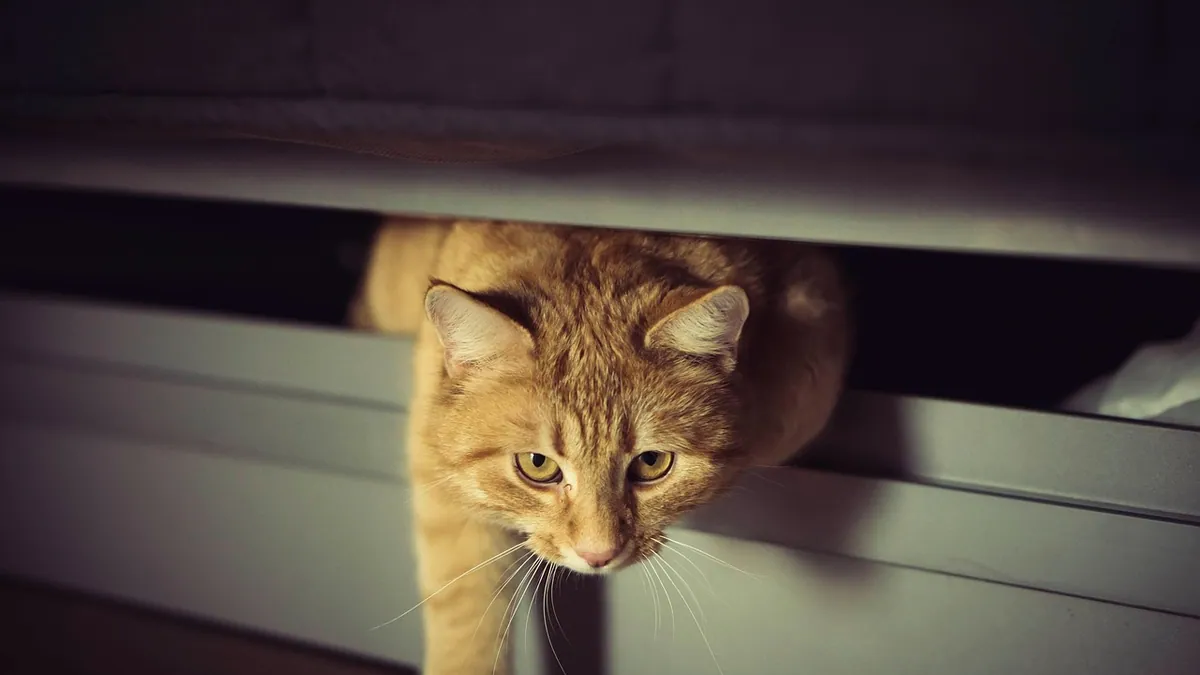
Strong-smelling cat urine is often just normal, concentrated urine, especially if your cat eats dry food or drinks little. But when the odor changes suddenly, gets worse over days, or comes with straining, accidents, or blood, it can point to a urinary tract infection, crystals, dehydration, or kidney disease. This article explains why does my cat urine smell so strong and what to do next.
This article is educational and is not a substitute for veterinary diagnosis or treatment.
Quick Answer
- Normal cat urine has a strong, ammonia-like or "catty" odor because of sulfur-containing compounds called felinine derivatives [1].
- Dry food, low water intake, and warm weather make urine more concentrated, which makes any odor stronger.
- A sudden change in smell, especially with straining, frequent trips to the litter box, or peeing outside the box, needs a urine test.
- Cats with advanced kidney disease often have weaker urine odor, not stronger, because felinine excretion drops [1].
- Never give human antibiotics or change your cat's diet to "fix" the smell without veterinary guidance.
What Cat Urine Normally Smells Like
Normal cat urine has a distinct, pungent odor. That smell comes largely from felinine, an amino acid that cats produce and excrete in urine. Felinine breaks down into several volatile sulfur compounds that give cat urine its characteristic "catty" odor [1]. This is normal cat biology, not a sign of illness by itself.
Concentration matters. The more concentrated the urine, the stronger the smell. A cat that drinks plenty of water and eats wet food will usually have more dilute urine and a milder odor. A cat on dry food only, or one that does not drink much, will have more concentrated urine and a stronger smell.
Urine that sits in the litter box also gets stronger over time. Bacteria break down urea into ammonia, so a box cleaned once a week will smell much worse than one scooped daily. That is a litter box issue, not a cat issue.
Why Does My Cat Urine Smell So Strong? Main Causes
Several things can make cat urine smell stronger than usual. Some are harmless. Others need a veterinarian.
Diet and Water Intake
Dry food contains very little moisture. Cats evolved from desert ancestors and have a naturally low thirst drive, so a dry-food cat may run mildly dehydrated. Concentrated urine smells stronger. Wet food, water fountains, and multiple water bowls can dilute the urine and reduce odor.
Dehydration
Any cause of dehydration concentrates the urine. This includes not drinking enough, vomiting, diarrhea, fever, or hot weather. You may notice less urine in the box, darker color, or a stronger smell. Dehydration is a symptom, not a diagnosis, so the underlying cause matters.
Urinary Tract Infection
Bacterial urinary tract infections (UTIs) are less common in cats than in dogs, but they do happen. Infection can change the odor and often comes with straining, frequent small urinations, licking at the genital area, or peeing outside the box. If you see these signs, read What Are The Signs That My Cat Has A Urinary Tract Infection and What Can Cause A Urinary Tract Infection In A Cat.
Crystals and Bladder Stones
Struvite and calcium oxalate crystals can irritate the bladder lining and change urine odor. They also cause pain, straining, and blood in the urine. Male cats are at higher risk of a life-threatening urethral blockage, which is an emergency.
Kidney Disease
This one surprises many owners. Cats with progressive kidney disease often have weaker urine odor, not stronger, because their kidneys excrete less felinine and its precursors [1]. A study of 40 normal cats and 66 cats with renal disease found urinary felinine dropped significantly as kidney disease advanced [1]. So if your cat's urine suddenly smells much less "catty," that can also be a warning sign.
Hormonal Causes
Rarely, a spayed female cat can have an ovarian remnant that produces hormones. One case report described an 11-year-old spayed cat with weight loss, aggression, urine spraying, and malodorous urine. Testing showed high androstenedione and testosterone, and surgery found an ovarian remnant. Signs resolved within two weeks after removal [2]. This is uncommon, but it is a reason a veterinarian may recommend hormone testing in a spayed cat with sudden odor and behavior changes.
Litter Box and Environmental Factors
A dirty box, plastic litter liners that trap odor, and covered boxes with poor airflow all concentrate smell. So does a multi-cat household where boxes are not scooped often enough. This is not a medical cause, but it is the most common reason owners notice a strong smell.
Cause Table
| Cause | Typical clues | How urgent |
|---|---|---|
| Normal concentrated urine | Strong smell, no other signs, cat acts normal | Routine, monitor |
| Dry food or low water intake | Strong smell, small urine clumps, cat healthy | Routine, try wet food |
| Dehydration | Less urine, darker color, lethargy, vomiting, diarrhea | Same-day if lethargic |
| Urinary tract infection | Straining, frequent small pees, accidents, licking | Same-day |
| Crystals or stones | Straining, blood, crying in box, small amounts | Same-day, emergency if no urine |
| Kidney disease | Weaker urine odor, weight loss, more drinking and peeing | Same-day to routine |
| Ovarian remnant (spayed female) | Spraying, aggression, estrus behavior, weight loss | Routine, schedule testing |
| Dirty litter box | Smell in box only, cat healthy | Home fix |
Red Flags That Make It an Emergency
Some urinary signs cannot wait. Go to an emergency clinic now if your cat:
- Cries out or strains in the litter box with little or no urine coming out
- Makes repeated trips to the box with nothing or only drops
- Has a hard, painful belly
- Is vomiting, hiding, or collapsing
- Is a male cat who cannot urinate at all
A urethral obstruction blocks urine from leaving the body. This is fatal within a day or two without treatment. Do not wait to see if it passes.
Other signs need a same-day vet visit:
- Blood in the urine
- Peeing outside the box when the cat normally uses it
- Drinking and urinating much more than usual
- Weight loss
- Bad-smelling urine plus fever or lethargy
If your cat is drinking and urinating a lot, that pattern can point to kidney disease, diabetes, or hyperthyroidism. Read Cat Urinating a Lot and Drinking a Lot: Causes and When to Test for more on that pattern.
What You Can Do at Home While You Wait
You cannot diagnose the cause at home, but you can make your cat more comfortable and collect useful information.
Increase Water Intake
Offer wet food, add a little warm water to food, and place multiple water bowls around the house. A pet water fountain often encourages drinking. More water means more dilute urine and less odor.
Keep the Box Clean
Scoop at least once a day. Dump and wash the box weekly with mild soap and water. Avoid strong scented cleaners, which can irritate a cat's airways and discourage box use. Replace litter that has absorbed odor.
Track the Signs
Write down how often your cat urinates, how much, whether there is straining, and whether the smell changed suddenly. Note any changes in drinking, appetite, weight, or behavior. This information helps your veterinarian.
Do Not Do These Things
Do not give human antibiotics, pain relievers, or urinary supplements. Do not change to a prescription urinary diet without veterinary guidance. Do not use ammonia-based cleaners near the box, since ammonia smells like urine and can encourage repeat marking.
Reduce Stress
Stress can trigger urinary problems in cats. Provide one litter box per cat plus one extra, place boxes in quiet spots, and give each cat its own resources. If your cat is sneezing or has other signs of illness, that is a separate issue. See Why Is My Cat Sneezing So Much And Has A Runny Nose if that applies.
What Your Veterinarian Will Check and Test
Your veterinarian will start with a full history and physical exam. They will feel your cat's bladder and kidneys and check for pain, size changes, or a full bladder.
Urinalysis
This is the core test. It checks urine concentration (urine specific gravity), pH, protein, blood, crystals, and signs of infection. A urine specific gravity of 1.035 or higher generally means well-concentrated urine. A study of 15,027 apparently healthy cats found that poorly concentrated urine in mature cats was linked to a higher risk of developing chronic kidney disease over the next two years [3]. That is why your vet may repeat urine tests over time.
Urine Culture
If infection is suspected, a culture identifies the bacteria and the right antibiotic. This matters because guessing can lead to the wrong drug.
Blood Work
Blood tests check kidney values, electrolytes, blood sugar, and thyroid hormone. They help separate kidney disease from diabetes, hyperthyroidism, and other causes.
Imaging
X-rays or ultrasound can find bladder stones, crystals, tumors, or an ovarian remnant in a spayed cat [2].
Hormone Testing
If your spayed female cat shows spraying, aggression, or estrus behavior with smelly urine, your vet may run an ACTH stimulation test with an adrenal panel to check for abnormal hormone levels [2].
Prevention and Monitoring
You cannot prevent every urinary problem, but you can lower risk and catch changes early.
- Feed wet food or a mixed diet to boost water intake.
- Keep fresh water available in several spots.
- Scoop the box daily and wash it weekly.
- Schedule yearly wellness exams with a urinalysis, especially for cats over 7.
- Watch for changes in urine odor, volume, and frequency.
- Ask your vet about monitoring urine specific gravity over time, since poor concentration can signal early kidney risk [3].
If your cat's urine odor changes and stays changed for more than a day or two, get a urine test. A simple test can separate a harmless diet effect from an infection or kidney problem.
Limitations and When to Contact a Veterinarian
This article cannot tell you what is causing your cat's urine odor. Only a veterinarian who examines your cat and runs tests can do that. Individual cases need a veterinarian.
Contact your veterinarian the same day if you see straining, blood, accidents outside the box, or a sudden odor change. Go to an emergency clinic now if your cat cannot urinate, cries in the box, or has a painful belly. Schedule a routine visit if the smell is mild but persistent, or if your cat is a senior and has not had a urinalysis in the past year.
Frequently Asked Questions
Is strong-smelling cat urine always a sign of illness?
No. Normal cat urine has a strong odor because of felinine compounds, and concentrated urine smells stronger [1]. Illness is more likely when the smell changes suddenly or comes with straining, accidents, or blood.
Does dry food make cat urine smell worse?
Yes, often. Dry food has little moisture, so cats on dry food tend to produce more concentrated urine, which smells stronger. Adding wet food and water sources usually reduces the odor.
Can a urinary tract infection cause smelly urine in cats?
Yes. Infection can change urine odor and often comes with straining, frequent small urinations, and peeing outside the box. A urinalysis and urine culture confirm the diagnosis and guide treatment.
Why does my cat's urine smell less strong than before?
Weaker urine odor can be a sign of kidney disease. Cats with advanced renal disease excrete less felinine, the compound behind the "catty" odor [1]. If the smell fades along with weight loss or increased drinking, see your vet.
Should I change my cat's litter if the urine smells strong?
A clean box helps, but litter alone will not fix a medical cause. Scoop daily, wash the box weekly, and see your vet if the smell persists or comes with other signs.
Related Articles
- Why Does My Cat's Breath Smell?
- Cat Urinating a Lot and Drinking a Lot: Causes and When to Test
- What Can Cause A Urinary Tract Infection In A Cat
- Why Is My Cat Sneezing So Much And Has A Runny Nose
- What Are The Signs That My Cat Has A Urinary Tract Infection
- Why Is My Cat So Itchy?
- Why Is My Cat's Pee Thick or Very Strong?
- Cat Urine Smell: Safe Home Remedies and Cleaning Tips
- Why Is My Cat's Pee Foamy? Causes and When to Worry
References
- Reduction of urinary felinine in domestic cats with renal diseases leads to decreased catty odor. The Journal of veterinary medical science, 2025.
- Hyperandrogenism associated with an ovarian remnant in a spayed female cat. JFMS open reports, 2019.
- Poorly concentrated urine is associated with an increased risk of developing chronic kidney disease in apparently healthy cats. Journal of the American Veterinary Medical Association, 2026.