How to Stop Your Cat Urine Marking in the House
By Dr. Zubair Khalid, DVM, MS, PhD ·
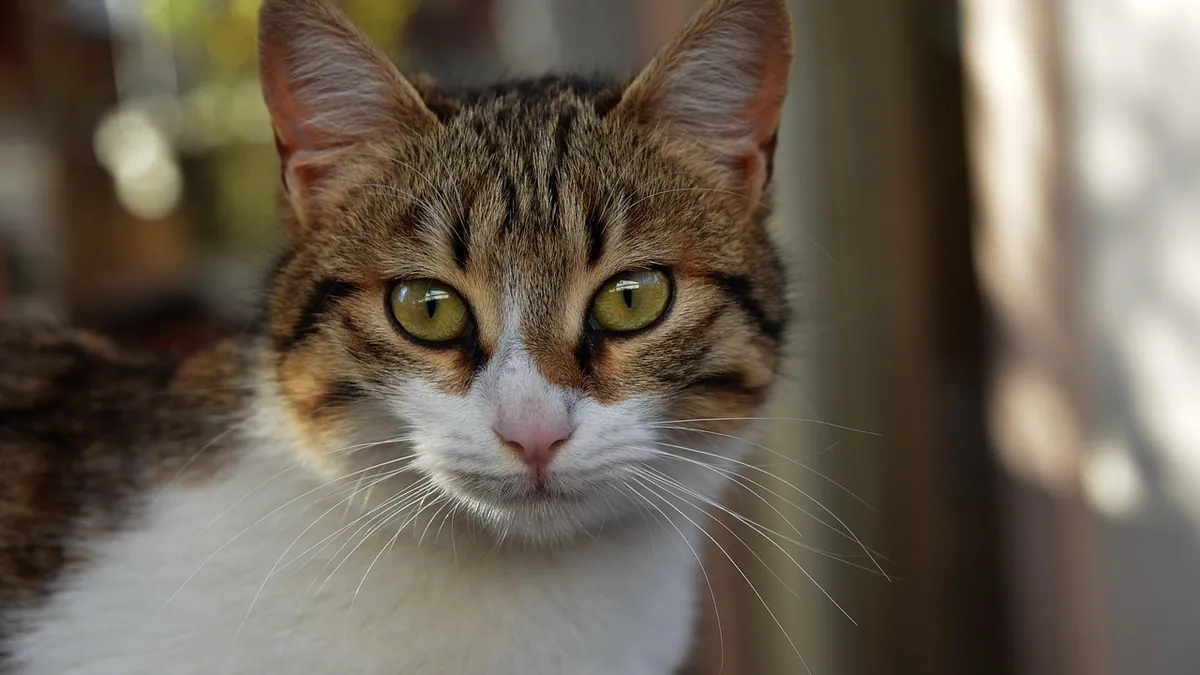
Urine marking is a communication behavior, not a litter box accident, and the fix depends on which one you are dealing with. Most owners can reduce or stop marking by addressing stress, hormones, and litter box setup, with help from a veterinarian when needed. This article explains how to stop my cat from urine marking and when the behavior signals a medical problem.
This article is educational and is not a substitute for veterinary diagnosis or treatment.
Quick Answer
- First, tell marking apart from house soiling. Marking is usually a small amount of urine on a vertical surface from a standing cat, while house soiling is a full bladder or bowel movement on a horizontal surface [1].
- Neuter or spay your cat if they are still intact. Hormones drive a large share of marking behavior, especially in males [1].
- Add at least one more litter box than you have cats, scoop daily, and use a large box (about 50 cm or longer) with clumping clay litter [2][3].
- Use a feline pheromone diffuser to lower stress, which can reduce the frequency and intensity of marking [4].
- See your veterinarian if marking starts suddenly, if your cat strains to urinate, or if there is blood in the urine.
What Urine Marking Looks Like and What Is Normal
Cats mark to leave messages for other cats. It is indirect communication, a way to say "I was here" or "this is mine" without a face to face fight [5]. Both male and female cats can mark, and both intact and neutered cats can do it [1].
The classic sign is urine sprayed onto a vertical surface while the cat stands, often with the tail quivering. The amount is usually small. Common targets include walls, door frames, curtains, and the sides of furniture [1]. Marking can also happen on horizontal surfaces, which makes it harder to tell apart from a litter box problem [1].
Here is the part that confuses many owners. A cat who marks still uses the litter box for normal urination and defecation. Finding urine in the box does not rule out marking outside the box [5]. Roughly 30% of cats who eliminate outside the box do not have a litter box problem at all. They are marking [5].
Inappropriate elimination is the most common behavior problem reported by cat owners, and about 10% of all cats will eliminate outside the litter box at some point in their lives [5]. House soiling is also a leading reason owners surrender cats to shelters, so this problem deserves real attention [2].
Why Cats Start Marking: Main Causes
Marking is a normal feline behavior that becomes a problem when it targets your home [1]. The cause shapes the fix, so it helps to sort out which trigger fits your cat.
| Cause | Typical clues | How urgent |
|---|---|---|
| Intact status (not neutered or spayed) | Adult cat, often male, sprays vertical surfaces, may yowl or roam | Routine, but schedule soon |
| Stress or change | New pet, new baby, moved furniture, outdoor cats visible through windows | Routine, address early |
| Multi-cat tension | Marking near doors, windows, or shared resources | Routine |
| Litter box dislike | Small box, dirty box, covered box, scented litter | Routine |
| Medical problem | Straining, blood, frequent small trips, crying while urinating | Same day or emergency |
Hormones and Intact Status
Intact males and females spray to signal they are available for mating [1]. Neutering removes much of that hormonal drive, which is why it is one of the most reliable steps for an intact cat. If your cat is already neutered or spayed, hormones are less likely to be the main driver and you should look at stress and environment instead.
Stress and Change
Cats mark more when they feel their territory is under threat. A new cat, a new dog, a move, or even a new piece of furniture can set it off. The number of dogs and other cats in the household is linked to house soiling in large surveys of cat owners [3]. Stress related marking is not spite. It is your cat trying to feel safe.
Litter Box Problems
Even true markers can start marking more when their box setup is poor. Cats in one study preferred boxes measuring at least 50 cm and clumping clay litter, and giving them both reduced house soiling and signs of dissatisfaction during elimination [2]. Litter box number, type, location, litter type, and how often you scoop and fully replace litter all matter [3]. Daily scooping and weekly full litter replacement were common practices in a large survey of cat owners [6].
Medical Problems
Any cat who suddenly starts urinating outside the box needs a veterinary check. Bladder stones, urinary tract infections, kidney disease, diabetes, and arthritis can all change urination behavior. Painful urination can look like marking because the cat associates the box with discomfort.
Red Flags That Make It an Emergency
Some urinary signs cannot wait. Call your veterinarian right away or go to an emergency clinic if you see any of these.
- A male cat who is straining, crying, or producing little or no urine. This can be a urethral blockage, which is life threatening within hours.
- Blood in the urine, or urine that looks pink or dark.
- Frequent trips to the box with almost nothing coming out.
- Vomiting, lethargy, or hiding along with urinary changes.
- Sudden marking in an older cat who never did it before.
If your cat is drinking more or less than usual, you can check hydration at home with How to Check Your Cat's Hydration at Home before your visit.
Safe Things You Can Do at Home While Waiting
You can start several low risk steps today. None of them replace a veterinary exam if your cat has medical signs.
Reset the Litter Box Setup
- Provide one box per cat plus one extra.
- Choose large, uncovered boxes about 50 cm or longer [2].
- Use unscented clumping clay litter, which cats preferred in a controlled study [2].
- Scoop at least once daily and fully replace litter weekly [6].
- Place boxes in quiet spots with more than one exit route.
Lower Stress With Pheromones
A commercial feline pheromone diffuser can help. In a six week study of 384 households, half the participants used a pheromone diffuser, and the tool was part of assessing and reducing problem behaviors including urine marking [4]. Pheromones are not a cure on their own, but they can take the edge off while you fix the root cause.
Manage the Marked Spots
Clean soiled areas with an enzymatic cleaner made for pet urine. Regular household cleaners may leave scent cues that invite repeat marking. Do not punish your cat. Punishment increases stress and can make marking worse.
Reduce Territorial Pressure
If you have multiple cats, add resources. More boxes, more water bowls, more resting spots, and separate feeding areas reduce competition. If outdoor cats visit your windows, block the view with curtains or window film.
Address Scratching and Other Stress Behaviors
Scratching and marking often travel together because both are territorial behaviors. If your cat is also damaging furniture, these guides can help: What Can I Use To Stop My Cat From Scratching My Furniture and How To Stop A Cat From Scratching A Sofa. For carpet damage, see How to Stop a Cat from Scratching the Carpet: Effective Deterrents.
What Your Veterinarian Will Check and Test
Your veterinarian will start with a full history. Bring notes on when marking started, where it happens, how often, and any changes at home. Photos or video of the behavior help a lot.
The physical exam focuses on the urinary system, the abdomen, and the joints. Your veterinarian will likely collect a urine sample to check for infection, crystals, blood, and concentration. Blood work can screen for kidney disease, diabetes, and thyroid problems. In some cats, imaging such as an ultrasound or X rays is needed to look for stones or bladder changes.
If medical causes are ruled out, the diagnosis is behavioral marking. Your veterinarian may discuss neutering if your cat is intact, since hormones drive much of this behavior [1]. For stress related marking, your veterinarian may recommend pheromone products, environmental changes, or in some cases behavior medication. Any medication dose is calculated by your veterinarian from your cat's weight and health, so never use a dose from the internet or from another pet.
Your veterinarian may also ask about litter management in detail. Meeting your cat's preferences for litter and box type, location, behavioral needs, and strict litter hygiene is the recommended approach to prevent and manage house soiling [3].
Prevention and Monitoring
Prevention starts before marking becomes a habit.
- Spay or neuter your cat at the recommended age.
- Set up boxes correctly from day one: large, uncovered, unscented clumping litter, one per cat plus one [2][3].
- Scoop daily and replace litter weekly [6].
- Keep a stable routine. Cats do better with predictable feeding, play, and quiet spaces.
- Introduce new pets slowly and give each cat their own resources.
- Watch for early signs, such as sniffing walls, spraying small amounts, or avoiding the box.
Keep a simple log for two to four weeks after any change. Note the date, location, and amount of any marking. This record helps you see what works and gives your veterinarian useful information if the problem continues.
Limitations and When to Contact a Veterinarian
Marking is treatable, but no single fix works for every cat. Some cats need a combination of neutering, litter changes, pheromones, and stress reduction. Some need prescription behavior medication. Individual cases need a veterinarian who can examine your cat and tailor a plan.
Contact your veterinarian the same day if your cat starts marking suddenly, if urination seems painful, or if you see blood. Go to an emergency clinic now if a male cat is straining to urinate with little or no output, or if your cat is vomiting, weak, or collapsed. Schedule a routine visit if marking has been going on for weeks, if you have tried home changes without improvement, or if your cat is intact and you want to discuss neutering.
Frequently Asked Questions
Does neutering stop urine marking?
Neutering reduces marking in many intact cats because the behavior is tied to mating signals [1]. It works best when done before marking becomes a long standing habit. Some neutered cats still mark, usually because of stress or territory issues, so plan on combining neutering with litter box and environment changes.
Is my cat marking or just missing the litter box?
Marking is usually a small amount of urine on a vertical surface from a standing cat, while house soiling is a full void on a horizontal surface [1]. A cat who marks still uses the litter box normally for other trips [5]. If you are unsure, your veterinarian can help sort it out.
Will a pheromone diffuser really help?
A pheromone diffuser can reduce the frequency and intensity of problem behaviors like marking, and it was used as part of a structured behavior assessment in a large study [4]. It works best alongside other changes, such as more litter boxes and stress reduction. It is not a stand alone cure.
How many litter boxes does my cat need?
Provide one box per cat plus one extra, and make each box large, about 50 cm or longer [2]. Cats in one study preferred large boxes with clumping clay litter, and that setup reduced house soiling [2]. Scoop daily and fully replace litter weekly [6].
Can stress alone cause urine marking?
Yes. Cats mark more when they feel their territory is threatened, and the number of other cats and dogs in the home is linked to house soiling [3]. New pets, moves, and outdoor cats at the windows are common triggers. Reducing stress and adding resources often lowers marking.
Related Articles
- Cat Spraying in the House: How to Stop It
- What Can I Use To Stop My Cat From Scratching My Furniture
- How to Stop a Cat from Scratching the Carpet: Effective Deterrents
- How to Check Your Cat's Hydration at Home
- How To Stop A Cat From Scratching A Sofa
- Why Is My Cat Suddenly Peeing on the Wall?
- How to Stop Your Cat Peeing on Beds and Floors
- Why Is My Cat Territorial? Managing Aggression and Marking
- Cat Urine Smell: Safe Home Remedies and Cleaning Tips
References
- Common feline problem behaviors: Urine spraying. Journal of feline medicine and surgery, 2019.
- Litter box size and litter type preference and their associated behavioral changes in cats. The Journal of veterinary medical science, 2025.
- Factors associated with house-soiling in Italian cats. Journal of feline medicine and surgery, 2023.
- Development of a Cat Behaviour Issues Assessment Scale (CABIAS) Assessing Problem Behaviours in Cats. Animals : an open access journal from MDPI, 2023.
- Urine Marking in Cats. ASPCA Animal Poison Control Center.
- Litter Management Practices and House-Soiling in Italian Cats. Animals : an open access journal from MDPI, 2023.