Cat Not Gaining Weight or Losing Weight: Causes
By Dr. Zubair Khalid, DVM, MS, PhD ·
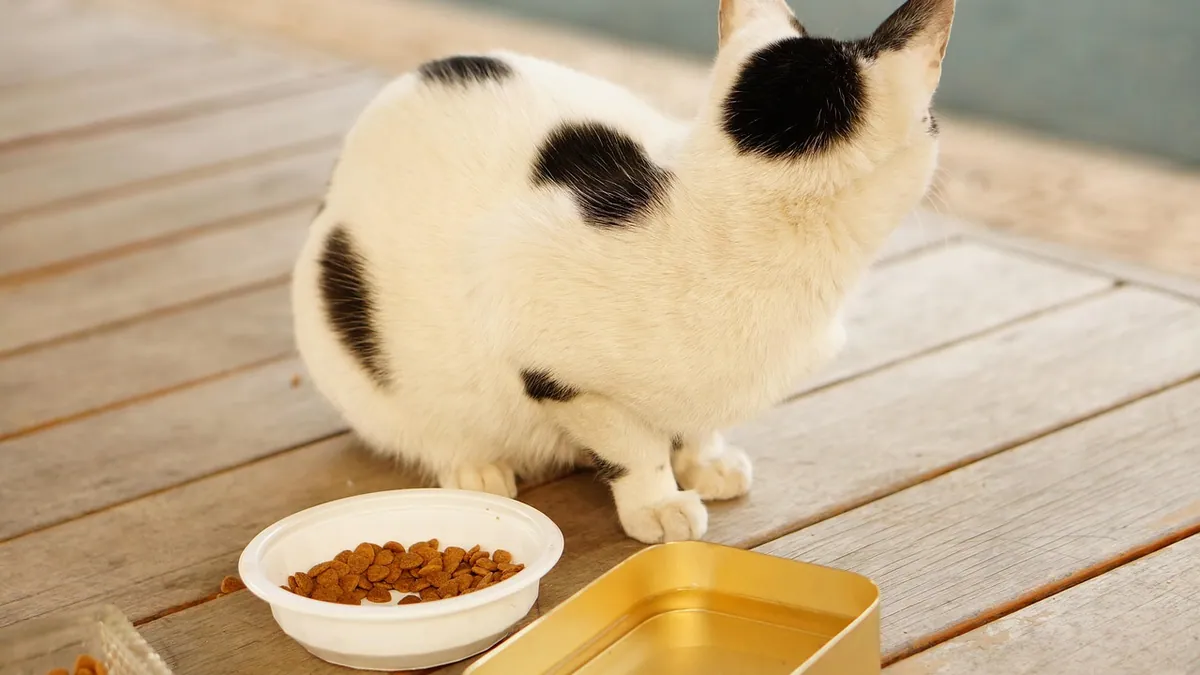
Weight change in a cat is one of the most useful signals you have about their health. A cat not gaining weight may have a medical problem, a diet problem, or both, and the same is true for a cat who is losing weight without trying. Because cats hide illness well, the scale often speaks before your cat does.
This article is educational and is not a substitute for veterinary diagnosis or treatment.
Quick Answer
- A growing kitten should gain weight steadily. A kitten who eats well but stays thin needs a veterinary exam, not a bigger bowl.
- An adult cat who loses weight while eating normally is a classic sign of hyperthyroidism, along with a ravenous appetite and increased thirst and urination [1].
- An adult cat who stops eating and loses weight may have stomach or intestinal inflammation, dental pain, kidney disease, or another treatable problem [2].
- A cat who is not losing weight on a diet is usually eating more calories than you think, or the diet is not calorie-restricted enough for that cat [3].
- Weigh your cat at home every 2 to 4 weeks and write the number down. Trends matter more than any single weight.
What Weight Change Looks Like and What Is Normal
Weight is not a single number. It is a trend over time, and it should be read alongside body condition score (BCS) and muscle condition score. BCS is a hands-on estimate of fat cover over the ribs, spine, and hips. Muscle condition score looks at muscle mass over the spine, shoulder blades, and skull.
In a large study of clinical records, BCS and body weight in cats increased with age until about 9 years, then declined [4]. That pattern means some weight gain in middle age is common, and some weight loss in senior cats is common. Common is not the same as harmless.
For kittens, steady growth is the goal. A kitten who is not gaining weight despite eating is a medical concern at any age, because growth is the most energy-demanding period of a cat's life.
For adults, unintended loss of 5% or more of body weight is meaningful. That is the threshold used in a clinical trial of cats with chronic kidney disease and unintended weight loss [5]. For a 10-pound cat, 5% is about 8 ounces.
For cats on a weight-loss plan, the goal is controlled loss of fat while preserving muscle. A stalled scale is frustrating, but it is not automatically a disease sign.
Why Is My Cat Not Gaining Weight or Losing Weight?
The causes split into three groups: kittens who fail to grow, adults who lose weight without trying, and adults who will not lose weight on a diet.
Kitten Not Gaining Weight Despite Eating
A kitten who eats normally but stays small or thin often has one of these problems:
- Intestinal parasites, which steal nutrients and cause diarrhea or a potbelly
- Stomach or intestinal inflammation, which reduces nutrient absorption [2]
- A diet that is not complete and balanced for growth
- A congenital problem, such as a heart defect or liver shunt
- Chronic viral infection, including feline leukemia virus or feline immunodeficiency virus
Kittens have small reserves. A kitten who is not gaining weight for more than a few days should be seen promptly.
Cat Losing Weight and Not Eating
When a cat stops eating and loses weight, the list of causes is long. Stomach and intestinal inflammation is a common one, and treatment depends on the cause. Your veterinarian may withhold food for 24 to 48 hours to rest the digestive system, then restart feeding with added soluble fiber or a novel protein source such as lamb, venison, or rabbit [2].
Other common causes include:
- Dental disease or oral pain
- Kidney disease
- Pancreatitis
- Cancer
- Stress or a recent change at home
- A food that the cat dislikes or cannot smell well
A cat who refuses food for more than 24 hours needs veterinary attention. Cats who stop eating can develop serious liver problems quickly.
Cat Losing Weight but Eating Well
This pattern points strongly toward hyperthyroidism. Hyperthyroidism is caused by excess thyroid hormone production from an enlarged thyroid gland, usually due to a non-cancerous tumor called an adenoma [1]. Thyroid hormones affect nearly every organ, so the disease causes secondary problems throughout the body [1].
The most common signs are weight loss, increased appetite, and increased thirst and urination. Vomiting, diarrhea, and hyperactivity are also common, and the coat may look unkempt, matted, or greasy [1].
Diabetes, intestinal disease, and cancer can also cause weight loss with a normal or increased appetite.
Cat Not Losing Weight on a Diet
If your cat is not losing weight on a diet, the math is usually the problem. Overweight and obesity are the most common nutritional disorder in domestic cats, and the causes are complex. They involve genetics, age, sex, neutering status, environment, and owner behavior [3].
Neutered cats are more prone to obesity, and the age at neutering may matter. Cats neutered at 7 to 12 months had a less rapid age-related rise in body weight and BCS than cats neutered earlier [4].
Two practical issues drive stalled weight loss:
- Portion creep. Free feeding, treats, table food, and multiple cats sharing bowls all add calories.
- The diet itself. A study of obese cats on energy restriction found that some over-the-counter low-calorie and adult maintenance diets did not meet recommended intakes for certain nutrients when calories were cut [6]. A veterinary weight-loss diet is designed to restrict calories while still meeting nutrient needs [6].
If your cat is not losing weight on a diet, see How To Get An Overweight Cat To Lose Weight and Weight Loss For Cats.
Cause Table
| Cause | Typical clues | How urgent |
|---|---|---|
| Hyperthyroidism | Weight loss with a huge appetite, increased thirst and urination, vomiting, hyperactivity, greasy coat [1] | See a vet within days |
| Stomach or intestinal inflammation | Vomiting, diarrhea, poor appetite, weight loss [2] | See a vet within days |
| Intestinal parasites (kittens) | Potbelly, diarrhea, poor growth despite eating | See a vet within days |
| Dental disease | Dropping food, chewing on one side, bad breath, drooling | See a vet within days |
| Kidney disease | Increased thirst and urination, weight loss, poor coat | See a vet within days |
| Cancer | Weight loss, poor appetite, a lump, lethargy | See a vet within days |
| Sarcopenia or cachexia in older cats | Muscle loss over the spine and hips, weakness, frailty [7] | Routine visit, sooner if rapid |
| Diet or portion problem | Normal exam, normal bloodwork, no weight change on a measured diet | Routine visit |
Red Flags That Make It an Emergency
Go to an emergency clinic now if your cat has any of these:
- Trouble breathing or open-mouth breathing
- Collapse, weakness, or inability to stand
- Repeated vomiting with no food kept down for 24 hours
- No food eaten for more than 24 to 48 hours
- Jaundice (yellow skin, gums, or eyes)
- Seizures or severe disorientation
- Straining to urinate or no urine produced
Call your veterinarian the same day if your cat has:
- Weight loss of 5% or more since the last visit [5]
- A sudden drop in appetite
- Vomiting or diarrhea lasting more than 2 days
- Increased thirst and urination with weight loss [1]
- A kitten who has not gained weight in a week
Safe Things You Can Do at Home While Waiting
You cannot diagnose this at home, but you can gather useful information and avoid harm.
- Weigh your cat on a baby scale or a kitchen scale with a box. Use the same scale, same time of day, and same clothing on the box. Write down the number.
- Measure food with a kitchen scale in grams, not a scoop. Scoops vary widely.
- Count every calorie source, including treats, dental chews, milk, and food stolen from other pets.
- Feed meals instead of free feeding so you can see how much your cat actually eats.
- Separate cats at feeding time if you have more than one.
- Keep a simple log of appetite, water intake, litter box output, vomiting, and stool quality.
- Warm food slightly to boost aroma if your cat seems to have a poor appetite. Ask your vet first if your cat has a medical condition.
- Do not change to a new prescription diet or add supplements without asking your veterinarian.
Do not give human medications, appetite stimulants, or dewormers without veterinary guidance. Some common human drugs are toxic to cats.
What Your Veterinarian Will Check and Test
Your veterinarian will start with a full physical exam, including weight, BCS, muscle condition score, and a hands-on thyroid check. They will look at the teeth, listen to the heart and lungs, and feel the abdomen.
For older cats with muscle loss, a muscle condition score can help detect problems early. Age-related muscle loss from sarcopenia and cachexia is common in older cats and contributes to frailty, which affects quality of life and survival time [7]. In some cats, body fat is preserved while muscle is lost, a pattern called sarcopenic obesity [7].
Common tests include:
- Complete blood count and chemistry panel
- Thyroid hormone level (T4), especially in cats over 8 years [1]
- Urinalysis and urine culture
- Fecal exam and parasite testing
- Feline leukemia and immunodeficiency virus testing in kittens and new cats
- Abdominal ultrasound or X-rays
- Blood pressure measurement
If your cat has chronic kidney disease with unintended weight loss, your veterinarian may discuss capromorelin. In a randomized, masked, placebo-controlled trial of 176 cats with chronic kidney disease and at least 5% unintended weight loss, cats given capromorelin gained weight over 55 days while cats given placebo lost weight. The mean change was +5.18% with capromorelin and -1.65% with placebo [5]. The dose is calculated by your veterinarian based on your cat's weight and health.
If your cat is gaining instead of losing, see Cat Weight Gain Causes and Why Is My Cat Gaining Weight?. For unexplained loss, see Why Is My Cat Losing Weight?.
Prevention and Monitoring
You cannot prevent every cause of weight change, but you can catch problems early.
- Weigh your cat every 2 to 4 weeks at home and log the number.
- Ask your veterinarian to record BCS and muscle condition score at every visit.
- Feed a measured amount based on your cat's ideal weight, not the bag's feeding chart alone.
- Keep treats under 10% of daily calories.
- Schedule wellness exams twice a year for cats over 8 years.
- Ask about thyroid testing at annual visits for middle-aged and older cats [1].
- If your cat is on a weight-loss plan, use a veterinary weight-loss diet so nutrient needs are met while calories are restricted [6].
- Recheck weight and BCS every 4 to 8 weeks during a weight-loss program.
Limitations and When to Contact a Veterinarian
This article cannot tell you what is wrong with your specific cat. Weight change has dozens of causes, and the same sign can mean a minor issue or a serious disease. Only a veterinarian who examines your cat can sort that out.
Contact your veterinarian the same day for weight loss of 5% or more, a sudden drop in appetite, vomiting or diarrhea lasting more than 2 days, or increased thirst and urination with weight loss [1][5].
Go to an emergency clinic now for trouble breathing, collapse, repeated vomiting, no food eaten for more than 24 to 48 hours, jaundice, seizures, or straining to urinate.
Schedule a routine visit if your cat is not losing weight on a diet, if a kitten is growing slowly, or if you notice gradual muscle loss in an older cat[7].
Frequently Asked Questions
Why is my kitten not gaining weight?
A kitten who eats but does not grow often has intestinal parasites, intestinal inflammation, or a diet that is not complete for growth. Kittens have very little reserve, so a slow week matters more than it would in an adult. Book a veterinary visit instead of waiting to see if it resolves.
My cat is losing weight but eating well. What does that mean?
A good appetite with weight loss is a classic pattern for hyperthyroidism, along with increased thirst, urination, vomiting, and a greasy or matted coat. Diabetes and intestinal disease can look similar. Your veterinarian can sort this out with an exam and blood tests.
Can a cat lose weight from stress alone?
Yes, stress can reduce appetite and cause weight loss, especially after a move, a new pet, or a schedule change. That said, stress is a diagnosis of exclusion, so other causes should be ruled out first. If the weight loss continues for more than a week or two, see your veterinarian.
Why is my cat not losing weight on a diet?
Most stalled diets come down to calories, either from treats, free feeding, or sharing food with other pets. Some over-the-counter low-calorie diets also fall short on certain nutrients when calories are cut, which is why veterinary weight-loss diets are preferred. Ask your veterinarian to calculate a target weight and daily calorie amount for your cat.
How often should I weigh my cat at home?
Every 2 to 4 weeks is enough for most healthy adult cats, and weekly during a weight-loss or weight-gain program. Use the same scale and the same time of day each time. Bring your log to every veterinary visit so your veterinarian can see the trend, not just one number.
Related Articles
- Cat Weight Gain Causes
- Why Is My Cat Gaining Weight?
- Why Is My Cat Losing Weight?
- Weight Loss For Cats
- How To Get An Overweight Cat To Lose Weight
- Why Is My Cat Losing Hair?
- Cat Losing Muscle Mass and Weight: Causes to Check
- How to Help a Kitten or Cat Gain Weight
- Cat Loss of Appetite: Causes and When to See a Vet
References
- Hyperthyroidism in Cats. Cornell University College of Veterinary Medicine.
- Disorders of the Stomach and Intestines in Cats - Cat Owners. Merck Veterinary Manual.
- From pathogenesis to prevention: an update on the management of obesity and its associated comorbidities in cats. Frontiers in veterinary science, 2026.
- Long-term effect of neutering age on body condition score and bodyweight in domestic cats. The Veterinary record, 2025.
- Capromorelin promotes weight gain in cats with unintended weight loss: a randomized, masked, placebo-controlled clinical trial. Journal of feline medicine and surgery, 2025.
- Ex vivo energy restriction in obese cats reveals more amino acid and vitamin intakes below recommendations with over-the-counter compared to veterinary weight-loss diets. American journal of veterinary research, 2026.
- Sarcopenia, cachexia and frailty in older cats: Mechanisms, assessment and therapeutic considerations. Journal of feline medicine and surgery, 2026.